






































































© Copyright 2004 – 2026, Print Wiki. All Rights Reserved.
Except where otherwise noted, all text content on this site is licensed under a Creative Commons Attribution 4.0 International license that requires attribution.
Effects Terms
#
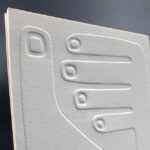
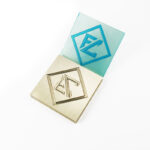
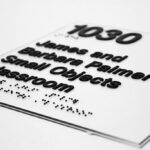
3D embossing is a printing technique that creates raised, three-dimensional designs on surfaces, enhancing tactile and visual appeal.
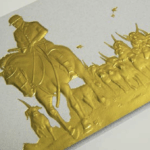
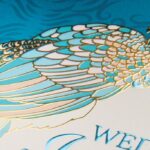
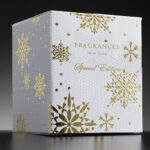
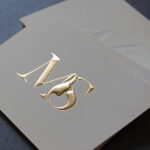
3D Foil Stamping is a printing technique that applies metallic foil to surfaces, creating a raised, textured effect for enhanced visual appeal.
A
Aqueous coating is a water-based finish applied to printed materials for enhanced durability, gloss, and protection against wear and moisture.
B
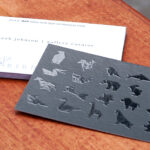
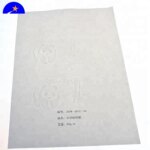
Blind debossing is a printing technique that creates an indented design on a surface without the use of ink or foil, enhancing texture and depth.
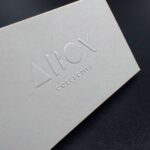
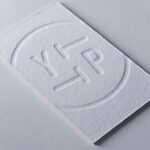
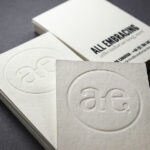
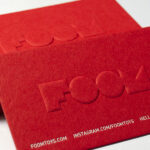
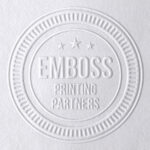
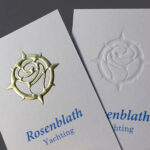
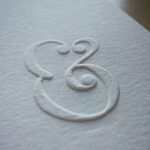
Blind embossing is a printing technique that creates raised designs on paper without ink, enhancing texture and visual appeal.
C
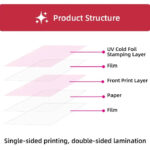
Cold foil stamping is a printing technique that applies metallic foil to a substrate using adhesive without the need for heat, enhancing visual appeal.
D
Digital embossing is a printing technique that creates raised designs on surfaces using digital technology, enhancing texture and visual appeal.
Digital foil is a printing technique that applies metallic finishes to designs using digital technology, enhancing visual appeal and texture.
E
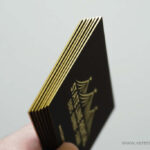
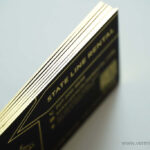
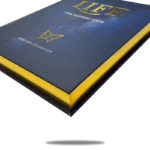
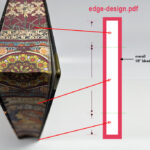
Edge foiling is a printing technique that applies metallic or colored foil to the edges of paper products, enhancing their visual appeal and luxury.
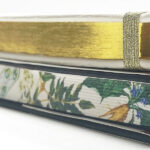
Edge gilding is the application of gold or metallic leaf to the edges of a book's pages, enhancing its aesthetic appeal and value.
Edge painting is a printing technique that applies color to the edges of paper products, enhancing their visual appeal and sophistication.
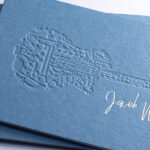
Embossing is a printing technique that creates raised designs or text on paper, enhancing tactile and visual appeal in printed materials.
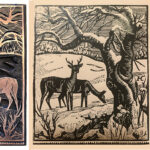
Engraving is a printmaking technique that involves incising designs onto a hard surface, typically metal, to create detailed images or text.
F
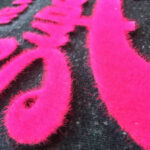
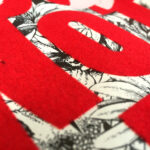
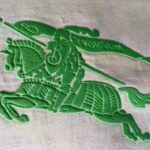
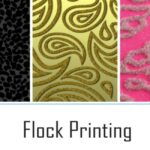
Flocking is a printing technique that applies a layer of fine fibers to a surface, creating a textured, velvety finish for enhanced visual appeal.
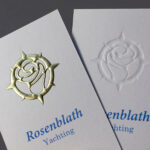
Foil embossing is a printing technique that combines heat and pressure to apply metallic foil onto a surface, creating a raised, reflective design.
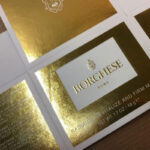
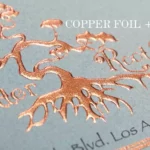
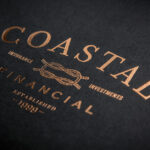
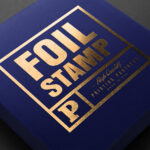
Foil stamping is a printing technique that applies metallic or pigmented foil to a surface using heat and pressure for decorative effects.
G
Ghosting is a printing defect characterized by faint, unwanted images or text appearing on the final print due to ink transfer issues.
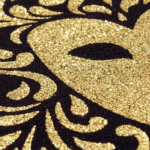
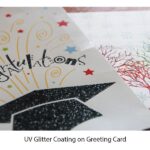
Glitter is a decorative element composed of small, reflective particles that enhance visual appeal in various printing and design applications.
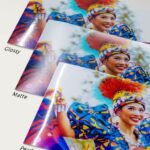
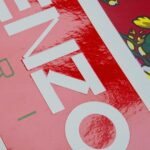
Gloss coating is a shiny finish applied to printed materials, enhancing color vibrancy and providing protection against wear and tear.
Grit coating is a textured finish applied to printed materials, enhancing grip and tactile quality while improving durability and visual appeal.
H
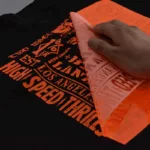
Heat transfer is a printing method that uses heat and pressure to transfer designs onto various materials, commonly textiles and apparel.
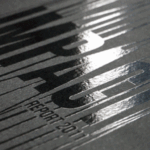
High-Gloss UV Coating is a protective finish applied to printed materials, enhancing color vibrancy and providing a reflective, glossy surface.
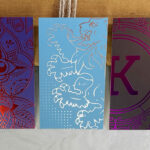
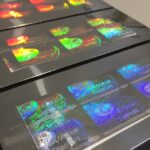
Holographic foil stamping is a printing technique that applies a reflective, holographic foil to surfaces, enhancing visual appeal and depth.
I
Iridescent coating is a printing technique that creates a shimmering, color-shifting effect on surfaces, enhancing visual appeal and depth.
L
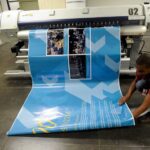
Large Format Printing is a printing technique that produces oversized graphics, typically exceeding 24 inches in width, for various applications.
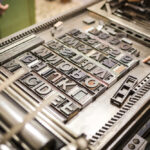
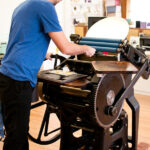
Letterpress is a relief printing technique that uses movable type and inked plates to create raised impressions on paper.
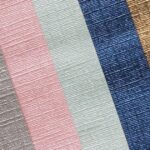
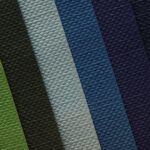
Linen texture embossing is a printing technique that creates a raised, fabric-like pattern on paper, enhancing tactile and visual appeal.
M
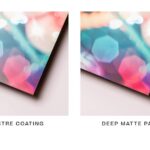
Matte coating is a non-reflective finish applied to printed materials, enhancing texture and reducing glare for a sophisticated appearance.
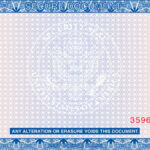
Micro-embossing is a printing technique that creates intricate, raised designs on surfaces for enhanced texture and visual appeal.
N
O
Offset Spot Varnish is a printing technique that applies a glossy finish to specific areas of a printed piece, enhancing visual appeal and texture.
Overprint varnish is a transparent coating applied over printed areas to enhance gloss, protect the surface, and improve durability.
P
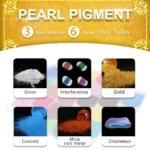
Pearlescent coating is a finish that imparts a shimmering, iridescent effect to printed materials, enhancing visual appeal and depth.
R
Raised ink is a printing technique that creates a tactile, three-dimensional effect on paper, enhancing visual appeal and readability.
Raised Spot UV is a printing technique that applies a glossy, raised coating to specific areas of a printed surface, enhancing visual and tactile appeal.
Rubberized coating is a flexible, protective layer applied to surfaces, enhancing durability and resistance to moisture and abrasion.
S
Satin coating is a finish that provides a soft sheen, enhancing color vibrancy while offering moderate protection against wear and tear.
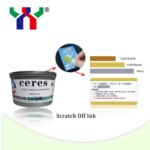
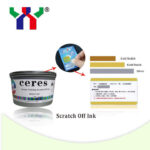
Scratch-off coating is a specialized layer applied to printed materials, allowing users to reveal hidden information by scratching it off.
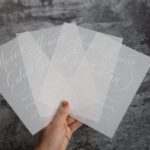
Screen overlays are transparent layers applied to printed materials, enhancing visual effects and providing additional information or branding elements.
Scuff-resistant coating is a protective layer applied to printed materials to enhance durability and reduce visible wear from handling.
Selective varnishing is a printing technique that applies a glossy or matte finish to specific areas of a printed surface, enhancing visual appeal.
Silk lamination is a finishing process that applies a smooth, matte film to printed materials, enhancing durability and visual appeal.
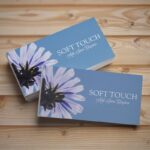
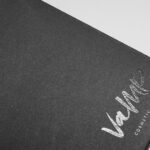
Soft-Touch Coating is a matte finish applied to printed materials, providing a velvety texture and enhancing tactile appeal while reducing glare.
Soft-touch lamination is a finishing process that provides a velvety texture and enhanced tactile experience to printed materials.
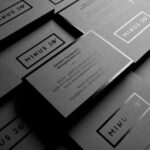
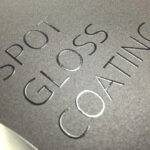
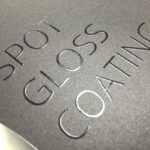
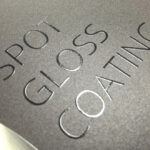
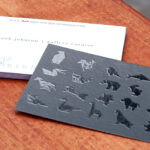
Spot Gloss UV is a printing technique that applies a glossy finish to specific areas of a printed piece, enhancing visual contrast and appeal.
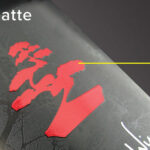
Spot Matte UV is a printing technique that applies a matte finish selectively on specific areas of a printed surface, enhancing visual contrast.
Substrates are the materials or surfaces onto which printing is applied, influencing print quality and durability in various applications.
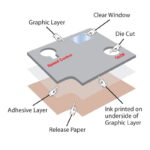
Subsurface is a printing technique where ink is applied beneath a transparent surface, enhancing durability and visual depth in designs.
T
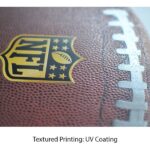
Textured coating is a printing technique that adds tactile dimension and visual interest to surfaces, enhancing the overall aesthetic appeal.
Thermographic is a printing process that uses heat to raise ink on paper, creating a textured, embossed effect for enhanced visual appeal.
U
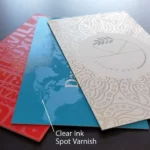
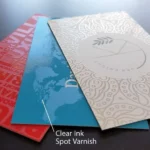
UV Spot Varnish is a printing technique that applies a glossy finish to specific areas of a printed piece, enhancing visual contrast and texture.
V
Velvet lamination is a finishing technique that provides a soft, textured surface to printed materials, enhancing tactile appeal and visual depth.