
Grit Coating Definition
Grit coating is a surface treatment process designed to improve the adhesion of subsequent coatings on various substrates. It creates a textured surface that facilitates mechanical interlocking while removing contaminants and oxide layers. This process employs diverse grit abrasives, such as aluminum oxide and silicon carbide, tailored to specific applications. Effective surface preparation and post-blasting verification guarantee ideal results. Understanding the nuances of grit selection can further enhance project outcomes.

Quick Summary
- Grit coating enhances adhesion for subsequent coatings by creating a textured surface for mechanical interlocking.
- It effectively removes contaminants like rust and old paint to ensure a clean substrate.
- Grit blasting strips oxide layers without damaging the underlying material, improving long-term performance.
- Different types of grit abrasives, such as aluminum oxide and silicon carbide, cater to specific applications.
- This process supports eco-friendly practices through reduced waste and energy consumption, while extending surface protection.
Definition and Purpose of Grit Coating
Grit coating serves as a vital process in surface preparation, primarily aimed at enhancing the adhesion of subsequent coatings to various substrates. This technique involves creating a textured surface that promotes mechanical interlocking, essential for effective coating adhesion. By removing contaminants such as rust and old paint, grit coating guarantees a clean substrate, which is necessary for maximizing corrosion resistance. The process also efficiently strips oxide layers without damaging the base material, preventing premature coating failure. Additionally, grit blasting increases surface area by creating peaks and troughs that further improve adhesion. In the end, grit coating enhances the long-term performance of protective layers, making it indispensable in industries requiring durable, reliable finishes on various materials. The selection of a proper grit abrasive type is crucial for achieving optimal results in the coating process. Grit coating is particularly effective for surface preparation in industries like automotive and construction, ensuring the longevity of applied coatings.
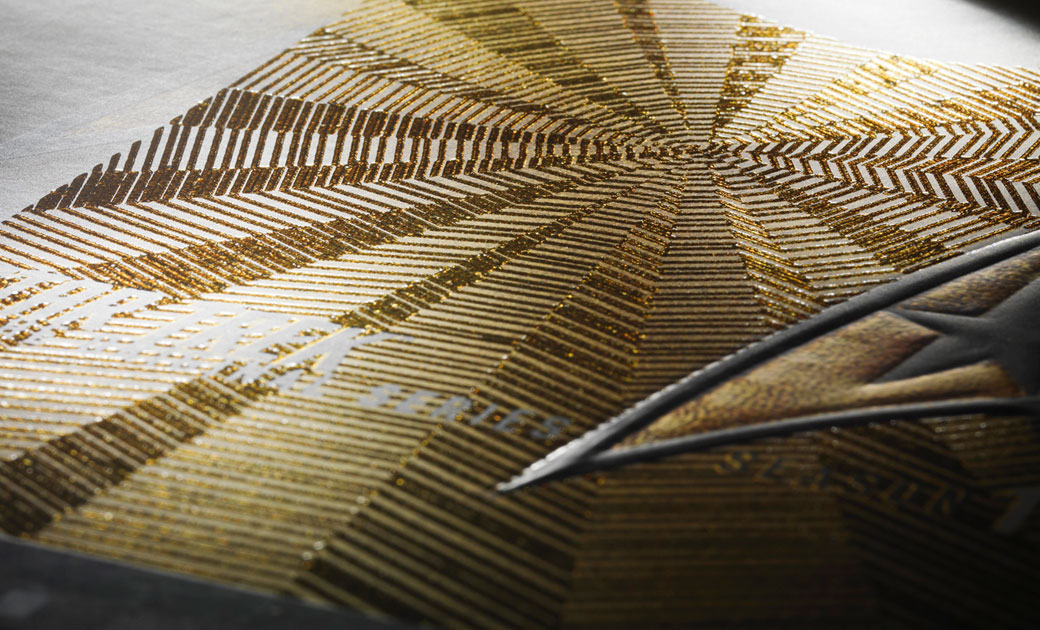
Printing and Packaging Terms to Know
Types of Grit Abrasives
The selection of appropriate abrasives is essential for achieving the desired surface preparation in grit coating applications. Aluminum oxide abrasives, available in a grit range of 24–600, are cost-effective and versatile for metal and wood surfaces. Additionally, these abrasives are known for their consistent cutting performance across various surfaces. Silicon carbide abrasives, recognized for their sharpness, also span a grit range of 16–600 and are ideal for non-contaminating uses, particularly in glass and plastics. Higher grit numbers indicate finer abrasive particles, making them suitable for polishing and achieving a smooth finish. Zirconia alumina abrasives self-sharpen under pressure, maintaining cutting efficiency. This unique feature makes zirconia alumina particularly effective in high-pressure applications. Each type serves specific applications, ensuring peak performance and surface quality in various grit coating processes. Understanding these options aids in selecting the best abrasive for project needs.
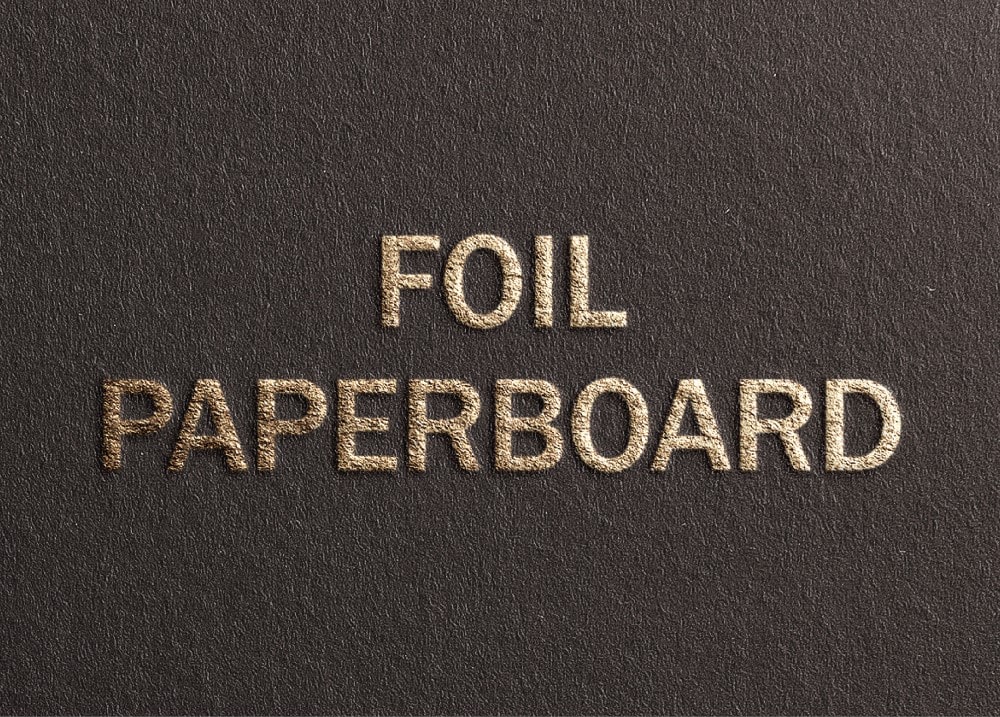
Part 2: Coatings and ... by johnsbyrne.com
Finishes and Coatings by supremex.com
Surface Preparation Techniques
Surface preparation techniques are critical to achieving ideal adhesion and performance in grit coating applications. Effective preparation begins with a thorough surface assessment to identify contaminants and structural deficiencies. Pre-blasting steps include degreasing, chloride removal, and loose material stripping, guaranteeing a clean substrate. Pressure control is essential, typically adjusted between 60-120 psi based on substrate characteristics. Additionally, grit blasting is recognized for its efficiency and effectiveness in achieving surface cleanliness, which ultimately enhances the adhesion of coatings. Proper media selection, such as steel shot, can significantly influence the surface profile and overall coating performance. Cleanliness and surface activation are crucial for effective adhesion, underscoring the necessity of meticulous surface preparation. Compliance documentation must be maintained, recording blast parameters and surface roughness results. Post-blast verification, including profilometer testing and visual standards, further guarantees proper surface characteristics for coating. These systematic approaches help guarantee successful grit coating outcomes and long-lasting performance.
Applications and Benefits of Grit Coating
Applications of grit coating extend beyond basic surface protection, providing numerous benefits to various industries. The use of reusable abrasive media enhances cost-efficiency and reduces waste, aligning with sustainability goals. Ideal coating adhesion is achieved through grit blasting, which creates a microscopic anchor pattern on surfaces, minimizing risks of peeling and delamination. Grit coating facilitates effective surface restoration, reviving the original texture and appearance of worn parts. The environmental impact is positively influenced by lower dust generation and reduced energy consumption during the process, contributing to safer working conditions and supporting eco-friendly practices in manufacturing and construction sectors. Using steel grit for surface preparation significantly enhances the effectiveness of grit coating applications.
Home-built Hellschreibers by nonstopsystems.com
Popular Wiki Terms:
Choosing the Right Grit for Your Project
Selecting the appropriate grit for a project is vital to achieving excellent results and guaranteeing the integrity of the material being worked on.
Coarse grits, ranging from 60 to 80, are suitable for soft materials like wood, facilitating stock removal. Medium grits, between 100 and 220, are ideal for shaping and defect correction. For polishing hard materials, fine grits, typically 240 and above, are recommended.
Employing a grit progression strategy is important; shifting through grits without skipping guarantees a smooth surface. For example, one might use coarse (P80), then medium (P120), followed by fine (P220) for best outcomes.
References & Data Sources:
https://www.corrosionpedia.com/definition/612/grit-blasting – Retrieved March 27, 2025
https://www.corrosionpedia.com/definition/5565/grit-abrasive – Retrieved March 29, 2024
https://shop.machinemfg.com/grit-blasting-vs-shot-blasting-understanding-the-differences-and-applications/ – Retrieved December 29, 2024
https://benchmarkabrasives.com/blogs/news/what-are-different-types-of-abrasive-grains – Retrieved March 22, 2025
https://www.redlabelabrasives.com/blogs/news/sandpaper-grit-chart-grits-explained – Retrieved March 29, 2025
https://www.preferredabrasives.com/faq/different-types-abrasive-grain/ – Retrieved March 29, 2025
https://www.johnsbyrne.com/blog/printing-packaging-terms-know-part-2-coatings-varnishes/ – Retrieved March 29, 2025
https://supremex.com/resource/finishes-and-coatings/ – Retrieved March 29, 2025
https://www.kuegroup.com/guide-to-grit-blasting/ – Retrieved March 29, 2025
https://dynamiccogroup.com/grit-blasting-sand-blasting-essential-techniques-for-surface-preparation/ – Retrieved March 28, 2025
https://www.oerlikon.com/metco/en/solutions-technologies/what-is-thermal-spray/surface-preparation-thermal-spray-process/ – Retrieved March 28, 2025
https://www.airblasteurospraydirect.com/blog/why-do-we-use-steel-grit-in-surface-preparation/ – Retrieved March 28, 2025
https://www.nonstopsystems.com/radio/hellschreiber-homebuilt.htm – Retrieved March 28, 2025