
UV (Ultraviolet) Definition
Ultraviolet (UV) radiation is part of the electromagnetic spectrum, characterized by wavelengths from 400 to 10 nanometers. It includes UVA, UVB, and UVC types, each exhibiting distinct interactions with biological materials. UV exposure can cause DNA damage, generate reactive oxygen species, and impair proteins and lipids, increasing disease risk. Applications of UV technology include disinfection and industrial curing processes. Environmental impacts include effects on photosynthesis and ecosystem biodiversity. Further exploration reveals additional insights into UV’s significance.
Definition and Nature of UV
Ultraviolet (UV) radiation is a segment of the electromagnetic spectrum, situated between visible light and X-rays. It encompasses wavelengths ranging from approximately 400 nanometers to 10 nanometers, classified into near, middle, far, and extreme UV.
The three main types of UV radiation—UVA, UVB, and UVC—interact differently with materials and biological systems.
UV radiation plays a critical role in various applications, including UV printing, where its properties enable instant curing of inks, enhancing production efficiency.
Its invisible nature requires specialized equipment for detection, underscoring its significance in both scientific research and practical applications across multiple industries.
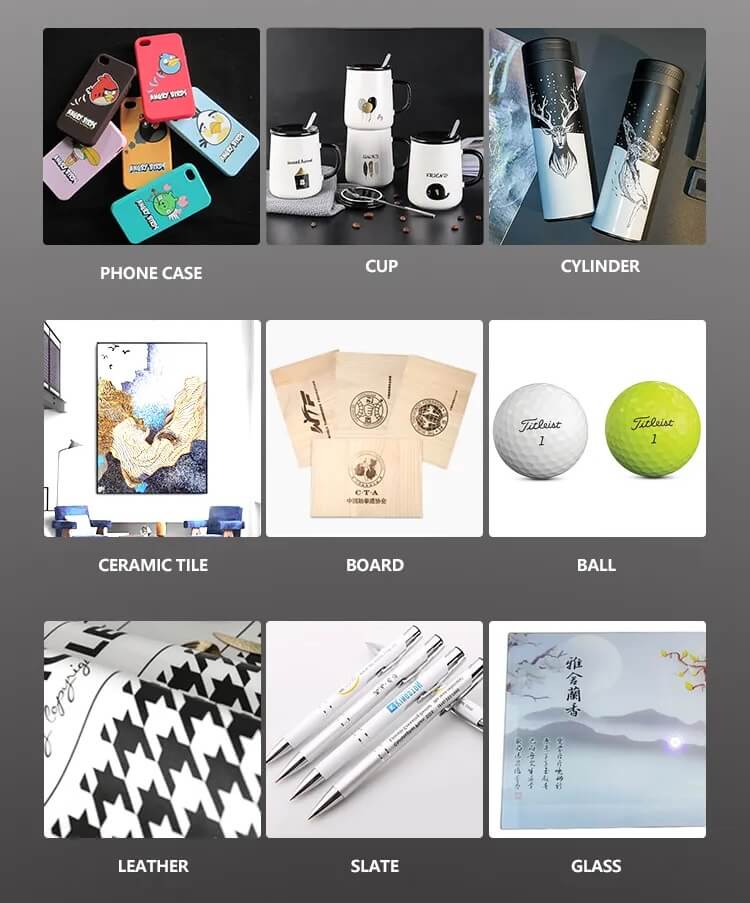
What is UV Printing & How it Can Benefit Your Promotions by gentletopgifts.com
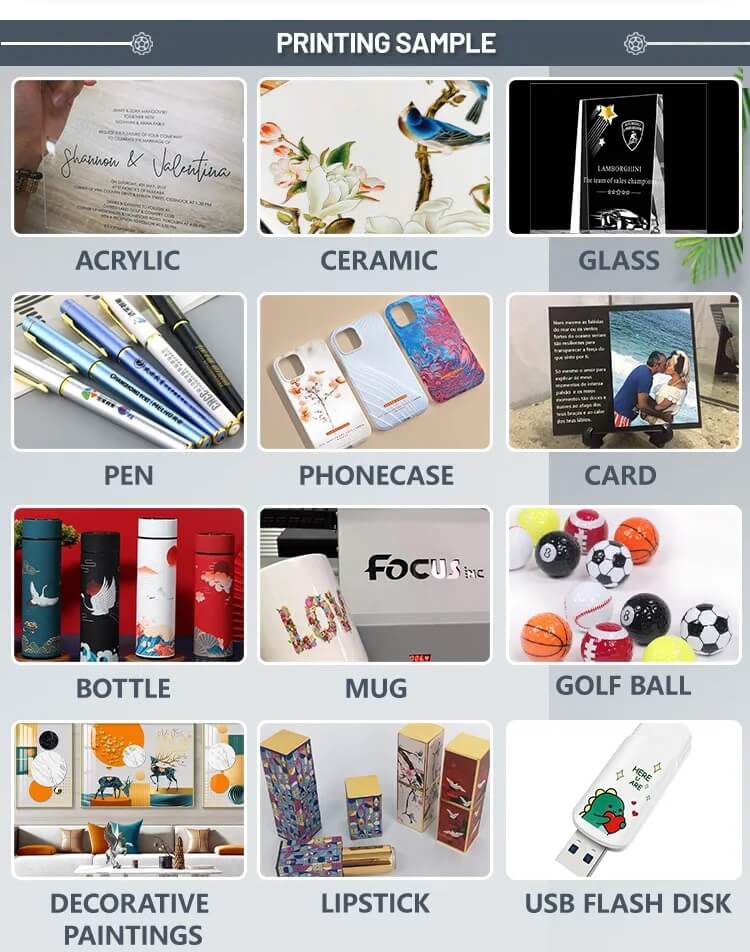
What is UV Printing & How it Can Benefit Your Promotions by gentletopgifts.com
Effects on Biological Materials
Biological materials are greatly affected by ultraviolet (UV) radiation, which leads to various forms of damage at the molecular level.
UV exposure induces DNA damage, primarily through the formation of cyclobutane pyrimidine dimers (CPDs) and 6-4 photoproducts (6-4PPs), resulting in structural distortions.
UVB radiation generates Reactive Oxygen Species (ROS), causing oxidative stress that damages proteins, lipids, and further impairs DNA.
Chronic UV exposure reduces the efficiency of repair mechanisms, increasing the risk of mutations and diseases such as skin cancer.
Understanding these effects is essential for developing strategies to protect biological materials from UV-induced harm.

DD1220 Silver Coated Compact Umbrella Printing Inside Flower 5 ... by alibaba.com
Applications and Uses
The diverse applications and uses of UV technology span various industries, leveraging its unique properties for multiple purposes.
Germicidal applications include disinfecting surfaces, air, and water to eliminate pathogens, thereby enhancing public health safety. UVC LED disinfection systems have gained attention for their effectiveness in these applications.
Germicidal applications of UV technology effectively disinfect surfaces, air, and water, significantly improving public health safety.
In industrial and commercial uses, UV technology cures adhesives, coatings, and inks, providing durable finishes essential in sectors like automotive and aerospace.
UV lamps improve cleanroom production and facilitate quality inspections in manufacturing.
The ability to eliminate volatile organic compounds (VOCs) further underscores its utility in maintaining clean environments.
Collectively, these applications demonstrate the significant impact of UV technology across multiple fields.
Environmental Aspects
Environmental factors greatly influence the interactions and consequences of UV exposure across various ecosystems.
In aquatic environments, UV exposure can markedly reduce photosynthesis, affecting nutrient and energy cycles. Different species exhibit varying sensitivities to UV radiation, which may lead to shifts in biodiversity.
Terrestrial ecosystems also face challenges, as UV-B increases plant susceptibility to disease and alters growth processes. The influence of UV is compounded by human-induced ozone depletion.
Despite these challenges, some ecosystems show resilience, adapting to increased UV levels. Understanding these environmental aspects is vital for effective conservation and management strategies in response to UV exposure.
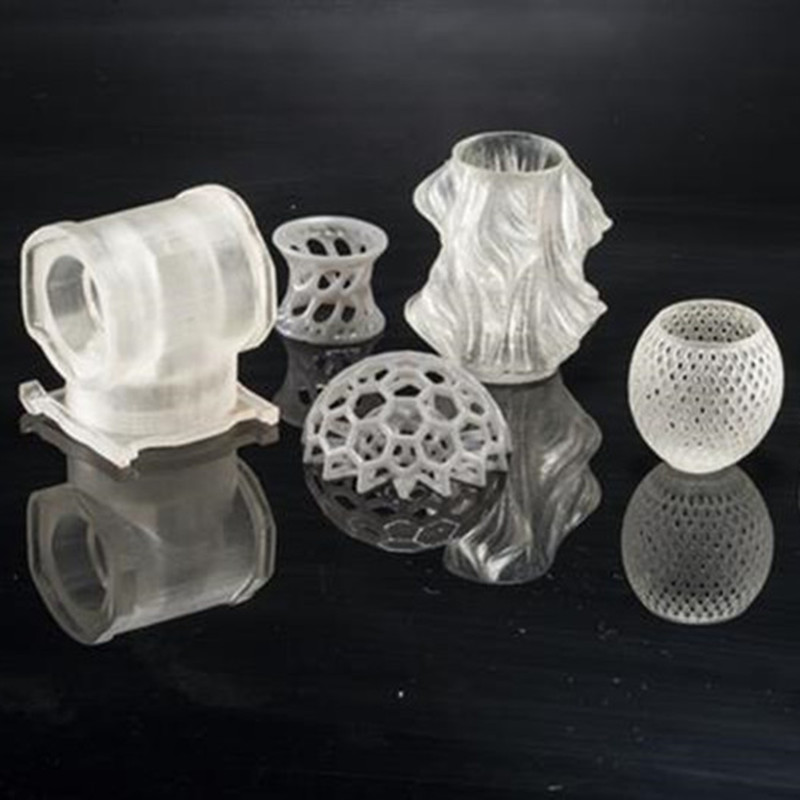
Hot New Products Telecentric F-Theta Lenses Fused Silica ... by carmanhaaslaser.com
Popular Wiki Terms:
Technical Specifications and Safety
Technical specifications and safety measures are critical in the effective use of ultraviolet (UV) technology across various applications. Key specifications include wavelength ranges, intensity metrics, and lamp types, which influence curing depth and performance.
Safety considerations are paramount, particularly concerning UVC exposure, which poses risks to skin and eyes. Enclosed systems are essential to mitigate these hazards, along with the use of protective gear like UV-blocking eyewear.
Compliance with OSHA and ACGIH guidelines guarantees adherence to occupational exposure limits. Understanding these technical specifications and safety measures is crucial for effective and responsible UV technology implementation in various industries.
References & Data Sources:
https://gentletopgifts.com/uv-printing/ – Retrieved April 30, 2025
https://www.alibaba.com/product-detail/DD1220-Silver-Coated-Compact-Umbrella-Printing_1600748424573.html – Retrieved May 2, 2024
https://marktechopto.com/understanding-ultraviolet-led-applications-and-precautions/ – Retrieved February 2, 2025
https://www.carmanhaaslaser.com/hot-new-products-telecentric-f-theta-lenses-fused-silica-stereolithography-3d-sla-3d-printer-for-uv-laser-additive-manufacturing-processing-haas-2-product/ – Retrieved April 25, 2025