
Type Family Definition
A type family is a collection of related typefaces that maintain consistent design elements across different weights, styles, and sizes. This uniformity enhances visual identity and aids effective communication. Type families promote readability and create a cohesive typographic experience by organizing information. Modern technology allows for versatile applications, including variable fonts and modular design systems. Understanding the fundamental concepts of type families can greatly influence typographic choices and design effectiveness. Further insights on this topic are available for exploration.
Definition and Core Concept of Type Families
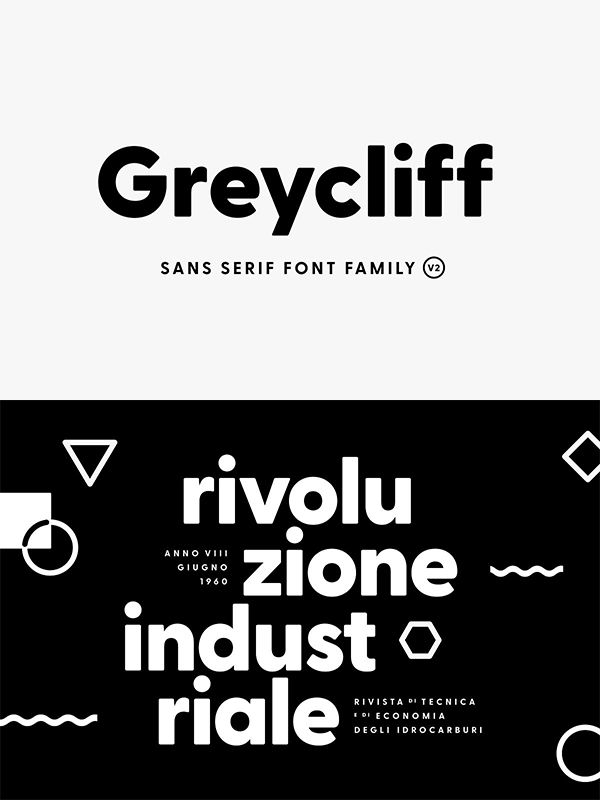
A type family is defined as a collection of typeface designs that includes various fonts characterized by different weights, styles, and sizes, while maintaining consistent design elements.
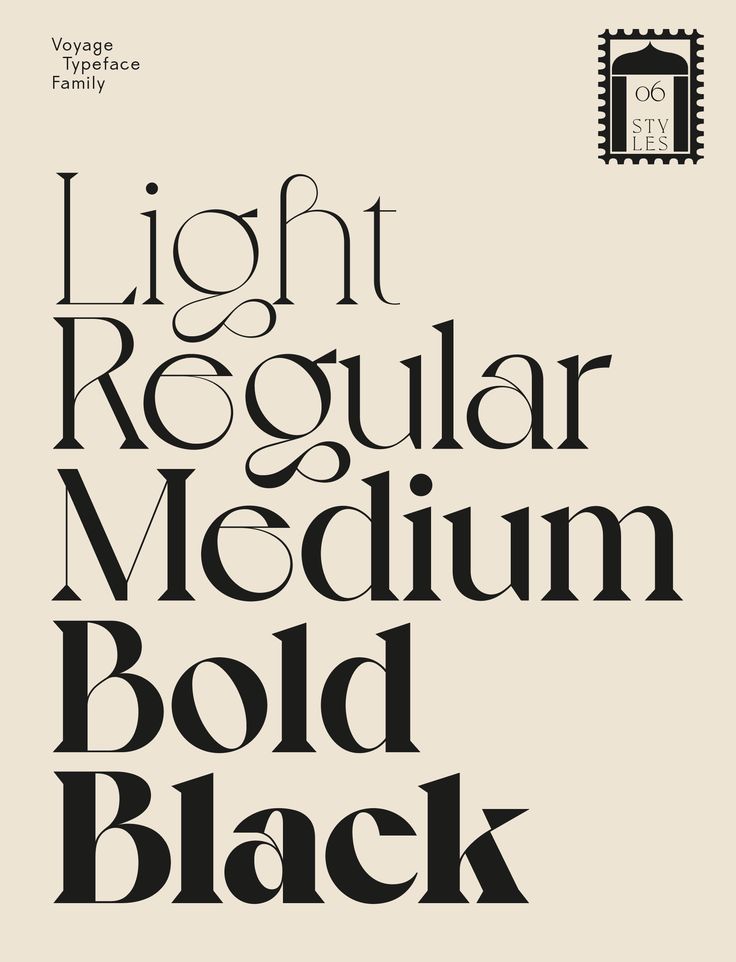
Each type family embodies common design traits, ensuring that variations such as bold, light, and italic versions remain cohesive. This consistency enhances the overall visual identity and aids in the effective communication of ideas.
The use of type families promotes readability by providing uniformity across different typographic elements, allowing for effective hierarchy in text presentation.
In the end, type families serve to unify design while offering versatility for diverse applications in print and digital media.
50 Best Sans-Serif Fonts For Graphic Designers Graphic Design Junction by pinterest.com
Historical Development of Typeface Families
The historical development of typeface families can be traced back to the origins of printing in the 15th century. Initially, Blackletter typefaces were prevalent, followed by the emergence of Roman types influenced by early innovators like Nicholas Jenson.
The Industrial Revolution catalyzed the creation of various type systems, including serif and sans-serif styles. By the 19th century, the first sans-serif fonts appeared, alongside slab serif designs.
As typography evolved, font pairing considerations became essential for achieving visual harmony. This progression reflects the historical use of diverse variations to meet the growing demands of print and design.

Objectivity by behance.net
Graphic Design by itsnicethat.com
Key Components of Type Families
Key components of type families encompass various aspects that contribute to their functionality and design coherence. Each type family consists of related typefaces that share specific design elements, ensuring aesthetic consistency.
Variations in weight, such as bold, light, and italic, enhance flexibility and allow for effective hierarchy in visual communication. This diversity supports the organization of information, maintaining visual harmony across different text elements.
The careful selection of type families fosters readability and aligns with the intended purpose, whether for branding or printed materials. In the end, these components work together to create a cohesive and engaging typographic experience.
Modern Implementations in Typography
Modern typography has evolved considerably with the advent of digital technology, enabling the integration of diverse type families into more versatile formats.
Implementations now include variable fonts that allow for infinite adjustments in weight and width, enhancing uniformity across text hierarchies.
Modular design systems facilitate hybrid style merging, combining elements from different type styles for cohesive corporate branding.
Size-specific variants guarantee ideal layout and legibility across platforms, while automated hinting maintains clarity on various screen resolutions.
The adoption of standardized weight gradation further supports consistency, making type families essential in contemporary design practices.
Types of Fonts: The Ultimate Guide to Fonts Styles by looka.com
Design Considerations for Selecting Type Families
Selecting type families requires careful consideration of various design principles to guarantee effective communication and visual appeal.
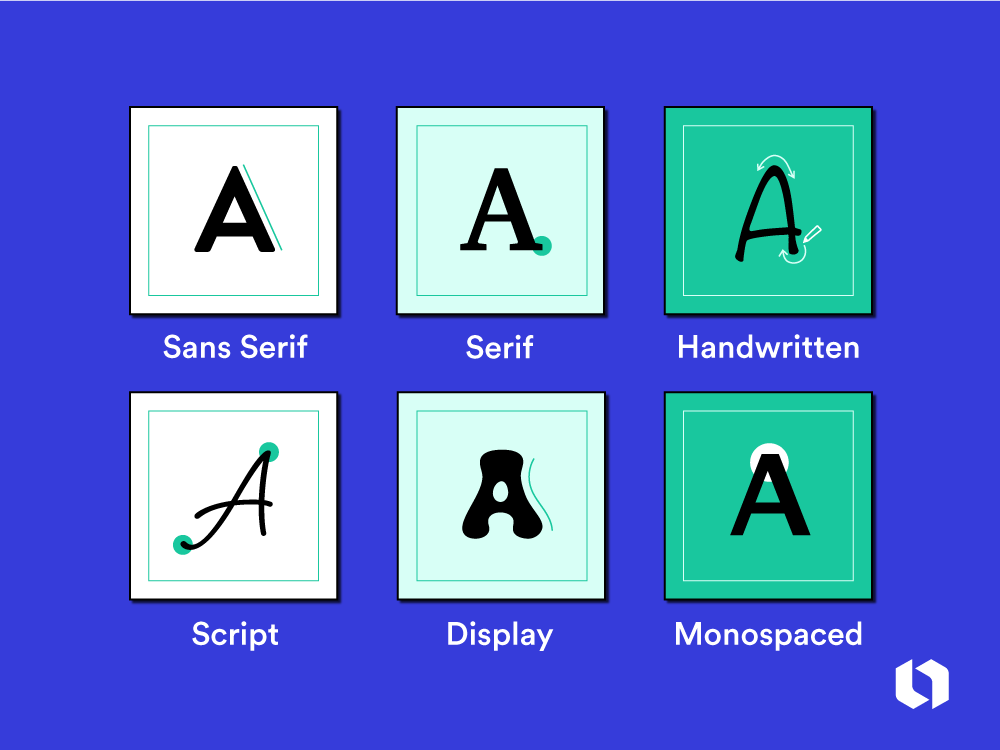
Designers should prioritize contrast and compatibility when mixing typefaces, as serifs often pair more easily with sans-serifs. Readability remains vital, particularly for body text.
Functionality is enhanced by defining font roles and limiting combinations to two typefaces. Aesthetic cohesion can be achieved by harmonizing stroke contrast and balancing visual complexity.
Technical constraints, such as ensuring cross-platform rendering and adhering to licensing requirements, must also be addressed.
In the end, these considerations foster clarity and consistency in typographic design.
Voyage Typeface family. 6 Styles. VJ TYPE Typefaces by in.pinterest.com
Popular Wiki Terms:
Industry Standards and Classification of Type Families
The classification of type families is a fundamental aspect of typography that promotes consistency and coherence across various design applications. Type families are categorized based on type style, historical development, and functionality.
Standardization of font classifications facilitates ease of use across platforms, ensuring designers can effectively utilize diverse type families. The evolution of type families reflects ongoing design trends and technological advancements.
Type family management involves maintaining extensive font libraries and ensuring cross-platform compatibility. Adherence to industry standards, such as OpenType and Unicode support, enhances the global applicability of type families, serving diverse markets and fostering visual recognition.
References & Data Sources:
https://www.pinterest.com/pin/805862927068687062/ – Retrieved April 30, 2025
https://www.behance.net/gallery/60530395/Objectivity-Free-Geometric-Font-Family-Legacy – Retrieved May 2, 2024
https://www.itsnicethat.com/graphic-design?page=23 – Retrieved February 2, 2025
https://looka.com/blog/types-of-fonts/ – Retrieved April 25, 2025
https://in.pinterest.com/pin/1013450722399943449/ – Retrieved May 2, 2025