
Orphans & Widows Definition
Orphans are defined as children who have lost one or both parents, whether due to death or abandonment. There are approximately 150 million orphans worldwide, with 17.6 million classified as double orphans. Widows are women who have experienced the death of their spouse, with about 258 million widows globally facing economic vulnerability and social stigma. Both groups encounter significant socio-economic challenges. A thorough understanding of their circumstances reveals various factors influencing their support and wellbeing.
Understanding Orphans: Definitions and Global Statistics
Orphans are defined as children who have lost one or both parents due to death or abandonment. Global statistics reveal approximately 150 million orphans worldwide, with about 17.6 million classified as double orphans.
The primary causes include disease, violence, and socioeconomic instability. The impact of orphanhood extends beyond emotional distress, often leading to increased poverty and diminished opportunities.
Support systems, such as community organizations and NGOs like SOS Children’s Villages, are essential in providing care and education. These initiatives aim to mitigate the adverse effects of orphanhood and foster resilience among these vulnerable children, promoting their well-being and development.
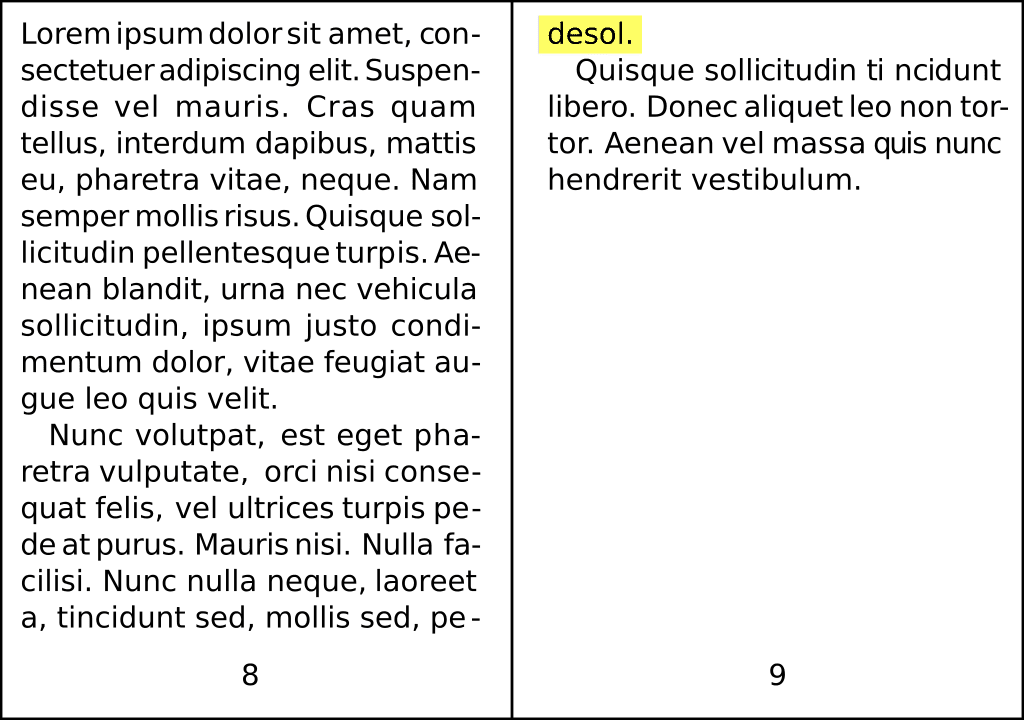
How to Fix Widows and Orphans in Typography by thoughtco.com
The Plight of Widows: Challenges and Vulnerabilities
Widowhood represents a significant social issue, impacting millions globally. Approximately 258 million widows face various challenges, including economic vulnerability and limited legal protections.
Many widows live in extreme poverty, with nearly one in ten lacking basic resources. Social exclusion and stigma further exacerbate their hardships, often leading to isolation and loss of community support.
Discriminatory laws restrict their access to land rights and property ownership, hindering economic independence. In conflict zones, the rate of widowhood can exceed 50%, underscoring the urgent need for reforms to address these vulnerabilities and provide adequate support for this marginalized group.
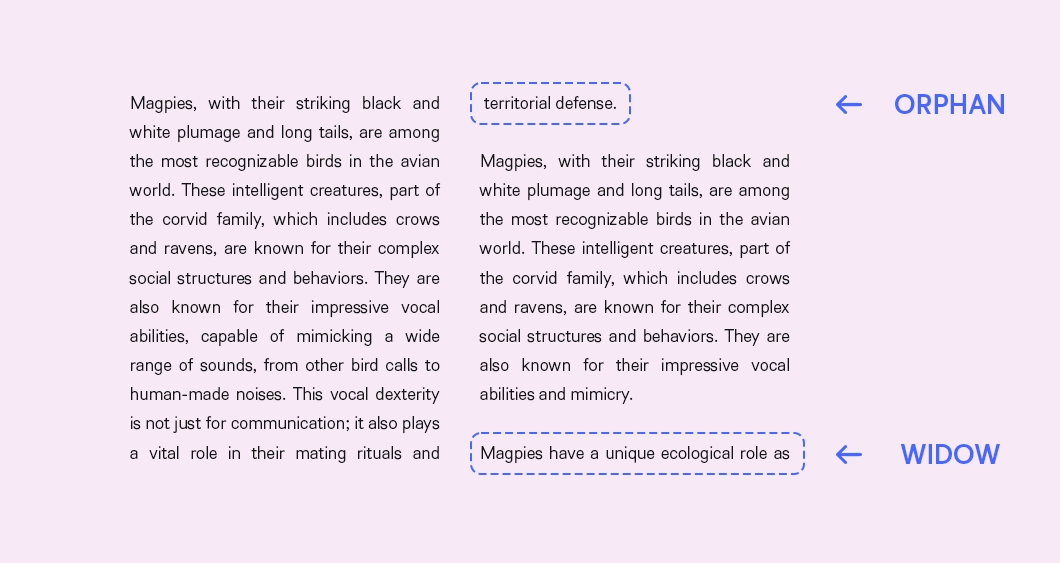
What is a Widow or Orphan in Typography by cedilla.studio
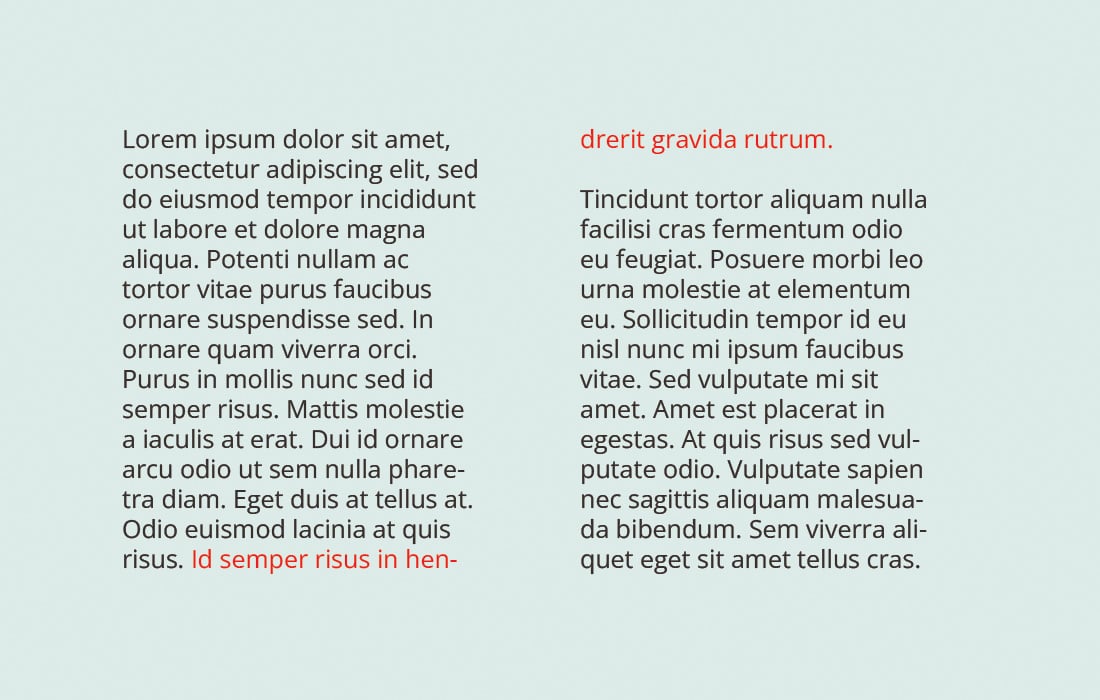
What Is a Widow or Orphan in Typography? by designshack.net
Socioeconomic Factors Affecting Orphans and Widows
The socioeconomic factors affecting orphans and widows are intricately linked to broader issues of poverty and social support systems. Economic empowerment initiatives for caregivers can mitigate the reliance on institutional care.
Nevertheless, educational disparities persist, limiting orphans’ future employment prospects. Social stigmatization often results in exclusion from community networks, further exacerbating their vulnerabilities.
Policy and support gaps hinder the effectiveness of existing child welfare systems, leaving many without essential services. Addressing these multifaceted challenges requires a coordinated approach integrating health, education, and legal interventions to guarantee holistic support for orphans and widows in low-resource settings.
Demographic Trends in Orphanhood and Widowhood
Approximately 258 million individuals are classified as widows globally, with their circumstances often exacerbated by extreme poverty and societal neglect.
The global orphan crisis affects millions, with demographic trends indicating rising orphanhood linked to disasters, disease, and poverty. Regions such as sub-Saharan Africa and South Asia exhibit higher orphan rates due to conflict and inadequate social safety nets.
The COVID-19 pandemic has increased widowhood rates, particularly in low-income areas, compounding vulnerabilities for orphans.
As populations age, the interplay between declining birth rates and increased dependency may further strain familial support systems for both orphans and widows, presenting a global crisis.
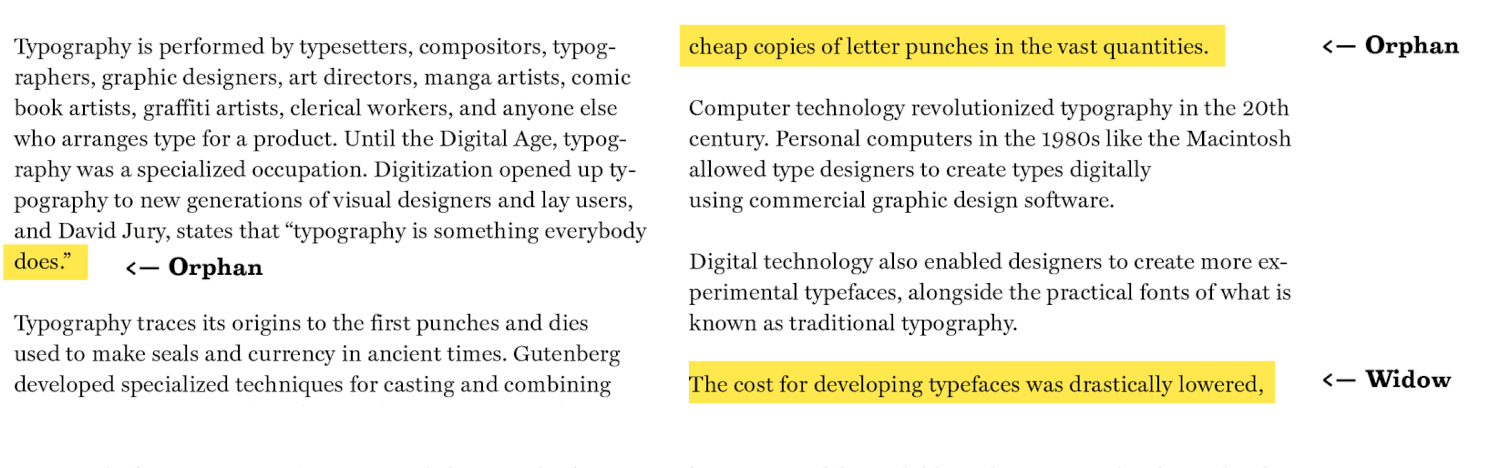
An Orphan by Any Other Name Would Smell as Rotten — TypeEd by type-ed.com
Popular Wiki Terms:
Solutions and Interventions for Supporting Orphans and Widows
Addressing the multifaceted challenges faced by orphans and widows requires an all-inclusive approach that encompasses economic, educational, housing, nutritional, and psychological support.
Vocational training programs can empower widows by teaching valuable skills, while scholarships guarantee orphans access quality education. Housing grants provide financial assistance for safe living conditions, and community engagement projects foster social cohesion and support networks.
Empowering widows through vocational training and ensuring orphans receive scholarships fosters resilience and community support.
Nutritional interventions, such as food assistance programs and education on healthy eating, improve overall well-being.
These extensive solutions aim to alleviate hardships and promote self-sufficiency, in the end enhancing the lives of orphans and widows within their communities.
References & Data Sources:
https://www.thoughtco.com/save-the-widows-and-orphans-1079062 – Retrieved April 30, 2025
https://www.cedilla.studio/what-is-a-widow-or-orphan-in-typography – Retrieved May 2, 2024
https://designshack.net/articles/typography/widow-typography/ – Retrieved February 2, 2025
https://type-ed.com/resources/rag-right/2017/4/18/an-orphan-by-any-other-name-would-smell-as-sweet-or-rotten – Retrieved April 25, 2025