
Glitter Definition
Glitter is a finely dispersed material primarily composed of synthetic elements such as polyester and aluminum, along with natural components like mica. It is widely utilized in decorative applications, including arts, crafts, and cosmetics. Traditional glitter, manufactured through processes that involve melting PET and applying metallic coatings, poses environmental challenges due to its classification as a microplastic. Innovations in biodegradable alternatives aim to address these issues and improve sustainability. Further examination reveals more about its implications and future developments.

Quick Summary
- Glitter is a decorative material made from various substances like polyester, mica, and eco-friendly alternatives that create sparkle and shine.
- Traditional glitter consists of layers of polyester, aluminum foil, and PET film, while mineral glitter uses natural mica powders.
- Biodegradable glitter is crafted from plant-based materials, such as eucalyptus, and decomposes naturally without industrial composting.
- Glitter is classified as a microplastic, contributing to environmental pollution and posing potential risks to marine life and ecosystems.
- Human health concerns arise from microplastics in glitter, including hormonal disruption and exposure to heavy metals linked to serious health issues.
The Composition of Glitter
The composition of glitter encompasses a variety of materials and formulations, each serving specific purposes and applications.
Glitter’s diverse composition includes polyester, mica, and eco-friendly options, each tailored for unique applications in various industries.
Traditional glitter is primarily composed of polyester, aluminum foil, and PET film layers. Mineral glitter utilizes natural mica powders, while synthetic mica glitter employs fluorophlogopite for vibrant hues. Biodegradable glitter, derived from eucalyptus trees, presents an eco-friendly alternative. Biodegradable glitter is manufactured in the U.S. to high standards, independently tested for quality. Metallic inks enhance visual appeal, often achieved through reflective coatings. Critical reading skills can be beneficial when evaluating the safety and environmental impact of glitter products.
Various additives and coatings, such as metallic oxides and polyurethane binders, stabilize and color the glitter, ensuring durability and performance. The use of finely divided aluminum in glitter compositions can significantly enhance visual brightness and overall effect.
These components contribute to innovative applications across crafting, fashion, and packaging industries while addressing environmental concerns.
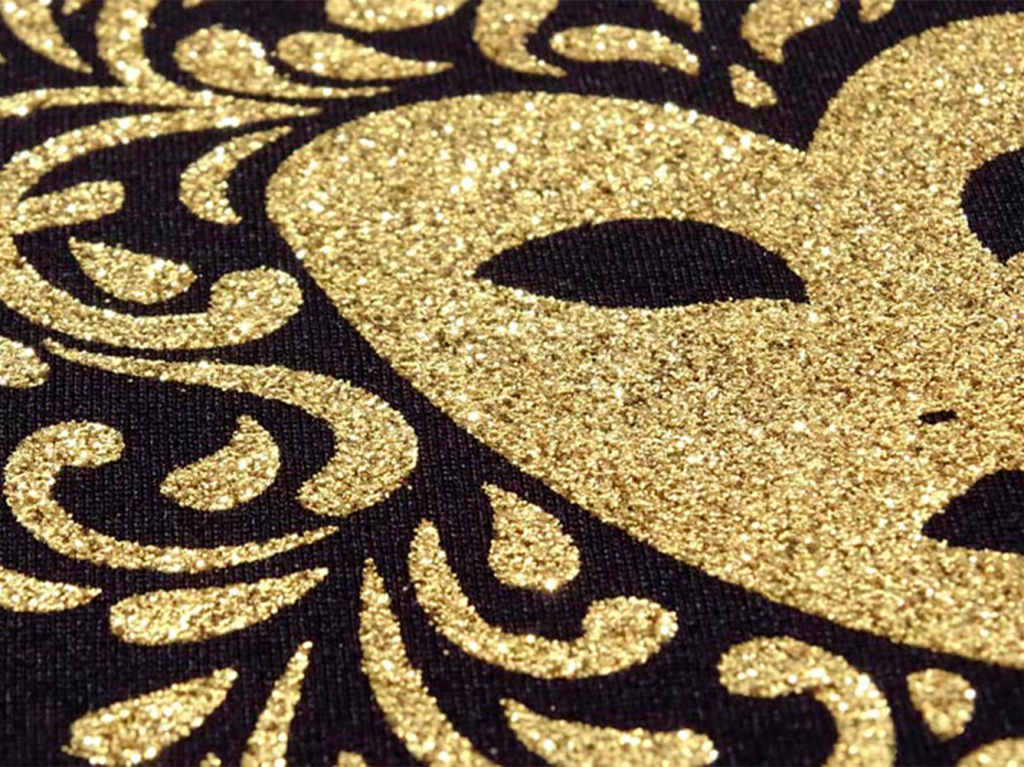
Glitter printing : plastisol inks for screen printing by tiflex.com
The Production Process of Glitter
Production of glitter involves several distinct processes that convert raw materials into the final product.
Initially, PET is melted and formed into thin sheets, which are then cut into flakes. Coating occurs through vacuum deposition, applying metallic layers to enhance reflectivity. The base material for glitter, PET (polyethylene terephthalate), serves as the primary component that ensures durability. Reflective materials are chosen for their ability to create that signature sparkle through light reflection. Notably, the first modern plastic glitter was produced by Henry F. Ruschmann in the 1930s, marking a significant advancement in glitter’s commercial production.
Precision cutting methods produce uniformly sized particles, ranging from ultra-fine to larger shapes. Quality assurance and inspection are critical, involving visual checks and light testing to guarantee consistency in shape, size, and color.
Packaging varies for consumer and industrial uses, with glitter applicators facilitating convenient application.
Environmental concerns remain a consideration throughout the production process, impacting material choices and practices.
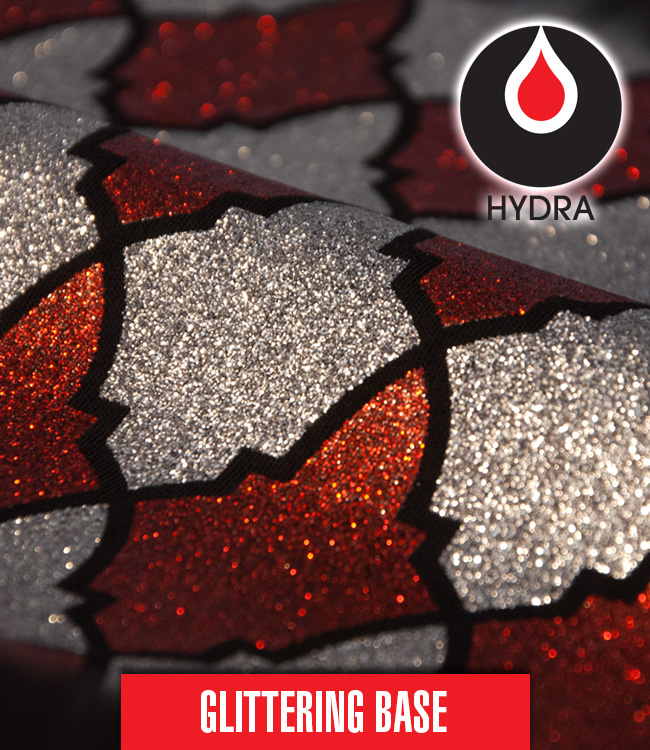
HYDRA GLITTERING BASE
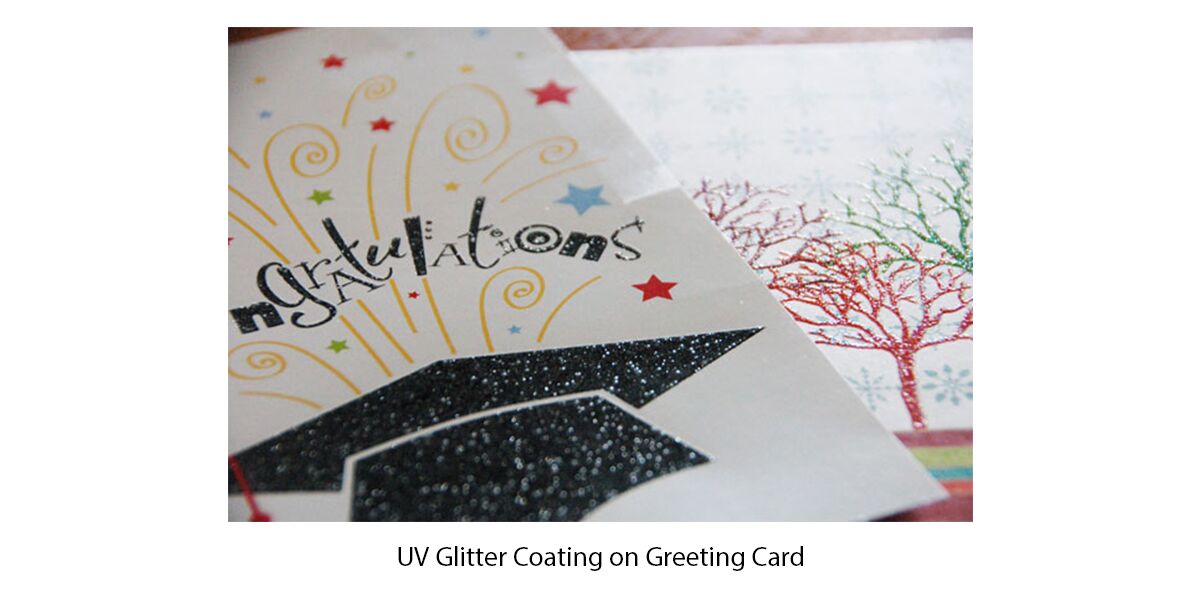
screen printing binder for glitter by virusinks.com
Environmental Impact of Glitter
Glitter has emerged as a significant contributor to environmental pollution, primarily through its classification as a microplastic. These particles, typically less than 5mm in size, persist in waterways and oceans, contributing to the alarming levels of microplastics reported by the UNEP. In fact, microplastics are prevalent in global waterways, with an average of 63,320 particles per square kilometer in oceans. Glitter not only contaminates environmental systems but also poses risks to marine life, as organisms mistakenly ingest it. Studies show that plastic glitter takes hundreds of years to decompose, exacerbating the issue. While there are biodegradable alternatives made from plant-based materials, their adoption remains limited due to challenges like aluminum coatings. The ingestion of glitter by marine life can lead to decreased reproductive rates and increased vulnerability to predation, highlighting the urgent need for sustainable practices in consumer products. Legislative actions across various regions aim to mitigate glitter’s environmental impact, highlighting the need for sustainable practices in consumer products.
Human Health Risks Associated With Glitter
Human exposure to glitter, particularly through its microplastic components, raises significant health concerns. Individuals may ingest or inhale up to 100,000 microplastic particles daily, including glitter, via food, water, or cosmetics. These microplastics can accumulate in human organs and interfere with hormonal systems, leading to endocrine disruption. Heavy metals, such as lead and mercury, often found in glitter, pose carcinogenic risks. Prolonged exposure may also contribute to neurological issues, as aluminum coatings in glitter have been linked to neurodegenerative diseases. This combination of risks necessitates a reevaluation of glitter’s safety in consumer products to safeguard public health, especially considering that glitter is made from PET or PVC.
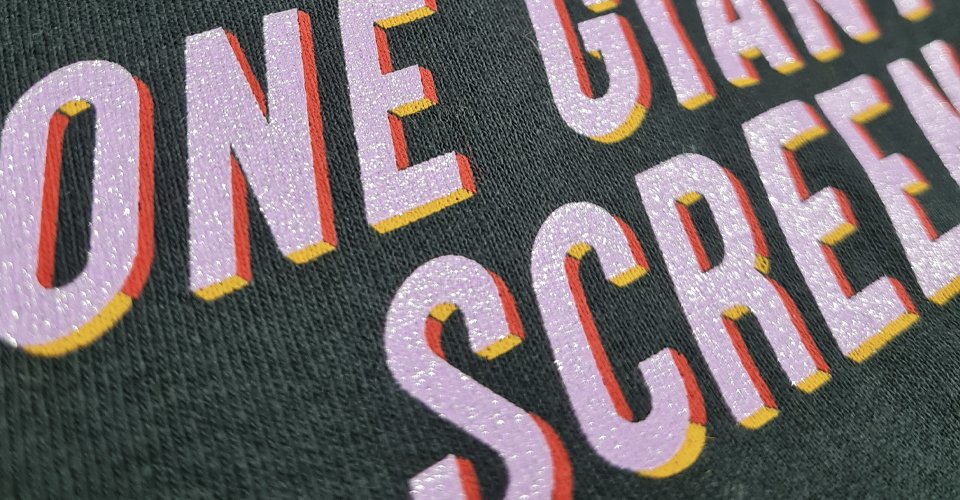
Glitter Printing by hhgrfx.com
Biodegradable Alternatives to Conventional Glitter
The growing awareness of environmental concerns has led to the development of biodegradable alternatives to conventional glitter.
Biodegradable glitter options utilize plant-based materials, such as cellulose derived from sustainably harvested eucalyptus or bamboo. Products like BioGlitz decompose naturally without requiring industrial composting.
Biodegradable glitter made from sustainably sourced cellulose offers an eco-friendly alternative that naturally decomposes without industrial composting.
Synthetic mica, such as fluorphlogopite, offers a cleaner sparkle with reduced heavy metal content compared to traditional mica.
Geonature® uses microcrystalline cellulose films metallized with aluminum, ensuring rapid degradation in freshwater environments.
These innovations address environmental challenges associated with conventional glitter, providing a sustainable choice for consumers committed to reducing ecological impact.
MagnaPrint® Ultra Clear Glitter Base - MagnaColours by magnacolours.com
Popular Wiki Terms:
The Future of Glitter in Crafting and Cosmetics
Emerging trends indicate a significant evolution in the use of glitter within the crafting and cosmetics industries. The growing demand for biodegradable alternatives reflects sustainability-driven trends, prompting brands to integrate eco-friendly glitters into their product lines.
This shift is evident in the cosmetics sector, where cosmetic glitters are increasingly made from plant-based materials and comply with regulatory standards for skin safety. The arts and crafts market is embracing these innovations, driving the adoption of glitter in DIY projects and educational settings.
As consumer awareness of environmental impact rises, the future of glitter appears focused on sustainability and safety.
References & Data Sources:
https://www.madmicas.com/products/biodegreenable-biodegradable-glitter – Retrieved March 27, 2025
https://dokumen.pub/writing-and-reading-across-the-curriculum-rental-edition-14nbsped-0134668510-9780134668512.html – Retrieved March 29, 2024
https://pyrodata.com/PyroGuide/index.php%5Etitle=Glitter_Theory.htm – Retrieved December 29, 2024
https://www.tiflex.com/en/silk-screen/screen-printing-textile-inks/plastisol-inks/glitter-printing/ – Retrieved March 22, 2025
https://www.theglitterguy.com/blogs/glitter-fax/how-is-glitter-made – Retrieved March 29, 2025
https://en.wikipedia.org/wiki/Glitter – Retrieved March 29, 2025
https://www.virusinks.com/hydra-glittering-base.php – Retrieved March 29, 2025
https://www.bicklawllp.com/our-insights/environmental-impact-of-glitter/ – Retrieved March 29, 2025
https://www.moonshatter.com/blogs/blog/the-environmental-impact-of-plastic-glitter-why-we-need-to-take-notice – Retrieved March 29, 2025
https://www.pbs.org/newshour/science/analysis-how-decorative-glitter-contributes-to-microplastic-pollution – Retrieved March 28, 2025
https://hr.uw.edu/cfd/2023/06/27/glitter/ – Retrieved March 28, 2025
https://www.hhgrfx.com/special-effects-screen-printing-uv-coatings/glitter-printing/ – Retrieved March 28, 2025
https://www.magnacolours.com/product/magnaprint-ultra-clear-glitter-base/ – Retrieved March 28, 2025