
Etching Definition
Etching is a printmaking technique that involves incising designs onto metal plates using acid. It requires meticulous steps, including plate preparation, design creation, and exposure to UV light for etching. Copper plates are preferred due to their detail retention, while zinc plates offer affordability for beginners. Historical significance dates back to ancient times, with advancements in techniques enhancing artistic expression. Modern innovations have adapted etching for applications in semiconductor fabrication and sustainable manufacturing processes. Further details reveal its diverse applications and evolution.

Quick Summary
- Etching is a printmaking technique that involves using acid to carve designs into metal plates, typically copper or zinc.
- The process begins with creating a design, cleaning the plate, and applying a photoresist for etching.
- Historical origins trace back to ancient artisans, evolving significantly during the medieval period for printmaking purposes.
- Various etching techniques exist, including aquatint and drypoint, allowing for diverse artistic expressions and tonal variations.
- Modern etching innovations include precision advancements for semiconductor manufacturing and environmentally sustainable practices.
The Etching Process
The etching process involves a series of meticulous steps that transform a metal sheet into a detailed artwork.
The etching process intricately transforms a metal plate into a stunning work of art through careful craftsmanship.
Initially, a design is created and a metal plate is selected, commonly from copper or zinc. The plate undergoes thorough cleaning, followed by the application of a photoresist. The plate is then polished to remove scratches and imperfections, ensuring a smooth surface for etching. Appropriate metal selection is critical for achieving the best possible results in the final artwork.
Once prepared, the plate is exposed to UV light and developed to reveal the areas for etching. The etching press then applies an acid bath to the exposed metal, creating fine lines. Care must be taken to manage plate wear over time, as repeated use can affect the quality of the final prints. Acid exposure time directly influences the depth and width of the recesses created in the metal plate. This process also benefits from chemical etching techniques that allow for high precision and complex designs without mechanical distress.
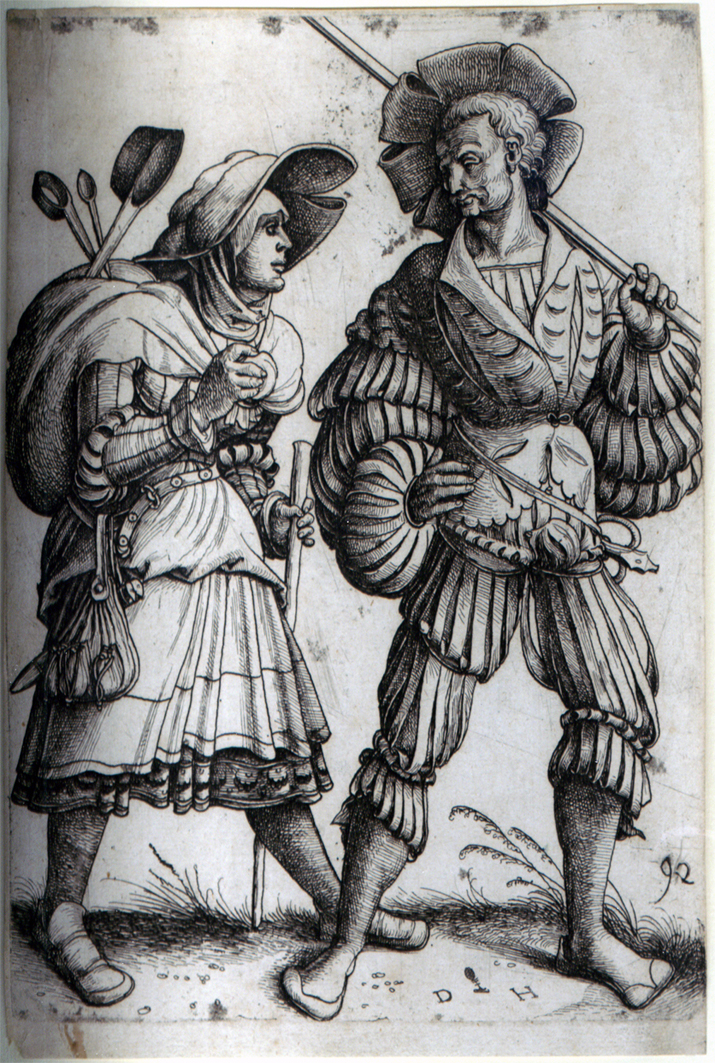
Etching - Wikipedia by en.wikipedia.org
Essential Materials and Tools
An effective etching process relies heavily on the selection of appropriate materials and tools. Copper plates are preferred for their ability to capture fine details and guarantee longevity, necessitating degreasing with vinegar and calcium carbonate. Zinc plates, being softer and more affordable, serve well for beginners but require polishing for ideal results. Steel plates are gaining traction due to their durability and suitability for larger print runs. Proper preparation of these plates involves smoothing edges with files and assuring ground adhesion through degreasing. Essential grounding tools further facilitate the etching process, ultimately contributing to the creation of fine art prints. The use of acid-resistant grounds is crucial for protecting areas of the plate that should remain unetched. Additionally, smoking the plate before etching enhances the visibility of the drawn lines, making it easier for artists to work with their designs. Also, selecting the right raw materials is the first step in the etching process to ensure the best results.
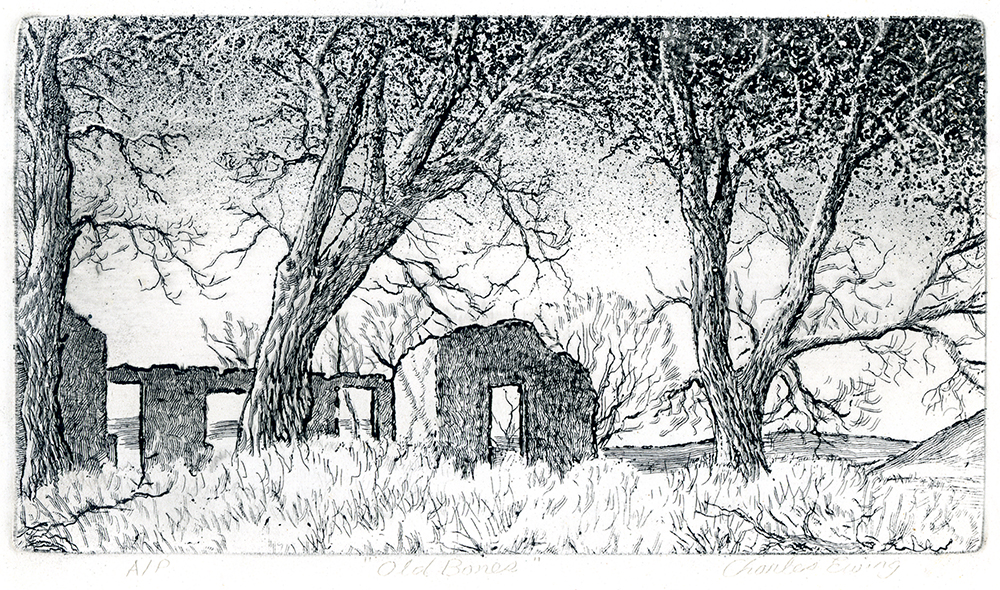
Printing etchings on Claybord or Aquabord by ampersandart.com
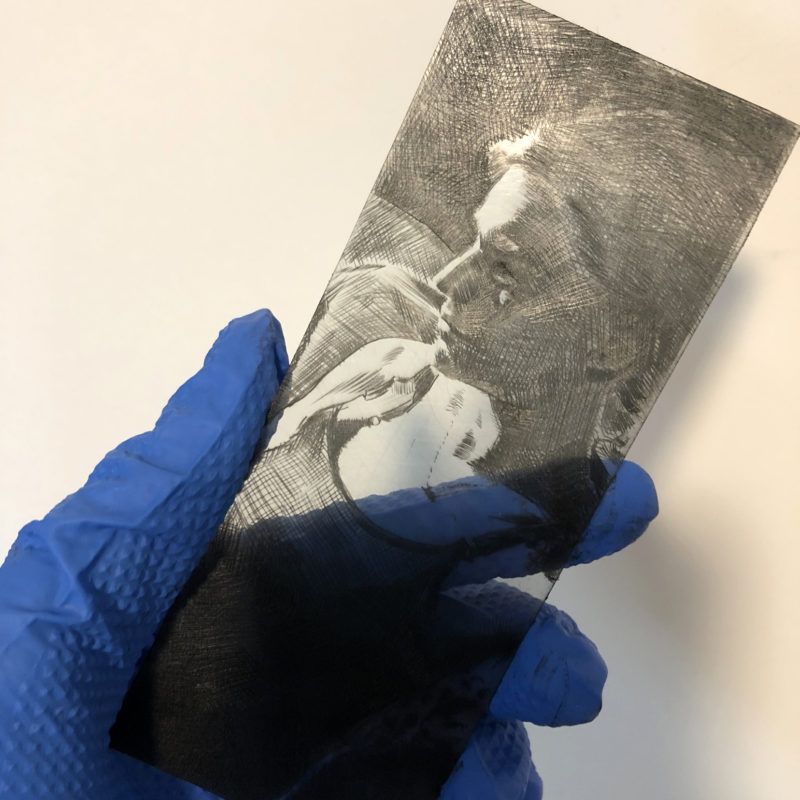
Drypoint Printing at Home without a Press (Part 1) - Belinda Del Pesco by belindadelpesco.com
Historical Significance of Etching
Historical importance in etching can be traced back to its ancient and medieval origins, revealing a rich tapestry of innovation and adaptation. Early techniques emerged in the Indus Valley, with etched carnelian beads serving trade purposes. Medieval artisans refined etching for armor and weapons, enhancing acid control. Daniel Hopfer’s adaptation of these methods to iron plates marked the shift to printmaking. The 16th century saw the use of copper for finer details, leading to notable artists like Rembrandt, who created etchings with rich textures. Etching’s method of making prints from a metal plate contributed greatly to limited edition books and the broader landscape of intaglio printmaking, showcasing its widespread industrial applications and its significance as an intaglio printmaking technique.
Techniques and Variations in Etching
Etching encompasses a variety of techniques and variations that expand its application in printmaking.
Key methods include aquatint, which allows for tonal gradations, and drypoint, known for its rich, textured lines. High contrast effects can be achieved through these methods, enhancing visual impact. Intaglio techniques are particularly significant in the etching process, as they involve cutting an image into a plate surface.
Mezzotint, another technique, creates deep, velvety blacks and smooth shifts, offering a unique aesthetic.
Each technique requires specific tools and materials, such as copper or zinc plates and an etching press.
Mastering these variations enables artists to explore diverse expressions within the medium, contributing to the richness of contemporary printmaking practices.
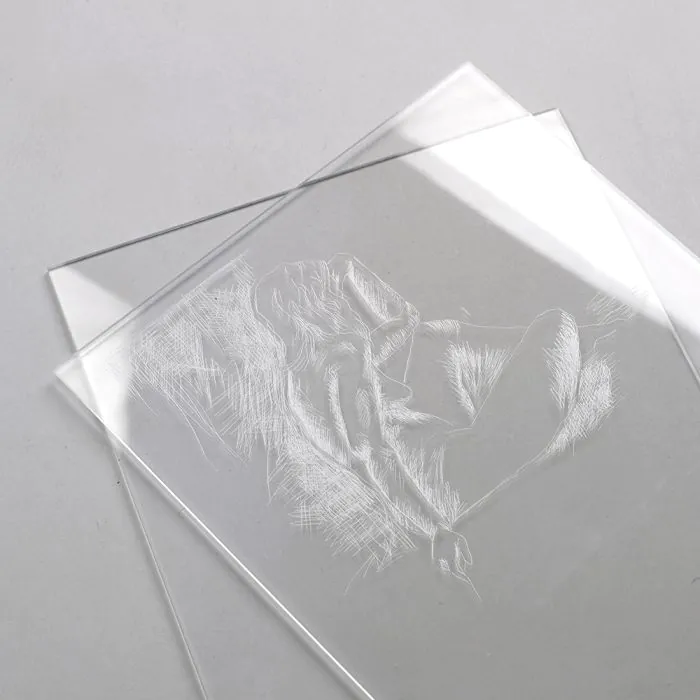
Acrylic Etching Plates by dryadeducation.co.uk
Popular Wiki Terms:
Modern Innovations in Etching
Recent advancements in etching techniques have greatly transformed the landscape of printmaking and semiconductor fabrication.
Plasma etching innovations, such as Lam Research’s Akara system, enhance precision and responsiveness, supporting the creation of advanced semiconductor devices.
Environmental sustainability efforts prioritize low-global warming potential chemistries, markedly reducing harmful emissions.
High-aspect-ratio etching techniques enable vertical stacking for 3D NAND architectures, maintaining sidewall integrity while suppressing undercut.
Advanced process control, utilizing machine learning and in situ monitoring, optimizes etching parameters for consistency and efficiency.
These innovations collectively aim to enhance manufacturing capabilities while minimizing the environmental impact associated with traditional etching methods.
References & Data Sources:
https://www.pcmproducts.com/blog/step-metal-chemical-etching-process/ – Retrieved March 27, 2025
https://www.metmuseum.org/about-the-met/collection-areas/drawings-and-prints/materials-and-techniques/printmaking/etching – Retrieved March 29, 2024
https://www.masteretching.com/chemical-etching-process – Retrieved December 29, 2024
https://en.wikipedia.org/wiki/Etching – Retrieved March 22, 2025
https://www.jacksonsart.com/blog/2022/05/12/etching-for-beginners-what-you-need-to-get-started/ – Retrieved March 29, 2025
https://www.tnlawrence.com/our-blog/beginners-guide-to-etching – Retrieved March 29, 2025
https://www.chemcut.net/blog/chemcuts-blog.-learn-about-etching-from-the-experts – Retrieved March 29, 2025
https://ampersandart.com/full/printing-etchings-on-claybord-or-aquabord – Retrieved March 29, 2025
https://www.belindadelpesco.com/drypoint-printing-at-home-without-a-press-part-1.html/ – Retrieved March 29, 2025
https://www.britannica.com/topic/etching-printing – Retrieved March 28, 2025
https://www.newworldencyclopedia.org/entry/Etching – Retrieved March 28, 2025
https://paceprints.com/techniques – Retrieved March 28, 2025
https://www.dryadeducation.co.uk/acrylic-etching-plates – Retrieved March 28, 2025