
Embossing Definition
Embossing is a manufacturing process that creates raised designs on substrates using paired male and female dies. A press applies controlled pressure, often combined with heat, to shape the material. Common substrates include paper, leather, and fabric. Embossing differs from debossing, which produces recessed patterns. Various techniques, such as heat and dry embossing, enable diverse design applications. The quality and effect depend on material type, pressure, and technique employed, offering insights into design possibilities.

Quick Summary
- Embossing is a printing technique that creates raised designs using paired male and female dies.
- It enhances the aesthetic appeal of materials like paper, leather, and fabric through texture.
- The process involves applying controlled pressure and sometimes heat to achieve the desired effect.
- Embossing differs from debossing, which produces recessed patterns instead of raised ones.
- This technique is commonly used in packaging and branding to convey quality and luxury.
Understanding the Embossing Process
Embossing is a precise manufacturing process that frequently utilizes paired dies, comprising a male die with a raised design and a female die with a corresponding recessed pattern.
The process involves an embossing press that applies controlled pressure, and in some cases heat, to the substrate, which can include materials such as paper, leather, or fabric. Surface finishing enhances the raised surface effect, while registered embossing guarantees accurate alignment of designs. This method creates a tactile texture, adding depth and visual interest to items like business cards and invitations, thereby elevating their aesthetic value and improving user experience. The quality of the embossed effect is influenced by the pressure intensity applied during the process. An effective embossing technique can significantly enhance branding perception, ultimately leading to increased customer loyalty and appreciation.
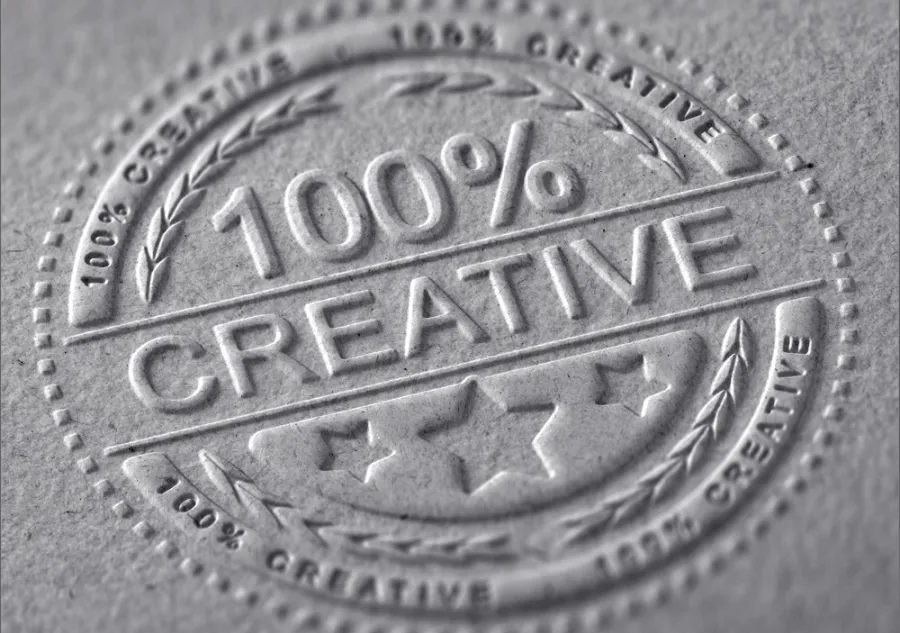
Printing Terminology: What is Blind Embossing? - Page 4 by colorvisionprinting.com
Differences Between Embossing and Debossing
While both embossing and debossing are techniques utilized in print finishing, they result in distinctly different visual and tactile outcomes.
Embossing creates raised designs, achieving a smooth, elevated appearance with depth variation. Alternatively, debossing produces recessed patterns, resulting in a sunken effect. Cold embossing can be executed without heat, making it suitable for heat-sensitive materials. Blind embossing, a specific form of embossing, enhances the tactile texture without the addition of ink or foil, emphasizing the physical impression alone. Both techniques serve different aesthetic purposes, with embossing generally conveying prominence and debossing offering subtlety, making them valuable tools in enhancing printed materials for various applications such as business cards and invitations. These techniques add sophistication and luxury to packaging, further elevating the overall design. Embossing typically incurs higher costs than debossing, which can influence the choice of technique for specific projects.
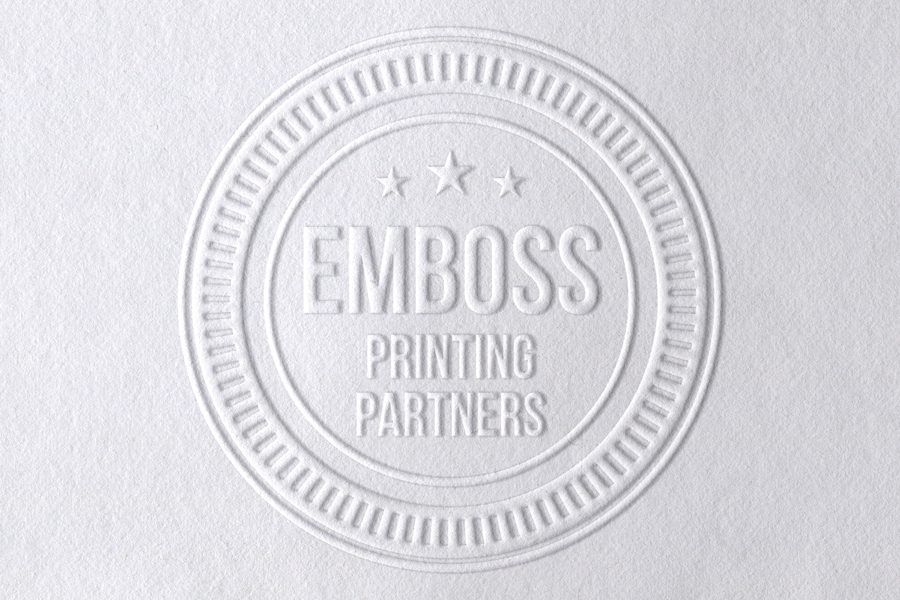
Embossing • Printing Partners by printingpartners.net
What is Embossed Print? by designprintdigital.com
Various Embossing Techniques
Various techniques exist within the domain of embossing, each offering unique methods and results in the enhancement of printed materials.
Heat embossing employs a heat source to melt embossing powder, achieving metallic finishes. This technique is particularly effective because it utilizes heat embossing techniques that create a raised design on various surfaces. This method adds texture and visual interest to projects, making it a popular choice among crafters. The use of specific dies can significantly influence the depth and quality of the embossed design, enhancing the overall visual appeal.
Dry embossing utilizes a stylus and dies, allowing for detailed patterns on various substrates.
Registered embossing aligns designs precisely for consistent results.
Combination embossing merges techniques for complex textures and effects.
Each method has material thickness limitations, impacting the choice of substrates.
Understanding these techniques enables artisans to select the appropriate approach for their projects, thereby enhancing the tactile and visual appeal of the final products.
Materials Suitable for Embossing
Choosing the appropriate materials for embossing is essential to achieving desired outcomes in both aesthetics and functionality.
Common materials suitable for embossing include paper, cardstock, and leather. Paper and cardstock offer versatility and are commonly used for invitations and business cards, allowing for varying depths and textures. Brass is the premier material for custom embossers due to its malleability, making it an excellent choice for intricate designs.
Leather, on the other hand, provides a luxurious finish and is often employed for high-end products like book covers and wallets. Each material presents unique characteristics, influencing the intricacy and durability of the embossed design.
Selecting the right substrate directly affects the overall quality and effectiveness of the embossing technique utilized.
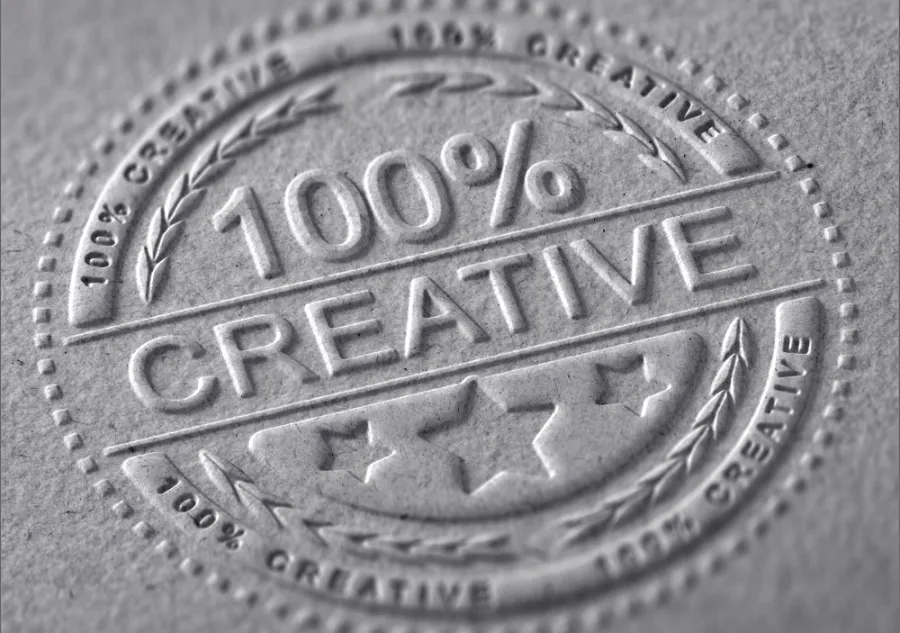
Emboss printing top by edima-67.com
Popular Wiki Terms:
Benefits of Embossing in Design and Packaging
Embossing offers significant benefits in design and packaging, enhancing both visual appeal and user interaction. It creates eye-catching designs with raised patterns that interact with light, increasing aesthetic appeal.
In business cards and packaging, embossing adds depth, guiding visual focus towards logos and essential elements. When combined with foil stamping, it produces bold effects that elevate product visibility on retail shelves.
The tactile texture of embossed surfaces fosters engagement, enhancing user experience. This technique differentiates brands by conveying quality and luxury, fundamentally influencing consumer perceptions and driving purchasing decisions in competitive markets.
References & Data Sources:
https://www.violintec.com/sheet-metal-and-stamped-parts/step-by-step-process-of-sheet-metal-embossing/ – Retrieved March 27, 2025
https://en.wikipedia.org/wiki/Paper_embossing – Retrieved March 29, 2024
https://phase1prototypes.com/art-embossing-process/ – Retrieved December 29, 2024
https://www.colorvisionprinting.com/blog/printing-terminology-what-is-blind-embossing?p=4 – Retrieved March 22, 2025
https://stampedwithlovexoxo.com/blogs/love-letters/embossing-vs-debossing – Retrieved March 29, 2025
https://pakfactory.com/blog/embossing-and-debossing-packaging/ – Retrieved March 29, 2025
https://www.furnells.com/blog/what-is-the-difference-between-embossed-and-debossed/ – Retrieved March 29, 2025
https://www.printingpartners.net/services/special-print/embossing/ – Retrieved March 29, 2025
https://www.designprintdigital.com/blog/what-is/what-is-print-series-what-is-embossing/ – Retrieved March 29, 2025
https://craftworld.com/cms/embossing-techniques-a-complete-guide-to-embossing/ – Retrieved March 28, 2025
https://jerwoodvisualarts.org/art-techniques-and-materials-glossary/embossing/ – Retrieved March 28, 2025
https://zevendesign.com/graphic-designers-guide-embossing/ – Retrieved March 28, 2025
https://stamprints.com/blogs/embosser/custom-embossing-material-guide – Retrieved March 28, 2025
https://edima-67.com/?e=237501015 – Retrieved March 28, 2025