
Offset Spot Varnish Definition
Offset spot varnish is a specialized printing technique that applies clear resin to selected areas of print media, creating a contrasting glossy effect against matte backgrounds. This method enhances design elements, improving the visual and tactile quality of printed materials. It is often used in business cards, packaging, and marketing materials, providing durability and moisture resistance. The process involves UV curing for rapid solidification, ensuring precise alignment without compromising substrate integrity. Further insights into its applications and benefits await exploration.

Quick Summary
- Offset Spot Varnish is a printing technique that applies clear resin to specific areas, creating a glossy contrast against matte backgrounds.
- It enhances design elements, providing a tactile finish that improves the overall impact of printed materials.
- Common applications include business cards, luxury packaging, and trading cards to emphasize logos and important features.
- The UV curing process allows for quick solidification of the varnish, ensuring ideal adhesion without damaging the substrate.
- This method offers durability, resistance to moisture and scratches, and is compatible with various substrates, including coated and uncoated options.
Definition of Offset Spot Varnish
Offset spot varnish refers to a specialized printing technique that applies a clear liquid resin over specific areas of a printed surface to create a contrasting glossy effect against matte backgrounds.
This process utilizes offset printing methods, allowing for precise application of the varnish to designated regions. Spot varnishing enhances design elements by providing a glossy finish that stands out visually and tactilely. It can significantly improve the overall impact of printed materials by incorporating spot color techniques that ensure vibrant colors are highlighted effectively. Also be aware that adding varnish provides a glossy appearance that enhances visual appeal and draws attention to the chosen design features. Also, this technique can create structures that add depth and dimension to the design. Nevertheless, it requires careful management of registration issues to guarantee accurate alignment of varnish layers with underlying inks. The technique can utilize various substrates and is often tailored to meet specific brand requirements through custom formulations.

What is Spot UV Printing? by primoprint.com
Applications in Printing
The application of offset spot varnish in printing serves various functional and aesthetic purposes across multiple products.
It is commonly employed on business cards and folding cartons, enhancing the visual appeal with glossy accents on coated paper. By utilizing a varnish unit, printers can create raised texture effects that distinguish logos and headers. This technique is particularly effective in luxury product packaging, where it conveys quality and sophistication. Trading cards and custom boxes benefit from spot varnish, highlighting design elements without compromising the overall texture. The precision of printing plates guarantees accurate registration, enhancing the final product’s impact. UV Coating offers a more durable and protective finish, making it ideal for items that require extra resilience against wear and tear. The inclusion of spot UV in print designs adds shimmer and draws attention to key features, elevating the overall presentation. This method is also environmentally friendly due to the low volatility of the varnish used in the process.
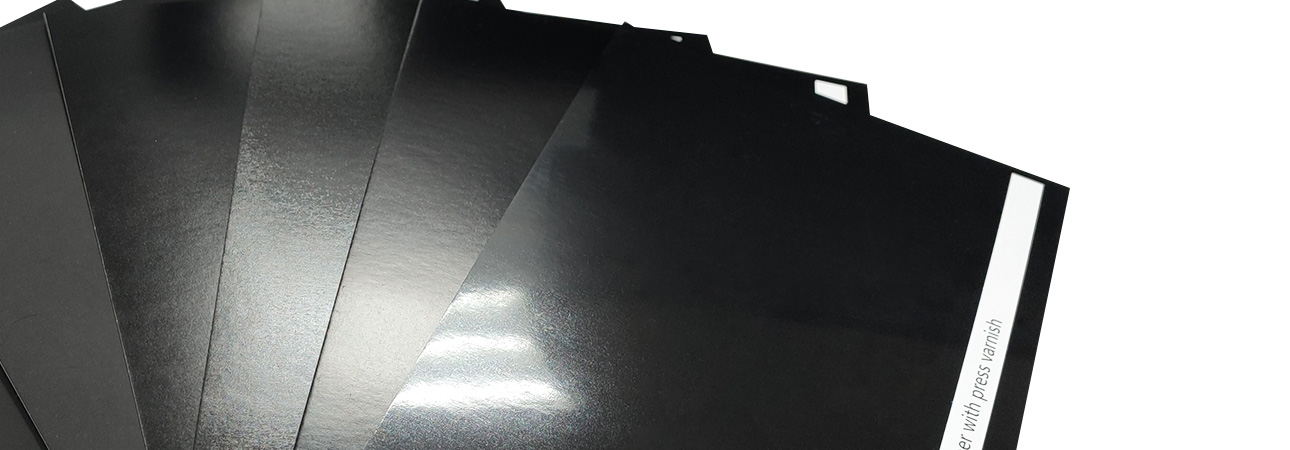
A Helpful Introduction to Varnishes and UV Coating for Printing by qinprinting.com
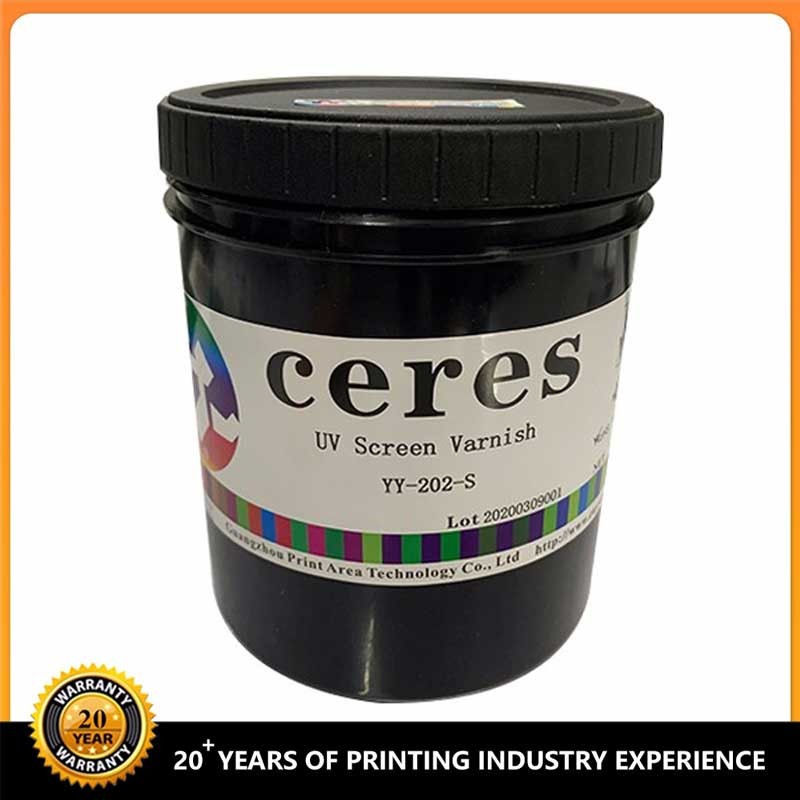
Supply Ceres Spot UV Varnish For Screen Printing Wholesale Factory ... by enyyink.com
Advantages of Using Spot Varnish
Utilizing spot varnish in printing offers significant advantages that enhance both the aesthetic quality and functional performance of printed materials. The use of an offset press allows for precision targeting, ensuring that specific areas receive UV coating without incurring full coating costs. This design flexibility enables complex gradients and layered effects. Spot varnish is most effective when applied on coated papers with minimal ink penetration, ensuring the best visual impact. Spot varnish also contributes to durability by providing moisture, scratch, and abrasion resistance, which is essential for high-touch items like business cards and packaging. Also, its ability to maintain higher print quality compared to traditional methods elevates the overall visual appeal of the printed materials. The luxury appeal of spot varnish enhances brand recognition, making it a valuable tool for creating eye-catching marketing materials. The use of UV inks in spot varnishing ensures maximum light fastness and chemical resistance, further enhancing the longevity of printed pieces.
The UV Curing Process
How does the UV curing process enhance the efficiency of spot varnishing in the printing industry? This process facilitates instant polymerization, allowing varnish to solidify within milliseconds and achieve a glossy finish. By implementing light intensity control, UV curing guarantees ideal adhesion without damaging the substrate. It differentiates between spot vs flood curing, applying targeted or full-sheet treatment as needed. Unlike traditional drying methods, UV curing avoids drying time variability and thermal expansion, preserving substrate integrity. As a VOC-free method, it also negates environmental concerns associated with aqueous coating, making it an effective choice for modern printing applications. Also, the UV varnish offers super high gloss and protection, enhancing the overall quality of printed materials.

How to Set up Spot Varnish for Offset Printing - PGprint by pgprint.com
Popular Wiki Terms:
Compatibility With Various Substrates
Compatibility with various substrates is a critical factor in the effectiveness of offset spot varnishing. This technique exhibits universal compatibility with both uncoated paper and coated substrates.
UV varnish suitability extends to treated and untreated surfaces, enhancing durability and aesthetic appeal. Various finishes, including matte finish options, are achievable, catering to different design requirements in packaging.
UV varnish enhances both treated and untreated surfaces, offering durability and a range of finishes for diverse packaging needs.
Water-based options are available for single or double-sided prints, providing environmentally friendly solutions. Specialized formulations can accommodate niche materials, ensuring ideal adhesion and performance.
This versatility allows for tailored applications across different industries and enhances the overall quality of printed products.
References & Data Sources:
https://www.vslprint.com/printing-nyc/offset/what-is-spot-color-in-offset-printing-a-complete-guide/ – Retrieved March 28, 2025
https://www.inkcups.com/blog/what-is-spot-varnish-in-uv-printing/ – Retrieved March 30, 2024
https://www.allaboutcards.de/en/plasticcards/finishings/spotlack – Retrieved December 30, 2024
https://www.primoprint.com/blog/what-is-spot-uv-printing-2/ – Retrieved March 23, 2025
https://www.qinprinting.com/varnishing/ – Retrieved March 30, 2025
https://mixam.com/support/spotuv – Retrieved March 30, 2025
https://www.enyyink.com/product/ceres-spot-uv-varnish-for-screen-printing – Retrieved March 30, 2025
https://www.thepremierprintgroup.com/blog/popular-coatings-for-commercial-offset-printing – Retrieved March 30, 2025
https://www.wecustomboxes.com/blog/what-is-spot-uv/ – Retrieved March 30, 2025
https://www.hdruck.com/en/uv-print-advantages/ – Retrieved March 29, 2025
https://www.printcraft.com.au/post/varnish-aqueous-or-uv-coating-what-is-the-difference-which-should-i-use – Retrieved March 29, 2025
https://www.pgprint.com/blog/set-up-spot-varnish-offset-printing/ – Retrieved March 29, 2025