
Engraving Definition
Engraving is the process of incising designs, text, or images onto hard surfaces, primarily metals. It creates permanent marks through material removal rather than applying ink. Various techniques include hand engraving, rotary engraving, and chemical etching, each suited for specific applications. Historically significant, it has served both aesthetic and functional purposes across cultures. Common materials include wood, plastics, metals, glass, and stone, depending on the desired application and quality. More insights into engraving’s significance and applications follow.

Quick Summary
- Engraving is the process of incising designs or text onto hard surfaces, primarily metals, through material removal.
- Common techniques include hand engraving, rotary engraving, etching, and drypoint, each serving specific artistic or industrial needs.
- Engraving has historical significance, evolving from ancient carving practices to a respected art form during the Renaissance.
- Materials used in engraving include wood, plastics, metals, glass, and stone, each influencing the final aesthetic and durability.
- Industrial applications of engraving span automotive, medical, and jewelry sectors, enhancing identification, branding, and personalization.
Definition and Purpose of Engraving
Engraving is a process involving the incising of designs, text, or images onto a hard surface, primarily metals, for various practical and artistic purposes.
Historically, intaglio techniques evolved from ancient carvings, showcasing craftsmanship through the use of tools such as the burin. This method allows for fine detail, creating permanent marks by removing material rather than applying ink. Engraving serves multiple functions, from decorative enhancement on jewelry and weapons to marking identity on personal items. The precision in engraving achieved through modern methods such as laser engraving significantly enhances the quality of intricate designs. Engraving techniques, including early man incised images, are foundational to the evolution of this art form. The history of engraving dates back to 540,000 to 430,000 years ago, highlighting its longstanding significance in human culture.
Modern applications include industrial printing and award commemoration, facilitated by the engraving press, which guarantees precision and consistency in the resulting designs.
Engraving Techniques and Methods
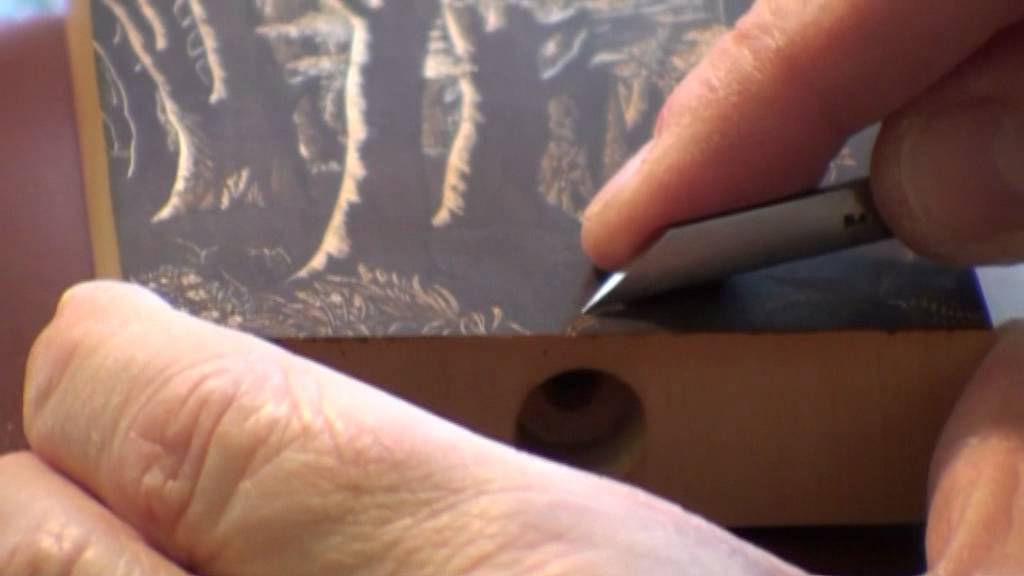
Various techniques and methods are employed in the engraving process, each offering distinct advantages and applications. Hand engraving utilizes tools like burins and gravers to create intricate designs on soft metals, though its high cost of production and labor intensity limits scalability. Traditional carving methods often produce detailed and artistic pieces, showcasing the engraver’s skill despite being time-consuming. Additionally, hand engraving produces unique, non-duplicable masterpieces, making it ideal for custom projects. Rotary engraving, on the other hand, employs spinning cutters for hard metals, plastics, and glass, making it suitable for industrial tasks. Etching and drypoint are additional techniques that involve chemical or manual processes for detailed imagery. Each method serves specific needs, from luxury jewelry to nameplates, highlighting the versatility and skill involved in engraving. These engraving techniques have historical significance, establishing intaglio printing as a vital part of artistic reproduction.
Historical and Cultural Significance
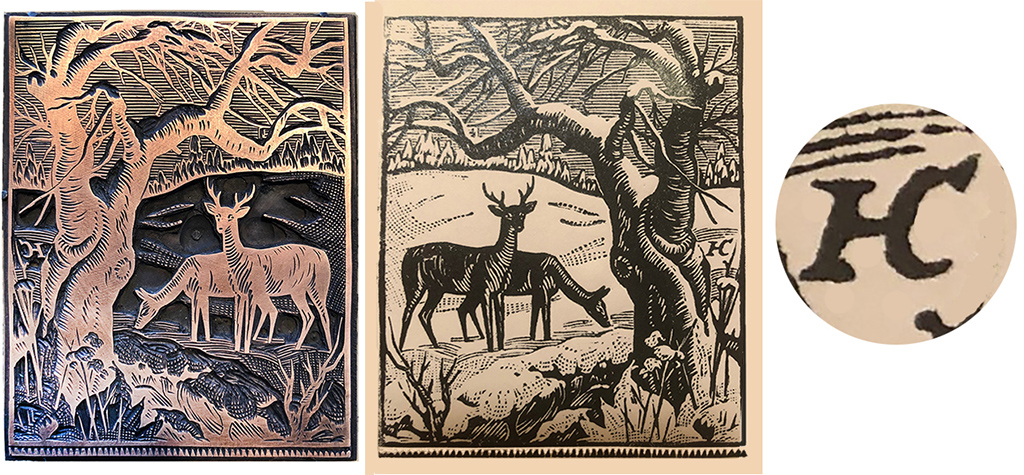
Throughout history, the art of engraving has played a significant role in various cultures, serving both functional and aesthetic purposes. Ancient civilizations utilized techniques such as intaglio to create designs on gemstones and metalwork. In the Middle Ages, goldsmiths advanced engraving on copper plates, leading to the registration of designs. The Renaissance saw masters elevate engraving to an art form, while the Industrial Age introduced steel and zinc plates for large-scale production. Albrecht Dürer is recognized for his unmatched engraving skills, which exemplify the high level of artistry achieved during this period. The first engraving, dated between 540,000 to 430,000 years ago, showcases the ancient origins and evolving nature of this art form. Also, the discovery of the Java Shell reveals that engraving techniques date back even further, highlighting humanity’s long-standing connection to this craft.
Engraving also laid the foundation for embossing, enhancing decorative applications. Each evolution reflects societal values, illustrating engraving’s enduring significance in art, commerce, and communication throughout time.
Common Materials Used in Engraving
The choice of materials in engraving greatly influences the quality and application of the final product.
Wood, particularly hardwoods like oak, yields crisp, detailed engravings suitable for personalized gifts. CO2 lasers are ideal for engraving wood, ensuring a clean finish.
Plastics, such as acrylic, provide durability and clarity, ideal for signage and awards.
Metals like stainless steel are favored for their longevity in security documents and nameplates.
Glass and stone offer unique aesthetic qualities, with marble and granite presenting textured surfaces for decorative purposes.
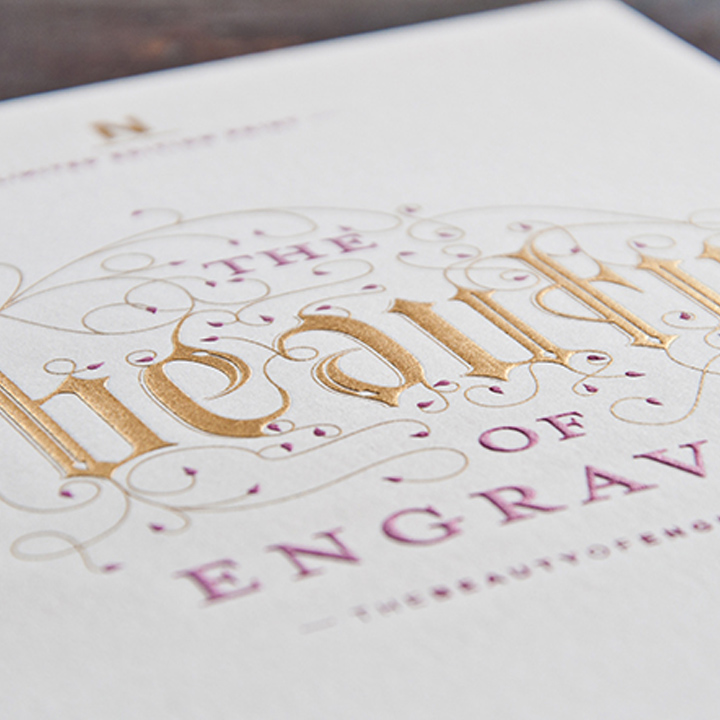
Each material contributes to the raised ink lines and overall appeal of high-end stationery, necessitating careful selection based on intended use and desired outcomes.
Popular Wiki Terms:
Industrial Applications of Engraving
Engraving serves a multitude of industrial applications across various sectors, leveraging its precision and permanence.
In the automotive and aerospace industries, vehicle part marking with laser engraving guarantees traceability through logos and serial numbers.
Medical device identification utilizes engravings for compliance and safety, while component labeling in electronics features essential identifiers for quality control.
Personalized engravings are prevalent in the jewelry and craft industries, enhancing product uniqueness.
Engraving also plays a crucial role in advertising, providing durable signage and branding solutions.
Its versatility guarantees that it meets the rigorous demands of diverse industrial environments effectively.
References & Data Sources:
https://www.josephjewelry.com/guide/glossary/Engraving – Retrieved March 27, 2025
https://blog.blumberg.com/index.php/2017/10/16/what-is-engraving/ – Retrieved March 29, 2024
https://en.wikipedia.org/wiki/Engraving – Retrieved December 29, 2024
https://www.lunyeecnc.com/blogs/faq/what-is-the-best-engraving-method – Retrieved March 22, 2025
https://www.xtool.com/blogs/how-to/engrave-metal – Retrieved March 29, 2025
https://www.audubonart.com/what-is-an-engraving-a-guide-to-intaglio-printmaking-techniques/ – Retrieved March 29, 2025
https://www.metmuseum.org/essays/the-printed-image-in-the-west-engraving – Retrieved March 29, 2025
https://www.jewel-craft.com/2022/06/08/the-extraordinary-history-of-engraving/ – Retrieved March 29, 2025
https://engraversmanchester.co.uk/the-art-of-engraving/ – Retrieved March 29, 2025
https://omtechlaser.com/blogs/tips/selecting-suitable-materials-for-your-laser-engraver – Retrieved March 28, 2025