
Soft-Touch Coating Definition
Soft-touch coating is a specialized finishing process applied to various substrates, including paper, plastic, and metal, that creates a velvety, matte texture. This coating enhances aesthetics and tactile experience while providing protection against scratches, fingerprints, and moisture. It is typically formulated with eco-friendly, water-based solutions. Application techniques include water-based coatings, UV-curable options, and integration during printing. The coating’s performance characteristics influence durability and customer perception, signaling a premium product quality. Further details on its versatility and applications can provide additional insights.

Quick Summary
- Soft-touch coating is a specialized finishing process that creates a velvety, matte texture on various substrates like paper, plastic, and cardstock.
- It enhances aesthetics and tactile experience while providing protection against scratches, fingerprints, and moisture.
- The coating improves product durability and longevity, making it ideal for premium packaging and luxury items.
- Eco-friendly, water-based formulations are available, reducing VOC emissions and aligning with sustainable practices.
- Soft-touch coatings can be applied using various techniques, including rollers, sprayers, and UV-curable methods for enhanced performance.
Definition and Benefits of Soft-Touch Coating
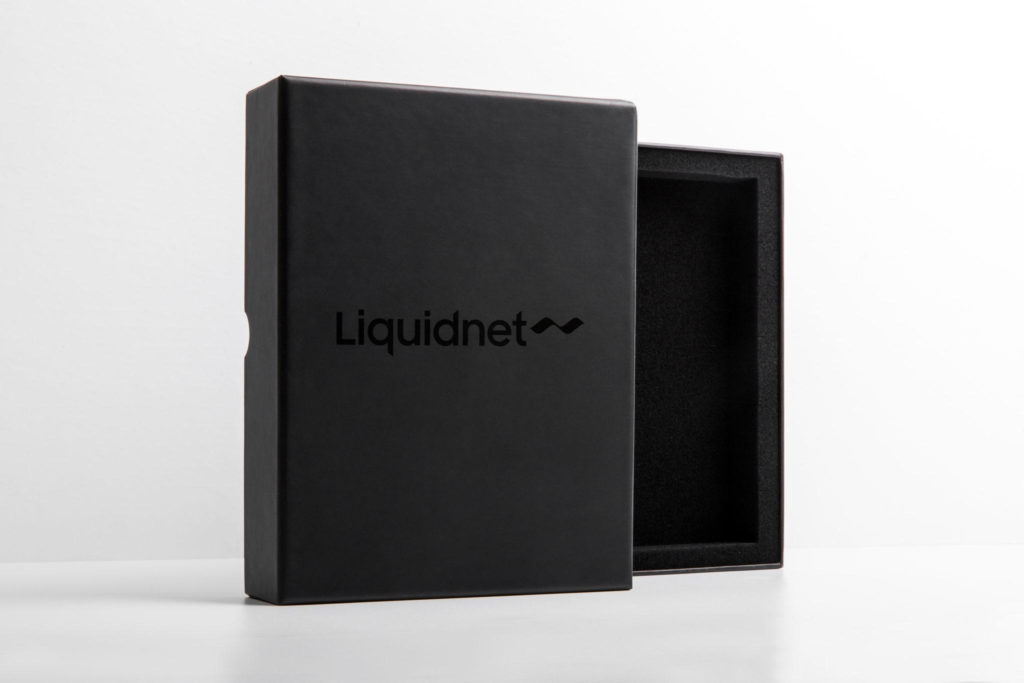
Soft-touch coating is a specialized finishing process applied to various substrates such as paper, cardstock, and plastic to create a velvety, matte texture.
Soft-touch coating transforms surfaces with a luxurious matte texture, enhancing both aesthetics and tactile experience.
This technique enhances sensory engagement, providing a luxurious feel conducive to premium branding. It acts as a protective barrier against scratches, fingerprints, and moisture, preserving surface quality in diverse applications. Soft-touch coating offers improved durability that enhances the longevity of the products it is applied to. The matte finish offers tactile differentiation, making products stand out in competitive markets. Also, it is a cost-effective option as it doesn’t require extra film during application. Soft-touch coating maintains color vibrancy and resists wear, extending product lifespan. Also be aware that it is resistant to fingerprints and scuff marks, ensuring that the products retain their pristine appearance.
Its eco-friendly, water-based formulations align with sustainable practices, promoting responsible production without compromising quality or design integrity.
Soft Touch Coating Vs Soft Touch Lamination For Packaging ... by pakfactory.com
Application Techniques for Soft-Touch Coating
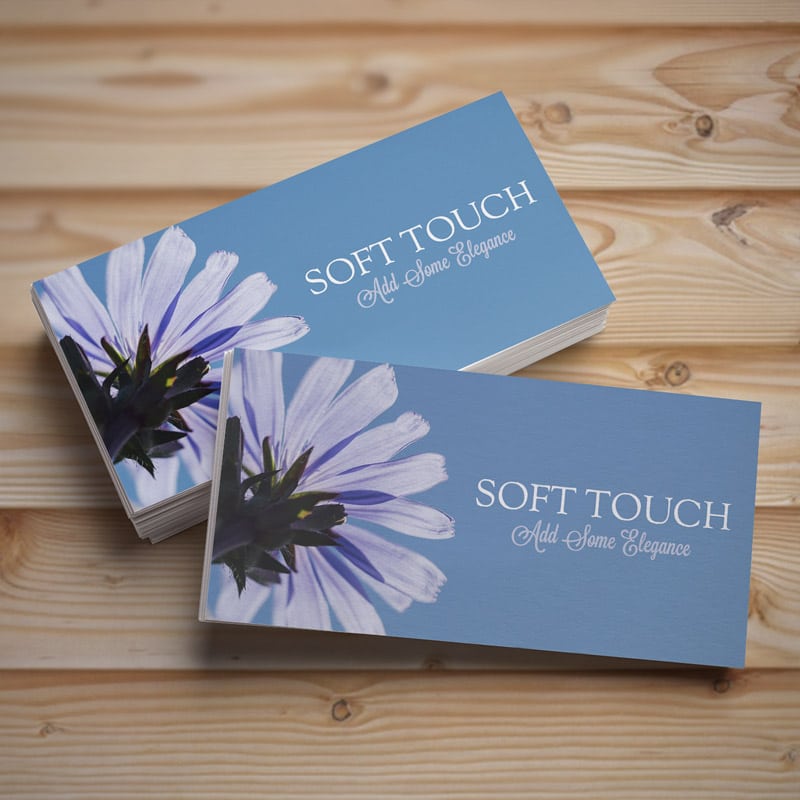
Application techniques for soft-touch coating involve various methods tailored to the specific requirements of the substrate. Water-based coatings are typically applied using rollers or sprayers, producing a matte or satin finish. For enhanced durability, UV-curable coatings utilize a UV curing unit to harden, resulting in superior scratch resistance. Liquid or spray applications are suitable for flexible substrates like plastic, achieving a smooth, rubber-like texture. Inline integration during the printing process streamlines production, while anilox roller specifications are essential for consistent thickness and texture. These techniques guarantee the creation of a soft-touch coating with a non-reflective surface for various applications, making soft touch coating an increasingly popular choice across multiple industries. The challenge of balancing soft feel with performance attributes is crucial for ensuring product effectiveness.
Soft Touch Print Solutions Seattle: Soft Touch Printing ... by alphagraphicsseattle.com
Soft Touch Coating Vs Soft Touch Lamination For Packaging ... by pakfactory.com
Performance Characteristics of Soft-Touch Coating
The performance characteristics of soft-touch coating are fundamentally determined by the material properties, durability, surface characteristics, and environmental functionality.
Material properties such as Young’s modulus and cross-link density influence the tactile experience and chemical resistance. While softer coatings provide a pleasing texture, they often compromise durability, exhibiting diminished scratch and abrasion resistance. Scratch and wear resistance is crucial for preserving the aesthetic appeal over time, ensuring that products maintain their visual and functional integrity. The integration of soft-touch coatings can enhance customer experience and potentially allow for a premium pricing strategy.
Material properties like Young’s modulus and cross-link density affect tactile experience and durability, balancing texture with scratch resistance.
Surface characteristics include a matte finish that enhances color depth and a velvet-like texture that improves grip. The integration of PTFE waxes can enhance mar resistance, ensuring that the aesthetic appeal is maintained over time, even in challenging environments.
This balance is essential for various applications.
Environmental Considerations of Soft-Touch Coating
How do environmental considerations influence the selection of soft-touch coatings in various applications? The shift to eco-friendly formulations plays a critical role.
Water-based coatings greatly reduce VOC emissions compared to traditional solvent-based systems, aligning with stringent regulations. UV-cured coatings eliminate solvents and incorporate renewable resources, enhancing sustainability. Biodegradable aqueous coatings, such as Zenpack’s 100% biodegradable water-based formulas, mitigate harmful chemical residues. Conversely, non-biodegradable options may persist in landfills, releasing contaminants. The inclusion of eco-friendly innovations in soft-touch coatings not only improves environmental responsibility but also elevates consumer appeal. Therefore, selecting a soft-touch coating involves evaluating its environmental impact, prioritizing options that promote air quality and minimize ecological harm while ensuring product performance. The use of no coating remains the most sustainable option for those prioritizing recyclability.
Soft Touch Coating by pakfactory.com
Versatility of Soft-Touch Coating Across Materials
Soft-touch coating demonstrates remarkable versatility across a range of materials, enhancing both aesthetic appeal and tactile experience.
Its material adaptability allows effective application to paper, cardboard, plastic, metal, and wood, ensuring a cohesive tactile response. Customization options include varying thicknesses and additives, enabling tailored performance for specific applications. The balance between aesthetic and functional qualities is evident in uses such as automotive interiors, medical devices, and luxury packaging. Additionally, the soft touch effect in UV-cured variants provides heat resistance, making them suitable for electronics.
This versatility underscores soft-touch coating’s ability to meet diverse industry demands while maintaining visual integrity and user comfort.
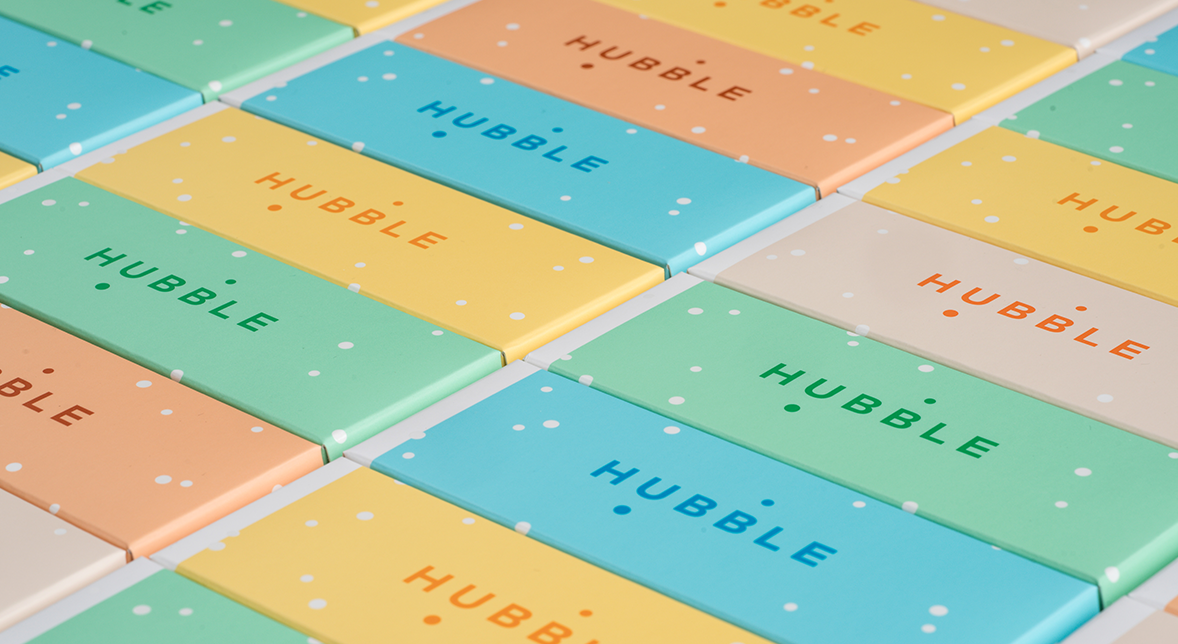
Soft-Touch Coating vs Soft-Touch Lamination - Netpak Packaging Inc. by netpak.com
Popular Wiki Terms:
The Role of Soft-Touch Coating in Luxury Branding
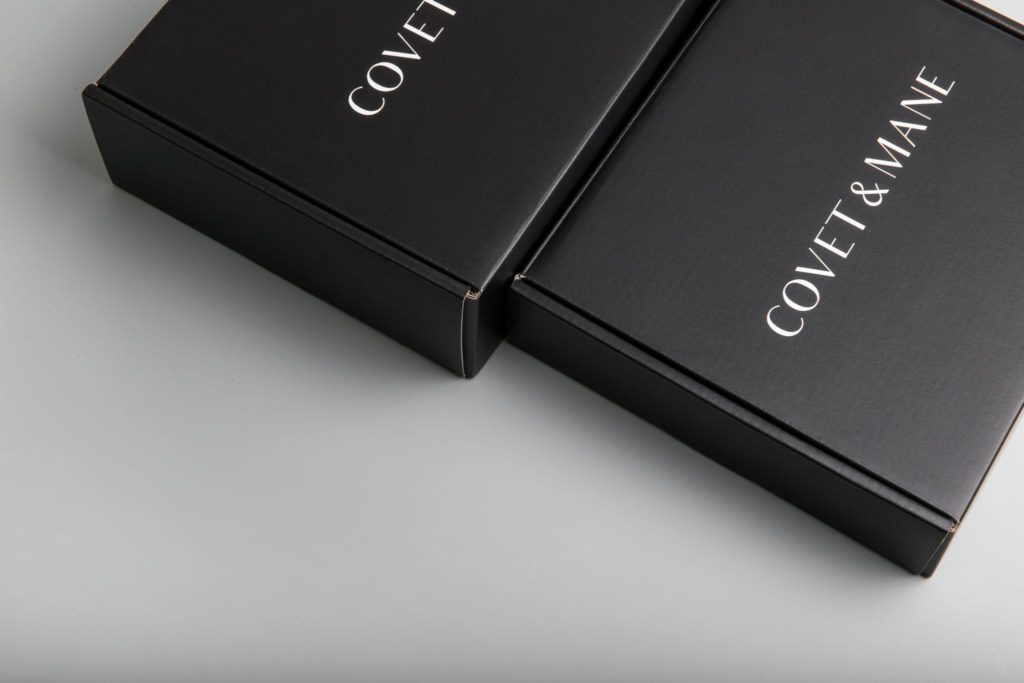
In luxury branding, the application of soft-touch coating plays a critical role in establishing a premium perception of products. This coating provides a velvety texture that enhances tactile experience, differentiating luxury items from standard offerings.
It fosters memorable unboxing experiences, reinforcing brand identity through sensory stimuli. The unique tactile profiles created by soft-touch coating evoke associations with high-end products, enhancing emotional value.
It guarantees product durability and longevity, preserving the pristine appearance during handling. Overall, soft-touch coating aligns seamlessly with luxury branding, contributing to cohesive aesthetics and elevating consumer engagement through tactile interaction.
References & Data Sources:
https://www.customproductpackaging.com/blog/soft-touch-coating – Retrieved March 28, 2025
https://www.thecustomboxes.com/blog/soft-touch-coating-and-soft-touch-lamination/ – Retrieved March 30, 2024
https://pakfactory.com/blog/soft-touch-coating-vs-soft-touch-lamination/ – Retrieved December 30, 2024
https://www.optamark.com/blog/what-is-soft-touch-coating-why-is-it-so-popular/ – Retrieved March 23, 2025
https://www.paint.org/coatingstech-magazine/articles/formulating-soft-touch-coatings-balancing-act/ – Retrieved March 30, 2025
https://www.alphagraphicsseattle.com/print/print-solutions/soft-touch/ – Retrieved March 30, 2025
https://www.pcilabsus.com/soft-touch-coatings/ – Retrieved March 30, 2025
https://uvebtech.com/articles/2016/most-recent-developments-in-uv-curable-soft-touch-coatings/ – Retrieved March 30, 2025
https://corkindustries.com/why-use-soft-touch-haptic-coatings/ – Retrieved March 30, 2025
https://www.zenpack.us/blog/paperboard-coatings-sustainability-impact/ – Retrieved March 29, 2025
https://pakfactory.com/soft-touch-coating.html – Retrieved March 29, 2025
https://www.wadpack.com/the-difference-between-soft-touch-coating-and-soft-touch-lamination/ – Retrieved March 29, 2025
https://www.netpak.com/soft-touch-coating-vs-soft-touch-lamination/ – Retrieved March 29, 2025