
Thermographic Definition
Thermography, or infrared thermography, is a non-contact method for measuring temperature using infrared radiation. It operates within the wavelength range of 9-14 µm, reliant on principles like Planck’s law. It is instrumental in various fields, including predictive maintenance, building inspections, and medical diagnostics. The accuracy of results can be affected by factors such as emissivity and environmental conditions. Understanding its applications and limitations enhances its effectiveness and reliability in thermal inspections, offering insights into its broader implications.

Quick Summary
- Thermographic refers to the use of infrared imaging to visualize temperature variations in objects without direct contact.
- This technique relies on infrared radiation emission, primarily in the 9-14 µm range for temperature measurement.
- Thermography is widely used for predictive maintenance, building inspections, medical assessments, and transportation safety.
- The accuracy of thermographic imaging can be affected by factors such as emissivity, environmental conditions, and operator expertise.
- Various types of thermal cameras are available, categorized by wavelength, including short-wave, mid-wave, and long-wave options.
Understanding Infrared Thermography
Infrared thermography is a non-contact measurement technique that relies on the emission of infrared (IR) radiation from objects to determine their temperature. All materials emit IR radiation above absolute zero, making it feasible for thermal imaging applications. The emitted IR radiation typically spans 9-14 µm and is governed by Planck’s law and Stefan-Boltzmann’s law. Emissivity, a critical factor, varies from 0 to 1 and depends on surface properties like composition and texture. This variability can affect measurement accuracy, necessitating corrections during analysis. Real objects deviate from the black body model, impacting measurement accuracy, which highlights the importance of understanding emissivity in thermal assessments. Thermal cameras and pyrometers are common tools, enabling precise temperature assessments in diverse contexts while maintaining safety and efficiency. Modern thermographic cameras can achieve lower minimum resolvable temperature differences (MRTD) than older models, enhancing their accuracy and usability. Also, recent advancements in medical infrared technology have significantly improved the accuracy of thermal imaging, allowing for better detection of heat and vascularity patterns.
What is Thermography by downey.co.uk
Key Applications of Thermographic Imaging
Thermographic imaging serves a wide range of applications across various industries, leveraging the principles of infrared thermography for practical solutions.
In the domain of predictive maintenance, this technology identifies overheating components in electrical systems and monitors mechanical equipment for potential failures. Thermography’s ability to measure emitted thermal radiation allows for non-invasive assessments, enhancing the reliability of maintenance protocols. Also, thermal imaging cameras are essential for capturing the infrared radiation emitted by objects, enabling accurate temperature measurements. It is utilized in border patrol to enhance surveillance capabilities along borders, improving detection of potential trespassers.
Building inspection benefits from heat detection, locating insulation gaps and moisture issues.
Building inspection utilizes thermographic imaging to effectively identify insulation gaps and moisture problems.
Medical thermography plays a critical role in diagnosing conditions such as vascular diseases and monitoring wound healing.
Thermographic imaging enhances safety in transportation by detecting anomalies in tire temperatures and supporting advanced collision avoidance systems.
Each application underscores its value in promoting efficiency and safety.

Thermography - Raised Printing by swiftcopy.com
What is Thermography by downey.co.uk
Types of Thermal Imaging Equipment
A variety of thermal imaging equipment exists to meet diverse industrial and scientific needs.
Thermal cameras come in three primary types based on wavelength. Short-wave cameras operate at 0.9–1.7 μm, offering high-resolution imaging. Mid-wave cameras function within 2–5 μm, ideal for applications involving extreme temperatures, such as boilers and roofing. Long-wave cameras, operating at 7–12 μm, experience minimal atmospheric interference. QWIP detectors enhance sensitivity in LWIR systems, while uncooled microbolometers provide effective thermal radiation detection. These devices facilitate non-invasive diagnostics, enabling accurate assessment of heat signatures through infrared radiation sensors, thereby serving various sectors efficiently. This technology is crucial for preventive maintenance in industrial settings, enhancing operational efficiency and safety by detecting abnormal heat patterns. Also, the ability to visualize thermal energy emitted by objects allows for improved diagnostics and monitoring across multiple applications.
Industry Standards for Thermal Inspections
Industry standards for thermal inspections play a pivotal role in ensuring the accuracy and reliability of thermal imaging assessments across various applications. ASTM, ISO, and Canadian standards provide guidelines for temperature mapping and hot spot detection, ensuring thermal efficiency in building envelopes and electrical inspection. For instance, ASTM C 1060 requires a 10°C temperature differential for evaluating insulation, while ISO 6781 mandates a 10°C air-to-air drop pre-inspection. NFPA 70B emphasizes regular inspections of electrical equipment to identify thermal anomalies. These standards underpin the effective identification of issues, fostering safety and performance in diverse environments. Adhering to proper procedures validated by professionals in the field enhances the credibility and reliability of thermal inspections.
Speciality Print & Finishing - Priority Press by priority-press.com
Limitations and Challenges in Thermography
Limitations and challenges in thermography greatly impact its effectiveness and reliability in various applications.
Environmental factors, such as humidity and solar loading, can interfere with accurate readings. Surface temperature readings may be skewed by reflective surfaces or low emissivity materials, complicating energy loss detection.
Sensor limitations, including outdated resolution and battery capacity, restrict operational efficiency. The presence of untrained operators can lead to misinterpretation of thermal patterns, further undermining diagnostic accuracy.
As a result, addressing these challenges is essential to enhance the reliability of thermographic inspections and achieve better insights into thermal gradients and energy loss detection.
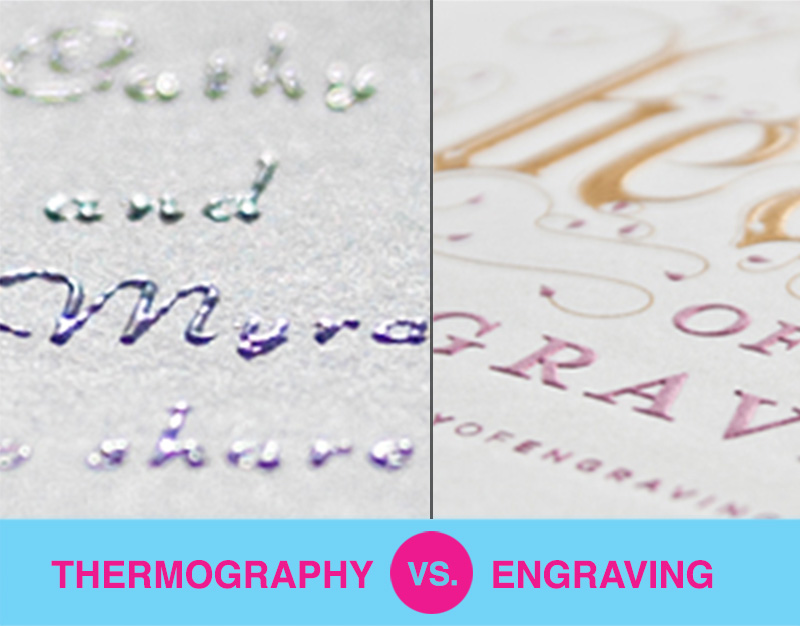
RAISED-PRINT THERMOGRAPHY IN PHOENIX by graphicideals.com
Popular Wiki Terms:
Best Practices for Effective Thermal Inspections
Effective thermal inspections require adherence to established best practices to guarantee accurate and reliable results.
Proper training and certification are essential, including knowledge of infrared physics and thermal image interpretation. Equipment selection should focus on high-resolution thermal cameras with appropriate calibration and maintenance.
Pre-inspection preparation involves cleaning surfaces and ensuring environmental stability.
Systematic inspection procedures must include mechanical inspections and heat flow analysis using both passive and active thermography techniques.
Finally, data analysis and reporting should document thermal images, annotate anomalies, and comply with industry standards, promoting effective communication of findings to stakeholders.
References & Data Sources:
https://www.infratec-infrared.com/thermography/service-support/glossary/theory/ – Retrieved March 28, 2025
https://en.wikipedia.org/wiki/Thermography – Retrieved March 30, 2024
https://www.bodylifeimaging.com/what-is-thermography – Retrieved December 30, 2024
https://www.downey.co.uk/blog/44/all-about-thermographic-printing – Retrieved March 23, 2025
https://www.orglmeister.de/en/what-is-thermography/ – Retrieved March 30, 2025
https://atriainnovation.com/en/blog/thermography-what-it-is-and-what-it-is-used-for/ – Retrieved March 30, 2025
https://www.pulsar-nv.com/glo/support/thermal-imaging-technologies/the-fields-of-application-of-thermal-imaging-technology/2371/ – Retrieved March 30, 2025
https://swiftcopy.com/Thermography-raised-printing.php – Retrieved March 30, 2025
https://sensorpartners.com/en/knowledge-base/infrared-heat-imaging-cameras-working-and-types/ – Retrieved March 30, 2025
https://www.thesnellgroup.com/featured-tips/infrared-related-standards-evaluating-building-thermal-performance – Retrieved March 29, 2025
https://www.priority-press.com/speciality-print-finishing/ – Retrieved March 29, 2025
https://graphicideals.com/business-cards/raised-print-thermography-tips/ – Retrieved March 29, 2025