
Wheatpaste Posters Definition
Wheatpaste posters are temporary public artworks created using a flour-based adhesive made from wheat flour and water. This method can be traced back to Ancient Egypt, evolving for various uses throughout history, including urban advertising in the 19th century. Artists use wheatpaste for mass production of designs, fostering community engagement and transforming public spaces. These posters are cost-effective, easy to apply and remove, and serve as tools for cultural expression and dialogue in urban environments. Further exploration reveals deeper implications of this art form.
Definition and Historical Background
Wheatpaste posters are a form of temporary public artwork created using a flour-based adhesive known as wheatpaste. This adhesive has ancient origins, initially utilized in Ancient Egypt for bookbinding and papyrus adhesion.
Wheatpaste posters blend ancient techniques with modern expression, creating impactful temporary art in urban spaces.
Over time, its cultural function expanded to include applications in medieval Europe for découpage and collage. By the 19th century, wheatpaste became a commercial tool for urban advertising. The wheat starch paste is favored in fine arts for preparation and presentation, making it a popular choice among contemporary artists.
The 20th-century evolution saw its adoption by counterculture movements and artists seeking non-destructive mural alternatives. Today, wheatpaste posters serve as a medium for activism, artistic expression, and community engagement, reflecting contemporary societal issues and identities in urban environments. This medium is particularly valued for its impermanence, allowing artists to transform public spaces without lasting impact on the environment. Also, over 70% of urban street art now utilizes wheatpaste, highlighting its significance in contemporary culture.
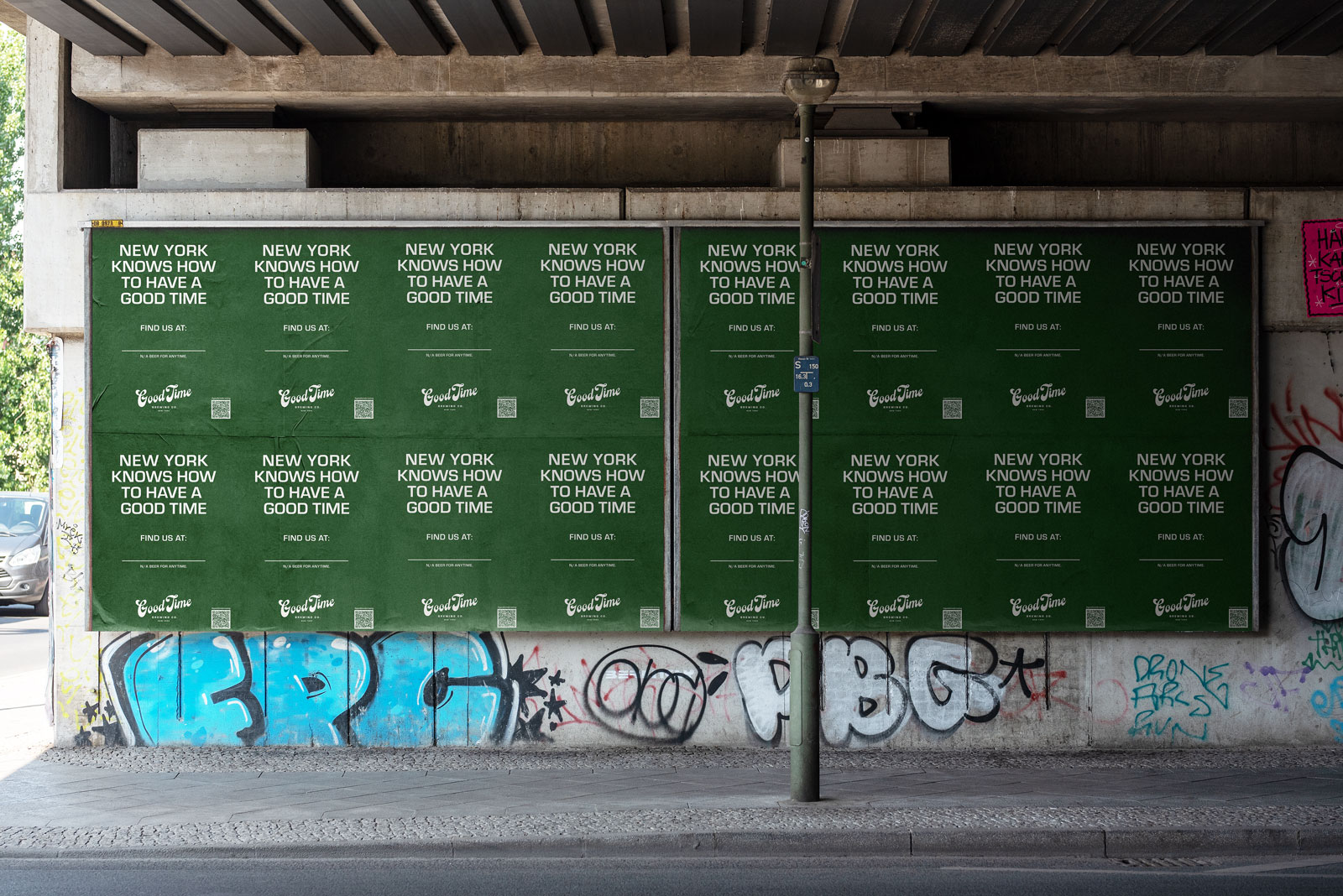
Wheatpaste Posters in New York, NY by Wheatpaste Posters.

Wheatpaste installation for Krave Beauty by WHEAT/PASTE.
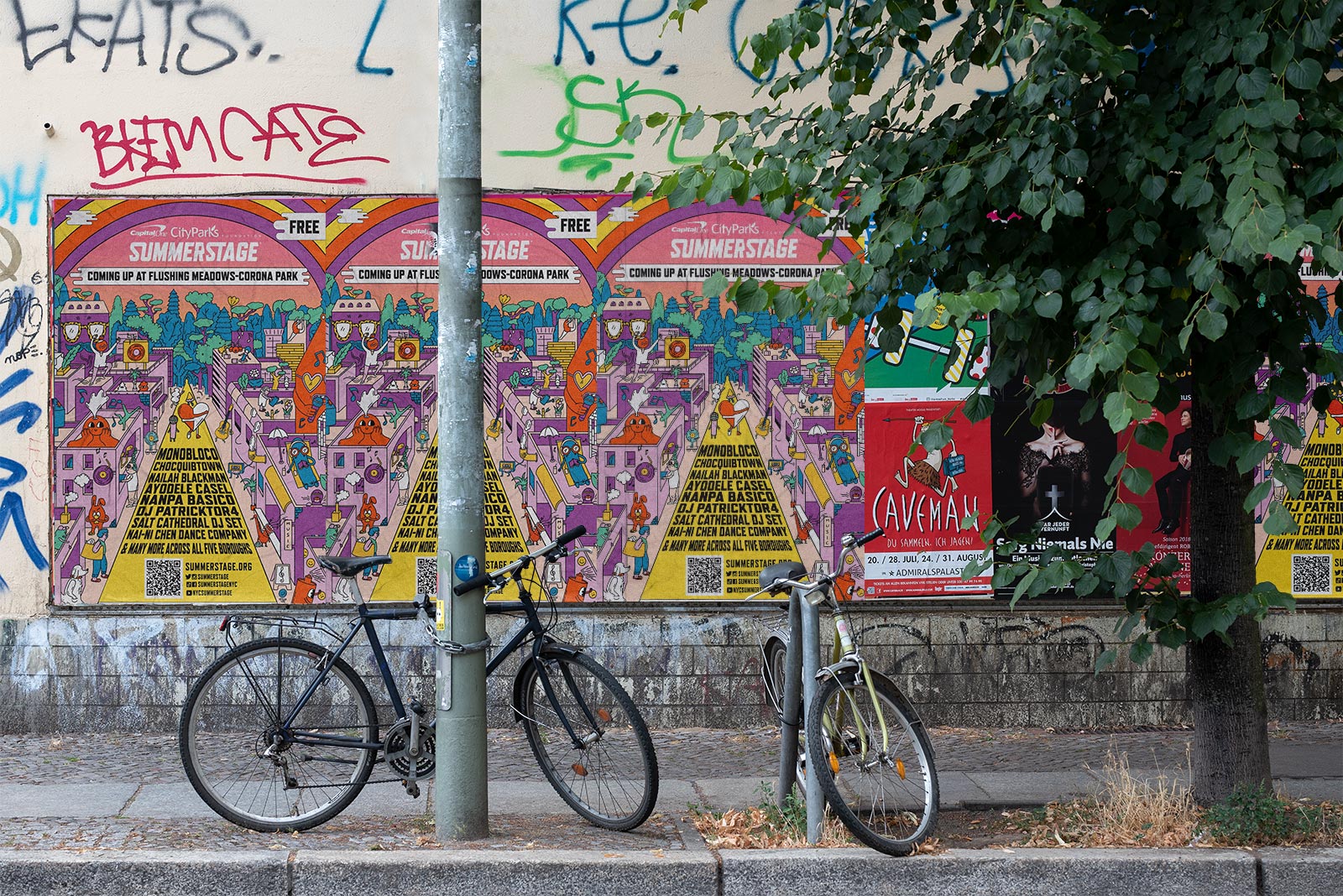
Wheatpaste barricade by Street Posters.
Production and Preparation of Wheatpaste
The production and preparation of wheatpaste involve a systematic approach to creating a viable adhesive for poster application. The primary ingredients include wheat flour and water, typically mixed in a two-to-three ratio. Optional additives, such as sugar or vinegar, enhance the adhesive’s properties. The mixture is brought to a boil, then simmered for at least thirty minutes, achieving a glue-like consistency. Surface preparation is essential; smooth materials optimize adhesion, while rough surfaces may require heavier application. Additionally, wheatpasting is popular among artists and activists for its accessibility. This technique allows for mass production of posters, ensuring that messages can be effectively communicated in public spaces. Application techniques vary by poster size, ensuring even distribution and minimizing air bubbles, facilitating effective poster installation in urban environments. Also, the process gained popularity during the 1960s among counterculture movements, highlighting its significance in artistic expression.
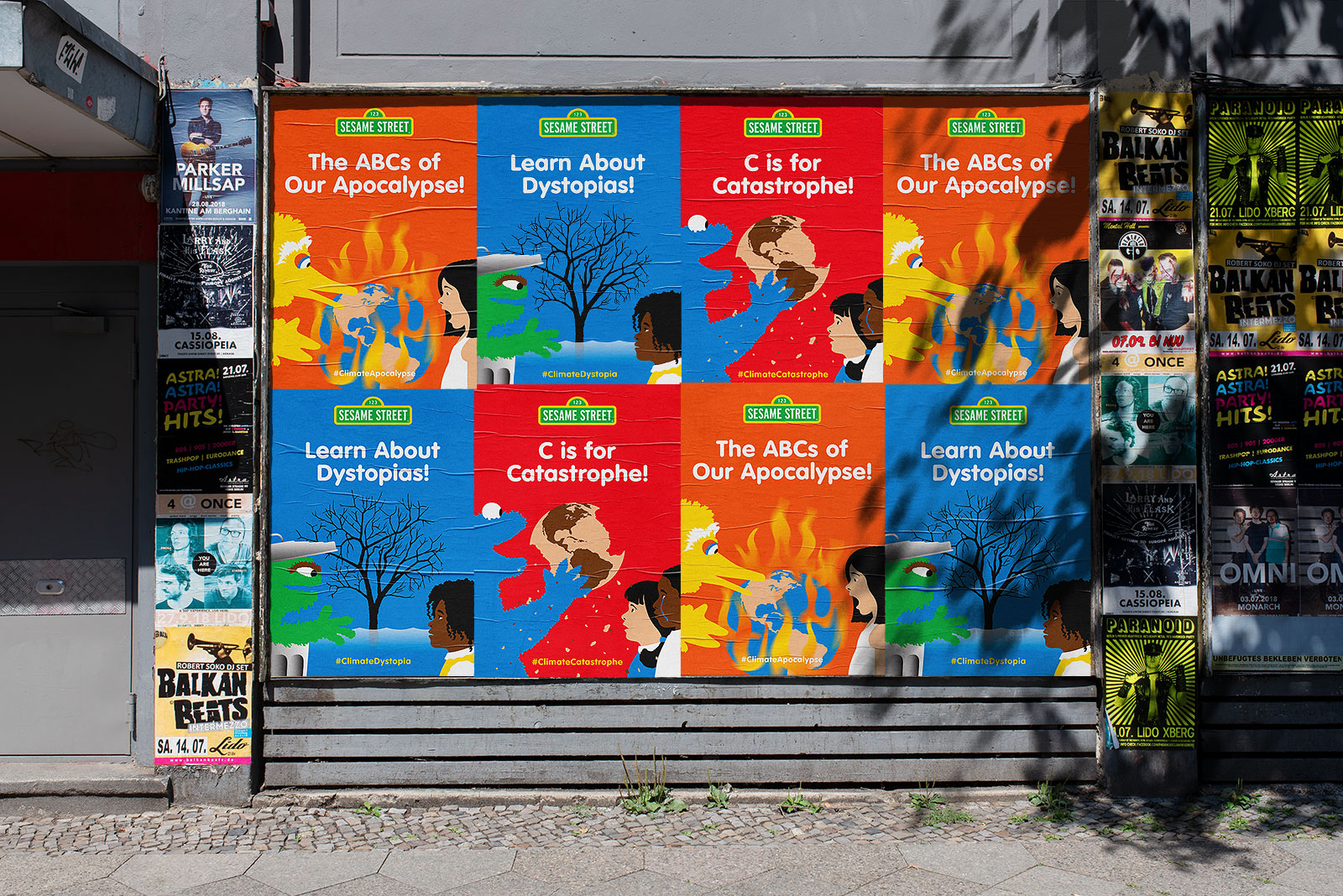
Wheatpaste installation in New York, NY by WHEAT/PASTE.
Artistic Applications in Urban Environments
While urban environments often present challenges for artistic expression, they also offer unique opportunities for creativity through various mediums. Wheatpaste posters serve as a temporary canvas that reflects the dynamic nature of urban life. They foster community engagement by encouraging dialogue and shared experiences among viewers. Their versatility allows artists to create works in various sizes, enhancing urban aesthetics with vibrancy and color. Wheatpaste posters promote accessibility to art, enabling diverse voices to be heard and enriching urban culture. This medium not only beautifies neglected spaces but also transforms them into platforms for ongoing community conversations, making it an integral part of street art culture. Also, the technique’s eco-friendly nature ensures that it remains a sustainable option for artists looking to make an impact in their communities. This approach to art mirrors the history of wheatpaste posters as powerful tools for brand exposure and engagement in urban settings.
Practical Uses and Advertising Potential
In urban environments, wheatpaste posters serve not only as artistic expressions but also as effective tools for advertising. These posters excel in high foot traffic zones, enabling businesses to reach a broad audience. With cost-effective production and installation, they provide an accessible option for advertisers operating within tight budgets. The adhesive properties of wheatpaste allow for secure attachment to various surfaces while ensuring easy removal without damage. This versatility offers creative freedom in design, allowing for diverse messaging. Overall, wheatpaste posters represent a strategic choice for temporary promotional campaigns, enhancing visibility while fostering community engagement through collaborative efforts. Additionally, wheat paste is a traditional adhesive that has been used for decades, further emphasizing its reliability in advertising. Also be aware that the use of wheat flour in the adhesive composition contributes to its eco-friendliness, making it a sustainable choice for modern marketing.

Flyposting installation by Street Posters UK
Popular Wiki Terms:
Cultural Significance and Community Engagement
Wheatpaste posters serve as a significant medium for cultural expression and community engagement in urban environments.
Historically rooted in protest and social commentary, these posters reflect societal tensions and promote critical dialogue. They transform public spaces into platforms for diverse artistic voices, fostering inclusivity and collaboration among local artists. By activating urban landscapes, wheatpaste posters raise awareness of pressing issues, contributing to beautification and cultural revitalization. This medium empowers underrepresented communities, sparking conversations that connect individuals across varied backgrounds. The technique of wheatpasting is known for its eco-friendly nature, allowing artists to engage sustainably with their surroundings.
In the end, wheatpaste posters play an essential role in continuously evolving cultural narratives and enhancing community engagement.
References & Data Sources:
https://en.wikipedia.org/wiki/Wheatpaste – Retrieved April 27, 2025
https://www.grafftergallery.com/2023/09/wheatpaste-posters-how-to-create-them.html – Retrieved April 29, 2024
https://wildooh.com/the-complete-history-of-wheatpasting/ – Retrieved January 29, 2025
https://wheatpasteposters.com/ – Retrieved April 22, 2025
https://wheatpaste.com/ – Retrieved April 29, 2025
https://streetposters.co/ooh-marketing/ – Retrieved April 29, 2025
https://wheatpasteposters.com/blog/how-to-wheatpaste/ – Retrieved April 29, 2025
https://crimethinc.com/2017/07/18/a-field-guide-to-wheatpasting-everything-you-need-to-know-to-blanket-the-world-in-posters – Retrieved April 29, 2025
https://wildposters.com/ultimate-guide-to-wheatpasting/ – Retrieved April 29, 2025
https://wheatpasteposters.com/blog/10-best-things-about-wheat-paste-posters/ – Retrieved April 28, 2025
https://streetattack.com/journal/wheat-paste-poster/ – Retrieved April 28, 2025
https://1800printing.com/blog/wheat-paste/ – Retrieved April 28, 2025
https://www.printingbrooklyn.com/product/wheat-paste-poster/ – Retrieved April 28, 2025
https://224664-286886.apps-06.cloudsonic.dev/wp-content/uploads/Vieve_FLY_Bethnal-Green-Road_London_003-2-scaled-1.jpg – Retrieved April 28, 2025
https://streetposters.co.uk/ – Retrieved April 28, 2025
https://streetposters.co/posting/ – Retrieved April 28, 2025