
Transit Advertising Definition
Transit advertising refers to the strategic placement of advertisements on public transportation systems and infrastructure. This includes bus wraps, train wraps, and stationary ads in transit hubs, targeting a diverse audience such as commuters and tourists. It is a cost-effective medium, offering lower costs per thousand impressions compared to traditional media. Various formats enhance visibility and engagement. Insightful examples illustrate effective techniques, showcasing the potential for impactful brand awareness initiatives in urban environments. Further details can provide additional context.
Definition and Scope of Transit Advertising
Transit advertising refers to the strategic placement of advertisements on public transportation vehicles and associated infrastructure. This format includes bus wraps, train wraps, and various stationary placements, all aimed at maximizing visibility.
With high visibility in urban areas, transit advertising effectively reaches a diverse audience demographic, including commuters, tourists, and pedestrians. It is a cost-effective option for large-scale campaigns, offering a lower cost per thousand impressions compared to traditional media. The constant visibility of these ads allows for extensive exposure, targeting specific routes and enhancing brand recognition across various urban settings. Also, the innovation in transit advertising includes digital transit ads that enable dynamic content creation, allowing brands to tailor messaging to specific audiences. Also be aware that extensive coverage ensures that transit advertising reaches millions of commuters weekly, further amplifying its impact.
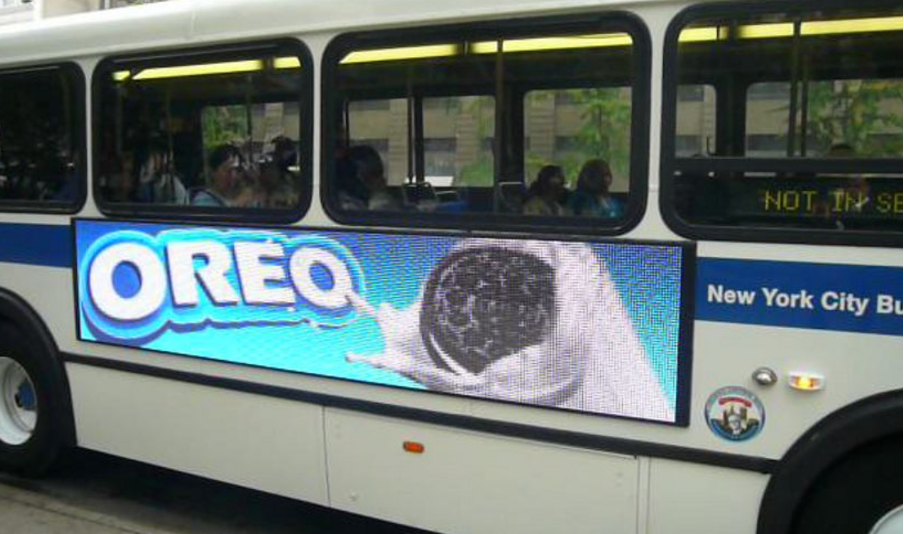
Top 3 Transit Advertising Examples that Really Work - The Neuron by theneuron.com
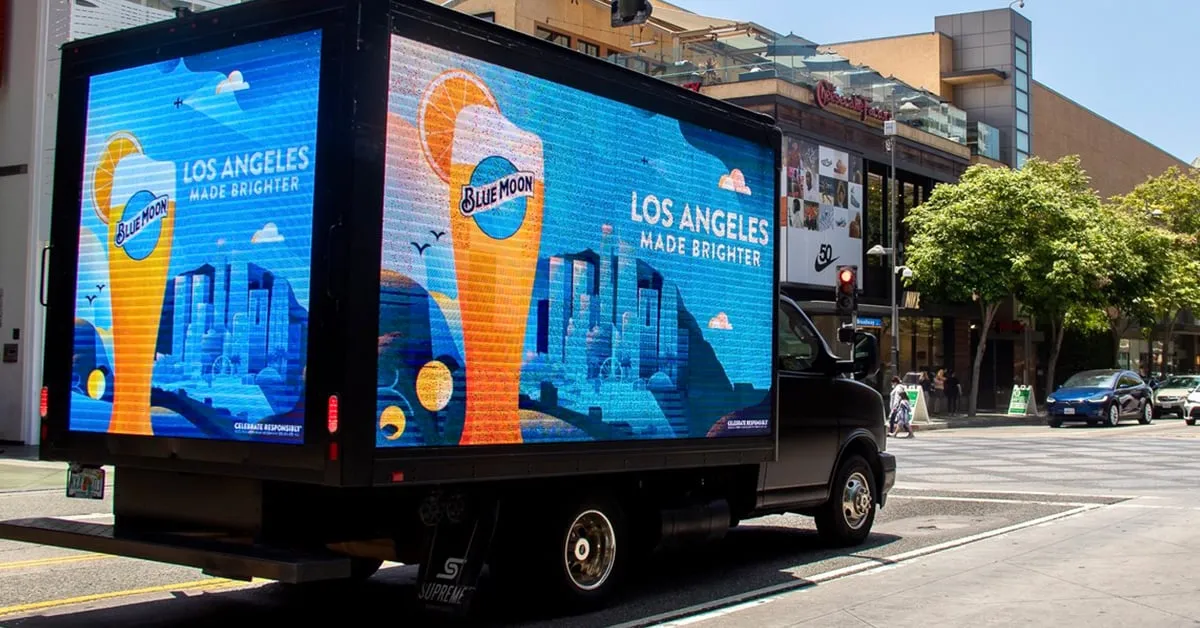
Transit Advertising: Everything You Need to Know by billups.com
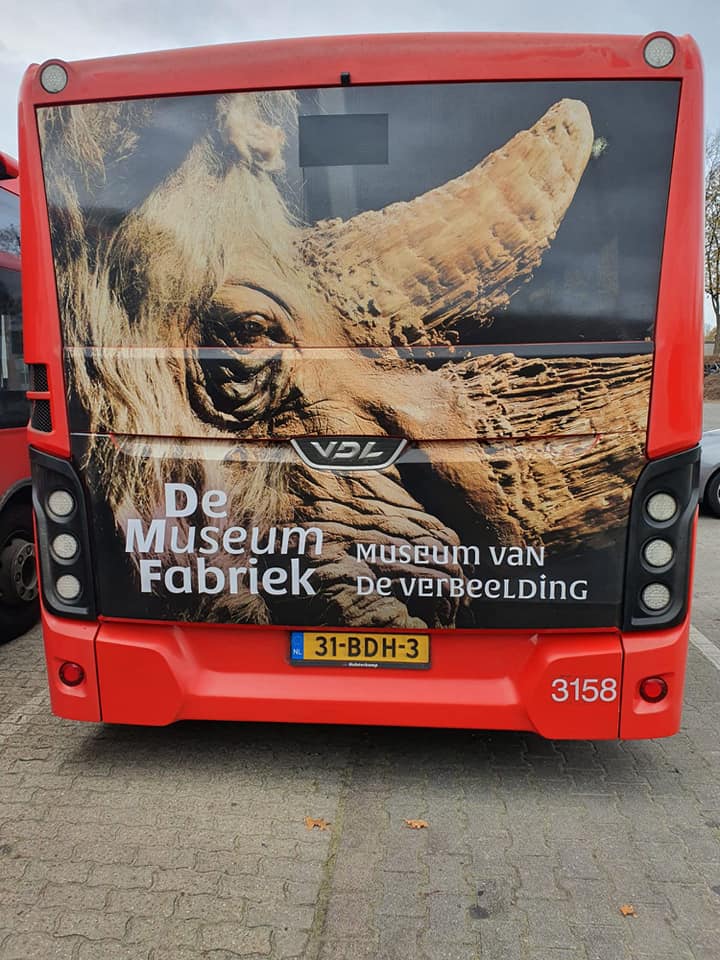
Transit Advertising for De Museumfabriek by contravision.com
Common Formats Used in Transit Advertising
Various formats are employed in transit advertising to maximize visibility and engagement across different environments. Train wraps serve as impactful mobile advertisements, while station posters strategically target high-footfall areas within transit hubs. Bus shelter ads provide opportunities for exposure at key waiting locations, enhancing brand presence. Taxi tops offer street-level visibility, capturing the attention of pedestrians and drivers alike. Each format is designed to reach diverse audiences in urban settings, ensuring that advertisers effectively communicate their messages to commuters and travelers. These formats collectively enhance the effectiveness of transit advertising campaigns across multiple transportation platforms, making transit advertising an integral part of modern marketing strategies. With millions of commuters utilizing public transit daily, advertising reach is significantly amplified, increasing the likelihood of brand recall. This is particularly effective because transit advertising is considered one of the most effective methods for brand promotion, engaging consumers through eye-catching graphics and storytelling.

Snakes on a bus?! How a Danish zoo attracted so much attention ... by valens-research.com
Technical Specifications for Transit Advertising
The technical specifications for transit advertising encompass a range of materials, dimensions, and installation considerations that guarantee effective communication of brand messages.
Advertisers typically utilize laminated materials and removable adhesive-backed options for durability and ease of installation. Full bus wrap dimensions may reach up to 60×180 inches, while window banners often feature a 1.5mm hole pattern. Additionally, full wraps achieve the highest penetration among passers-by in urban settings, making them a preferred choice for advertisers. The ability to reach specific demographics through strategic route placement enhances the impact of these advertisements. Full back bus advertising is particularly effective for maximizing brand visibility due to its comprehensive coverage.
Advertisers prefer laminated and adhesive-backed materials for durability, with full bus wraps measuring up to 60×180 inches.
Vehicle surface preparation is essential to ascertain proper adhesion. Strict adherence to transit authority regulations is required throughout the advertising process.
Errors in artwork can lead to increased production costs, underscoring the importance of accurate file submission and preinstallation checks.
Advantages of Transit Advertising for Audiences
Transit advertising excels in this regard by utilizing public transportation hubs to target various demographic groups. It captures the attention of commuters, pedestrians, and tourists, ensuring broad visibility across urban areas. The format offers continuous exposure, enhancing brand awareness among viewers of different ages and backgrounds. Retail brands benefit from strategically placed ads that resonate with specific neighborhoods. Additionally, understanding the audience enhances campaign effectiveness, allowing for tailored messaging that resonates more deeply with viewers. The large, eye-catching designs contribute to high recall rates, fostering engagement. Also be aware that the extended viewing time during rides allows passengers to absorb advertisements, further increasing their effectiveness. In the end, transit advertising serves as a powerful tool for increasing market penetration and connecting with diverse audiences in dynamic urban settings. With 62% of U.S. jobs located within 0.5 miles of a transit stop, brands can effectively reach a large and diverse workforce.
Cost Considerations in Transit Advertising
Cost considerations in transit advertising are influenced by a range of factors that greatly impact pricing structures. Advertising in high-traffic commuter routes typically incurs higher costs due to increased visibility. Larger formats, such as bus wraps, command higher expenses compared to smaller ads. Production costs for non-digital ads must be factored in as well. Nevertheless, transit advertising often boasts a lower cost-per-thousand impressions compared to other outdoor formats. Longer campaign durations can yield significant savings, allowing advertisers to optimize their budgets while effectively reaching their target audience with sustained visibility and impact. Minimum order quantities often apply, which can affect overall budget planning and campaign execution. Also, the potential to reach over 90% of target market is a significant advantage that enhances the value of investment in transit advertising. This method of advertising provides opportunities to engage audiences while they are on the go.
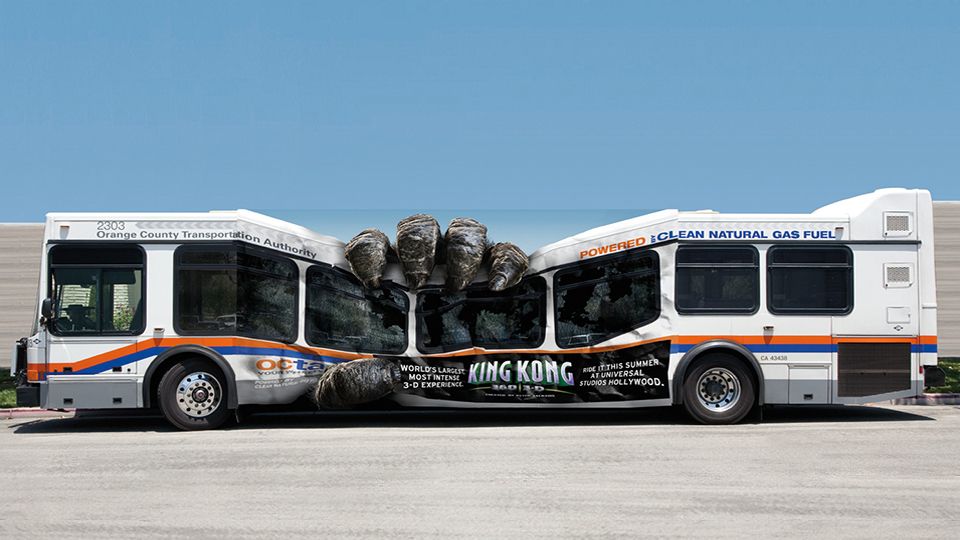
Top 9 Transit Wrap Advertising Examples by contravision.com
Popular Wiki Terms:
Industry Examples of Successful Transit Advertising
Successful transit advertising campaigns exemplify effective strategies that resonate with diverse audiences while maximizing brand visibility. Notable examples include Cadbury’s thematic vinyl wraps that mimic product packaging, enhancing brand recall and recognition. Netflix’s interactive designs, such as the humorous Snickers campaign, engage viewers through relatable scenarios. High-traffic focus is evident in campaigns like Tip Top, which achieved a 20% purchase conversion rate among the youth demographic. Specsavers utilized 3D illusions in their ads, creating memorable visuals. These campaigns reflect a commitment to innovative execution, effectively reaching targeted audiences in urban environments through strategic advertising placements. For instance, Mentos’ bold logo visibility reinforces brand awareness and captures audience attention through playful imagery. A standout example is the Cadbury Double Decker Bus, which effectively utilizes vibrant colors and branding to engage commuters and reinforce brand recognition in urban areas.
References & Data Sources:
https://camphouse.io/blog/transit-advertising – Retrieved April 27, 2025
https://www.onescreen.ai/blog/what-is-transit-advertising-and-is-it-right-for-me – Retrieved April 29, 2024
https://www.marketing91.com/transit-advertising/ – Retrieved January 29, 2025
https://theneuron.com/top-3-transit-advertising-examples-that-really-work/ – Retrieved April 22, 2025
https://www.billups.com/articles/transit-advertising-everything-you-need-to-know – Retrieved April 29, 2025
https://www.contravision.com/case_studies/de-museumfabriek-transit-advertising-graphics/ – Retrieved April 29, 2025
https://movia.media/moving-billboard-blog/types-of-transit-advertising/ – Retrieved April 29, 2025
https://www.adquick.com/media/transit – Retrieved April 29, 2025
https://www.valens-research.com/dynamic-marketing-communique/snakes-on-a-bus-how-a-danish-zoo-attracted-so-much-attention-gorillas-of-guerilla-marketing/ – Retrieved April 29, 2025
https://www.contravision.com/transit-advertising/bus-advertising-formats/ – Retrieved April 28, 2025
https://lamar.com/en/products/transit – Retrieved April 28, 2025
https://www.matrixmediaservices.com/bus-advertising/ – Retrieved April 28, 2025
https://www.junglecommunications.com/transit-advertising-advantages-and-disadvantages/ – Retrieved April 28, 2025
https://www.medialeaseooh.com/5-advantages-transit-advertising/ – Retrieved April 28, 2025
https://broadsign.com/blog/transit-advertising-how-to-reach-audiences-on-the-move-with-out-of-home/ – Retrieved April 28, 2025
https://oneday.agency/blog/bus-advertising-costs – Retrieved April 28, 2025
https://www.bluelinemedia.com/transit-advertising – Retrieved April 28, 2025
https://www.adzze.com/transit-advertising-a-cost-effective-strategy-for-high-reach-marketing/ – Retrieved April 28, 2025
https://www.contravision.com/top-transit-advertising-examples/ – Retrieved April 28, 2025
https://www.junglecommunications.com/12-creative-examples-of-bus-advertising/ – Retrieved April 28, 2025
https://penji.co/13-most-successful-ads-on-buses/ – Retrieved April 28, 2025