
Stadium Signage Definition
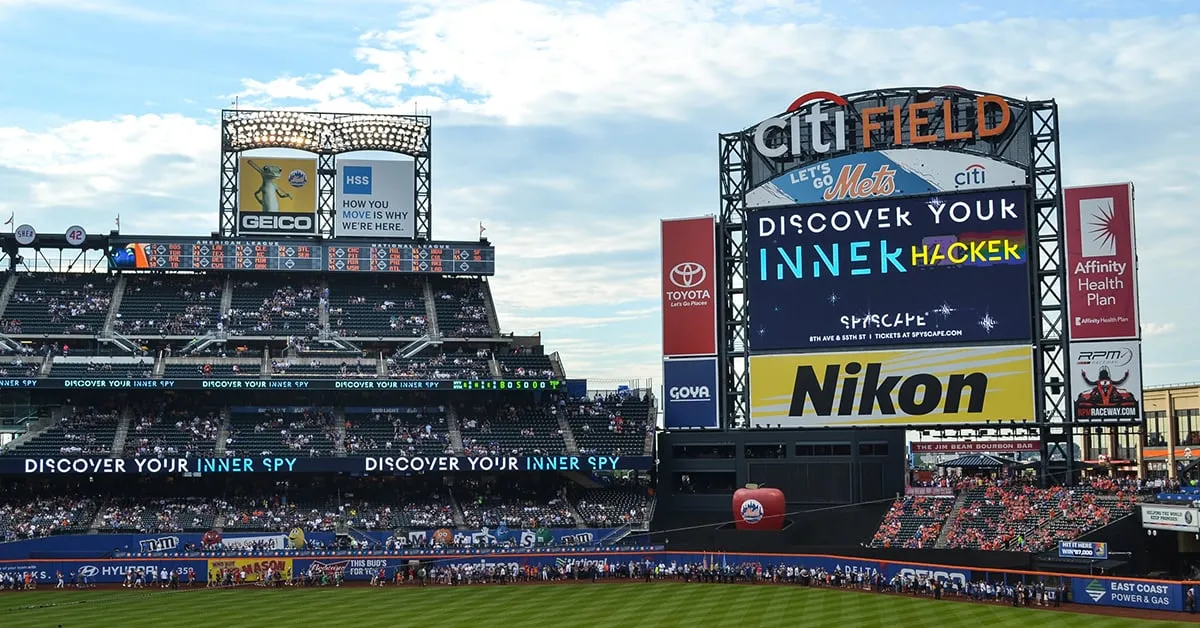
Stadium signage refers to various visual communication tools used in sports venues to inform and direct spectators. This includes billboards, banners, digital displays, and wayfinding signage. The core objectives are to facilitate navigation, convey safety instructions, and enhance team spirit while maximizing advertising revenue. Key design considerations involve visibility, material durability, and branding consistency. Implementing best practices guarantees effective placement and real-time updates, contributing to an improved fan experience. Further details about signage benefits and applications follow.
Types of Stadium Signage
Stadium signage encompasses various types of visual communications designed to enhance the spectator experience and reinforce brand presence during events.
Key types include billboards and banners, which offer high visibility to large audiences. Materials such as vinyl and mesh fabric guarantee durability and weather resistance. Wall murals can transform functional spaces into branded experiences, while digital displays provide dynamic content that engages spectators. Proper consideration of visibility angles is vital for effective communication. Effective messaging keeps fans and advertisers excited and engaged with the venue. Also, stadium wraps serve as a centerpiece for branding efforts, covering blank walls and unsightly areas with vibrant designs. Custom wayfinding signage enhances navigation, directing visitors to their seats and facilities, which further contributes to a cohesive atmosphere.
Billboards and banners deliver high visibility, crafted from durable vinyl and mesh fabric to withstand the elements.
Other signage types, including regulatory and wayfinding elements, further contribute to a cohesive atmosphere, enhancing navigation and accessibility for all attendees.
Stadium and Arena Advertising for Brand Awareness by billups.com

How to leverage digital signage for stadiums & gaming arenas? by pickcel.com

Our TOP-10 Favorite Arena Digital Signage Campaigns of 2024 by blog.kitcast.tv
Core Objectives of Stadium Signage
Effective signage within sports venues serves multiple core objectives that enhance operational efficiency and improve the overall experience for attendees.
Key functions include wayfinding and navigation, directing spectators to entrances and amenities while ensuring accessibility. Safety signage is crucial in communicating emergency instructions and security messages, further enhancing the safety of all attendees. Digital signage helps to provide real-time updates on player stats and event schedules, enriching the overall spectator experience. Stadium vinyl wraps can also be utilized as a dynamic branding tool, maximizing team spirit and sponsor visibility.
Enhancing the fan experience involves real-time information and engaging content that fosters connection. Signage plays an essential role in revenue generation through sponsorship opportunities and advertisement visibility.
Crowd safety and management are critical, with signage providing emergency instructions and guiding crowd flow.
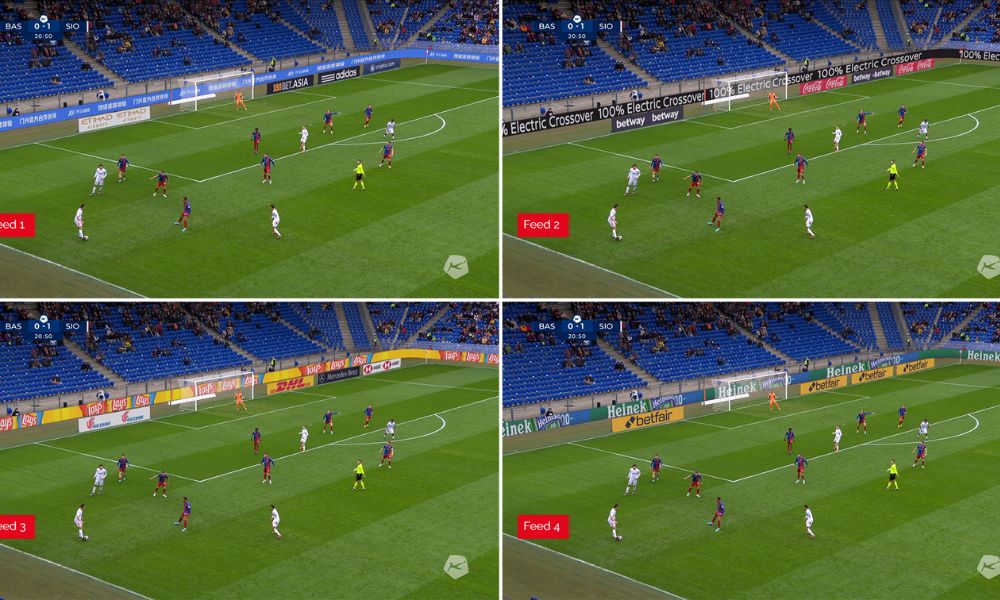
How virtual advertising is unlocking commercial opportunities at ... by sportspro.com
Key Design Considerations
When designing signage for sports venues, several key considerations must be addressed to guarantee effectiveness and functionality. Visibility and lighting are essential; signs should be well-lit and strategically placed for ideal viewing. Material quality is important, ensuring durability against various weather conditions. Knowing specific signage locations can greatly enhance the planning process by ensuring each piece is placed for maximum impact. Consistency in branding reinforces identity through uniform colors, fonts, and logos. Durability is critical for signage as it reflects the brand’s reputation and ensures long-lasting visual appeal. Wayfinding strategies are critical for crowd management, employing clear directional signs that enhance spectator flow. Effective signage contributes to a seamless fan experience, allowing attendees to navigate the venue with ease.
Implementation Best Practices
Successful implementation of stadium signage requires meticulous planning and attention to detail. Conducting site surveys guarantees ideal placement for wraps and large format displays, focusing on structural support and visibility angles. High brightness displays should be prioritized for areas exposed to sunlight, while anti-glare coatings enhance indoor visibility. Centralized content management systems facilitate real-time updates, guaranteeing alignment with audience demographics. Assessing Your Stadium’s Needs ensures that screens are positioned in high-traffic areas to maximize audience engagement. Effective signage planning enhances fan experience, ensuring that visitors are engaged with eye-catching visuals. Safety compliance is paramount, featuring illuminated exit signage and ADA considerations. Regular audits and weather-resistant enclosures protect signage integrity, while energy-efficient hardware and network redundancy support ongoing operations. These practices guarantee high visibility to large audiences during events, enhancing the overall experience.
Popular Wiki Terms:
Marketing and Branding Applications
Stadium signage serves as an essential component in marketing and branding strategies, leveraging the unique environment of live events to enhance brand visibility. Posters and banners provide brand reinforcement during events, capturing fans’ attention effectively. This dynamic setting offers diverse sponsorship opportunities, including placements in locker rooms and VIP areas, enhancing visual appeal. Additionally, directional signage aids patrons in navigation and enhances branding, making it easier for fans to locate key areas within the stadium. Also, stadium advertising yields significant economic benefits, generating revenue for both brands and venues. Continuous brand exposure fosters long-term recognition and loyalty, while strategic partnerships can elevate brand credibility. Also be aware that the high visibility to a concentrated audience during events amplifies the impact of advertising efforts. This is further exemplified by the use of large-format wall graphics that create a lasting impression on fans and enhance the overall atmosphere of the venue.
References & Data Sources:
https://www.dgicommunications.com/sports-stadium-signage/ – Retrieved April 27, 2025
https://amigraphics.com/products/stadium-branding – Retrieved April 29, 2024
https://www.nationalsigns.com/stadium-signs/ – Retrieved January 29, 2025
https://www.billups.com/articles/stadium-and-arena-advertising-for-brand-awareness – Retrieved April 22, 2025
https://www.pickcel.com/blog/digital-signage-for-stadiums/ – Retrieved April 29, 2025
https://blog.kitcast.tv/arena-digital-signage-ads/ – Retrieved April 29, 2025
https://publications.fifa.com/fr/football-stadiums-guidelines/technical-guideline/stadium-guidelines/signage/ – Retrieved April 29, 2025
https://www.lookdigitalsignage.com/blog/arena-stadium-digital-signage – Retrieved April 29, 2025
https://uasg.org/stadium-signage/ – Retrieved April 29, 2025
https://www.sportspro.com/insights/analysis/virtual-advertising-uniqfeed-sponsorship-stadium-digital-transformation/ – Retrieved April 28, 2025
https://amigraphics.com/blog/top-tips-for-planning-baseball-stadium-signage – Retrieved April 28, 2025
https://www.imagetechnique.co.uk/blog/considerations-when-choosing-bespoke-stadium-signage – Retrieved April 28, 2025
https://thelookcompany.com/blog/effective-sports-stadium-wayfinding-in-event-management – Retrieved April 28, 2025
https://www.crowntv-us.com/blog/how-to-implement-digital-signage-in-a-stadium/ – Retrieved April 28, 2025
https://amigraphics.com/blog/arena-signage-guide – Retrieved April 28, 2025
https://amigraphics.com/products – Retrieved April 28, 2025
https://thelookcompany.com/blog/sports-stadium-branding-to-turn-heads-in-2023 – Retrieved April 28, 2025