
Projection Mapping Definition
Projection mapping is a technique that transforms physical surfaces into dynamic visual displays using video projection technology. It employs projectors to create optical illusions and spatial transformations on various objects, including buildings and event venues. This method encompasses both 2D and 3D mapping, enhancing audience engagement and creating immersive experiences. Technical requirements include high-brightness projectors with sufficient resolution and lumens for visibility. Further exploration reveals additional applications and benefits of projection mapping in various settings.
Definition and Technology of Projection Mapping
Projection mapping, a sophisticated video projection technique, enables the transformation of various surfaces into dynamic display screens. This method utilizes projectors to create optical illusions and spatial transformations, enhancing visual impact. It can be applied to any physical object, including buildings and event venues, offering vast creative possibilities. The technology encompasses both 2D and 3D projection mapping, with 3D projection providing a more immersive experience through depth and spatial dimensions. Specialized software is essential for aligning digital content accurately with the surfaces. The versatility of projection mapping makes it an innovative tool in enhancing artistic and commercial presentations, as it can create immersive visual experiences that significantly enhance brand recognition and recall. Advancements in projection mapping software have made it accessible to a wider audience, including artists and event professionals. This technology allows for the transformation of surfaces without permanent installations, merging digital content with physical environments.
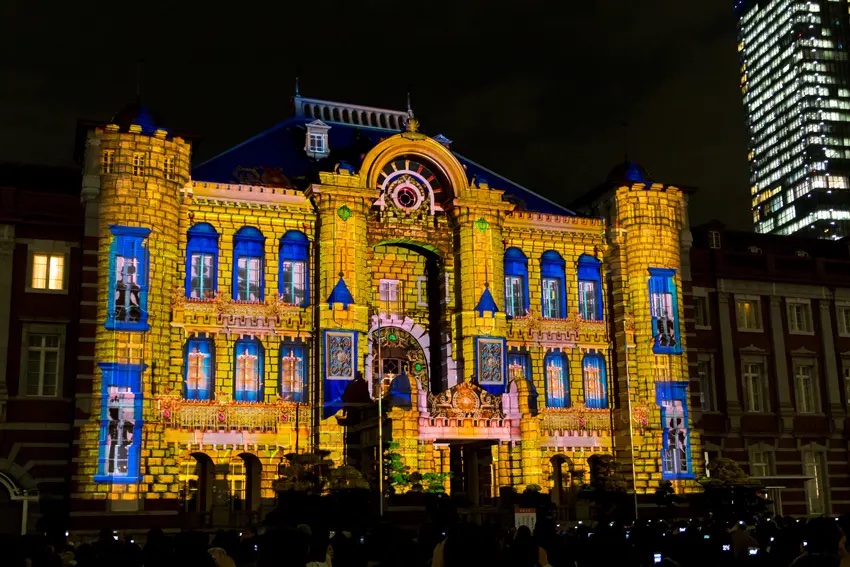
62 Projection Mapping Ideas by Industry by onservices.com
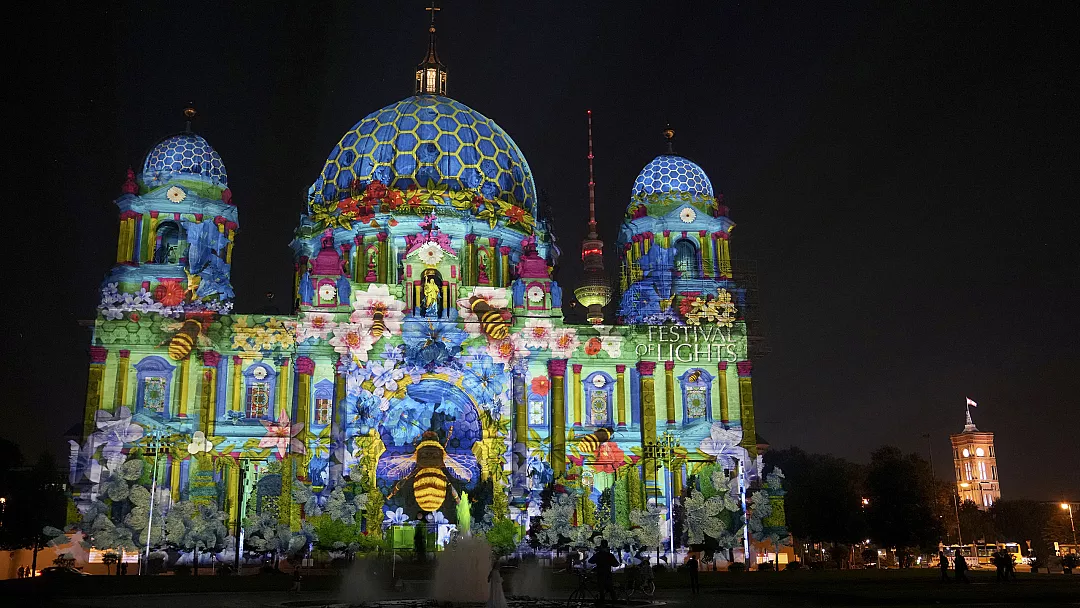
10 Immersive Examples of Projection Mapping by parametric-architecture.com
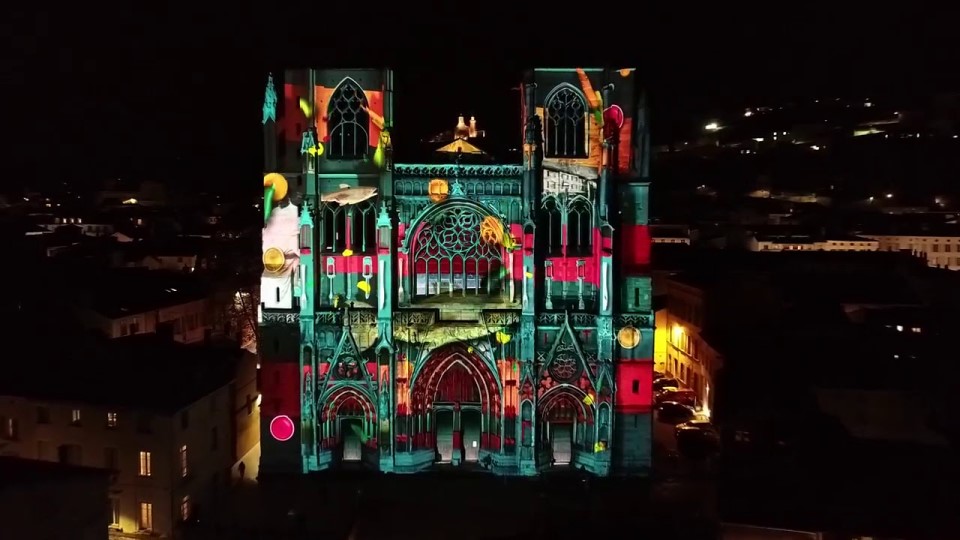
Projection Mapping 101: System
Applications and Use Cases
The applications of projection mapping extend across various domains, showcasing its versatility and innovative potential.
In art and culture, it enhances immersive installations, museums, and theatrical performances through dynamic visuals. Urban landscapes benefit from large-scale installations that transform buildings into visual canvases for public celebrations. Its powerful projection mapping toolkit is leveraged to create stunning visual effects that captivate audiences. With MadMapper’s user-friendly interface, artists and designers can easily manipulate visuals to elevate their creative projects. Also be aware that LumaMap’s simple design tools make it accessible for beginners to explore projection mapping.
Interactive exhibits engage visitors by allowing them to influence projections. In entertainment, projection mapping enriches concerts and themed events, creating immersive environments.
Commercial uses include product launches and retail displays, enhancing brand experiences.
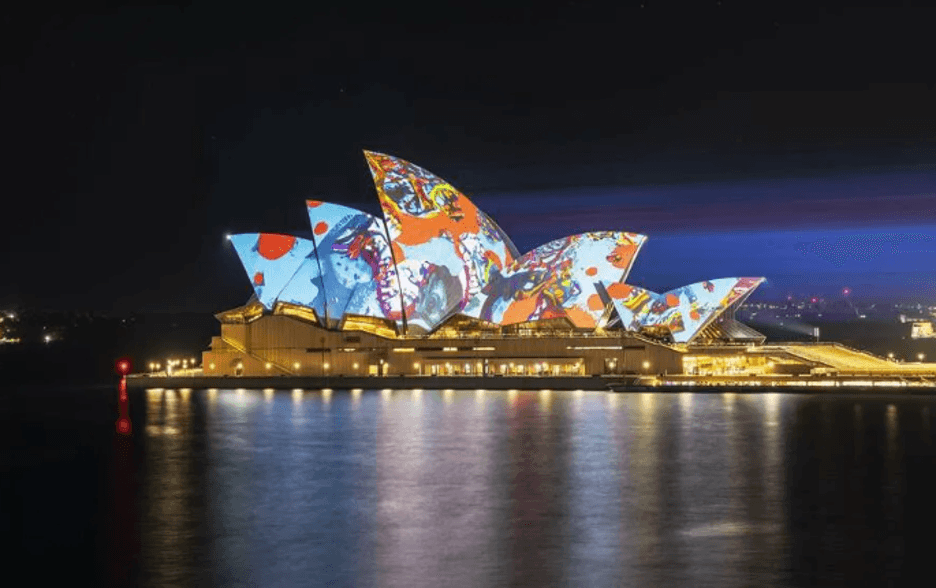
Set-up
Benefits and Advantages
Benefits of projection mapping include enhanced audience engagement and cost-effective marketing opportunities. This technique transforms building facades and event venues into immersive experiences, considerably increasing the high engagement rate among viewers. Its flexibility in content display allows for adaptable messaging that resonates with diverse audiences. Projection mapping serves as a cost-effective marketing tool, reducing expenses associated with traditional signage while generating organic social media traction through intriguing visuals. Projection mapping enables live utilization during events for immersive experiences that captivate attendees. Also, it creates the illusion of 3D shapes without the need for glasses, further enhancing the visual impact of the experience. Also be aware that this technology is now accessible to a broader audience thanks to HeavyM’s ease of use, enabling event professionals to implement it without specialized skills.
Technical Requirements
Successful implementation of projection mapping requires adherence to specific technical requirements encompassing hardware, software, computers, connectivity, and content.
High-brightness projectors, such as RGB pure laser or high-brightness 1DLP models, are essential for visibility. A minimum resolution of 720p is recommended, with Full HD or 4K preferred for large surfaces. Adequate brightness guarantees the projected image remains clear in various lighting conditions. Projectors should have at least 7,000 ANSI lumens to ensure optimal brightness for impressive displays. The use of advanced technology enhances audience experiences through projection mapping, making it crucial to select the right equipment. Proper projector housing is also important to ensure durability and security during outdoor events.
High-brightness projectors with at least 720p resolution are crucial for clear visibility in diverse lighting environments.
Multi-projector setups necessitate synchronization to maintain seamless images across surfaces. Content resolution must align with projector capabilities, guaranteeing superior display quality.
Proper connectivity and advanced software tools are also critical for effective projection mapping execution.
Popular Wiki Terms:
Distinctions From Traditional Projection
Projection mapping fundamentally differs from traditional projection methods in several key aspects. It adapts to various architectural surfaces, accurately aligning with complex geometries without requiring flat screens. This method utilizes surface texture and color, creating immersive illusions that enhance viewer engagement. Additionally, projection mapping offers a platform for artists to create visually impressive experiences that engage audiences in unprecedented ways. Also, it transforms ordinary spaces into visual masterpieces through creative technology integration. In retail contexts, dynamic content layering transforms product displays into interactive experiences. Unlike traditional projections, projection mapping employs real-time spatial adjustments and precision masking, ensuring visuals fit seamlessly onto irregular surfaces. This is made possible by advanced Christie technology, which enhances the projection mapping experience through innovative features and capabilities.
References & Data Sources:
https://www.businessnewsdaily.com/10527-projection-mapping-what-is-it.html – Retrieved April 27, 2025
https://www.heavym.net/what-projection-mapping-is-and-how-to-do-it/ – Retrieved April 29, 2024
https://www.christiedigital.com/spotlight/projection-mapping-101/ – Retrieved January 29, 2025
https://www.onservices.com/insights/blog/62-ideas-projection-mapping-ideas-by-industry.html – Retrieved April 22, 2025
https://parametric-architecture.com/10-examples-of-projection-mapping/ – Retrieved April 29, 2025
https://www.heavym.net – Retrieved April 29, 2025
https://madmapper.com – Retrieved April 29, 2025
https://www.lumabox.com – Retrieved April 29, 2025
https://www.onservices.com/resources/guides/projection-mapping/benefits-of-projection-mapping.html – Retrieved April 29, 2025
https://www.lciproductions.com/5-benefits-of-using-projection-mapping-at-events/ – Retrieved April 28, 2025
https://www.heavym.net/using-projection-mapping-to-benefit-your-events-visual-atmosphere/ – Retrieved April 28, 2025
https://www.aristaproav.com/article_d.php?lang=en&tb=5&id=680 – Retrieved April 28, 2025
https://avalliance.com/projection-mapping-101-system-set-up-settings-software/ – Retrieved April 28, 2025
https://www.nmrevents.com/post/what-is-projection-mapping-projection-vs-projection-mapping – Retrieved April 28, 2025
https://aegisav.com/ultra-short-throw-projection-mapping-explained/ – Retrieved April 28, 2025
https://www.christiedigital.com/solutions/projection-mapping/ – Retrieved April 28, 2025