
Murals Definition
Murals are large-scale graphic artworks applied directly onto walls, ceilings, or other permanent surfaces. Originating from the Latin word “muralis,” they encompass a range of techniques including fresco and mosaic. Historically, they have served as cultural narratives and social commentary, evolving from prehistoric cave paintings to modern expressions. Murals are significant in communities for promoting identity and social issues, while also facing challenges in preservation and restoration. Further exploration reveals their impact and modern innovations.
Definition and Etymology of Murals
Murals are defined as graphic artworks that are applied directly to walls, ceilings, or other permanent substrates. The term “mural” originates from the Latin word “muralis,” meaning “of the wall.”
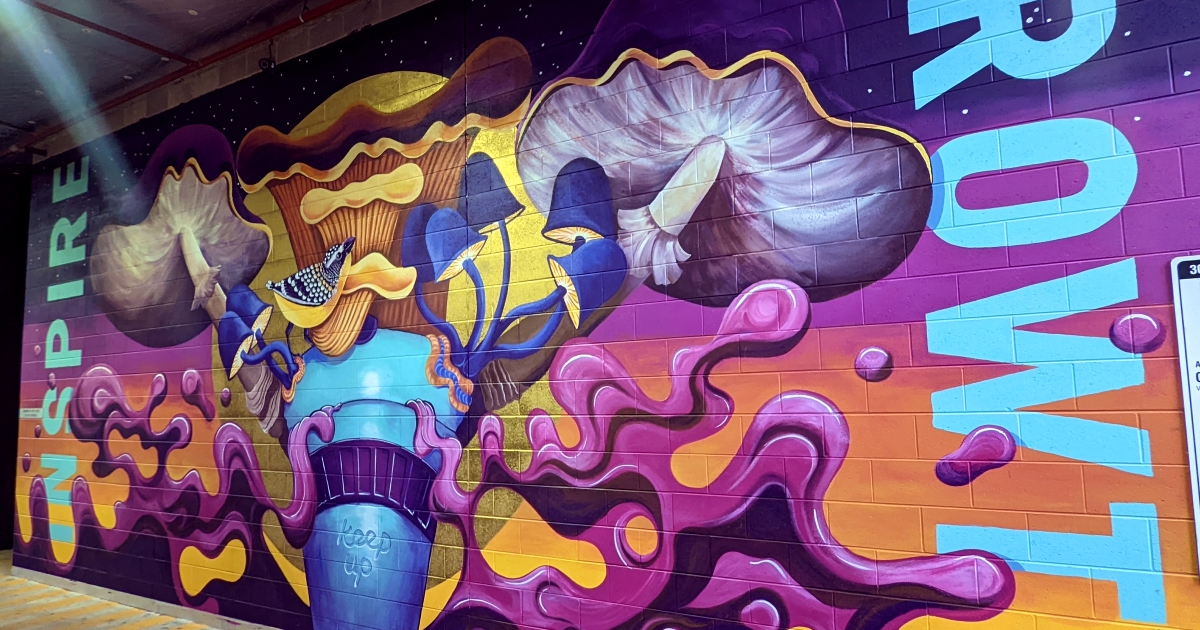
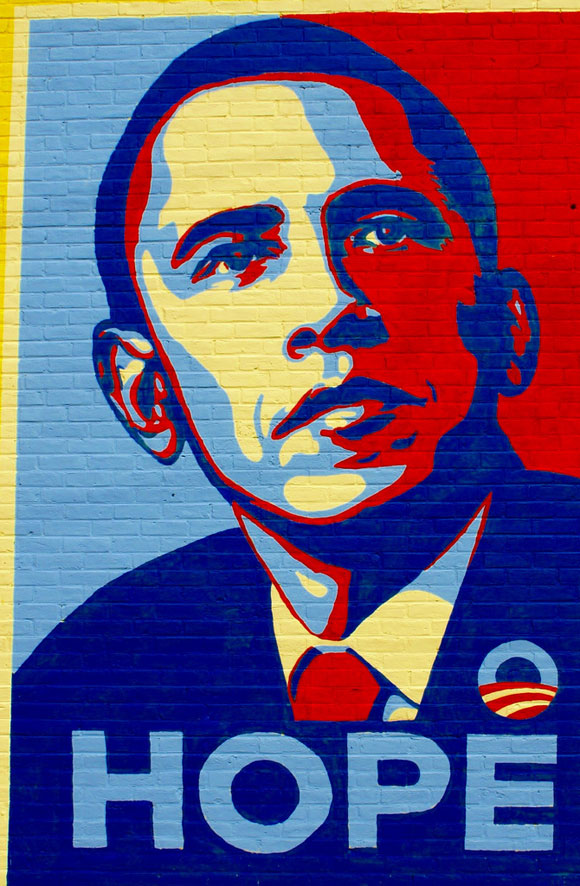
Murals encompass large-scale wall paintings created using various artistic techniques, including fresco and mosaic. They serve as impactful public art, enhancing urban environments and fostering community engagement. Historically, murals have conveyed stories and cultural narratives, validating the voices of local communities. Their visibility in public spaces allows for broader audience interaction, making them significant cultural markers in contemporary society, reflecting the voices of local communities and contributing to urban revitalization efforts. The creation of murals often requires multiple artists collaborating to transform large surfaces into cohesive artworks. Murals are one of the oldest forms of visual art, dating back over 30,000 years, which highlights their enduring significance in cultural expression.
Thompson by jcom.sissa.it
Political Campaign Art: Trends and Examples by graphicmania.net
4 of the best street art advertising campaigns by basa-studio.com
Historical Evolution of Mural Art
The historical evolution of mural art demonstrates a rich tapestry of cultural significance and artistic innovation across various epochs.
Beginning with prehistoric cave paintings, mural art has served as an essential means of cultural expression and storytelling. Ancient civilizations, such as the Egyptians and Romans, utilized murals for social and religious narratives, employing early techniques with natural pigments. Murals became essential for educating illiterate populations during the rise of Christianity, highlighting their role in disseminating knowledge.
The Renaissance marked a resurgence, introducing technique advancements and secular themes. In the 20th century, mural art embraced social and political themes, particularly through Mexico’s Muralismo movement, which emphasized social justice and collective identity. Today, murals continue to serve as powerful tools for community engagement and urban expression worldwide, reflecting the evolution of artistic styles and techniques over time.
Guerrilla marketing: 21 creative ads and 5 ways to make them work ... by 99designs.com
Techniques and Materials Used in Murals
While exploring the techniques and materials used in mural art, one can observe a variety of methods that contribute to the final outcome.
Techniques in mural painting include glazing, sponging, stenciling, stippling, and freehand painting. Common materials used for murals are acrylic paint, sponges, stencils, and stippling brushes. Preparing the Wall properly before painting is essential to ensure the longevity and quality of the mural. Employing the grid method can greatly enhance accuracy when scaling designs for larger surfaces. The sponging technique, known for creating texture and depth, is particularly effective for filling large areas with color.
Mural painting employs techniques like glazing and stenciling, utilizing materials such as acrylic paint and stippling brushes for stunning results.
Specialized tools for murals, such as painter’s tape, chalk, and airbrushes, facilitate precise application. Preparation involves sketching, applying a base coat, and securing necessary permits. Aftercare includes applying sealants to protect murals from damage. These elements collectively guarantee that murals are visually impactful and enduring in their designated environments.
Cultural and Social Roles of Murals
Public art serves as an essential medium for cultural expression and social commentary, with murals playing a significant role in this landscape.
Murals facilitate identity representation by highlighting marginalized histories and cultural narratives. They promote community engagement through participatory creation processes, fostering unity and empowerment. The Historical significance of murals dates back to ancient times, illustrating how they have long been a tool for expressing collective beliefs and values. Also, murals democratize art by making it accessible to all socioeconomic backgrounds, inviting diverse audiences to engage with the artwork. Murals also serve as educational tools that inform communities about pressing social issues and encourage dialogue.
Social activism is expressed in murals that address injustices and amplify grassroots movements. In addition, cultural storytelling is preserved through visual documentation of oral histories and local legends.
Modern Trends and Innovations in Mural Art
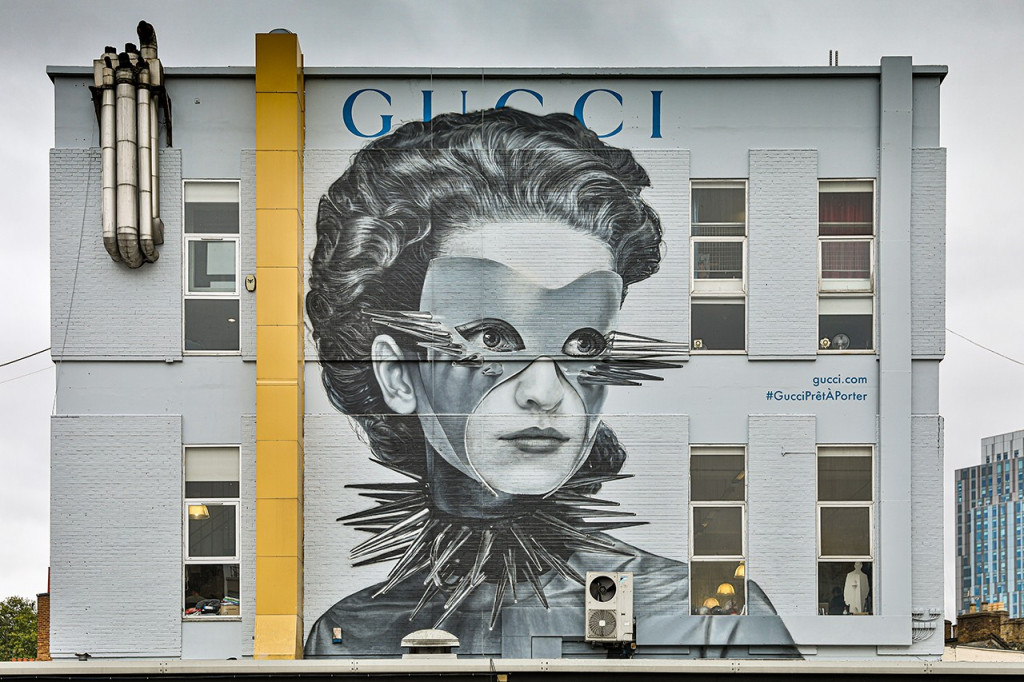
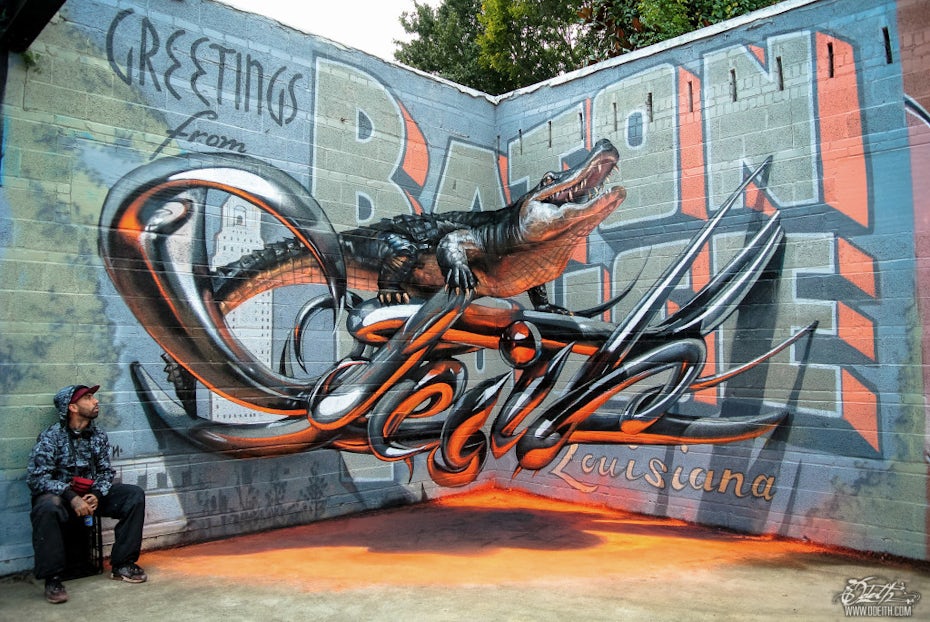
Murals today reflect a dynamic interplay of artistic expression and technological innovation, marking a significant evolution from traditional forms. Contemporary murals incorporate interactive installations and augmented reality, enhancing viewer engagement and experience. Artists blend traditional techniques with modern technology, utilizing durable, eco-friendly materials to convey sustainable themes. This shift has led to murals serving not only artistic purposes but also branding and marketing objectives for businesses. Themes often include nature-inspired designs and abstract styles, contributing to urban beautification and community involvement. The increased emphasis on inclusivity and diversity ensures that murals represent a wide range of voices and experiences, further enriching the public art landscape. The integration of advanced technologies continues to redefine the potential and impact of mural art in public spaces, especially as interactive designs invite public interaction and create memorable experiences. As we move into 2024, the popularity of mellow jungle mural designs indicates a growing desire for tranquility and a connection to nature in urban environments.
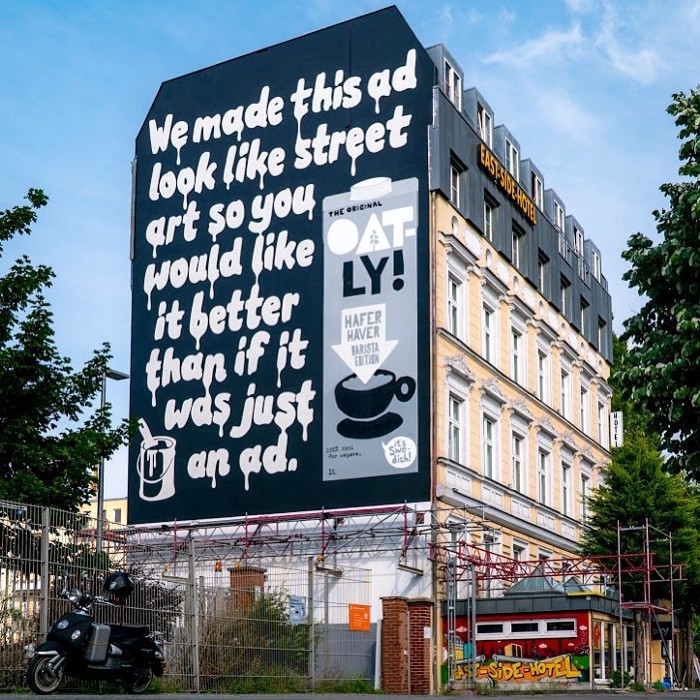
4 of the best street art advertising campaigns by basa-studio.com
Popular Wiki Terms:
Preservation and Challenges Facing Murals
The preservation of murals presents a complex array of challenges that require careful consideration and specialized techniques. Issues such as material degradation can arise from environmental exposure, necessitating effective cleaning methods and conservation coatings. Conducting conditions assessments to determine the existing condition of the mural is essential for informed decision-making during preservation efforts. Funding limitations often hinder preservation efforts, while public vandalism poses a continual threat to the integrity of these artworks. Legal and regulatory challenges complicate ownership and protection, particularly for culturally significant murals. Employing advanced restoration techniques, alongside public education, may help mitigate these challenges and foster community appreciation, ensuring that murals are preserved for future generations to enjoy. The application of MuralShield protective coatings is vital for enhancing the longevity and resilience of these artworks against environmental factors. Also, the integration of eco-friendly paints during the preservation process can contribute to sustainability and help protect the mural’s original vibrancy.
References & Data Sources:
https://en.wikipedia.org/wiki/Mural – Retrieved April 27, 2025
https://www.eden-gallery.com/news/what-is-a-mural – Retrieved April 29, 2024
https://artmuseum.indiana.edu/collections-online/features/european-american/modern-murals-1920-1950.php – Retrieved January 29, 2025
https://jcom.sissa.it/article/pubid/JCOM_2204_2023_A01/ – Retrieved April 22, 2025
http://www.graphicmania.net/political-campaign-art-trends-and-examples/ – Retrieved April 29, 2025
https://basa-studio.com/stories/4-of-the-best-street-art-advertising-campaigns – Retrieved April 29, 2025
https://www.thecollector.com/history-mural-painting-cultural-significance/ – Retrieved April 29, 2025
https://muralform.com/art/the-evolution-of-mural-art/ – Retrieved April 29, 2025
https://bookanartist.co/blog/beginners-guide-to-street-mural-art-the-origins-of-mural-painting-and-street-art/ – Retrieved April 29, 2025
https://99designs.com/blog/creative-inspiration/guerrilla-marketing/ – Retrieved April 28, 2025
https://www.art-is-fun.com/mural-techniques – Retrieved April 28, 2025
https://happydecay.com.au/mural-scaling-techniques/ – Retrieved April 28, 2025
https://novacolorpaint.com/blogs/nova-color/5-popular-mural-painting-techniques – Retrieved April 28, 2025
https://www.civilrightsteaching.org/resource/murals-redefining-culture-reclaiming-identity – Retrieved April 28, 2025
https://www.cultivategrandrapids.org/post/learn-more-street-art-a-canvas-for-social-change-and-cultural-expression – Retrieved April 28, 2025
https://artsphere.org/blog/social-change-mural/ – Retrieved April 28, 2025
https://www.cocreativeconnection.com/post/the-evolution-of-community-art-trends-and-innovations-in-mural-projects – Retrieved April 28, 2025
https://ahernandezart.com/the-future-of-commercial-murals-trends-to-watch-in-2025/ – Retrieved April 28, 2025
https://www.wallsauce.com/us/blog/wall-mural-trends-2024 – Retrieved April 28, 2025
https://johncanningco.com/blog/4-steps-for-cleaning-historic-murals/ – Retrieved April 28, 2025
https://www.graffitiremovalinc.com/blogs/surface-protection/how-to-protect-and-preserve-murals – Retrieved April 28, 2025
https://ruralhandmade.com/blog/a-comprehensive-guide-to-mural-art-techniques-tools-and – Retrieved April 28, 2025