
Metro Advertising Definition
Metro advertising involves the strategic placement of advertisements within subway and metro rail systems, targeting diverse commuter demographics through various formats such as posters, digital screens, and billboards. This approach guarantees high visibility and engagement, taking advantage of captive audiences during commutes. It encompasses different types, including station domination and train wraps, with a focus on tailored messaging. Effective campaigns require attention to placement, creative content development, and adherence to regulations, offering insights into successful advertising strategies.
Definition and Overview of Metro Advertising
Metro advertising refers to the strategic placement of advertisements within subway and metro rail systems, encompassing various formats such as posters, digital screens, and billboards. This form of advertising targets a broad demographic, effectively reaching professionals and students. Advertisements are positioned in high-traffic areas to guarantee maximum visibility in dense environments. The use of platform posters, train wraps, and large billboards enhances the potential for repeated exposure. Strategic placement allows for tailored messaging, enabling advertisers to select specific locations and routes based on commuter demographics, ultimately maximizing engagement and brand recognition within the transit ecosystem. High visibility and exposure due to heavy foot traffic in metro areas make this advertising approach particularly effective. Also, metro advertising provides access to a captive audience during daily commutes, making it a powerful tool for brands to influence consumer behavior. Notably, transit advertising effectively reaches diverse audiences across various social statuses, further enhancing its appeal to advertisers.

Tongue-in-cheek campaign spotlights Metro Vancouver gangsters ... by mapleridgenews.com
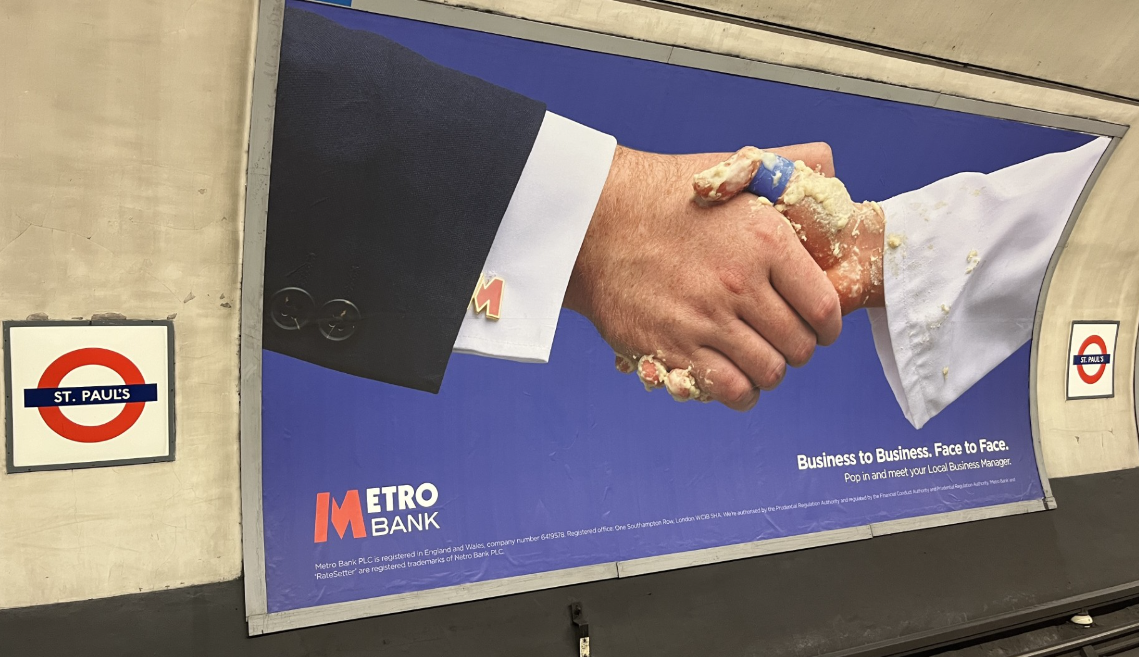
Metro Bank targets SMEs in latest mass media campaign - Financial ... by financialpromoter.co.uk
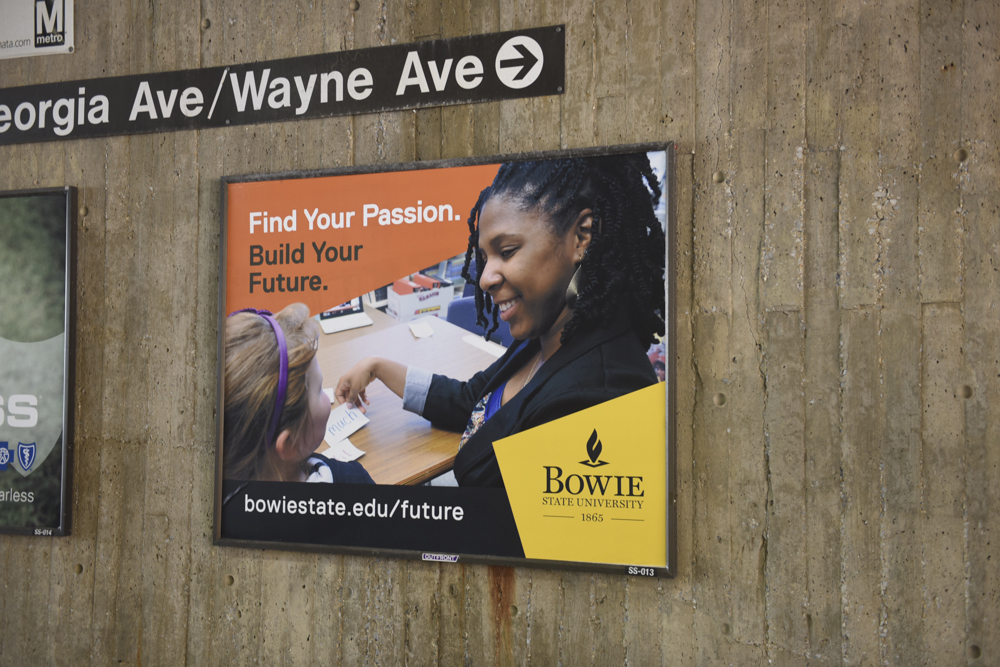
Brand Campaign 2015 by bowiestate.edu
Benefits of Metro Advertising
The benefits of metro advertising are manifold, primarily stemming from its strategic placement in high-traffic transit environments. This form of advertising offers high visibility, ensuring brands reach diverse demographics, including students, professionals, and tourists. With a captive audience, commuters are more inclined to engage with messages while waiting or traveling, enhancing brand recall through repeated exposure. Metro advertising represents a cost-effective reach, allowing brands to optimize budgets by selecting specific locations that target urban populations. Transit wraps provide a visually impactful medium, reinforcing branding and building trust through consistent visibility in key urban hubs. High visibility in high-traffic areas allows brands to create memorable experiences for commuters and solidify their presence in urban environments. Analyzing commuter patterns and demographics allows advertisers to refine targeting strategies and tailor messages to resonate with the right audience. Also, the constant passenger flow guarantees that brands can consistently reach a massive and diverse audience throughout the day.
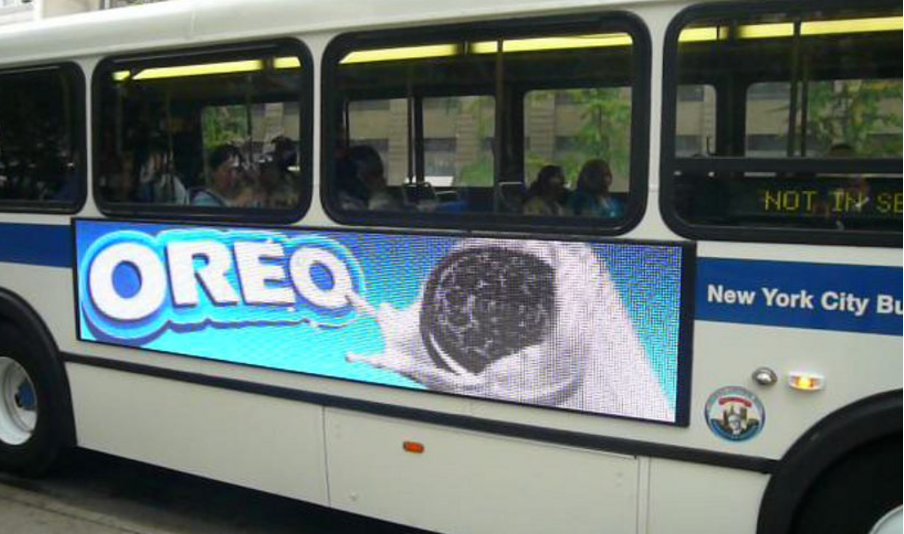
Top 3 Transit Advertising Examples that Really Work - The Neuron by theneuron.com
Types of Metro Advertisements
Various types of advertisements are utilized in transit environments to effectively engage commuters and pedestrians. Station domination involves thorough coverage of a metro station, maximizing visibility. Kiosks serve as compact, standalone units for static displays, allowing for targeted messaging. Platform posters are strategically placed on subway platforms, capturing the attention of waiting passengers. Train wraps offer extensive branding opportunities by covering the entire exterior of subway cars. Digital screens and ambient-lit panels enhance ad visibility, making it easier for brands to connect with their audience in high-traffic areas. Metro stations serve as vital transportation hubs, making them ideal locations for advertising strategies that target large numbers of commuters. Also be aware that subway advertising provides access to a diverse and captive audience, enhancing brand exposure. With the use of digital/LED screens, brands can rotate creative and video ads, further engaging the commuters. Each format is designed to optimize engagement and visibility within the transit environment.
The Advertising Process in Metro Systems
Engagement in metro advertising requires a systematic approach that encompasses several key steps. The process begins with placement evaluation, focusing on high-traffic areas and audience demographics while ensuring regulatory compliance with metro authority guidelines. Metro advertising leverages a captive audience within metro systems, making it an effective medium for brand promotion. Next, creative development involves crafting engaging content suitable for diverse commuters, employing tools like QR codes for interaction. Following this, campaign activation secures media slots and incorporates sensory enhancements. Regulatory compliance remains critical throughout, ensuring adherence to content guidelines and safety protocols. Finally, performance analysis assesses campaign effectiveness through metrics such as footfall-to-engagement ratios and ROI, allowing for informed adjustments and strategic improvements in future campaigns. Also, utilizing resources like Metro Creative Graphics can enhance the creative development phase by providing access to professional spec ads and high-quality images.
Strategies for Effective Metro Advertising
Effective strategies for metro advertising involve a systematic approach that maximizes visibility and audience engagement. Advertisers should utilize impactful visuals and dynamic content in subway stations, enhancing relatability for daily commuters. Employing custom sizes for wraps allows for creative flexibility, while ensuring durability in high-traffic areas enhances longevity. Multiple touchpoints, including posters and digital screens, foster consistent brand exposure. Additionally, high engagement rates due to a captive audience with dwell times can significantly boost campaign effectiveness. Understanding demographics is crucial in tailoring messages that resonate with specific audience segments. Also, community engagement can be strengthened through partnerships with local businesses and cultural institutions, enhancing the overall commuter experience.
Implementing loyalty programs can strengthen connections with frequent riders. Monitoring engagement metrics, such as interactions and feedback, provides valuable insights for refining future campaigns.
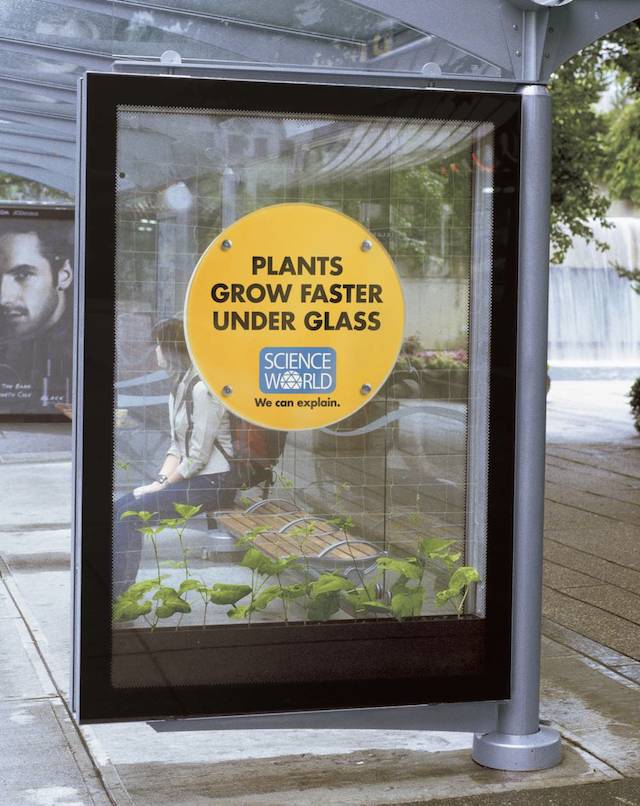
8 Guerilla Marketing Ideas To Maximize Growth by moosend.com
Popular Wiki Terms:
Policies and Regulations Governing Metro Ads
Policies and regulations governing metro advertising are designed to secure compliance with legal standards while maintaining public safety and aesthetic considerations in transit environments. These policies restrict prohibited content such as alcohol and tobacco advertisements and impose limitations on non-commercial messaging. Vendor accountability is essential, as contractors must guarantee adherence to these regulations, while metro authorities retain discretion in ad approval. The revenue focus remains on generating income without compromising safety. Compliance with local regulations varies across jurisdictions, requiring continuous oversight and updates to maintain alignment with legal frameworks and community standards in advertising practices. Various media forms available such as bus and rail advertisements provide diverse opportunities for advertisers to reach commuters effectively.
References & Data Sources:
https://www.leadsdubai.com/metro-advertising-campaign/ – Retrieved April 27, 2025
https://www.alotmedia.com/services/ooh-advertising/transit-advertising/impact-of-metro-ads-on-commuters/ – Retrieved April 29, 2024
https://www.billups.com/articles/transit-advertising-everything-you-need-to-know – Retrieved January 29, 2025
https://www.mapleridgenews.com/news/tongue-in-cheek-campaign-spotlights-metro-vancouver-gangsters-girlfriends-2627043 – Retrieved April 22, 2025
https://financialpromoter.co.uk/metro-bank-targets-smes-in-latest-mass-media-campaign/ – Retrieved April 29, 2025
https://bowiestate.edu/about/administration-and-governance/university-relations-and-marketing/brand-and-identity-standards/brand-campaign-2015.php – Retrieved April 29, 2025
https://raagnaaiads.com/blog/benefits-of-metro-advertising-for-urban-marketing/ – Retrieved April 29, 2025
https://www.alotmedia.com/services/ooh-advertising/transit-advertising/benefits-of-advertising-in-metro-stations/ – Retrieved April 29, 2025
https://thebraion.com/2024/10/14/why-metro-advertising-is-a-game-changer-for-urban-brands/ – Retrieved April 29, 2025
https://theneuron.com/top-3-transit-advertising-examples-that-really-work/ – Retrieved April 28, 2025
https://www.bluelinemedia.com/subway-advertising – Retrieved April 28, 2025
https://brandonwheelz.com/blog/metro-advertising/ – Retrieved April 28, 2025
https://mcg.metrocreativeconnection.com – Retrieved April 28, 2025
https://www.alotmedia.com/services/ooh-advertising/transit-advertising/metro-station-advertising-strategies/ – Retrieved April 28, 2025
https://www.alotmedia.com/services/ooh-advertising/transit-advertising/effective-metro-advertising-case-studies/ – Retrieved April 28, 2025
https://desygner.com/blog/industry/how-to-market-metro-stations-business – Retrieved April 28, 2025
https://moosend.com/blog/guerilla-marketing-ideas/ – Retrieved April 28, 2025
https://www.transitchicago.com/advertising/ – Retrieved April 28, 2025