
Impression Rate Definition
Impression rate quantifies the frequency at which advertisements are displayed across various platforms. This metric is essential for evaluating campaign visibility and effectiveness in digital marketing. Impression rate can be calculated using unique pageviews and other traffic data. Higher impression rates indicate successful campaigns and influence budget allocation. Understanding the distinction between impressions and engagement metrics further enhances strategy optimization. Further insights into optimizing impression rates and their implications are available for those interested.
Understanding Impressions in Digital Marketing
Impressions in digital marketing represent the number of times an advertisement is displayed to users across various platforms, including websites, apps, and social media. Each instance contributes to the impression rate, calculated using traffic data to assess ad visibility. Advertisements are counted every time they are served and viewed, providing vital insights into marketing effectiveness. While impressions do not reflect user engagement, they are important for evaluating brand awareness campaign performance. Understanding these metrics allows marketers to optimize strategies and allocate resources efficiently, guiding decisions based on the visibility of their ads across different digital environments. This is particularly relevant as impressions serve as potential views that help gauge overall campaign success.
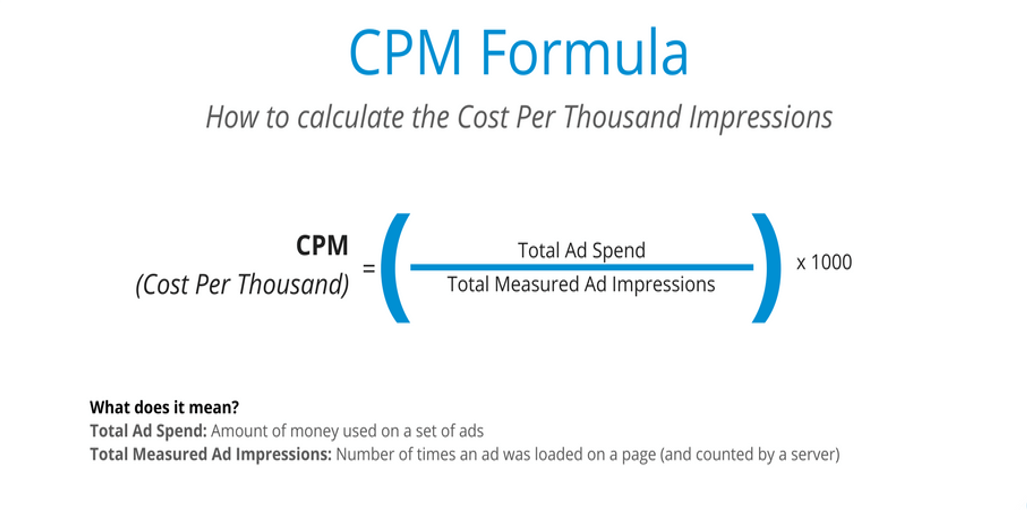
Digital Marketing Basics: CPM
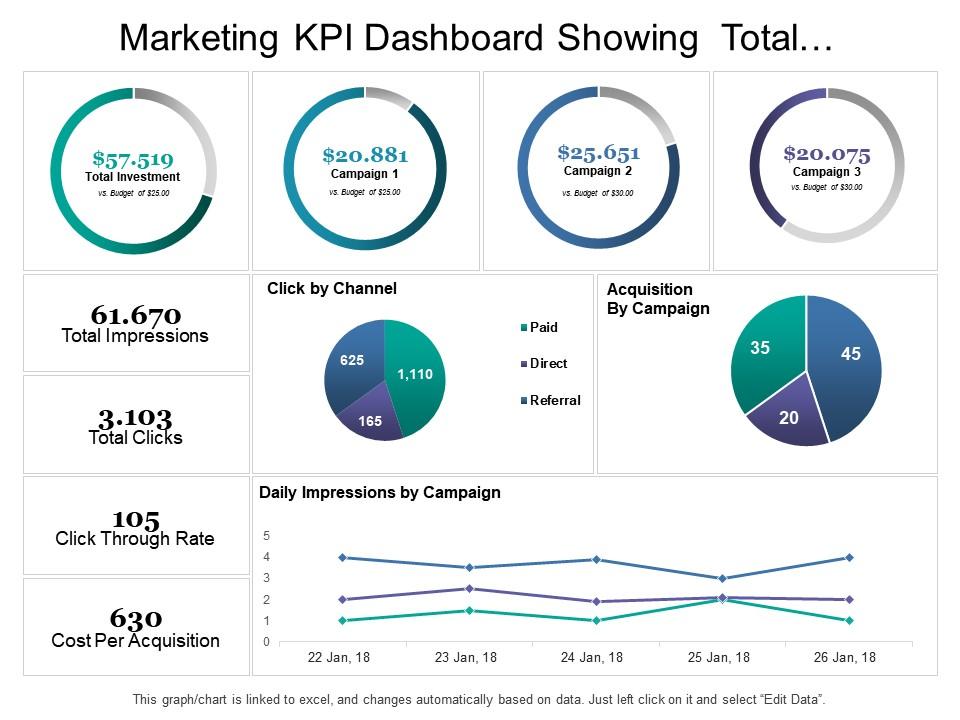
CPC
CPA by medium.com
The Importance of Impression Rate
The significance of impression rate in advertising is paramount for evaluating campaign visibility and effectiveness. This metric provides essential insights into how frequently ads are displayed, directly impacting brand visibility and awareness. By utilizing location analytics, advertisers can assess the performance of their campaigns in specific environments, optimizing ad placements accordingly. High impression rates correlate with successful campaigns, influencing budget allocation and strategic decisions. Additionally, impressions measure the potential views of digital content, further emphasizing the importance of understanding this metric. In addition, understanding impression rates facilitates better engagement analysis, allowing advertisers to refine their content and design. Ultimately, impression rates serve as a foundational element for evaluating overall marketing strategy and ensuring efficient budget utilization. Also be aware that understanding CPI and CPM can enhance the effectiveness of ad spend, providing a comprehensive view of campaign performance. Also, impressions count all views across different users, illustrating the broad reach of advertising efforts.
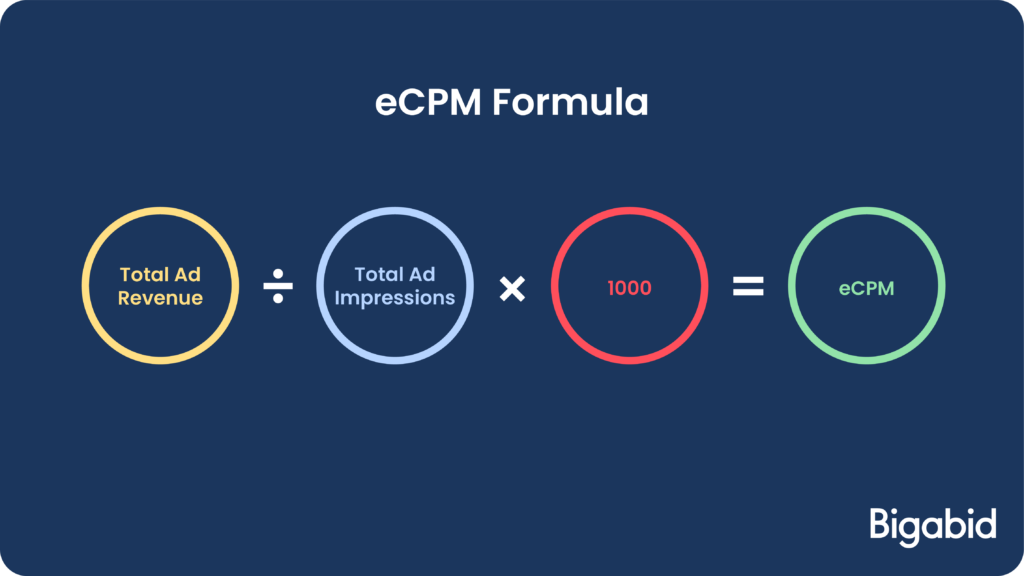
eCPM
How to Calculate Impressions
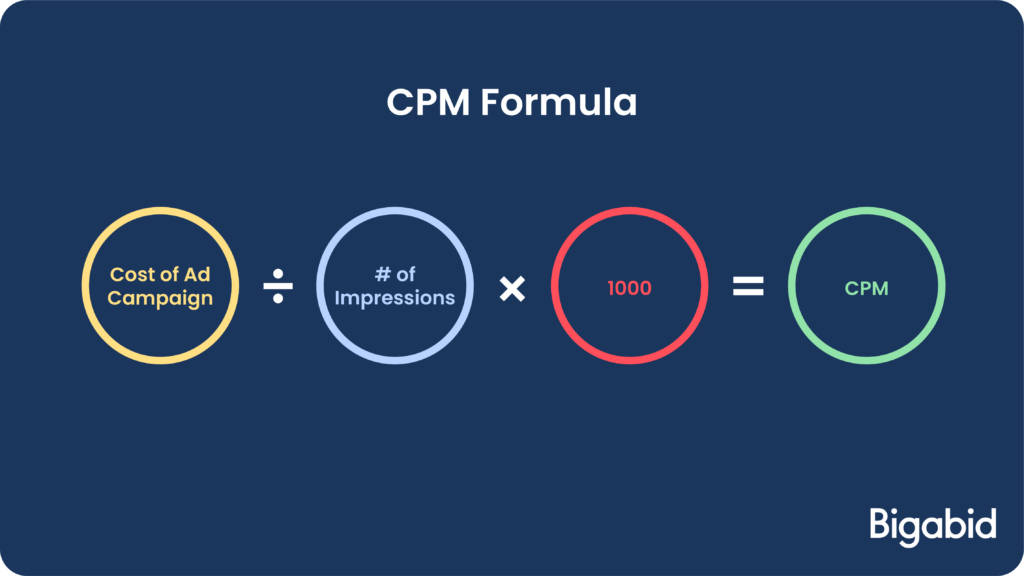
Calculating impressions involves a systematic approach that relies on specific data and established formulas. Essential metrics include unique pageviews, scroll depth percentage, traffic volume, and ad duration. For digital platforms, impressions can be calculated using the formula: Impressions = Unique Pageviews x (1 + Scroll Depth %). In outdoor advertising, potential impressions are determined by Traffic Volume x Ad Duration. Cost metrics such as Cost Per Thousand Impressions (CPM) utilize the formula CPM = Budget / Impressions x 1,000. Accurate calculations enable effective campaign analysis and performance optimization across various advertising channels, ensuring informed decision-making for stakeholders. Understanding the importance of impressions helps marketers tailor content to enhance visibility and reach. Also, knowing the CPM influences total campaign cost allows marketers to budget effectively for their advertising efforts. Recognizing the value of viewable impressions is essential for ensuring that the impressions calculated reflect actual visibility to the audience.
Impressions vs. Engagement Metrics
In the domain of digital and outdoor advertising, distinguishing between impressions and engagement metrics is essential for understanding campaign effectiveness.
Impressions refer to the instances content appears in a viewer’s feed, regardless of interaction. In comparison, engagement encompasses user interactions such as likes, comments, and shares. While impressions serve to measure visibility and brand awareness, engagement metrics provide insights into user interest and interaction. Analyzing both metrics allows advertisers to refine strategies, highlighting content that resonates with audiences. Ultimately, a thorough assessment of both impressions and engagement fosters improved content relevance and campaign success. Understanding the importance of engagement can significantly enhance the effectiveness of advertising efforts. Also, tracking impressions and reach can provide greater insights into potential audience exposure. Also, considering the combined analysis of impressions and engagement helps identify content that may have broad reach but lacks audience connection.
Popular Wiki Terms:
Strategies for Optimizing Impression Rates
Optimizing impression rates requires a multifaceted approach that encompasses content quality, strategic posting, and targeted advertising techniques. Engaging visuals and keyword optimization are essential for enhancing content appeal. Regular updates and consistent branding foster audience trust and engagement. Additionally, higher impressions can lead to increased visibility, which is crucial for potential sales. Implementing strategies focused on Optimization for Conversions can significantly improve your chances of achieving a higher return on your advertising spend. Strategic posting during peak hours and adapting to time zones increases visibility. Ad effectiveness improves through mobile optimization and scheduling during high-traffic periods. Analyzing user behavior using data and segmentation allows for precise targeting. Finally, focusing on quality scores, budget allocation, and conversion rates guarantees that impressions translate into meaningful interactions, ultimately enhancing overall campaign performance and effectiveness. Also, enhancing viewability rates through strategic ad placements can contribute to more effective impression strategies.
References & Data Sources:
https://www.bigcommerce.com/glossary/digital-marketing-impressions/ – Retrieved April 27, 2025
https://business.adobe.com/blog/basics/marketing-impressions – Retrieved April 29, 2024
https://medium.com/@mumz/digital-marketing-basics-cpm-cpc-cpa-c5fa9501de3a – Retrieved January 29, 2025
https://dashthis.com/blog/impressions-in-digital-marketing/ – Retrieved April 22, 2025
https://www.socialsellinator.com/social-selling-blog/cost-per-impression – Retrieved April 29, 2025
https://www.indoormedia.com/blog/how-impressions-work-into-your-advertising-strategy – Retrieved April 29, 2025
https://www.indeed.com/career-advice/career-development/calculate-impressions – Retrieved April 29, 2025
https://marketingtools.clickz.com/cpm-calculator – Retrieved April 29, 2025
https://lifesight.io/how-to/calculate-impressions/ – Retrieved April 29, 2025
https://www.clearvoice.com/resources/impressions-vs-reach-vs-engagement/ – Retrieved April 28, 2025
https://sproutsocial.com/insights/reach-vs-impressions/ – Retrieved April 28, 2025
https://www.oktopost.com/blog/impressions-vs-engagement/ – Retrieved April 28, 2025
https://www.opensend.com/post/improve-impressions – Retrieved April 28, 2025
https://help.retailmedia.criteo.com/kb/guide/en/step-5-optimization-goal-strategy-target-ASqbGsRFvr/Steps/2974932 – Retrieved April 28, 2025
https://arena.im/marketing-growth/ad-viewability-optimization/ – Retrieved April 28, 2025