
Car Wrapping Definition
Car wrapping is the application of adhesive vinyl film to vehicle exteriors for aesthetic customization or advertising. It serves as a mobile billboard and protects the original paint from damage. Various types of wraps, including gloss and matte finishes, enhance visual appeal. The installation process requires careful surface preparation and professional expertise to avoid issues like peeling or bubbling. Understanding the costs and maintenance involved is essential for potential users. Further details on techniques and materials are available.
Definition and Purpose of Car Wrapping
Car wrapping is the process of applying adhesive vinyl film to the exterior surfaces of a vehicle, allowing for full or partial coverage without permanently altering the original paint. This technique serves multiple purposes, including the transformation of vehicles into mobile billboards for advertising. Vehicle wraps offer a cost-effective alternative to traditional paint jobs while providing customizable designs that protect the original finish from scratches and UV damage. Car wrapping allows users to experiment with various textures and colors, ensuring that the vehicle’s aesthetic can be easily modified or restored when needed, preserving its resale value. The popularity of vehicle wraps grew from the wrap advertising business, highlighting the versatility of mobile billboards. Also, car wraps increase exposure on highways and local neighborhoods, enhancing the visibility of brands wherever the vehicle travels. Proper installation is essential for achieving the best results, as poor application can lead to issues such as bubbles and uneven edges.

Automotive Email Marketing for Car Dealerships by inboxarmy.com
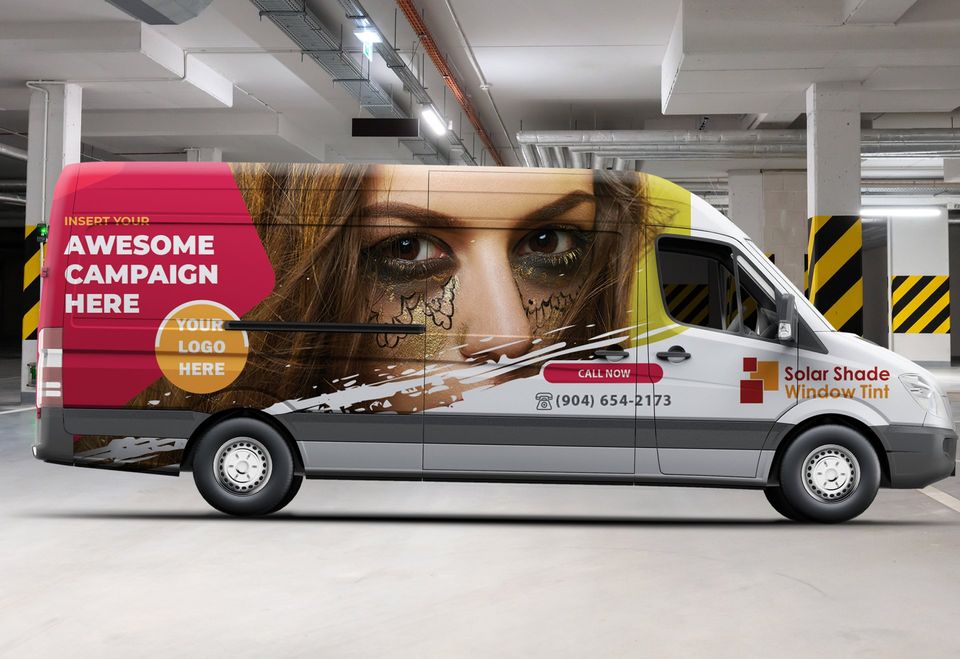
Tips to A Compelling Vehicle Wrap In Your Business by solarshadewindowtint.com

Why You Should Consider Car Wrap Designs - Kimp by kimp.io
Types of Vehicle Wraps
Vehicle wraps come in various types, each designed to meet specific aesthetic and functional needs. Options include gloss, matte, and specialty textured wraps, utilizing high-quality vinyl film. Partial wraps can cover select areas, such as doors or hoods, allowing for customization while maintaining cost-effectiveness. Protective variants like Paint Protection Film safeguard against damage. Glossy wraps enhance visibility due to their highly reflective nature, making them particularly effective for safety in low-light conditions. Additionally, carbon fiber wraps improve car aesthetics at a lower cost compared to real carbon fiber while also providing some protection to the paint underneath. Proper surface preparation is crucial for achieving the best results and ensuring the longevity of the wrap. Reflective and metallic finishes enhance visibility and visual appeal. For ideal results, professional installation is required to guarantee proper application, especially for complex curves and detailed designs. Selecting the appropriate wrap type depends on the desired outcome and specific vehicle characteristics.
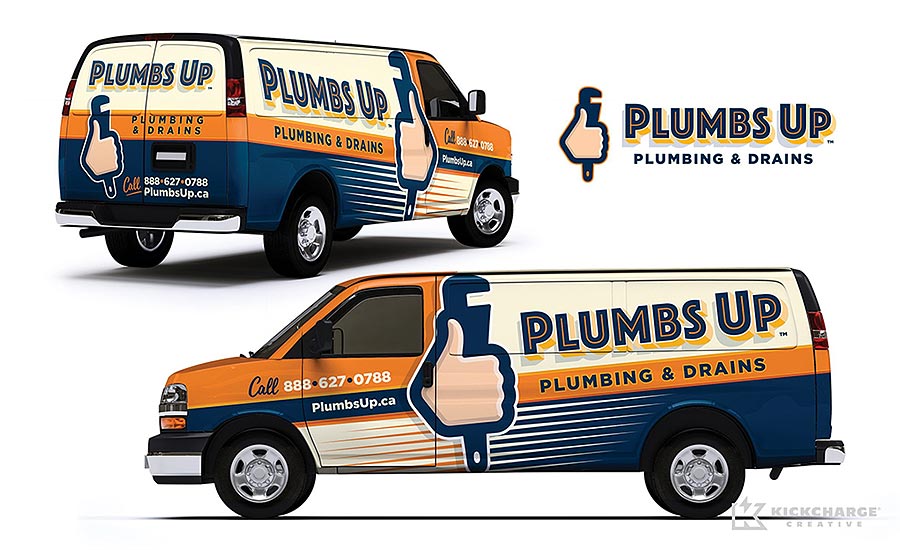
Marketing 101 for plumbing contractors by pmmag.com
The Car Wrapping Process
The car wrapping process involves several critical stages to guarantee a successful application of vinyl to the vehicle surface.
Initially, thorough surface preparation is essential, including cleaning and removing obstacles to promote ideal adhesion. This includes using a degreaser and isopropyl alcohol to ensure the surface is free of particles that could interfere with the vinyl’s stickiness.
Accurate measurements and material selection follow, utilizing high-quality automotive vinyl. It is advisable to overestimate the amount needed to avoid running short during the application. The finalized digital files are printed on high-quality 3M vinyl to ensure a vibrant and durable wrap.
Next, the application employs specific vinyl application techniques, such as heating for flexibility and tension maintenance to avoid bubbles.
Important wrap installation steps include precise edge alignment, individual component wrapping, and cutting excess vinyl carefully.
Finally, a thorough inspection verifies the installation’s quality, addressing any imperfections to enhance durability and appearance.
Materials and Durability of Wraps
Vinyl wraps are comprised of various materials that greatly influence their durability and aesthetic appeal. PVC (Polyvinyl Chloride) is commonly used due to its flexibility, allowing it to conform to vehicle surfaces. Nonetheless, TPU (Thermoplastic Polyurethane) offers greater durability and is more resistant to abrasion. The lifespan of wraps generally ranges from a few years, depending on environmental exposure and maintenance. Regular cleaning is essential to preserve the wrap’s finish, particularly for matte and satin options. Specialized materials, including paint protection film and metallic finishes, enhance visual effects while providing protective functions against environmental damage and paint chips. Additionally, carbon fiber vinyl wraps are waterproof and chemical resistant, making them a durable choice for vehicle applications. Choosing the right wrap thickness can significantly impact its performance level, affecting both durability and application ease.
Cost Considerations for Car Wrapping
Cost considerations for car wrapping encompass various factors that influence the overall expense of the project.
Full wraps generally range from $2,000 to $4,000, impacted considerably by vehicle size and type factors. Larger vehicles require more material and labor, thereby increasing costs. Wrap material cost factors play an essential role; standard vinyl is more affordable compared to premium options like chrome. Labor costs, typically $3 to $4 per square foot, also contribute to the total. The cost of installation usually varies by region, which can significantly affect the overall pricing. Ensuring a thorough cleaning before application is critical to achieving effective adhesion, which can also influence the overall cost. Also, the expertise level of installers can greatly impact both labor costs and the quality of the final wrap.
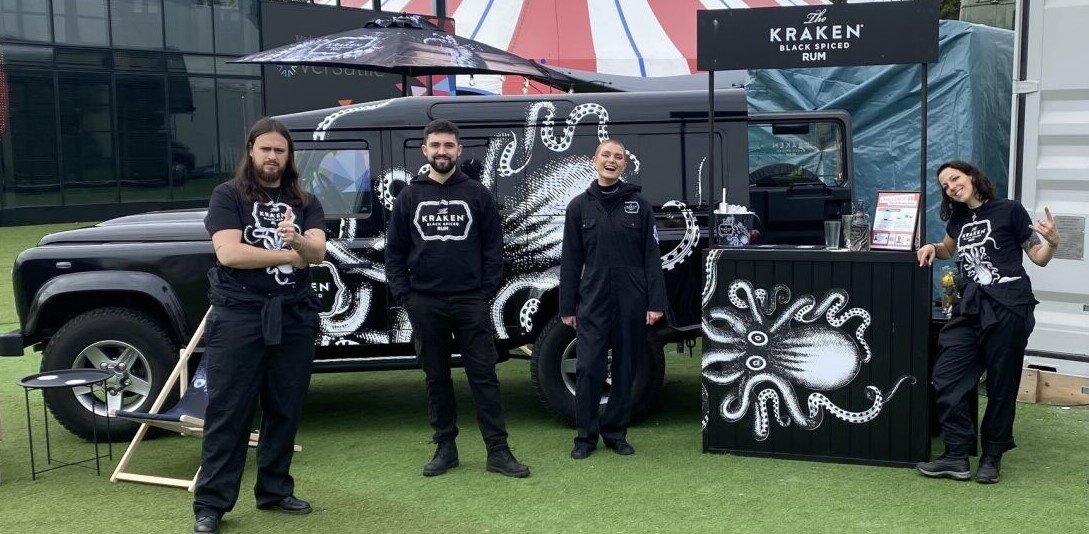
How to use a vehicle wrap in your local marketing campaign by raccoon.co.uk
Popular Wiki Terms:
Advantages and Limitations of Wrapping Your Vehicle
Car wrapping presents several advantages and limitations that potential users should consider.
One significant advantage is protection from debris, as vinyl wraps safeguard the vehicle’s paint from minor damage and chemical exposure. Customization and aesthetics are enhanced through a variety of designs and colors, allowing for brand promotion or personal expression. Also, protection of exterior ensures that the original paint remains intact, maintaining the vehicle’s value over time. Also be aware that vehicle wraps provide long-term protection against sun damage, dents, and scratches, which can further preserve the vehicle’s appearance. This is due to the fact that wraps are designed to withstand harsh elements and road debris, making them a reliable choice for vehicle protection.
Vinyl wraps offer protection for vehicle paint while enhancing customization and aesthetics through diverse designs and colors.
Nevertheless, limitations include potential damage during installation or removal and a limited lifespan due to weather exposure.
Operational and logistical considerations also arise, as professional installation is essential, and maintenance requires care to guarantee longevity.
Users must weigh these factors carefully before deciding on vehicle wrapping.
References & Data Sources:
https://en.wikipedia.org/wiki/Vehicle_vinyl_wrap – Retrieved April 27, 2025
https://www.turbo-images.com/en/blog/what-is-car-wrapping – Retrieved April 29, 2024
https://www.simoniz.uk/blog/everything-about-car-wrapping/ – Retrieved January 29, 2025
https://www.inboxarmy.com/blog/automotive-email-marketing/ – Retrieved April 22, 2025
https://www.solarshadewindowtint.com/tips-to-a-compelling-vehicle-wrap-in-your-business – Retrieved April 29, 2025
https://www.kimp.io/car-wrap-designs/ – Retrieved April 29, 2025
https://www.cencaltinting.com/blog/different-types-of-car-wraps – Retrieved April 29, 2025
https://www.carwrapshamilton.com/types-of-wraps.html – Retrieved April 29, 2025
https://mycar.repair/uk/blog/knowledge/car-wrapping-essentials-a-complete-guide-to-choosing-and-applying-vehicle-wraps/ – Retrieved April 29, 2025
https://www.pmmag.com/articles/103494-marketing-101-for-plumbing-contractors – Retrieved April 28, 2025
https://www.apexcustoms.com/how-to-vinyl-wrap-your-car-8-steps-used-by-professionals-with-infographic – Retrieved April 28, 2025
https://zerogravitymarketing.com/blog/the-process-of-a-successful-vehicle-wrap/ – Retrieved April 28, 2025
https://www.vinylfrog.com/blogs/car-wrap-tips/car-wrap-materials – Retrieved April 28, 2025
https://www.vvividhq.com/automotive-wrap-films – Retrieved April 28, 2025
https://www.clearpro.com/what-are-car-wraps-made-of/ – Retrieved April 28, 2025
https://www.kbb.com/car-advice/how-much-cost-wrap-vehicle/ – Retrieved April 28, 2025
https://www.jdpower.com/cars/shopping-guides/how-much-does-it-cost-to-wrap-a-car – Retrieved April 28, 2025
https://teckwrap.com/blogs/features/car-wrap-cost – Retrieved April 28, 2025
https://www.raccoon.co.uk/blog/vehicle-wrap-local-marketing – Retrieved April 28, 2025
https://www.vinylfrog.com/blogs/car-wrap-tips/pros-and-cons-of-wrapping-a-car – Retrieved April 28, 2025
https://www.toplinetints.com/9-awesome-benefits-of-car-wraps – Retrieved April 28, 2025
https://www.speedpro.com/blog/wrap-car-instead-of-painting/ – Retrieved April 28, 2025