
Bus Shelter Advertising Definition
Bus shelter advertising is a strategic form of outdoor advertising targeting pedestrians and commuters at bus stops. It utilizes high-visibility locations in urban environments, engaging individuals as they wait for public transportation. Formats include traditional posters, digital displays, and interactive elements. This advertising method effectively reaches a diverse audience, particularly those aged 18-49. Its cost-effectiveness, impressive impression rates, and strategic placement make it an invaluable tool for brand recognition. Further exploration reveals additional insights on its effectiveness.
Definition of Bus Shelter Advertising
Bus shelter advertising is a strategic form of outdoor advertising that promotes products or services through placements at bus stops, specifically targeting pedestrians and commuters. These advertisements, often displayed as bus shelter posters, benefit from high visibility in urban environments where public transport routes are prevalent. By positioning ads in high-traffic areas, brands can maximize impressions count, ensuring consistent exposure to a diverse audience. This format effectively engages individuals while they wait for transportation, fostering brand recognition and awareness. Additionally, digital displays equipped with technologies for greater customer engagement are becoming more common in bus shelter advertising. As a result, bus shelter advertising serves as a crucial component of targeted marketing strategies in metropolitan settings. It provides high visibility ad space at eye level along busy streets, making it ideal for reaching a broad audience. With global spending on out-of-home advertisements projected to reach $41.82 billion in 2025, the significance of this advertising method is increasingly evident.
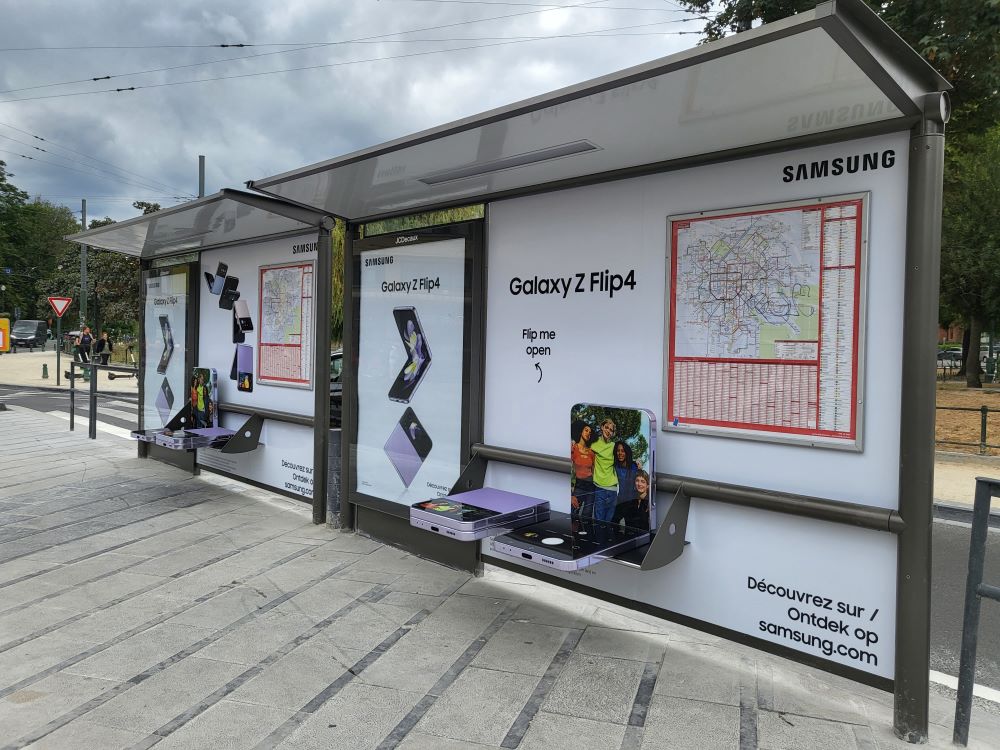
Bus Stop Advertising Do's and Don'ts by clearchannel.co.uk
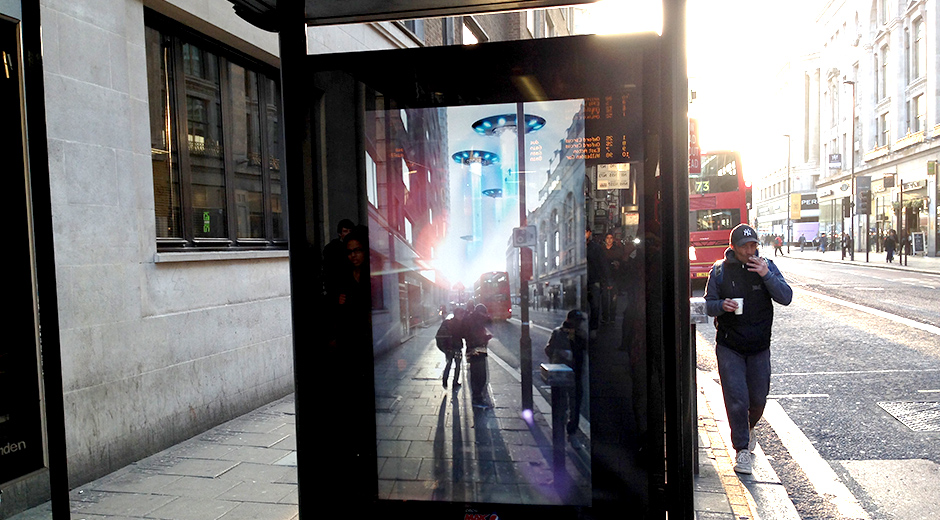
Types of Bus Shelter Ads
Advertising at bus shelters encompasses various formats designed to engage commuters and pedestrians effectively.
Traditional posters remain a classic choice, utilizing paper-based materials and offering high visibility in transit shelters. They are cost-effective and versatile, suitable for long-term campaigns. In urban environments, bus shelters attract high foot traffic, increasing the chances of ads being seen by a larger audience.
Traditional posters provide cost-effective, high-visibility advertising solutions, making them ideal for long-term campaigns in transit shelters.
Conversely, digital displays provide illuminated screens that allow for dynamic content, enhancing engagement with real-time updates. These displays are also notable for their high visibility at night. In addition, bus stop shelter advertising includes digital/LED options, which can further elevate the appeal of ad campaigns.
Some bus shelters incorporate interactive elements, which encourage audience participation and enhance brand engagement.
Each format serves unique purposes and caters to diverse advertising strategies in urban environments.
Targeted Marketing Benefits
Targeted marketing through bus shelter ads provides significant advantages for businesses seeking to engage with specific demographics. Positioned at high-traffic intersections, these ads achieve high visibility at night, ensuring continuous exposure to potential customers. Demographic targeting allows advertisers to strategically place ads in areas frequented by their desired audience, such as near universities or workplaces. This approach is cost-effective compared to other OOH formats, maximizing return on investment. In addition, the flexibility of campaign timing enables alignment with local events or peak commuter periods, enhancing overall effectiveness and community engagement while fostering brand awareness among local populations. Additionally, bus shelter advertising has a high reach, with 1.4 billion local bus journeys in England in FY 2022, reinforcing its effectiveness in targeting local consumers. Also, the long dwell times (5-15 minutes) at these shelters increase audience engagement, making them an ideal platform for impactful messaging. This is further emphasized by the fact that bus shelter adverts can’t be ignored or switched off, capturing the attention of individuals waiting for their bus.
Advertising Impact and Reach
The effectiveness of bus shelter advertising is underscored by its substantial audience reach and high recall rates among consumers. With 92% of the population exposed weekly, this medium effectively captures the attention of pedestrians, motorists, and commuters in urban areas. Significantly, backlit displays enhance visibility, particularly during nighttime, ensuring consistent impressions count (opm). The weather resistance of materials used protects the integrity of the advertisements, allowing for sustained exposure despite environmental factors. Frequent interactions occur in high-traffic locations, enabling brands to engage effectively with their target demographic while maintaining cost-efficiency compared to other out-of-home advertising formats. This is particularly vital as 34 million public transportation uses each weekday highlight the extensive daily movement in urban environments. Also, bus shelter advertising can reach over 95% of people ages 18-49, making it a powerful tool for brand awareness. Notably, bus shelter ads reach 92% of the population weekly, demonstrating their effectiveness in targeting commuters and professional audiences.
Strategic Placement and Design
Strategic placement and design are vital components in maximizing the effectiveness of bus shelter advertising. Effective locations include high-traffic areas, such as shopping centers and transport hubs, to guarantee visibility. Quick readability is essential; utilizing bold typography and minimal text enhances legibility for fast-moving pedestrians. Employing weather-resistant substrates like vinyl protects the advertisements from environmental conditions. Monitoring metrics such as reach, engagement, and conversion rates further helps to assess the effectiveness of these ads. Vandalism protection is also important; durable materials and coatings help maintain the integrity of ads in urban settings. Integrating advertisements with complementary marketing channels further enhances their impact, creating a cohesive strategy that resonates with the targeted audience. Bus advertising formats like bus kings and bus tails can effectively complement bus shelter ads, expanding brand visibility during daily commutes. Also, high visibility in urban neighborhoods ensures that these ads reach a larger audience, making them a critical component of an effective advertising strategy.
Popular Wiki Terms:
Cost and Effectiveness
Bus shelter advertising presents a cost-effective solution for reaching a wide audience in urban environments. With the potential to engage up to 92% of the population weekly, it offers substantial audience reach. The low cost per impression makes it an attractive option compared to television and other outdoor advertising methods. Businesses can implement various marketing strategies, from brand awareness to event promotions, enhancing flexibility. Bus shelter advertising generally yields a high return on investment, proving advantageous for sustained visibility. This effectiveness is further amplified by the high visibility of ads in busy areas, ensuring that they capture the attention of diverse demographics. Also be aware that bus exterior ads can generate between 9,000 to 100,000 impressions per day, significantly increasing the potential reach for advertisers. The use of static posters and digital ads enhances engagement and allows for real-time updates, making campaigns more dynamic.
References & Data Sources:
https://75media.co.uk/blog/bus-shelter-advertising/ – Retrieved April 27, 2025
https://www.adquick.com/media/street-furniture/bus-shelter – Retrieved April 29, 2024
https://camphouse.io/blog/bus-shelter-advertising – Retrieved January 29, 2025
https://www.clearchannel.co.uk/latest/the-do-s-and-don-ts-of-bus-stop-advertising – Retrieved April 22, 2025
https://www.junglecommunications.com/bus-shelter-advertising-what-you-need-to-know/ – Retrieved April 29, 2025
https://www.bluelinemedia.com/bus-advertising/washington-dc – Retrieved April 29, 2025
https://oneday.agency/blog/how-effective-are-ads-on-buses-and-bus-shelters – Retrieved April 29, 2025
https://alightmedia.com/news/is-bus-shelter-advertising-right-for-your-business – Retrieved April 29, 2025
https://hellostarling.com/news-views/the-benefits-of-bus-stop-advertising – Retrieved April 29, 2025
https://www.contravision.com/transit-advertising-stats/ – Retrieved April 28, 2025
https://www.louisvillecardinal.com/2022/06/bus-shelter-ads-everything-you-need-to-know/ – Retrieved April 28, 2025
https://75media.co.uk/blog/outdoor-advertising-stats/ – Retrieved April 28, 2025
https://www.alotmedia.com/services/ooh-advertising/transit-advertising/strategies-for-bus-shelter-advertising/ – Retrieved April 28, 2025
https://americanguerillamarketing.com/bus-stop-advertising/f/revolutionize-local-advertising-in-georgia-guerrilla-tactics – Retrieved April 28, 2025
https://www.outfront.com/media/street-furniture-advertising/bus-shelters – Retrieved April 28, 2025
https://www.alotmedia.com/services/ooh-advertising/transit-advertising/cost-of-bus-shelter-ads-types-benefits-more/ – Retrieved April 28, 2025
https://www.bluelinemedia.com/bus-advertising – Retrieved April 28, 2025
https://themediaplanningagency.com.au/benefits-of-bus-shelter-advertising/ – Retrieved April 28, 2025