
Soft-Touch Lamination Definition
Soft-touch lamination is a specialized finishing process that enhances the tactile and visual qualities of printed materials. It utilizes a matte film, commonly constructed from BOPP or polyester, which imparts a velvety texture while providing durability. This process effectively creates a moisture barrier, safeguarding against scratches and fading. It is favored for luxury packaging and promotional materials. Understanding its techniques and variations can inform selection for specific applications in print media. Further details on its advantages and limitations are available.

Quick Summary
- Soft-touch lamination is a finishing process that enhances the tactile and visual qualities of printed materials with a velvety texture.
- It uses BOPP or polyester film with polymer-based adhesives, providing a matte finish and moisture barrier for durability.
- Common applications include luxury packaging, business cards, and promotional materials, aligning with sustainability trends.
- The process involves applying UV-curable adhesive and a matte film under controlled heat, followed by UV light curing.
- Key benefits include scratch and moisture protection, enhanced color vibrancy, and conveying exclusivity and quality to consumers.
Definition and Basics of Soft-Touch Lamination
Soft-touch lamination is a specialized finishing process that enhances the tactile and visual qualities of printed materials. This technique utilizes bi-axially oriented polypropylene (BOPP) or polyester film, applying polymer-based adhesives to create a matte finish. The resulting velvety texture improves the tactile qualities of products, making them more appealing to consumers. Soft-touch lamination provides a moisture barrier that contributes to the overall durability of the finished product. Soft-touch lamination is particularly effective for luxury packaging, business cards, and promotional materials, providing a unique marketability advantage. Its durability protects items from scratches and moisture while maintaining recyclability. This process aligns with sustainability trends, offering a premium appearance without compromising environmental responsibility, and it is ideal for frequently handled materials that require an enhanced perception of quality. The high-end look of soft-touch lamination makes it suitable for businesses targeting affluent market segments.
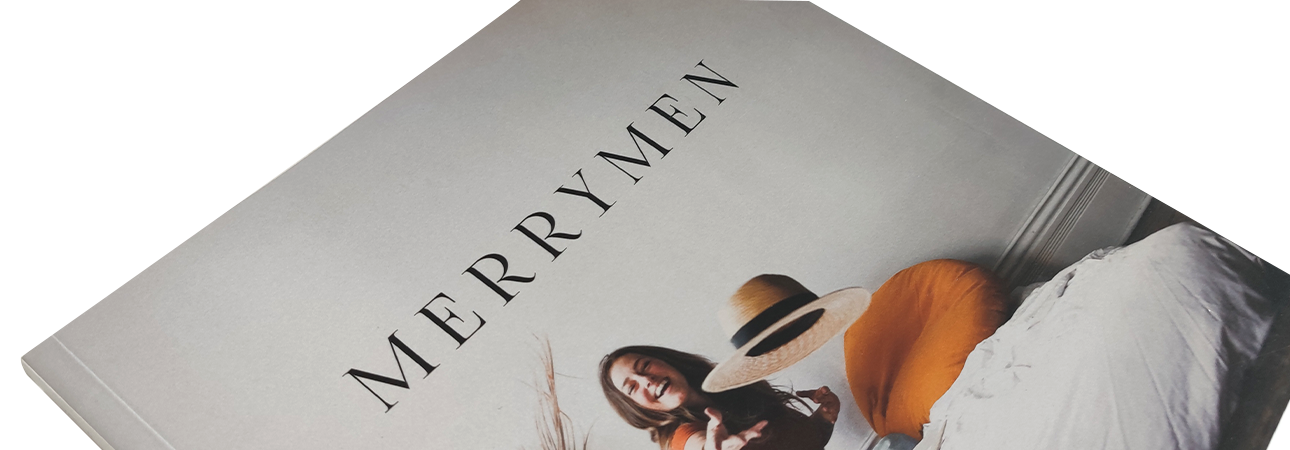
Soft-Touch Lamination for Luxury Printed Materials and Products by qinprinting.com
The Process of Applying Soft-Touch Lamination
The application of soft-touch lamination involves several critical steps to guarantee ideal adhesion and finish quality.
Initially, surfaces must be clean and dust-free, using substrates compatible with UV-curable adhesives. An adhesive application follows, where UV-curable adhesive is evenly distributed onto the substrate.
Next, a BOPP film with a matte coating is applied using controlled heat and pressure, securing a velvet texture while eliminating air bubbles. This process ensures that the labels are well-protected from scratches, moisture, and smudging. The soft-touch lamination provides a softer-looking feel that enhances the overall appeal of the product. This lamination method is known for its ability to create a moisture barrier that further protects the printed materials.
Final curing occurs under UV light to stabilize the lamination, followed by mechanical trimming for seamless edges.
Quality control verifies uniform texture and confirms the integrity of the laminated product throughout the process.
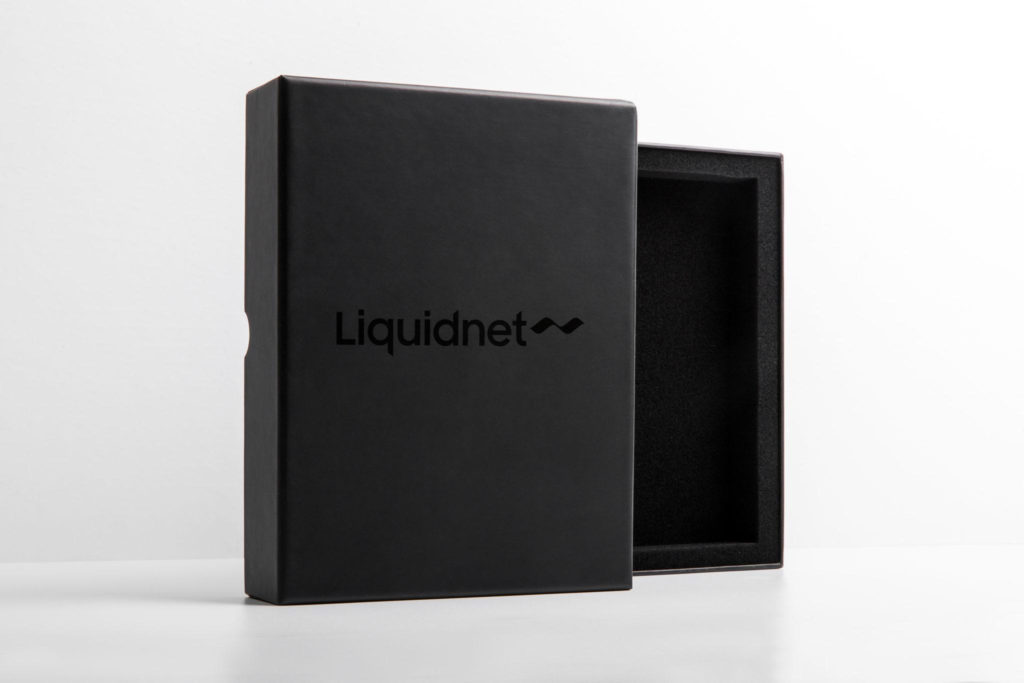
Soft Touch Coating Vs Soft Touch Lamination For Packaging ... by pakfactory.com
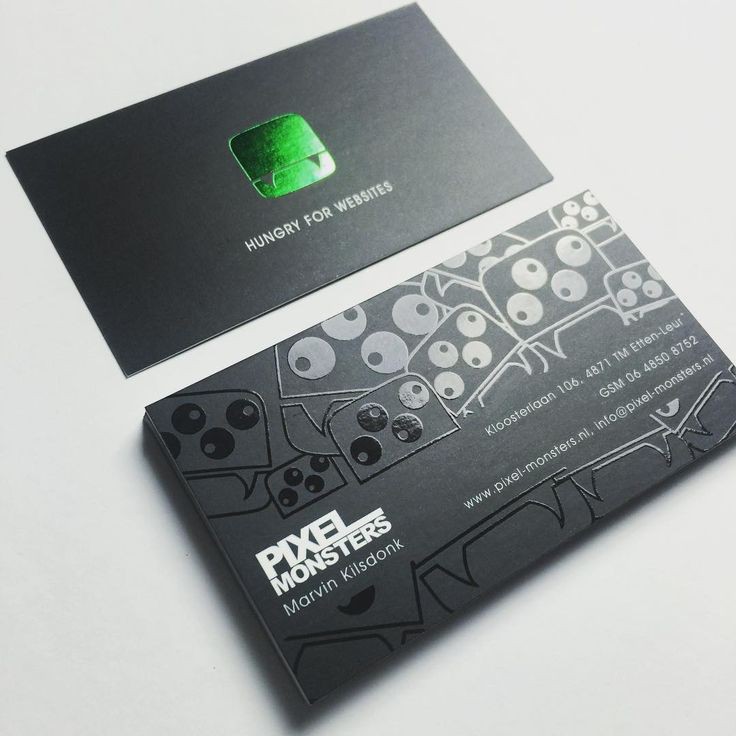
Soft Touch Finish Business Cards: The Ultimate Guide by 4over4.com
Key Benefits of Soft-Touch Lamination
Numerous benefits are associated with soft-touch lamination, particularly in enhancing tactile experiences. The velvety texture provides a premium feel, encouraging prolonged handling and creating lasting impressions. Soft-touch lamination offers protection against scratches, moisture, and fading, ensuring durability for frequently handled items. Aesthetically, the matte finish adds depth to designs, enhancing color vibrancy and allowing for striking contrasts with glossy elements. This technique creates a luxurious, high-end look that elevates the overall appearance of print materials. From a marketing perspective, products with soft-touch lamination convey exclusivity and quality, fostering emotional connections with consumers. This unique combination of protection, aesthetics, and effective marketing makes soft-touch lamination a valuable choice for brands seeking differentiation. Also, the process begins with adhering a thin layer of BOPP film to printed items, further enhancing the overall quality and durability.
Types and Variations of Soft-Touch Lamination
Lamination techniques vary greatly, particularly within the domain of soft-touch applications. PU lamination is the most common type, providing a luxurious velvet texture and high durability, suitable for premium packaging. Conversely, PET polyester lamination offers a cost-effective alternative with a similar feel but slightly less durability. Scratch-resistant lamination is formulated to endure abrasions while retaining a soft-touch finish. Various soft-touch film variations, such as BOPP film, allow for different application methods and coverage options. Understanding these types guarantees the selection of appropriate materials for specific projects, catering to diverse needs within the market. Lamination techniques can significantly enhance the durability and protection of printed products. Notably, soft touch lamination adds a luxurious sensory experience, enhancing product desirability.
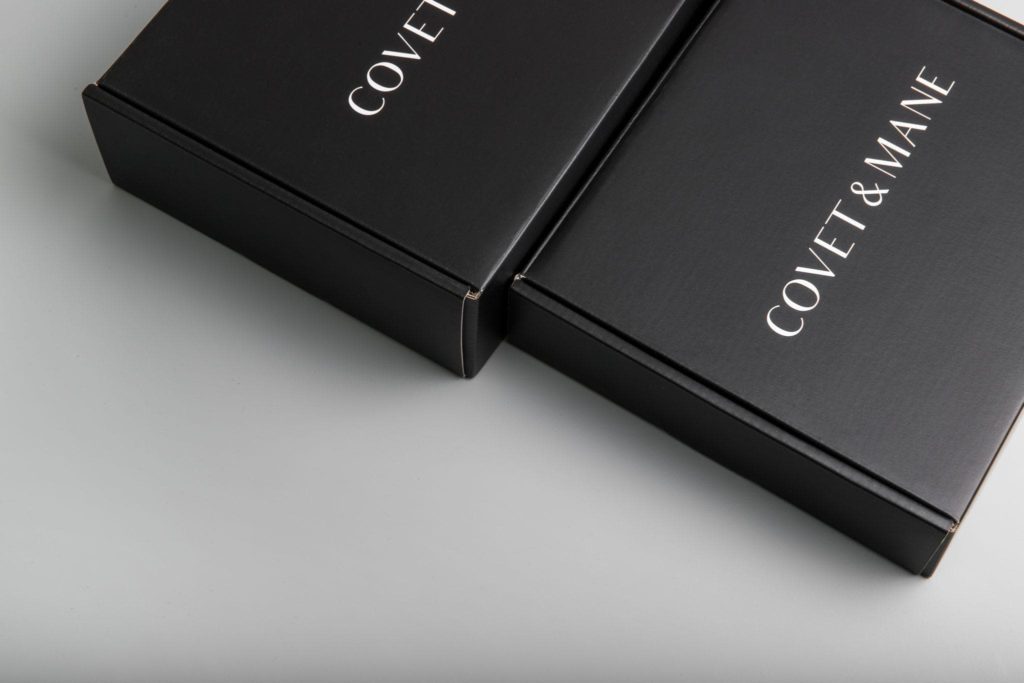
Soft Touch Coating Vs Soft Touch Lamination For Packaging ... by pakfactory.com
Popular Wiki Terms:
Pros and Cons of Soft-Touch Lamination
Soft-touch lamination offers several advantages and disadvantages that must be carefully considered in its application.
The primary benefits include enhanced aesthetic appeal, durability against scratches and moisture, and protection from environmental factors.
Nevertheless, this process involves a higher cost due to specialized materials and machinery. Soft-touch lamination may dull colors, complicate binding, and increase weight.
Another significant concern is its environmental impact, as the plastic films used may not be recyclable.
Organizations must weigh these factors against their objectives to determine the suitability of soft-touch lamination for their specific projects and target audiences.
References & Data Sources:
https://www.stickermountain.com/what-is-soft-touch-lamination/ – Retrieved March 28, 2025
https://boxprintify.com/soft-touch-lamination/ – Retrieved March 30, 2024
https://www.qinprinting.com/blog/soft-touch-lamination-for-printing/ – Retrieved December 30, 2024
https://www.qinprinting.com/soft-touch-lamination/ – Retrieved March 23, 2025
https://www.stickermountain.com/3-benefits-of-soft-touch-laminate-for-labels/ – Retrieved March 30, 2025
https://www.dreamcustomboxes.com/soft-touch-coating-lamination/ – Retrieved March 30, 2025
https://pakfactory.com/blog/soft-touch-coating-vs-soft-touch-lamination/ – Retrieved March 30, 2025
https://www.4over4.com/content-hub/stories/what-are-soft-touch-laminated-business-cards – Retrieved March 30, 2025
https://prpco.com/elevate-your-print-products-with-soft-touch-lamination-the-perfect-blend-of-style-and-function/ – Retrieved March 30, 2025
https://www.customproductpackaging.com/blog/soft-touch-lamination – Retrieved March 29, 2025
https://www.treetowns.com/blog/4-different-types-of-lamination/ – Retrieved March 29, 2025
https://theprintauthority.com/types-of-lamination/ – Retrieved March 29, 2025