
Wire-O Binding Definition
Wire-O binding is a mechanical binding method that utilizes double-looped metal wires inserted through pre-punched holes in pages. This technique guarantees both durability and aesthetic appeal for documents, making it suitable for items such as reports and manuals. The binding process involves aligning pages, punching rectangular holes, inserting wire loops, and crimping the loops closed. Although it offers a professional finish, it has limitations, including restricted page capacity and fragility under rough handling. Further insights are available on its applications and advantages.
Definition and Terminology
Wire-O binding, also known as twin-loop or double-loop binding, is a mechanical binding method characterized by the use of C-shaped metal wires that secure pages through pre-punched holes.
Wire-O binding, a mechanical method using C-shaped metal wires, securely fastens pages through pre-punched holes for durability and style.
Commonly referred to as ring wire in various regions, this binding technique employs pre-formed, double-loop wire elements crimped closed after insertion.
Typically made from steel or aluminum, Wire-O provides a sleek appearance and allows for 360-degree page rotation.
This binding service is suitable for a range of documents, including manuals and reports, and is facilitated by a wire-o binding machine, ensuring efficient production and high-quality results for diverse applications.
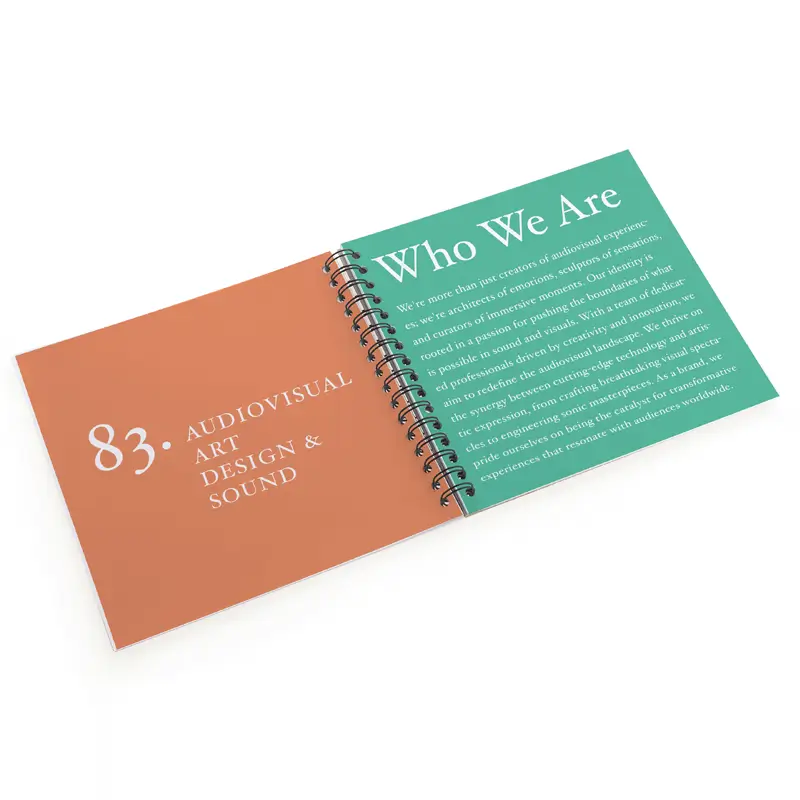
Wire Bound Book Printing by mixam.com
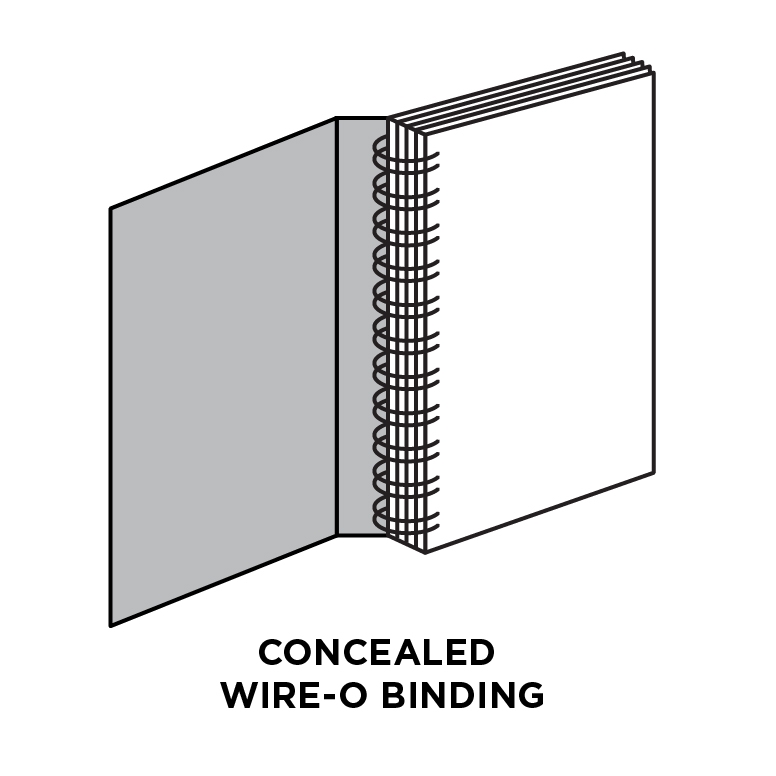
Binding Options by alphagraphics.com
Binding Process
The binding process for Wire-O involves several critical steps to guarantee a high-quality finished product.
First, pages are aligned and collated in the correct order, ensuring proper margin settings of 7/8” for wire insertion.
Next, punching equipment for Wire-O patterns creates rectangular holes along the binding edge.
Following this, the open wire loops are inserted through the punched holes, starting with the covers.
The process concludes with crimping the wire loops using a Wire-O closer.
Finally, custom cover laminations may be applied to enhance durability and aesthetics, ensuring the final product meets client specifications and expectations.
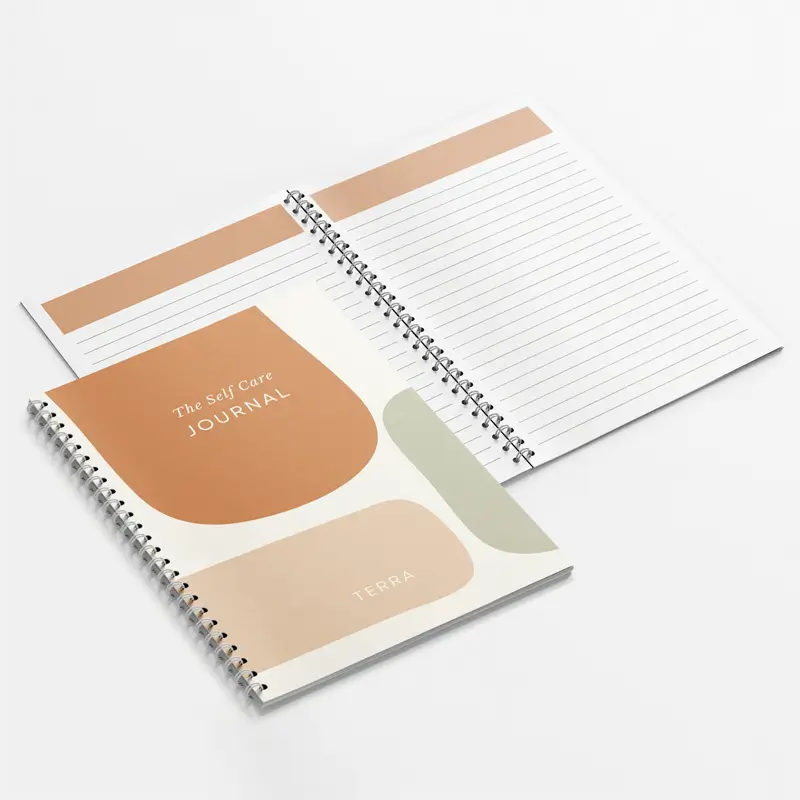
Wire Bound Book Printing by mixam.com
Advantages
An array of advantages characterizes Wire-O binding, making it a preferred choice for various printed materials. This binding method offers a professional appearance, enhancing the aesthetics of documents, especially in formal settings. In addition, Wire-O binding is known for its durability and longevity, ensuring that pages remain securely attached despite frequent handling. It allows documents to open fully and lie flat, facilitating ease of use. Also be aware that the flexibility in editing enables users to insert or remove pages effortlessly, accommodating frequently updated content. These attributes contribute to its widespread application in corporate and educational materials. Also, Wire-O binding utilizes looped metal wire, providing stronger durability than plastic options.
Applications
Applications of Wire-O binding span a variety of sectors, highlighting its versatility and functional benefits.
In the education sector, it is frequently used for syllabi and course packets, allowing easy access to materials.
Corporate presentations benefit from the polished appearance that enhances readability, making it ideal for training manuals and policy binders.
The finishing service offered through Wire-O binding guarantees durability for frequently handled documents, such as reports and manuals.
Its lay-flat design facilitates user interaction, making it suitable for high-traffic environments across various industries, including healthcare and legal sectors, where secure document handling is essential.
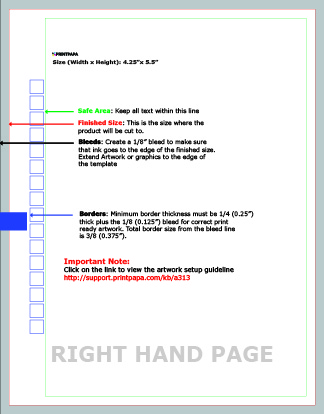
Find a Printing Template :: Printpapa.com by printpapa.com
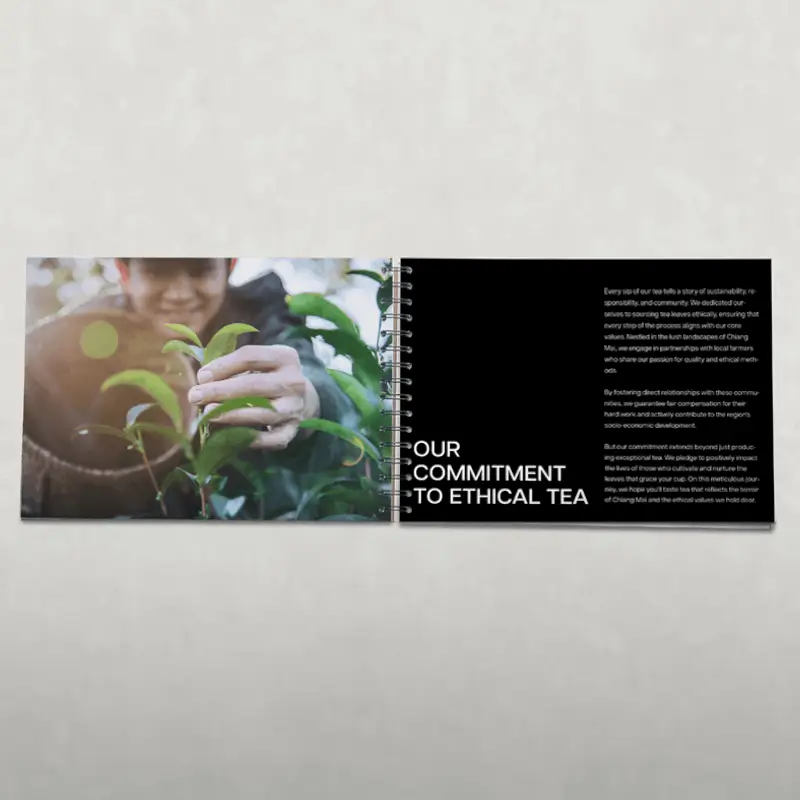
Wire Bound Book Printing by mixam.com
Technical Details
Wire-O binding is characterized by its efficient use of looped wire to secure pages, allowing for a lay-flat design that enhances usability.
The binding process is optimized by maintaining proper binding edge margins, typically recommended at 7/8 inch. This technique supports production speeds of 500 to 1,000 books per hour, facilitated by advanced machines such as the James Burn Wire-O Bind 3000S.
Wire-O binding showcases material versatility, accommodating various paper types and thicknesses. It is available in different pitch sizes, with a binding thickness range suitable for documents up to 1-1/4 inches thick, ensuring adaptability for diverse projects.
Popular Wiki Terms:
Limitations
While Wire-O binding offers numerous advantages, it is not without its limitations. The fragility of the binding material can lead to bending with rough handling, affecting durability. Wire-O binding is limited in page capacity, making it unsuitable for large notebooks or extensive educational materials. This binding method can be time-consuming and often requires costly equipment. Page handling limitations exist, as rough treatment may hinder usability, and the system cannot accommodate oversized pages. Also be aware that once bound, documents cannot be edited, restricting flexibility. Consequently, alternative binding methods may be more appropriate for larger or frequently updated materials. For example, coil binding machines are designed to accommodate thicker documents and allow them to lay flat when opened.
References & Data Sources:
https://mixam.com/wiro – Retrieved April 30, 2025
https://www.alphagraphics.com/print-services/book-printing-binding/binding-options – Retrieved May 2, 2024
https://www.printingcenterusa.com/blog/spiral-binding-vs-wire-o-binding/ – Retrieved February 2, 2025
https://www.printpapa.com/eshop/pc/template_finder.asp?template_categ=33&postback=1 – Retrieved April 25, 2025
https://afterprintltd.co.uk/the-pros-and-cons-of-different-types-of-paper-binding-machines/ – Retrieved May 2, 2025