
White Ink Printing Definition
White ink printing is a specialized process that employs opaque white ink to create contrast on non-white substrates. This technique is essential when traditional inks cannot produce white, ensuring vibrant colors on dark materials. Common techniques include digital and UV printing, which allow for precise color management. Various substrates, such as metallic surfaces and dark papers, benefit from this method. This printing style enhances branding and visual impact, offering diverse applications across industries. Further insights will clarify its techniques and benefits.
Understanding White Ink Printing
White ink printing is a specialized process that employs opaque white ink to enhance design contrast and visibility on non-white substrates. This technique is essential because traditional CMYK inks cannot produce white.
It involves precise color management for dark substrates, ensuring vibrant print results. White ink can serve as a base layer or be applied as a spot color, facilitating specialty ink applications on various materials.
This method considerably improves the saturation and vibrancy of high-impact marketing materials, allowing for visually striking designs that stand out. Its diverse applications make it valuable across industries focused on branding and visual communication.
Print Shop Bill Sample by uniformsoftware.com
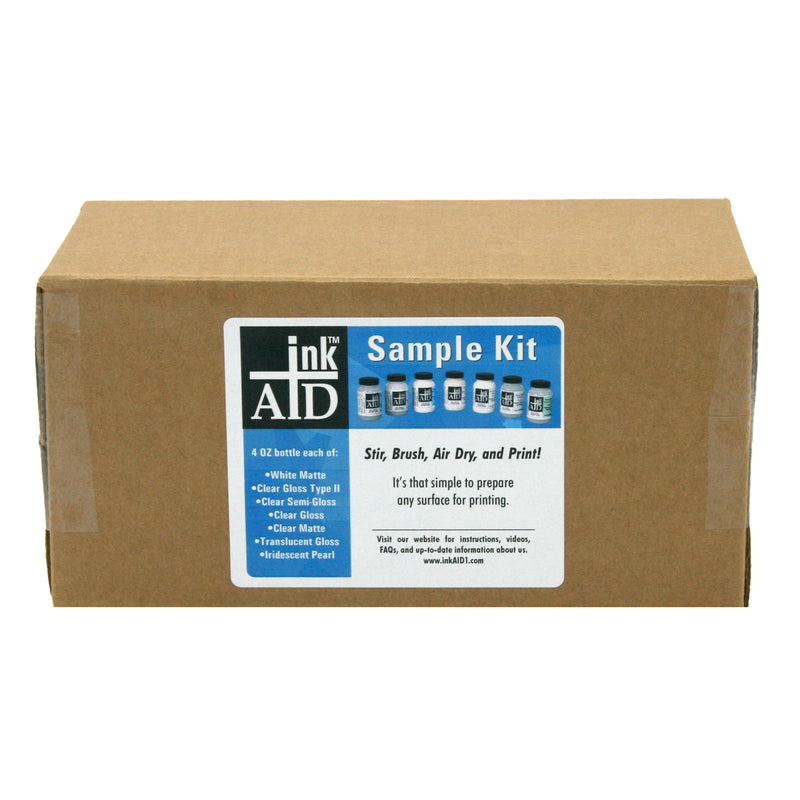
inkAID Inkjet Receptive Coating Sample Set by inkaid1.com
Techniques for White Ink Printing
Techniques for white ink printing encompass a range of processes tailored to achieve high-quality results across various substrates.
Offset printing is efficient for large runs, utilizing ink wells that include white.
Digital printing allows for short runs and personalization but requires workarounds for white layers.
Digital printing enables customized short runs, though implementing white layers necessitates creative solutions.
UV printers with white ink capability provide rapid-drying, vibrant results.
Screen printing effectively applies white ink for larger designs, though it can be costly for high volumes.
Foil stamping offers a metallic-like finish with white foil but is limited to specific designs.
Each method serves distinct applications based on client needs and project requirements.

2024 Hot Selling Mini Portable 600DPI Bottle Cap Date Printer 12.7 ... by alibaba.com
Materials Used in White Ink Printing
Materials utilized in white ink printing vary considerably based on the intended application and substrate characteristics.
Common substrates include dark-colored papers, which require a white underbase layer setup to maintain color integrity. Smooth synthetic materials, such as polypropylene and PET sheets, facilitate crisp ink application with minimal absorption.
Metallic or reflective surfaces, like foil boards, utilize white ink to create contrast in layered designs. Kraft paper, particularly in brown or black variants, demands careful preparation due to its rough texture, ensuring ideal ink adhesion.
Understanding these materials is essential for achieving successful white ink printing outcomes.
Benefits of White Ink Printing
The application of white ink printing offers several significant advantages that enhance both design and functionality.
White ink provides an opaque base, increasing color vibrancy and improving readability on darker substrates. It enables creative design options, allowing printing on various materials, including transparent and colored substrates.
This versatility supports brand differentiation in packaging, especially for luxury product packaging. White ink enhances durability by adding a protective layer.
Its unique capabilities allow for textured prints and layered designs, improving overall aesthetic appeal and functionality.
In the end, these benefits contribute to more impactful and effective marketing materials.
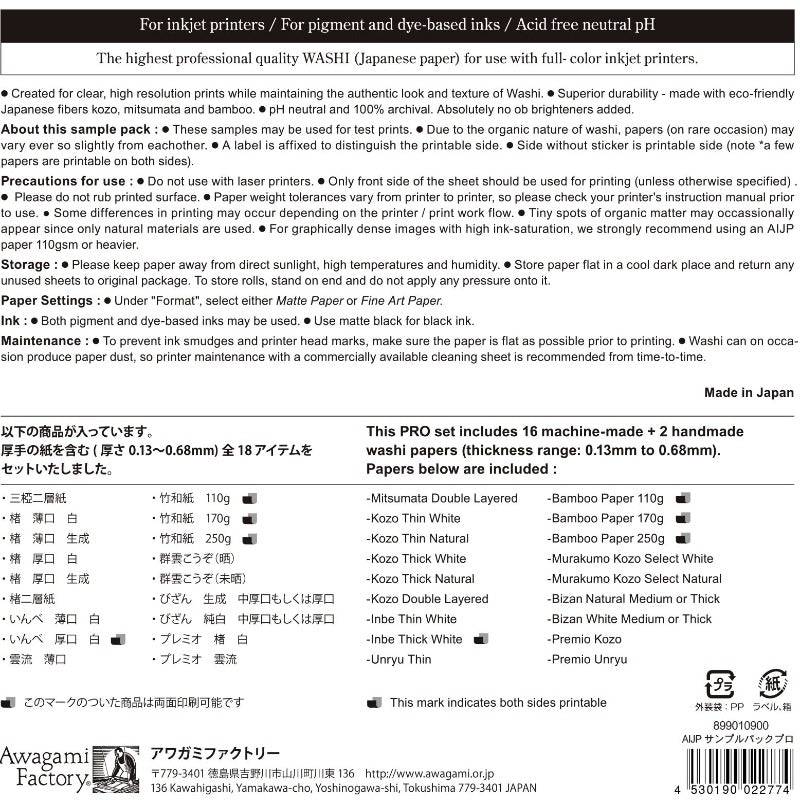
AIJP Pro Sample Pack (18 Sheets) by awagami.com

Digital Printing on Vanguard Paper - White Ink + Full Colour with ... by afterhourscreativestudio.com
Popular Wiki Terms:
Applications of White Ink Printing
Applications of white ink printing span various industries and use cases, demonstrating its versatility and effectiveness.
This technique is particularly beneficial for business cards, brochures, and invitations, where clarity and visual impact are essential. White ink enhances readability on dark or colored materials, making it ideal for custom and promotional products.
It is suitable for labels, stickers, and signage, improving visibility in various environments. The ability to print on transparent substrates further expands its applications, allowing for vibrant, layered effects in creative designs.
References & Data Sources:
https://uniformsoftware.com/template/printshopinvoicetemplate – Retrieved April 30, 2025
https://inkaid1.com/products/inkaid-sample-set – Retrieved May 2, 2024
https://www.alibaba.com/product-detail/2024-Hot-Selling-Mini-Portable-600DPI_1601250911162.html – Retrieved February 2, 2025
https://awagami.com/products/aijp-pro-sample-pack-18-sheets – Retrieved April 25, 2025
https://www.afterhourscreativestudio.com/vanguard-printing – Retrieved May 2, 2025