
Weather-Resistant Definition
Weather resistance is the ability of materials and structures to endure environmental factors such as moisture, temperature changes, sunlight, and wind. It is essential for ensuring durability and functionality over time. Key properties include high strength, corrosion protection, and thermal insulation. Common applications span construction and consumer goods, enhancing product lifespan. Techniques to improve weather resistance include surface modifications and advanced materials. The ongoing development of sustainable innovations and smart materials promises to further enhance these capabilities.
Definition of Weather Resistance
Weather resistance refers to the ability of materials and structures to endure exposure to environmental factors such as rain, wind, sunlight, and temperature variations.
Weather resistance is crucial for materials to withstand environmental challenges like rain, wind, sunlight, and temperature changes.
This concept encompasses the degradation resistance of materials to physical, chemical, and biological weathering processes.
Within the domain of weather-resistant printing, UV mitigation is essential to prevent photodegradation.
Durability testing evaluates materials for tear resistance, moisture tolerance, and UV stability, ensuring long-lasting performance.
It is important to distinguish between weather-resistant and weatherproof; the former offers moderate protection, while the latter guarantees absolute protection under specified conditions.
Understanding these distinctions is significant in various applications.
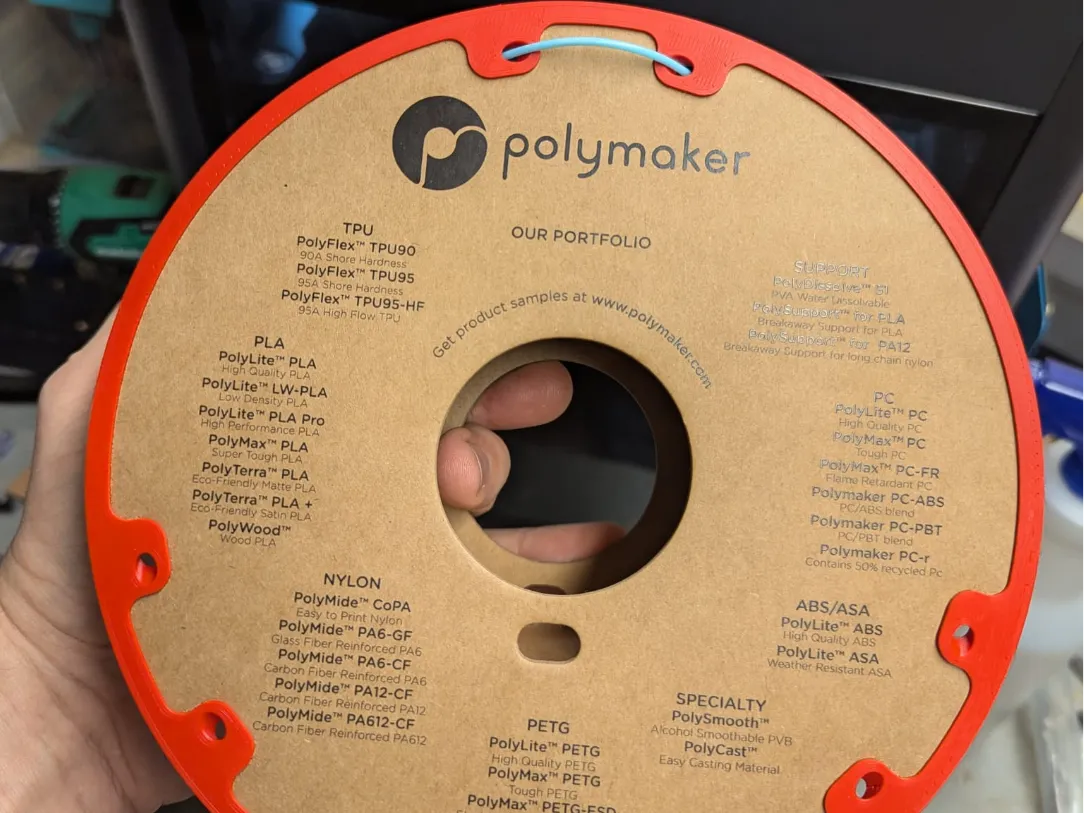
AMS Cardboard Spool Adapter for Polymaker (newer) by keronian ... by makerworld.com

Custom bubble mailer samples by stickermule.com
Key Properties of Weather-Resistant Materials
Key properties of weather-resistant materials play a significant role in their performance under various environmental conditions.
A high-strength-to-weight ratio guarantees materials like aluminum remain robust while minimizing structural load. Corrosion protection is crucial, with materials such as stainless steel effectively resisting degradation in harsh climates.
Thermal insulation properties enhance energy efficiency, helping maintain stable indoor temperatures and preventing moisture ingress. Aesthetic customization allows for integration into diverse architectural designs, ensuring that functionality does not compromise visual appeal.
Together, these attributes contribute to the long-term durability and effectiveness of weather-resistant materials in various applications.

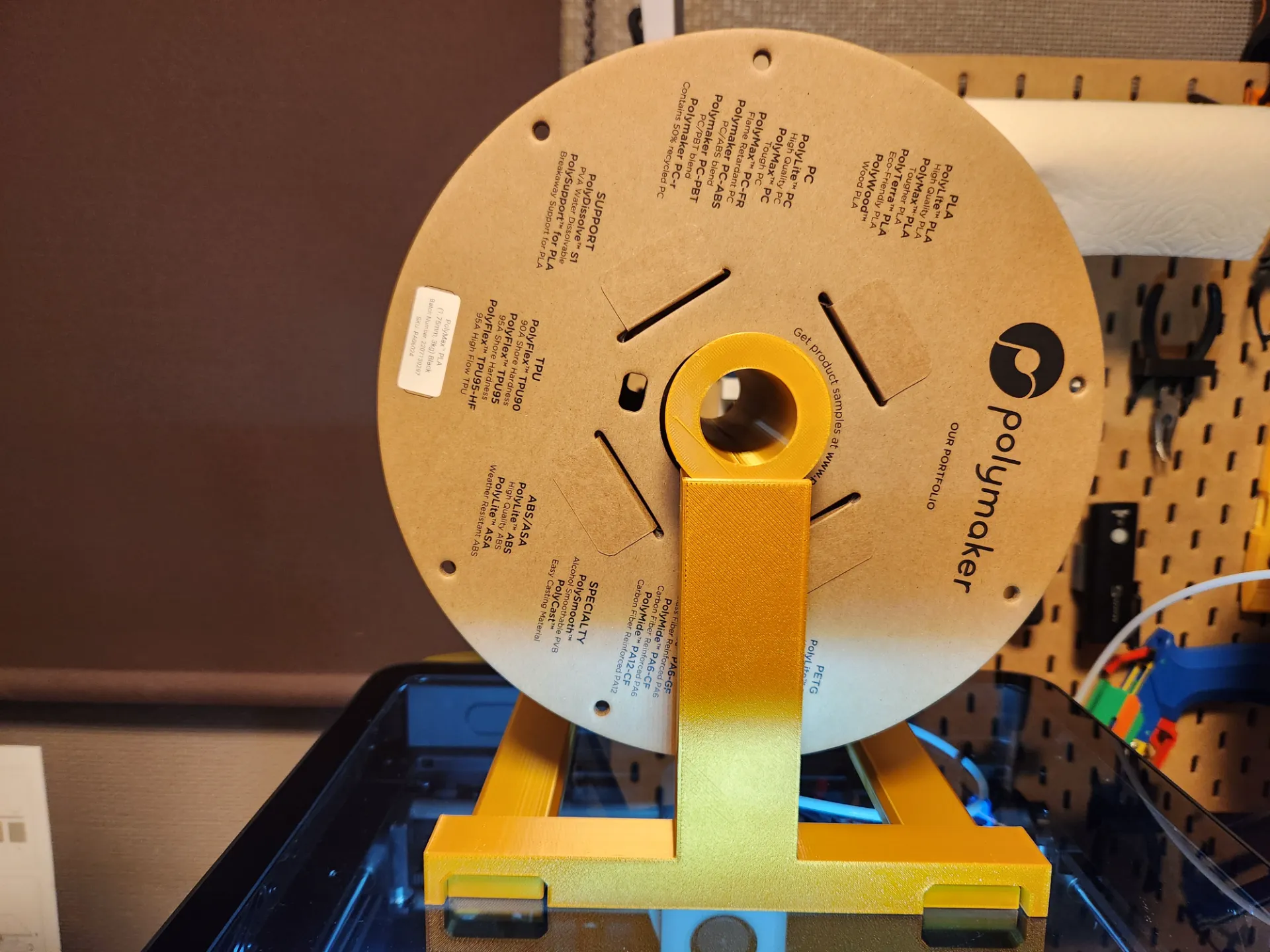
spool holder 3kg with rod Remixed by 3畳1間の工作部屋 - MakerWorld by makerworld.com
Common Applications in Construction and Consumer Goods
In construction and consumer goods, the application of weather-resistant materials is essential for ensuring durability and functionality in adverse conditions.
Weatherproof inks and outdoor durable printing techniques are utilized for signage and advertising that withstand harsh environments.
In construction, materials such as moisture-resistant insulation and leakage-resistant roofing systems enhance building longevity while providing cost savings by reducing maintenance needs.
Moisture-resistant insulation and leakage-resistant roofing systems boost building longevity and cut maintenance costs.
Weather-resistant treatments protect outdoor furniture and gear, ensuring they remain functional and visually appealing.
These applications not only extend product lifespan but also contribute to sustainability by minimizing waste through fewer repairs and replacements.
Techniques to Enhance Weather Resistance
To enhance weather resistance in various applications, a combination of surface modifications, material selection, structural reinforcement, treatment technologies, and innovative developments is crucial.
Waterproof coatings protect surfaces from moisture, while epoxy-based treatments strengthen materials against adverse conditions. The use of UV-resistant coatings preserves material integrity over time.
Structural reinforcement, such as incorporating drainage systems and flexible joints, enhances resilience against environmental stresses. High-performance composites and galvanized metals are chosen for their durability.
Employing weatherproof inks in printing guarantees longevity for outdoor advertising materials. These techniques collectively contribute to effective weather-resistant solutions across multiple industries.
Popular Wiki Terms:
Future Trends in Weather-Resistant Innovations
As industries increasingly prioritize sustainability and resilience, future trends in weather-resistant innovations are expected to encompass a range of advanced materials and technologies. Notable developments include sustainable materials such as bio-based composites and carbon-negative concrete, which align with industrial decarbonization goals. UV-resistant coatings are anticipated to enhance longevity for outdoor structures. Smart materials will provide adaptive responses to environmental changes, improving efficiency. Advanced insulation materials, including phase-change materials and mycelium products, will offer superior thermal regulation. These innovations collectively aim to foster durability and sustainability in construction and manufacturing practices, addressing both environmental and performance challenges. Also, metamaterials are emerging as a key technology to improve efficiency in energy harvesting for weather-resistant applications.
References & Data Sources:
https://makerworld.com/en/models/845289 – Retrieved April 30, 2025
https://www.stickermule.com/products/bubble-mailer-samples – Retrieved May 2, 2024
https://makerworld.com/en/models/149941 – Retrieved February 2, 2025
https://www.cas.org/resources/cas-insights/materials-science-trends-2025 – Retrieved April 25, 2025