
Vinyl Definition
Vinyl is a synthetic plastic primarily made from polyvinyl chloride (PVC). It is widely employed in various applications, including consumer goods and construction materials. In music, vinyl specifically refers to records manufactured through a process involving heating and pressing PVC pellets. The production process includes quality control measures to guarantee sound fidelity. Vinyl records have experienced a cultural resurgence, attracting interest for their tactile qualities and analog sound. Further insights into its historical and technical aspects can enhance understanding.
Definition and Composition of Vinyl
Vinyl is a synthetic plastic primarily derived from the polymerization of vinyl chloride monomers, resulting in polyvinyl chloride (PVC). This versatile polymer serves as a primary component in various applications, ranging from construction materials to consumer products. Vinyl is now the second most produced plastic globally, reflecting its widespread use across different industries.
Vinyl can be found in both rigid and flexible forms, each exhibiting distinct characteristics. Key properties of PVC include durability, moldability, and weather resistance, making it suitable for diverse environments. Vinyl’s thermal stability and electrical insulation capabilities enhance its functionality in specific industries.
Additives such as plasticizers and stabilizers further optimize its performance for targeted uses, ensuring reliability in applications.
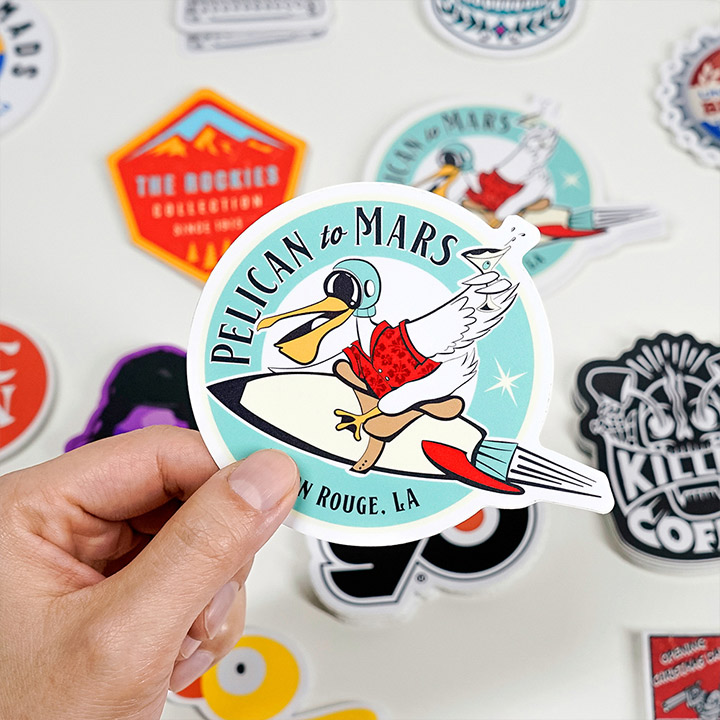
Custom Vinyl Stickers by stickeryou.com
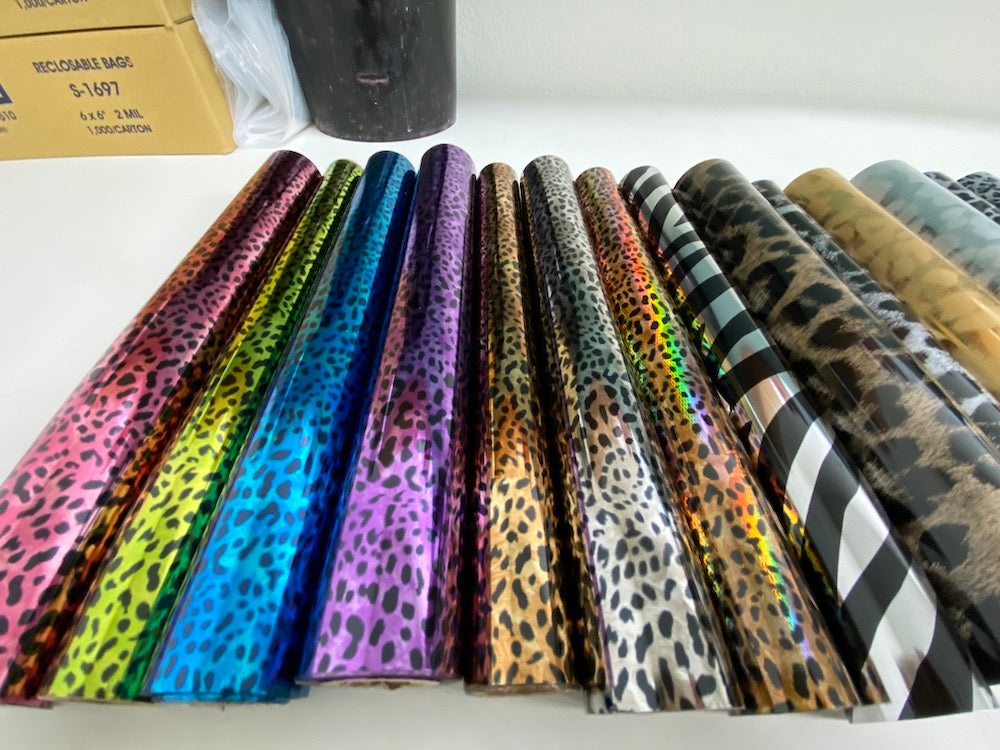
Animal Print Foil Collection Sample Pack – Artistic Painting Studio by shop.artisticpaintingstudio.com
Historical Development of Vinyl Records
The historical development of vinyl records marks a significant evolution in sound recording technology.
Beginning with Edison’s phonograph in 1877, innovations shifted from tinfoil cylinders to Emile Berliner’s flat discs in 1887.
The 1931 introduction of vinyl for radio transcription discs highlighted its durability.
Columbia’s 1948 launch of the 33⅓ rpm LP revolutionized playback time, while RCA Victor’s 1949 45 rpm singles targeted pop markets.
Despite a decline in the late 20th century due to digital formats, vinyl records experienced a resurgence in the 21st century, underscoring their cultural legacy and preference for analog sound among enthusiasts.

Bright Star Prints by brightstarprints.com.au
Manufacturing and Production Processes
Manufacturing vinyl records involves a series of precise and technical processes that guarantee the quality and durability of the final product.
Initially, music files are prepared, followed by PVC pellet formation for raw material. Record pressing machinery applies heat and pressure to create records, with quality control measures confirming ideal sound quality.
During vinyl biscuit formation, melted pellets form a “biscuit,” which is then pressed between stampers with labels. After pressing, records undergo trimming and are subjected to quality assurance.
Finally, packaging and transportation confirm the records reach distributors, fulfilling demand efficiently while maintaining high standards.
Cultural Impact and Resurgence
Although often associated with nostalgia, the cultural impact of vinyl records extends far beyond mere sentimentality. Vinyl serves as tangible artifacts of unity, having facilitated communal experiences during sociopolitical movements.
Its resurgence preservation highlights the importance of physical music in a digital age, while fostering connections among diverse communities. The nostalgia market has attracted younger generations, who appreciate the authenticity and tactile nature of records.
Vinyl’s sociopolitical legacy is evident in its role within DIY movements and the promotion of grassroots activism. This cultural phenomenon continues to bridge generations, enriching both personal identities and collective histories.
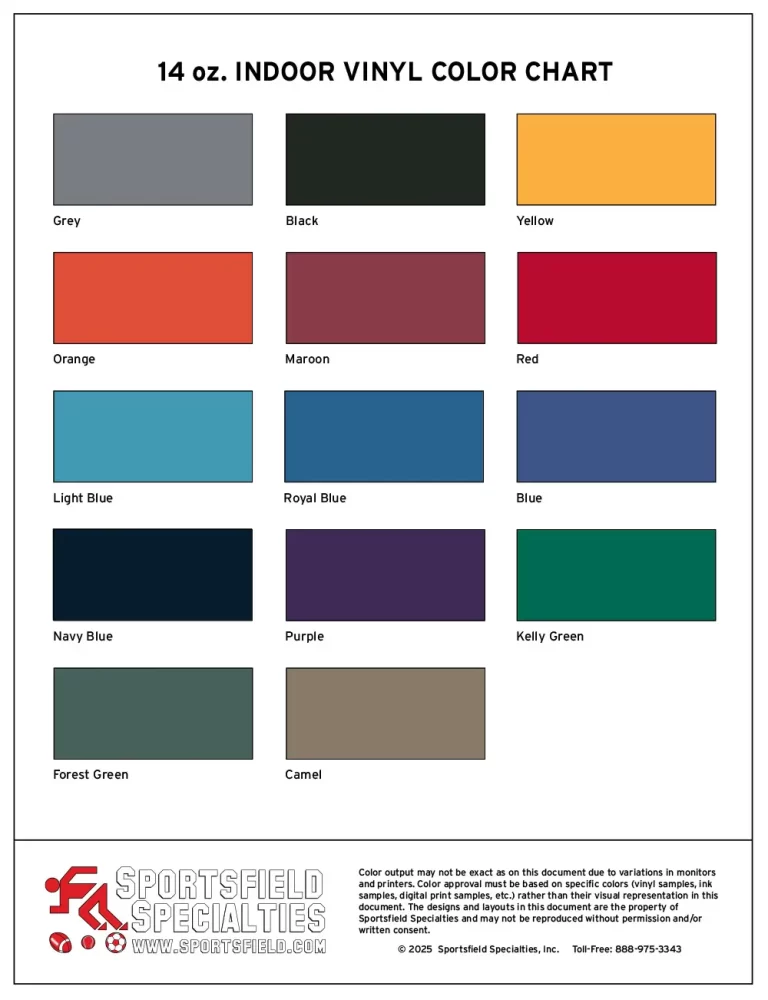
Product Color Charts by sportsfield.com
FOREVER Flex Soft - Laser Heat Transfer Paper Sample Pack 11" x ... by coastalbusiness.com
Popular Wiki Terms:
Technical Aspects and Sound Quality
Vinyl records are characterized by specific technical aspects that greatly influence their sound quality. The groove structure, featuring a spiral design with two audio channels, is essential for stereo sound.
Playback speed considerably impacts audio fidelity; faster speeds like 45 RPM reduce distortion and enhance detail. The choice of vinyl material affects sound reproduction, with heavier records often providing a more stable base.
Recording time limitations can compromise sound quality, especially at lower speeds. Adhering to IEC 98 standards guarantees consistency in production, ultimately affecting the listening experience and overall audio performance of vinyl records.
References & Data Sources:
https://www.planeo.com/guide/what-is-vinyl-a-guide-for-beginners-and-professionals/ – Retrieved April 30, 2025
https://www.stickeryou.com/products/custom-vinyl-stickers/815 – Retrieved May 2, 2024
https://shop.artisticpaintingstudio.com/products/animal-print-foil-collection – Retrieved February 2, 2025
https://www.brightstarprints.com.au/prints-sample-sticker-sheet.html – Retrieved April 25, 2025
https://www.sportsfield.com/resources/color-charts/ – Retrieved May 2, 2025
https://www.coastalbusiness.com/forever-flex-soft-laser-heat-transfer-paper-sample-pack-11-x-17-6-sheets.html – Retrieved May 2, 2025