
Vinyl Paper Definition
Vinyl paper is a self-adhesive material primarily composed of polyvinyl chloride (PVC), known for its durability and moisture resistance. It typically ranges in thickness from 50 to 200 microns. This material is suitable for various applications, including outdoor signage, vehicle wraps, and stickers. Vinyl paper is compatible with multiple printing processes, including solvent and UV printing. Yet, its manufacturing involves significant environmental concerns regarding energy consumption and limited recycling options, prompting ongoing industry exploration for sustainable alternatives.
Definition and Composition of Vinyl Paper
Vinyl paper is a synthetic material primarily composed of polyvinyl chloride (PVC), which serves as its core component. This material typically includes an adhesive layer, allowing for effective application on various surfaces. The thickness of vinyl paper varies, generally ranging between 50 and 200 microns, which contributes to its versatility in different applications. While the production of vinyl paper is energy-efficient, it poses sustainability concerns due to its non-biodegradable nature and recyclability challenges. The industry is exploring alternatives to PVC to enhance environmental impact while addressing the need for durable and functional materials in various uses. Self adhesive vinyl offers a cost-effective solution for many applications, combining durability, printability, and affordability. Vinyl is known for its exceptional durability and resistance to moisture, making it suitable for various applications that require long-lasting performance. Also, vinyl decals are widely used for personal expression, highlighting their popularity among high schoolers who often apply them to items like Hydro Flasks and water bottles.


Key Properties of Vinyl Paper
The key properties of vinyl paper contribute greatly to its application across various industries. Its durability characteristics make it ideal for long-term use, with water resistance and abrasion resistance enhancing its functionality. Vinyl paper is available in various paper weights and surface textures, including glossy and matte finishes. Environmental resistance is a significant advantage, as it withstands moisture, UV exposure, and extreme temperatures. Vinyl paper is known for its low production costs, making it an economical choice for businesses. Compatible print processes such as solvent and UV printing facilitate diverse use cases, including outdoor signage and vehicle wraps. Nevertheless, recycling options are limited due to its plastic composition, necessitating specialized disposal practices. Vinyl paper’s high resistance to physical wear ensures that it maintains integrity even in challenging environments. Also, it serves as a cost-effective promotional tool for businesses, enhancing brand visibility through creative labeling and packaging.
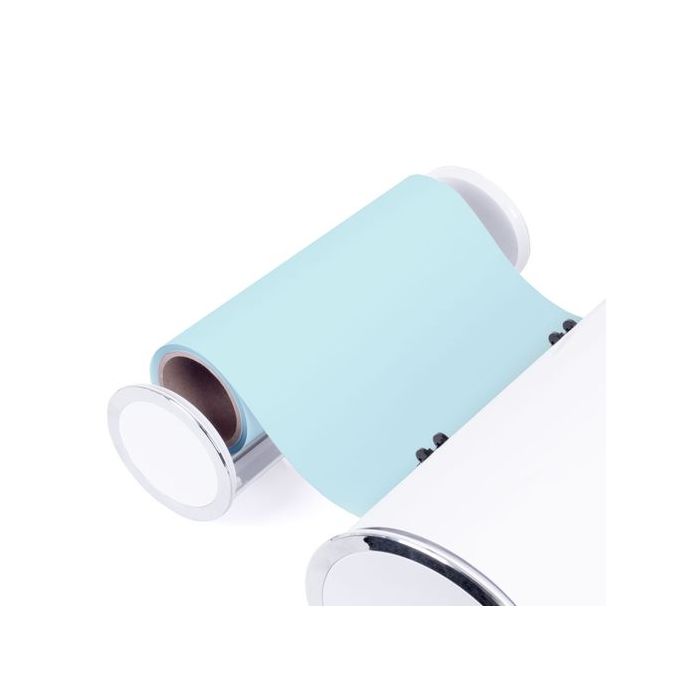
Manufacturing Process of Vinyl Paper
Manufacturing vinyl paper involves a series of precise steps to guarantee the final product meets stringent quality standards. Initially, PVC or PET polymers are prepared with additives for flexibility and durability. The raw materials preparation involves using additives like plasticizers and heat stabilizers to improve film performance. The raw materials are melted and extruded into thin sheets, with a calendering process ensuring uniform thickness. Specialized coatings are applied for solvent printing and outdoor signage durability. Lamination may follow for enhanced finish and weatherproof characteristics. After drying and curing, quality checks assess adhesive strength and coating uniformity. It is crucial that the manufacturing process includes high-quality raw materials, particularly base paper, to ensure optimal performance of the final vinyl product. Finally, the material is packaged in moisture-proof materials, ensuring limited recycling options are considered for environmental sustainability. The use of PET material contributes to the overall durability and versatility of the vinyl paper, making it suitable for a wide range of applications.
Common Applications of Vinyl Paper
Various applications of vinyl paper demonstrate its versatility and durability across multiple industries. It serves well for outdoor use, providing water-resistant properties essential for signage and banners. Vehicle wraps utilize vinyl’s adhesive qualities, ensuring longevity and visual appeal. Additionally, durable stickers are often made from vinyl, showcasing their effectiveness in high-use environments. Wall graphics often feature glossy or matte finishes, enhancing interior spaces effectively. Also, static cling decals offer temporary solutions for displays, while adhesive-backed vinyl is commonly employed in labeling and crafting projects. Its robust nature allows for protection in various contexts, such as tabletop coverings and custom signs. These applications highlight vinyl paper’s functional benefits across diverse sectors, including its effective use in card-making with adhesive kraft vinyl. Also be aware that the choice between permanent and removable vinyl can significantly influence the application process and its intended use.
Popular Wiki Terms:
Environmental Considerations of Vinyl Paper
Environmental considerations surrounding vinyl paper encompass a range of issues related to its production, waste management, and long-term ecological impacts. The resource-intensive manufacturing process consumes significant energy and releases harmful chemicals, including phthalates. Vinyl paper, typically ranging from 3 to 10 mils or microns in thickness, is waste-resistant, weatherproof, and tear-resistant, yet its recycling options are limited. The persistence of PVC in landfills poses challenges, while alternative papers offer potentially lower environmental impacts. Innovations such as eco-solvent printing and reduced PVC content formulations present opportunities for improved sustainability, yet the overall ecological footprint of vinyl paper remains a concern. The need for the industry to adopt sustainable practices is urgent, as vinyl production contributes significantly to environmental degradation. The fact that PVC is not recyclable further exacerbates landfill issues and prolongs its environmental impact. Also, manufacturers are increasingly adopting environmentally-friendly substrates to mitigate some of the ecological concerns associated with vinyl paper.
References & Data Sources:
https://www.meghmaniglobal.com/what-is-self-adhesive-vinyl/ – Retrieved April 28, 2025
https://www.planeo.com/guide/what-is-vinyl-a-guide-for-beginners-and-professionals/ – Retrieved April 30, 2024
https://www.chemistryislife.com/t-7 – Retrieved January 30, 2025
https://www.sytech.co.za/2019/09/26/vinyl-unique-properties/ – Retrieved April 23, 2025
https://www.encstore.com/blog/5346-difference-between-paper-stickers-and-vinyl-stickers – Retrieved April 30, 2025
https://thebumpersticker.com/pvc-vs-vinyl-vs-decal-paper-how-we-can-help-you-choose-the-best-material-for-your-stickers/ – Retrieved April 30, 2025
https://www.fulaiglobal.com/news/the-production-process-of-self-adhesive-vinyl-sticker-following-steps/ – Retrieved April 30, 2025
https://www.visionsub.com/sublimation-paper-manufacturing-process/ – Retrieved April 30, 2025
https://www.rightint.com/blog/the-manufacturing-process-of-pet-vinyl-stickers/ – Retrieved April 30, 2025
https://www.printivity.com/insights/stickers-guide/ – Retrieved April 29, 2025
https://www.urpressing.com/client-resources/blogs/sustainability-in-the-vinyl-record-industry/ – Retrieved April 29, 2025
https://www.exposedmagazine.co.uk/featured-articles/the-environmental-impact-of-custom-vinyl-stickers-and-economical-vinyl-stickers-for-a-better-future/ – Retrieved April 29, 2025
https://www.wallcoverings.org/page/EnvironIssues – Retrieved April 29, 2025