
Vinyl Lettering Definition
Vinyl lettering is a form of signage made from polyvinyl chloride (PVC) and features an adhesive backing for application on smooth surfaces. It is produced through precision cutting techniques using computer-controlled plotters, allowing for customizable fonts, colors, and sizes. Common applications include storefront signage, vehicle branding, and interior decor. This material is known for its durability, flexibility, and resistance to weather conditions. Further exploration reveals more about its installation process and specific advantages across various contexts.
Definition and Composition of Vinyl Lettering
Vinyl lettering is defined as a form of signage created from polyvinyl chloride (PVC), specifically utilizing a flexible variant known as plasticized vinyl. This material possesses distinct properties, allowing for durability and flexibility, which cater to a variety of applications.
Custom vinyl lettering is produced through precision cutting techniques using computer-controlled plotters, enabling intricate designs. Each vinyl piece typically features an adhesive backing, facilitating easy application on multiple surfaces.
The versatility of vinyl extends to various thicknesses and finishes, making it an ideal choice for signage needs. Overall, vinyl lettering serves as a practical and customizable solution for visual communication.

Vinyl Lettering – Bold Custom Text & Numbers for Vehicles
Windows ... by stickylife.com
Primary Applications of Vinyl Lettering
The applications of vinyl lettering span a wide range of commercial, decorative, and functional uses, reflecting its versatility in various settings.
In commercial contexts, vinyl is employed for storefront signage, office branding, and safety instructions.
Decorative applications include interior decor, wall graphics, and event signage for weddings and parties.
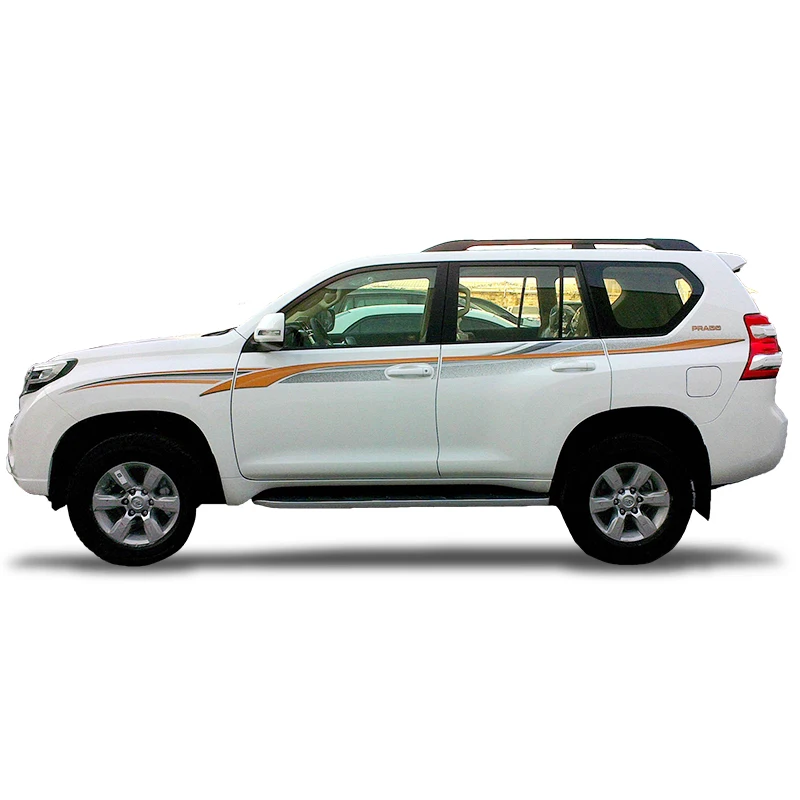
Vehicle branding utilizes vinyl for die-cut vinyl graphics and custom decals, enhancing visibility and personalization.
For events, vinyl lettering serves as temporary promotional signage and exhibition displays.
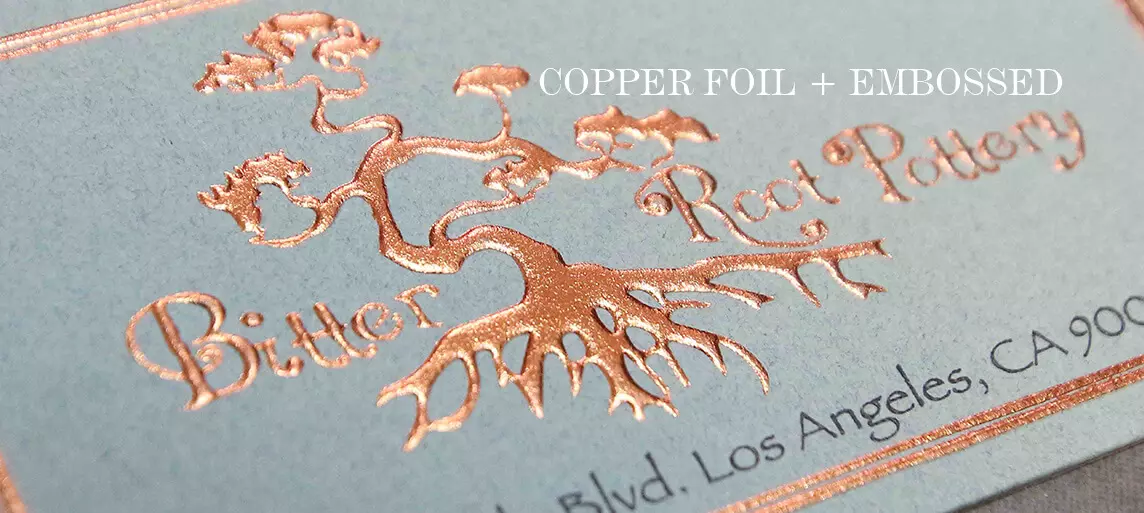
Foil Stamping by goldimageprinting.com
Key Advantages of Using Vinyl Lettering
Utilizing vinyl lettering presents several key advantages that make it a preferred choice for signage across various industries.
Its cost-effectiveness stands out, as it offers a durable solution with minimal maintenance, reducing long-term expenses. The versatility of pre-spaced lettering allows for customization in fonts, colors, and sizes, catering to unique branding needs.
As adhesive signage, it guarantees easy installation and removability, accommodating both temporary and permanent applications. Vinyl lettering maintains a sleek appearance while resisting harsh weather conditions, assuring longevity.
These attributes collectively enhance visual appeal and effectiveness in conveying messages across diverse settings.
Surface Compatibility for Vinyl Lettering
Surface compatibility is a critical factor in the effective application of vinyl lettering. Proper surface preparation enhances adhesion, ensuring longevity and effectiveness.
Adhesive vinyl performs best on smooth surfaces such as glass, painted metal, and glossy walls. Application challenges arise with rough textures, which inhibit adhesion and reduce durability.
Adhesive vinyl adheres best to smooth surfaces, while rough textures can hinder adhesion and compromise durability.
It’s important to avoid surfaces like brick or concrete unless specific methods are employed. Sealing natural wood with a glossy finish can facilitate application.
Understanding these compatibility factors aids users in selecting appropriate surfaces, thereby maximizing the benefits of vinyl lettering in various settings, including retail, automotive, and signage industries.
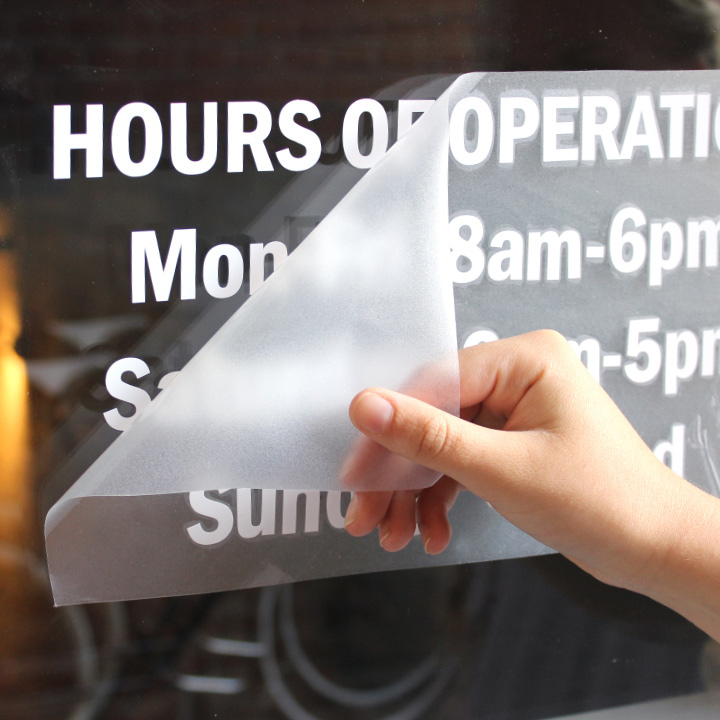
Custom Vinyl Lettering & Numbers by stickeryou.com
Vinyl Car Decals Manufacturers
Installation Process for Vinyl Lettering
Successful installation of vinyl lettering requires meticulous preparation and adherence to specific procedures to guarantee ideal adhesion and durability.
The installation process for vinyl lettering begins with thorough surface cleaning to eliminate dust and grease. Ambient temperatures should remain between 50-90°F to enhance adhesive activation.
Temporary alignment with masking tape is essential, along with verifying level placement. During application, utilize the hinge method for longer pieces and consider wet installation for larger decals.
Employ application techniques such as squeegeeing from the center outward to achieve a smooth finish, avoiding over-stretching and maintaining tension on the transfer tape for best results.
Popular Wiki Terms:
Special Considerations for Vinyl Lettering
Special considerations for vinyl lettering encompass various aspects that impact design, material selection, surface preparation, environmental factors, and longevity.
Effective use of vinyl cutter plotters requires attention to minimum letter height and font complexity to avoid cutting and adhesion issues. Proper surface preparation is essential, ensuring surfaces are clean and smooth for maximum adhesion.
Environmental conditions, such as temperature and humidity, greatly influence application and durability. Maintenance practices, including gentle cleaning methods, help preserve the lettering’s lifespan.
Regular inspections are necessary to prevent peeling, ensuring that vinyl lettering remains effective and visually appealing for its intended duration.
References & Data Sources:
https://www.stickylife.com/vinyl-lettering – Retrieved April 30, 2025
https://www.goldimageprinting.com/foil-stamping.html – Retrieved May 2, 2024
https://www.stickeryou.com/products/vinyl-lettering/666 – Retrieved February 2, 2025