
Vinyl Decals Definition
Vinyl decals are adhesive graphics made from durable materials that serve various purposes in decoration, branding, and communication. They typically consist of a backing liner, application tape, and printed designs. Commonly made from vinyl, these decals can withstand indoor and outdoor conditions. Their manufacturing involves graphic design software, large format printing, and cutting methods for precise shapes. Factors such as material quality and application process greatly influence their durability and effectiveness. Further insights into their applications and properties are available.
Definition and Components of Vinyl Decals
Vinyl decals are composed of several integral components: a backing liner, application or transfer tape, and the printed design itself.
Custom vinyl decals offer versatility, allowing for die-cut decals tailored to intricate shapes and sizes. Their adhesive properties guarantee strong adherence to various surfaces, making them suitable for diverse applications. Vinyl decals serve as a less expensive alternative to tattoos, providing a method of personal expression without permanence.
Also, the durability of vinyl decals allows them to withstand both indoor and outdoor conditions, maintaining their integrity over time.
These features contribute to their popularity in branding, event signage, and product labeling, serving the needs of businesses and individuals alike while enhancing their visual communication efforts.
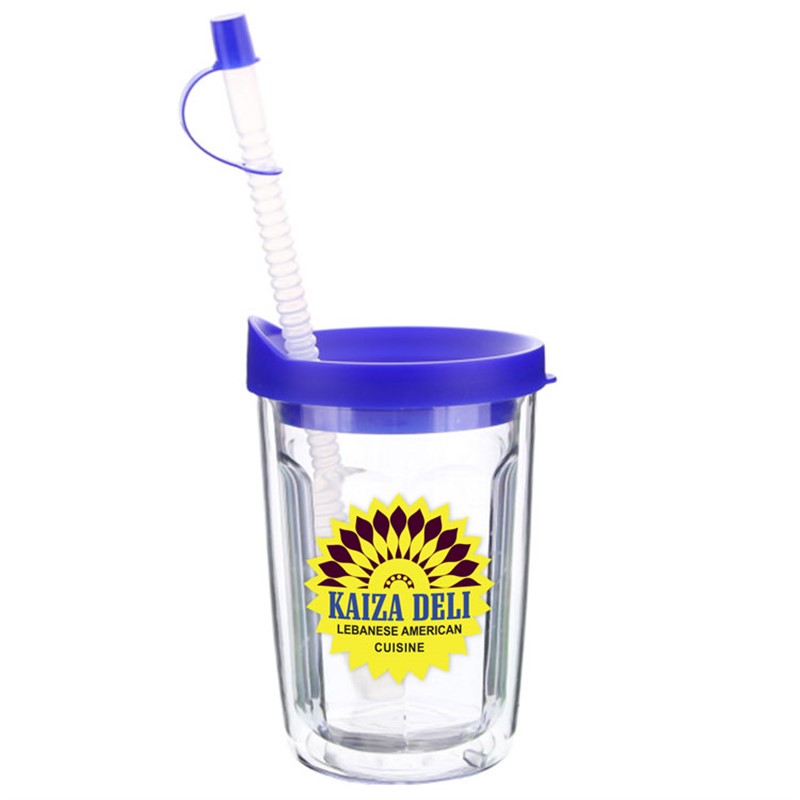
14 oz. Double Wall Acrylic To-Go Tumbler With Decal-Full Color ... by totallypromotional.com
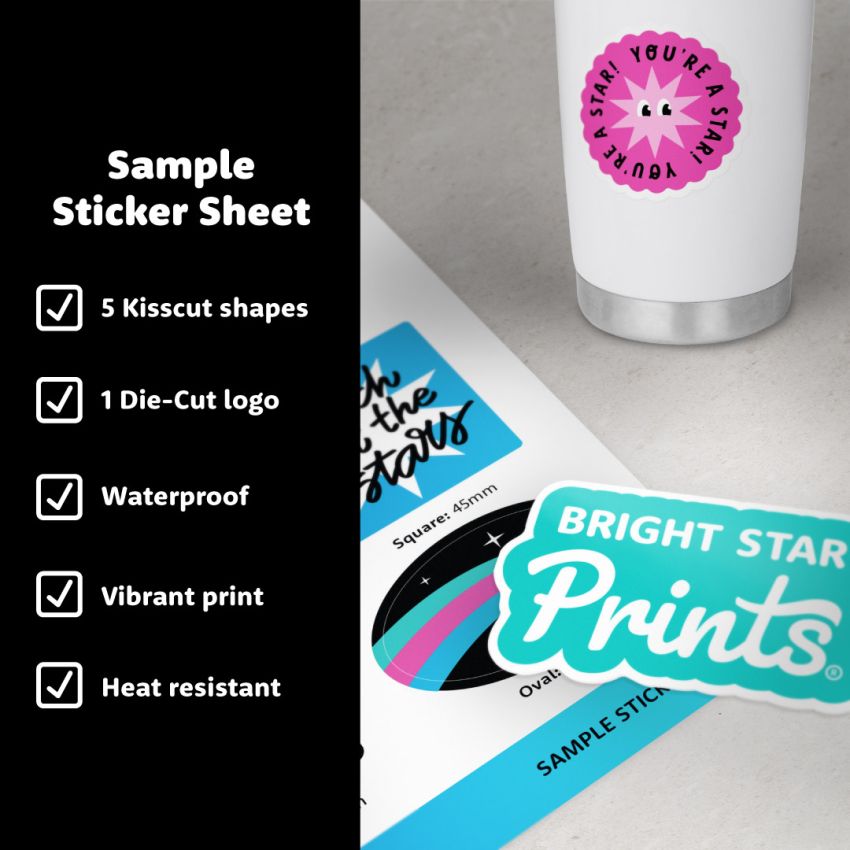
Bright Star Prints by brightstarprints.com.au
Core Materials Used in Vinyl Decals
The core materials utilized in vinyl decals encompass a variety of polymer types, each selected for specific applications and performance characteristics. Vinyl is the most common material, available in calendared and cast forms, providing options for budget or durability. Cost-effective advertising makes vinyl decals an attractive choice for businesses looking to promote products or services without breaking the bank. Polyester offers high chemical and weather resistance, while polyethylene is flexible for contoured surfaces. Polycarbonate guarantees extreme durability for industrial use. Adhesive options include pressure-sensitive and permanent adhesives, catering to diverse substrates. Lamination enhances abrasion resistance, while UV resistance is essential for outdoor applications, prolonging colorfastness. The thickness and conformability of these materials further contribute to their effectiveness in various environments.
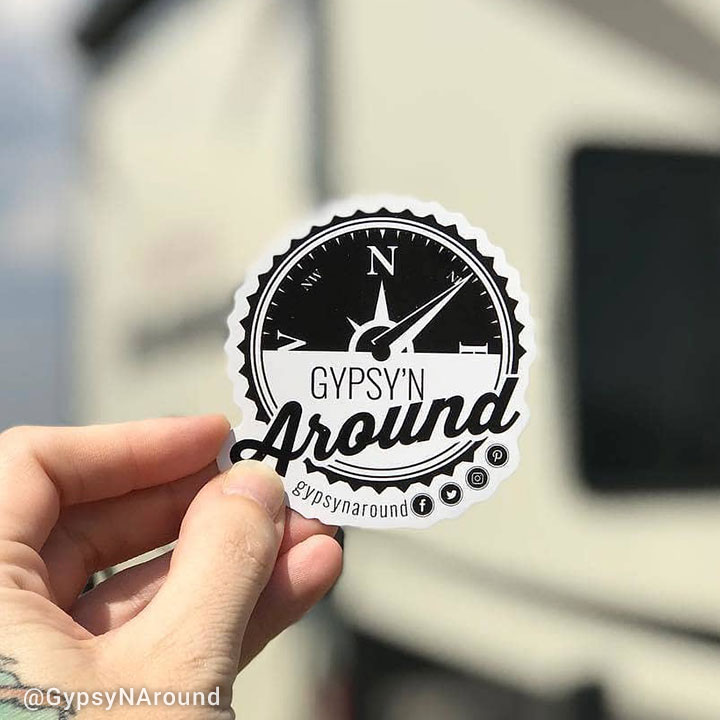
Custom Vinyl Logo Stickers by stickeryou.com
Manufacturing Process of Vinyl Decals
Manufacturing vinyl decals involves a systematic approach that encompasses several key stages, starting with design and pre-production.
Graphic design software, such as Adobe Illustrator, is utilized to create high-resolution vector images. Material selection includes various vinyl types, each chosen based on application needs and surface considerations. Additionally, PET vinyl stickers are known for their versatility, making them suitable for a wide range of surfaces.
The printing phase employs techniques like large format printing using advanced inkjet or laser methods. After printing, cutting methods, including plotters and laser cutters, shape the decals accurately.
Finally, lamination may be applied for added durability, ensuring the finished product meets the required standards for quality and performance.
Key Applications of Vinyl Decals
Key applications of vinyl decals span various sectors, reflecting their versatility and effectiveness.
In commercial settings, they are crucial for branding and promotion, enhancing visibility through storefront displays and vehicle wraps.
Product labeling utilizes vinyl decals to convey essential information while maintaining aesthetic appeal.
Event signage benefits from their adaptability, allowing businesses to create eye-catching temporary displays.
Vehicle wraps serve as mobile advertisements, greatly increasing brand exposure.
From retail environments to transportation, vinyl decals play an integral role in effective communication and marketing strategies, demonstrating their importance across diverse industries and applications.

5-in. x 3-in. White Vinyl Oval Sticker-Full Color by totallypromotional.com

Vinyl Car Decals Manufacturers
Durability Factors Affecting Vinyl Decals
Durability factors greatly influence the performance and lifespan of vinyl decals. Material quality plays a critical role; high-quality vinyl resists fading and peeling, while UV-resistant inks enhance durability. Environmental conditions, such as direct sunlight and extreme temperatures, can accelerate degradation. The application process considerably impacts longevity; a clean, grease-free surface guarantees a strong adhesive bond. Lifespan variations exist among different vinyl types, with cast vinyl typically lasting longer than polymeric calendered vinyl. Regular maintenance and proper storage can further extend the life of decals, highlighting the importance of attention to detail in both application and care. The durability of stickers is essential for ensuring they withstand various environmental challenges over time.
Popular Wiki Terms:
Environmental Considerations of Vinyl Decals
The environmental considerations of vinyl decals encompass various factors that impact sustainability and ecological health.
While vinyl decals can be recycled, inconsistent infrastructure and consumer habits hinder effective recyclability and waste management. The use of PVC raises concerns due to its toxic chemical release during production and degradation. The reliance on solvent-based inks contributes to air pollution. Sustainable alternatives, such as recycled vinyl and non-PVC films, offer potential solutions. Eco-certified inks can mitigate VOC emissions. However, the high disposal rates of vinyl products lead to significant landfill waste, further complicating efforts for a sustainable lifecycle for vinyl decals. Nevertheless, the challenges of non-biodegradability and mixed-material recycling remain significant hurdles in achieving a more sustainable lifecycle for vinyl decals.
References & Data Sources:
https://www.chemistryislife.com/t-7 – Retrieved April 30, 2025
https://www.totallypromotional.com/14oz-double-wall-acrylic-to-go-tumbler-with-decal-full-color.html – Retrieved May 2, 2024
https://www.brightstarprints.com.au/prints-sample-sticker-sheet.html – Retrieved February 2, 2025
https://www.speedpro.com/blog/decal-material-options/ – Retrieved April 25, 2025
https://www.stickeryou.com/products/vinyl-logo-stickers/214 – Retrieved May 2, 2025
https://www.rightint.com/blog/the-manufacturing-process-of-pet-vinyl-stickers/ – Retrieved May 2, 2025
https://www.totallypromotional.com/5-in-x-3-in-white-vinyl-oval-sticker-full-color.html – Retrieved May 2, 2025
https://edgestickers.co.uk/what-is-the-most-durable-type-of-stickers/ – Retrieved May 2, 2025
https://www.exposedmagazine.co.uk/featured-articles/the-environmental-impact-of-custom-vinyl-stickers-and-economical-vinyl-stickers-for-a-better-future/ – Retrieved May 2, 2025