
Vinyl Cutting Definition
Vinyl cutting is a computer-controlled technique that utilizes a plotter-style machine to cut vector graphics into solid-color vinyl. This process is commonly employed for crafting signage, decals, and vehicle wraps across various sectors. It requires precise design preparation and customization, emphasizing simplicity in the graphics. Limitations include challenges in color matching and design complexity, which can increase costs and labor. Understanding vinyl cutting further reveals its applications and technical requirements.
Definition and Overview of Vinyl Cutting
Vinyl cutting is a computer-controlled process that employs a plotter-style machine to create designs by cutting vector-based graphics into thin self-adhesive vinyl or similar materials.
This technique relies on vector file preparation, ensuring precise blade movement along X and Y axes. Custom vinyl cutting typically produces signage, decals, and vehicle wraps, catering to various industries such as retail and event management.
Die-cutting services facilitate the production of intricate designs, while manual assembly may be necessary for multi-color applications. The method is limited to solid-color materials, emphasizing the importance of design simplicity for effective results.
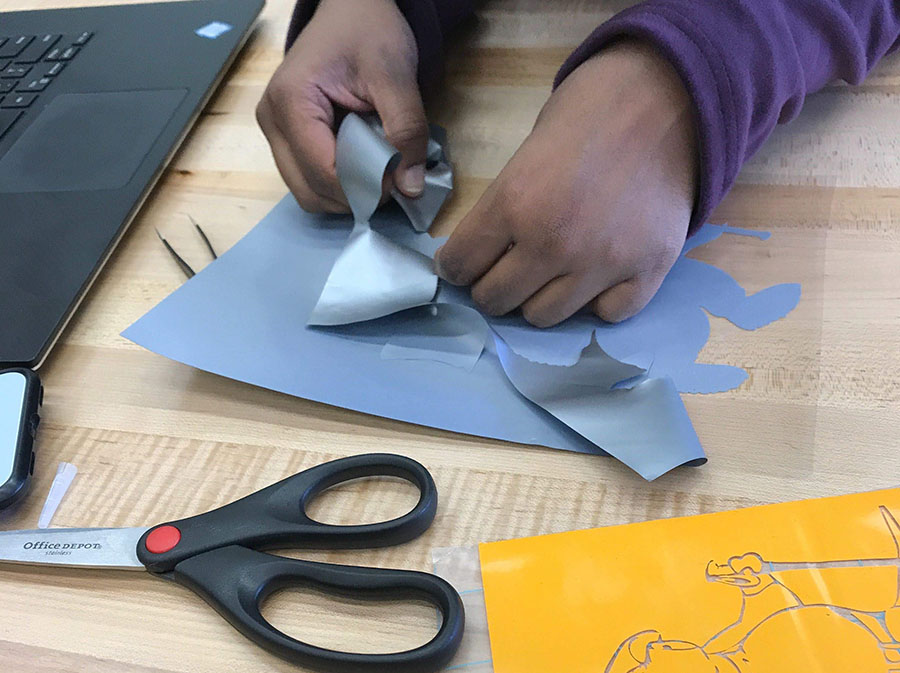
Vinyl Cutting – University Center for Teaching and Learning by teaching.pitt.edu
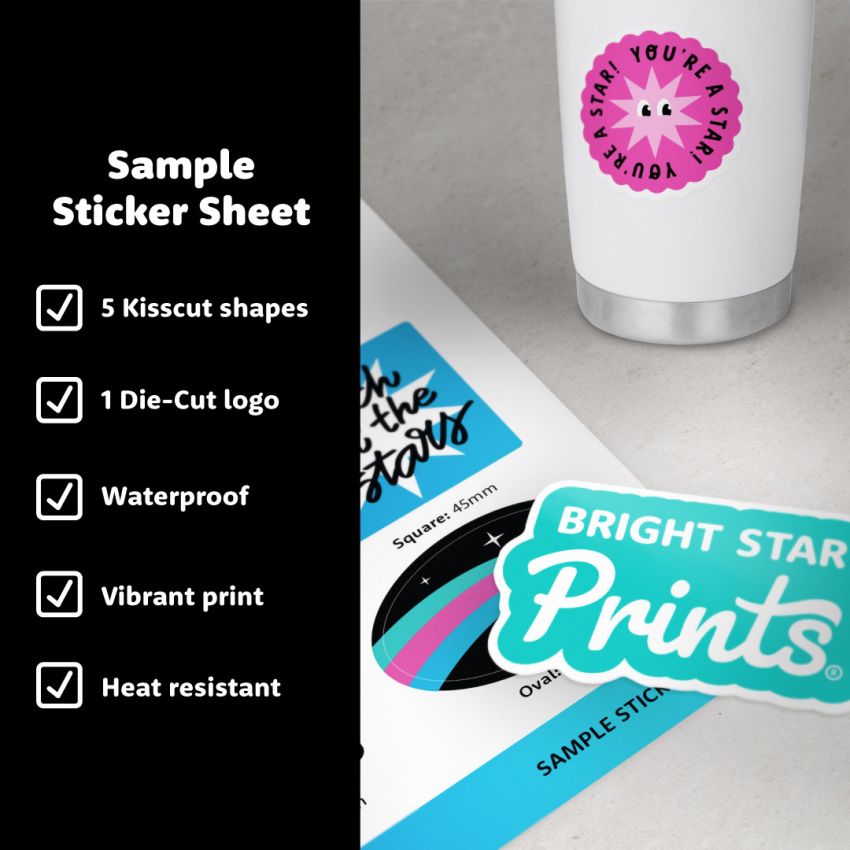
Bright Star Prints by brightstarprints.com.au
The Audio Vinyl Cutting Process
The audio vinyl cutting process involves the meticulous preparation and manipulation of audio tracks to guarantee ideal sound quality during the vinyl mastering phase.
Effective audio signal management is essential, ensuring levels peak between -3 and -6 dB to prevent distortion. Groove modulation is applied to adjust the spacing and width of grooves based on audio amplitude, facilitating dynamic range preservation.
Mastering requirements dictate that tracks may be creatively edited or shortened to fit the vinyl format. Precision in these processes is vital, as they directly impact the final auditory experience of the vinyl record, ensuring both clarity and fidelity in sound reproduction.
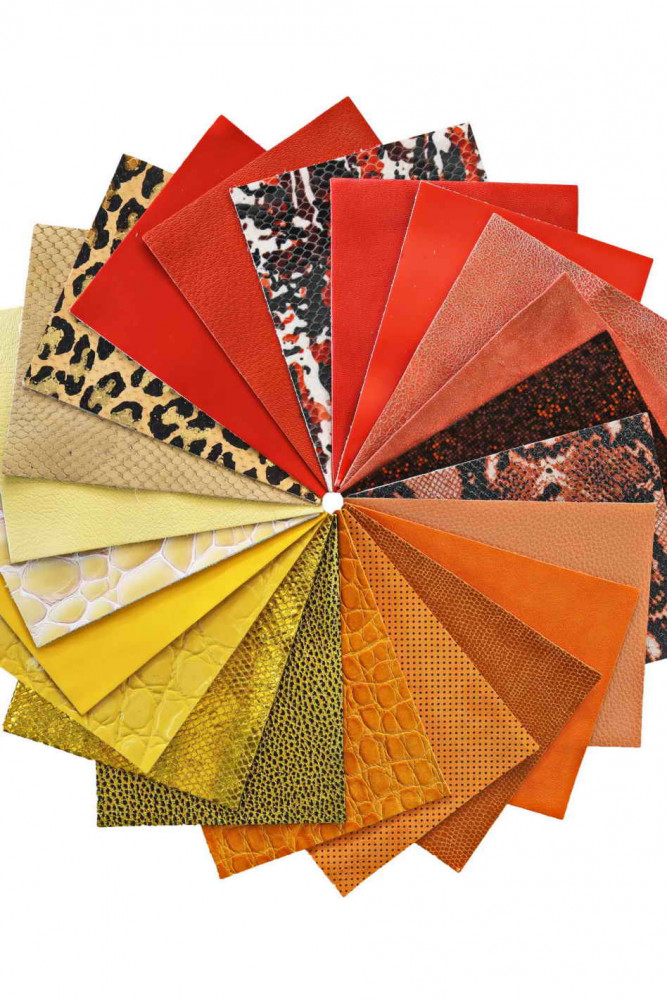
12 MIXED PIECES yellow and orange
Craft Vinyl Cutting Techniques
Craft vinyl cutting techniques encompass a range of methods and considerations essential for achieving high-quality results in various applications.
Successful decal production relies on the proper configuration of vinyl plotter/cutter machines, including blade selection and speed settings tailored to the material’s thickness.
Weeding and masking application are critical post-processing steps, ensuring the precise transfer of designs. Careful handling of adhesive and removable vinyl enhances the quality of finished products.
Troubleshooting common issues, such as incomplete cuts or torn backing paper, involves adjusting blade depth and pressure.
Mastery of these techniques contributes greatly to the effectiveness of vinyl cutting projects.
Equipment and Materials Used in Vinyl Cutting
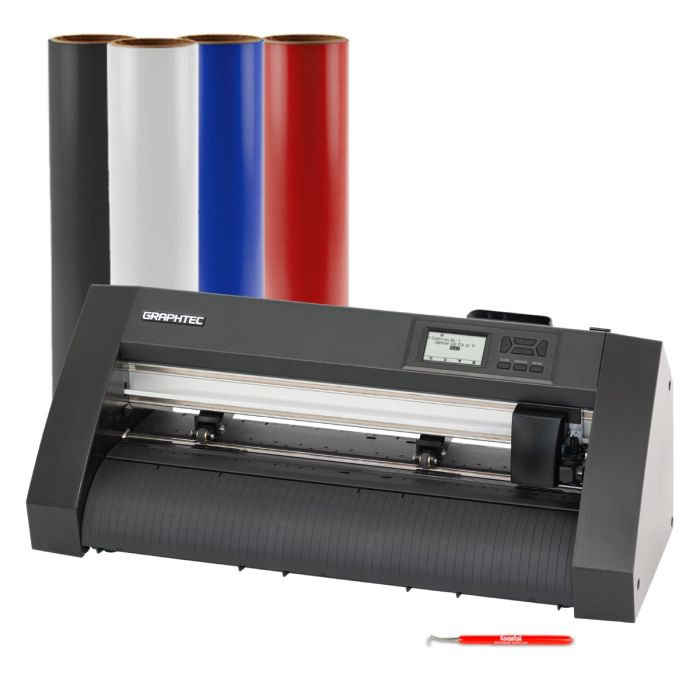
Equipment used in vinyl cutting encompasses a range of electronic cutting machines, such as the Cricut Explore and Silhouette models, which are capable of executing precise cuts on various vinyl sheets. These cutting machines utilize adjustable blade mechanisms and pressure settings tailored to different material types. Adhesives and transfer materials, including permanent vinyl and transfer tape, facilitate the application of designs onto surfaces. Material types and settings are essential, as they dictate the pressure and blade selection required for effective cutting, whether for heat transfer vinyl, stencil vinyl, or thicker substrates like tooling leather. To ensure the best results, having a variety pack of adhesive vinyl sheets is highly recommended for any vinyl crafting project.
Applications and Use Cases of Vinyl Cutting
Although vinyl cutting is widely recognized for its versatility, its applications span various industries, each with distinct requirements and outcomes.
In retail branding, custom stickers and decals enhance visibility and promote products effectively. Vehicle wraps serve as mobile advertisements, allowing businesses to reach a broader audience.
Vinyl cutting is essential for creating banners, signage, and window graphics that support event promotion and directional needs.
Industries such as automotive, apparel, and industrial labeling also benefit from vinyl cutting for customized solutions.
This technology aids in producing durable and visually appealing materials tailored to specific client needs.
Popular Wiki Terms:
Key Limitations of Vinyl Cutting
Vinyl cutting, while a valuable technology in various applications, is subject to several limitations that can impact its efficacy and usability.
One significant restriction is color matching, as vinyl cutters typically work with vector images, limiting full-color designs. Design complexity can raise costs and processing times, making intricate designs less practical.
Color matching is a challenge for vinyl cutters, often limiting designs to vector images and complicating intricate patterns.
Material restrictions further hinder capabilities, especially with thicker materials like PVC, which may not cut precisely.
Also be aware that the need for specific software and the weeding process can complicate production workflows, resulting in increased labor and potential errors, ultimately affecting the overall efficiency of vinyl cutting operations.
References & Data Sources:
https://teaching.pitt.edu/open-lab/vinyl-cutting/ – Retrieved April 30, 2025
https://www.brightstarprints.com.au/prints-sample-sticker-sheet.html – Retrieved May 2, 2024
https://burtonavenue.com/vinyl-101-must-have-supplies-tools/ – Retrieved February 2, 2025