
U.S. Green Building Council (LEED Certification) Definition
The U.S. Green Building Council (USGBC) is a nonprofit organization established in 1993 to advocate for sustainable building practices. Its primary initiative is the Leadership in Energy and Environmental Design (LEED) certification program. LEED evaluates sustainability in construction through a points-based system, focusing on energy efficiency, water use, and material selection. Various certification levels, ranging from Certified to Platinum, recognize achievement in sustainable building practices and promote continuous improvement. Further insights on LEED’s processes and training opportunities are available.

Quick Summary
- The U.S. Green Building Council (USGBC) was founded in 1993 to promote sustainable building practices and energy efficiency.
- LEED stands for Leadership in Energy and Environmental Design, a certification system for evaluating sustainable construction.
- LEED certification uses a points-based system with four levels: Certified, Silver, Gold, and Platinum based on sustainability achievements.
- The certification process involves project registration, documentation submission, and third-party review to assess compliance with LEED standards.
- LEED credentials, such as Green Associate and LEED AP, enhance career opportunities in green building across various industries.
Origin and Mission of the U.S. Green Building Council
The U.S. Green Building Council (USGBC) was established in 1993 by David Gottfried, Mike Italiano, and Rick Fedrizzi to advocate for sustainable building practices. Formed in response to the energy crises of the 1970s, its mission focuses on transforming the built environment to enhance energy efficiency and reduce environmental impact. The USGBC developed LEED certification programs to provide a framework for evaluating sustainability in construction. Collaborating with various stakeholders, including the Natural Resources Defense Council, the USGBC has continually refined its standards, promoting accountability and encouraging widespread adoption of eco-friendly practices within the building industry. Since its inception, the USGBC has seen over 79,000 commercial and residential LEED certified projects, which have significantly influenced the construction landscape. The USGBC comprises 76 chapters and over 181,000 professionals with LEED credentials, furthering its impact on sustainable building practices. As of late 2023, there are 105,000 LEED-certified buildings in 190 countries, showcasing the organization’s global influence on green building standards.
PR Guidelines for New LEED Zero Projects by usgbc.org
US Green Building Council commercial partnership by oneclicklca.com
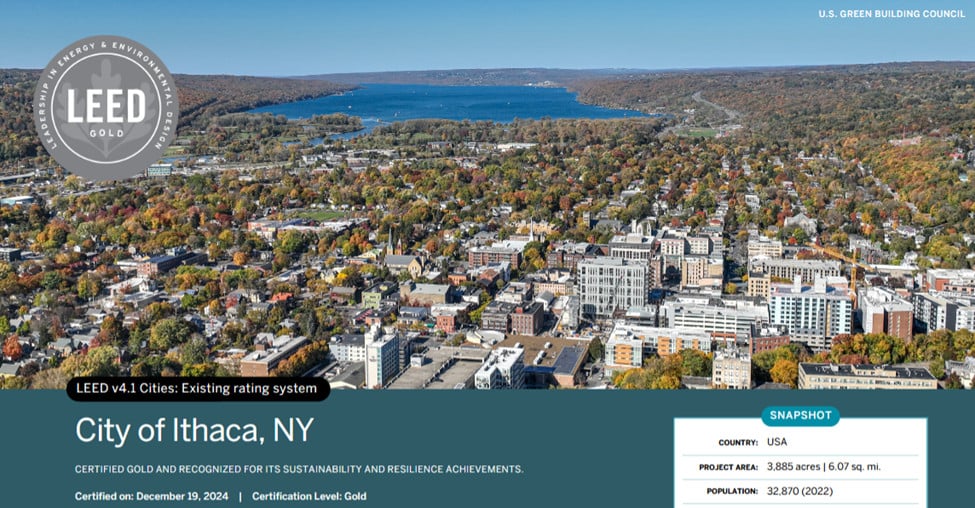
USGBC New York Upstate by usgbc.org
Overview of LEED Certification
LEED Certification represents a thorough framework designed to evaluate and enhance the sustainability of buildings across various sectors. It utilizes a points-based system with a maximum of 110 points, measuring criteria such as energy efficiency, water use, and material selection. LEED for Commercial Interiors specifically addresses the needs of print facilities, promoting sustainable practices within the printing industry. Additionally, LEED-certified buildings achieve a 25% reduction in energy consumption, demonstrating significant energy efficiency benefits. Initiatives like the Sustainable Green Printing Partnership support eco-friendly print production facilities and sustainable packaging solutions. Also, LEED has evolved to address new markets and building types, showcasing the continuous improvement in sustainable building practices. Green signage projects contribute to overall environmental performance, showcasing the importance of holistic approaches in creating sustainable built environments. This includes the establishment of the U.S. Green Building Council, which has been pivotal in promoting LEED certification and advancing green building initiatives.
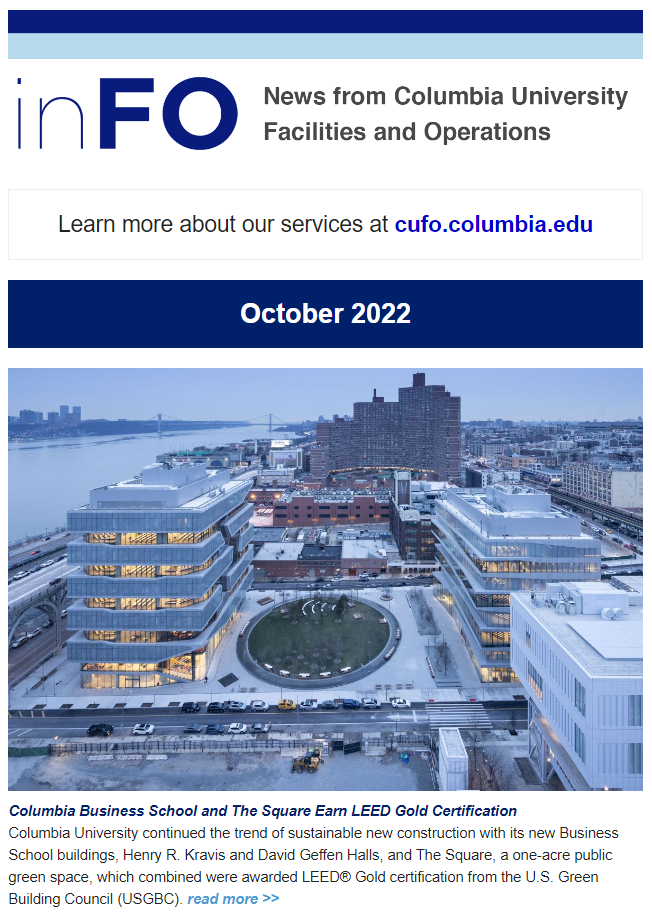
inFO: CUFO e-Newsletter
LEED Certification Levels
Certification levels within the LEED framework are categorized based on the points earned through adherence to established sustainability criteria.
There are four primary LEED certification levels: Certified (40–49 points), Silver (50–59 points), Gold (60–79 points), and Platinum (80+ points).
Each level requires compliance with building-type prerequisites, addressing aspects such as water efficiency and indoor air quality. LEED-certified buildings produce 50% fewer greenhouse gas emissions than conventional buildings, showcasing their environmental impact. This commitment to sustainability is further emphasized by the fact that LEED certification limits energy use and carbon emissions.
The certification process involves selecting an appropriate rating system, registering the project, and strategically choosing credits from categories like sustainable sites and materials & resources. LEED certification points are earned by demonstrating effective energy & atmosphere practices, ultimately conveying a commitment to sustainable building practices.
Key Focus Areas of LEED
Key focus areas within the LEED framework address various aspects of sustainable building practices.
These include sustainability consulting, which guides projects in minimizing their environmental impact. The materials & resources category emphasizes sustainable sourcing and waste reduction, promoting low-VOC options. LEED certification focuses on recognizing efficient, cost-effective buildings that are better for occupants and the environment. LEED-certified buildings are associated with lower energy and water consumption, further enhancing their economic benefits. In addition, key areas of LEED certification highlight the importance of water metering and use, contributing to more sustainable practices.
Energy use & atmosphere focuses on reducing greenhouse gas emissions and enhancing energy performance through efficient systems.
Water efficiency prioritizes reduced consumption and effective management of indoor and outdoor water needs.
Finally, indoor environmental quality guarantees occupants’ health through natural lighting, air quality monitoring, and the use of non-toxic materials, contributing to overall well-being in built environments.
Popular Wiki Terms:
Credentials and Training for LEED Professionals
Professionals seeking to enhance their expertise in sustainable building practices can pursue a variety of credentials designed to validate their knowledge and skills in the LEED framework. The LEED Green Associate serves as an entry-level certification, while the LEED AP with Specialty requires passing a technical exam aligned with specific LEED rating systems. Credential maintenance involves continuing education, necessitating 15 hours every two years for Green Associates and 30 hours for APs. The exam structure includes multiple-choice questions focused on LEED principles and specialized areas. Preparation resources are available through USGBC chapters and third-party providers to facilitate successful certification. The LEED Green Associate credential is accessible to both students and professionals, making it an ideal starting point for those new to green building. Also be aware that LEED credentials are vital for certifying buildings globally, reflecting the growing demand for expertise in sustainable construction. The U.S. Green Building Council emphasizes the importance of these credentials in promoting high-performing, cost-saving, and healthy buildings. As the demand for sustainable practices continues to rise, having these credentials can significantly enhance a professional’s career opportunities in the green building sector.
References & Data Sources:
https://sigearth.com/leed-history/ – Retrieved April 6, 2025
https://everbluetraining.com/role-usgbc/ – Retrieved April 8, 2024
https://www.influencewatch.org/non-profit/u-s-green-building-council/ – Retrieved January 8, 2025
https://www.usgbc.org/resources/pr-guidelines-new-leed-zero-projects – Retrieved April 1, 2025
https://oneclicklca.com/en/resources/press-release/one-click-lca-and-u.s.-green-building-council-announce-partnership – Retrieved April 8, 2025
https://www.usgbc.org/community/usgbc-new-york-upstate – Retrieved April 8, 2025
https://greenly.earth/en-us/blog/company-guide/leed-certification-meaning-and-requirements – Retrieved April 8, 2025
https://support.usgbc.org/hc/en-us/articles/4404406912403-What-is-LEED-certification – Retrieved April 8, 2025
https://www.rts.com/resources/guides/what-is-leed-certification/ – Retrieved April 8, 2025
https://onekeyresources.milwaukeetool.com/en/leed-certification – Retrieved April 7, 2025
https://www.gbrionline.org/leed-certification-explained/ – Retrieved April 7, 2025
https://www.wework.com/ideas/professional-development/business-solutions/what-is-leed-certification-and-how-do-you-get-it – Retrieved April 7, 2025
https://www.imperialdade.com/blog/what-is-leed-certification – Retrieved April 7, 2025
https://archiroots.com/leed-certification-building-requirements/ – Retrieved April 7, 2025
https://www.rts.com/blog/leed-certification-checklist/ – Retrieved April 7, 2025
https://gba.org/resources/professional-accreditations/leed-credentials/ – Retrieved April 7, 2025
https://gbes.com/credentials-overview/leed-accreditation-and-certification-101/ – Retrieved April 7, 2025
https://www.3foldtraining.com/what-is-leed-us-green-building-council/ – Retrieved April 7, 2025
https://224664-286886.apps-06.cloudsonic.dev/term/u-s-green-building-council-leed-certification/ – Retrieved April 7, 2025