
TSP (Total Surface Print) Definition
Total Surface Print (TSP) is a crucial element in additive manufacturing that emphasizes full coverage of object surfaces during the printing process. It entails high-resolution imaging and full-color printing, necessitating precise printer calibration. Proper material selection is essential for ensuring adhesion and ideal flow. TSP enhances the overall aesthetic and functional quality of printed objects. Further understanding of its implications and techniques reveals its significance across various industries and applications.
Understanding Total Surface Print (TSP)
Total Surface Print (TSP) represents a crucial aspect of additive manufacturing, focusing on the thorough coverage of an object’s surfaces during the printing process. Achieving TSP involves full-color printing, high-resolution imaging, and precise printer calibration.
Material selection plays an essential role in ensuring adequate adhesion and flow, addressing common challenges and limitations such as layer adhesion issues and material properties.
Post-processing techniques, including sanding and coatings, can enhance surface quality post-printing. By understanding these factors, manufacturers can improve structural integrity and aesthetic appeal, ultimately serving the needs of various industries and enhancing product functionality.
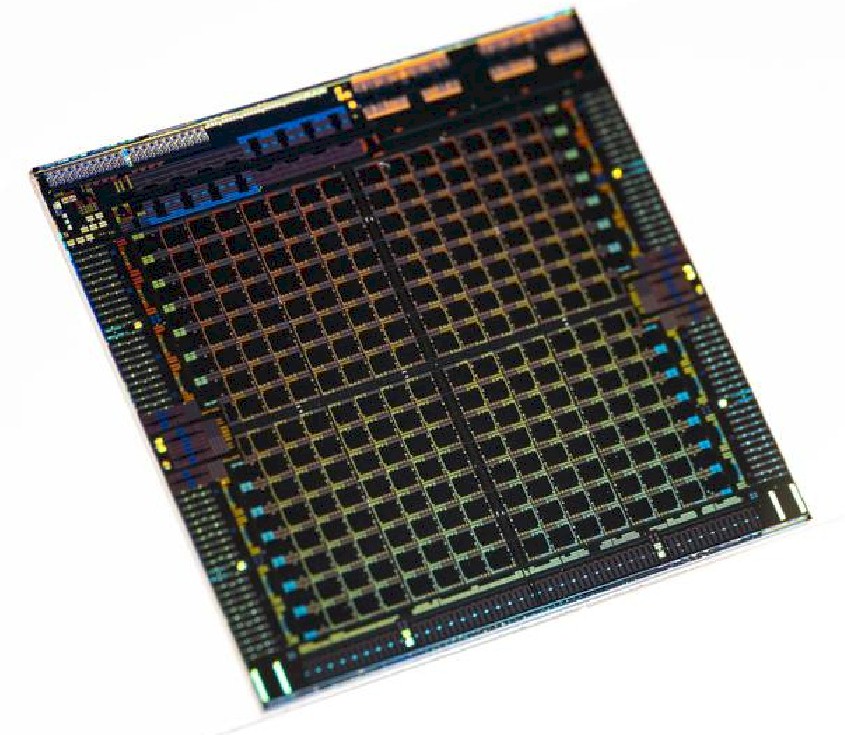
HPC Gets A Reconfigurable Dataflow Engine To Take On CPUs And GPUs by nextplatform.com

Purple Printed Floral on Cracked Concrete M9537 - Sample – Walls ... by wallsrepublic.com
Impact of Layer Height on Surface Finish
The impact of layer height on surface finish is a critical consideration in additive manufacturing, directly influencing the aesthetic and functional qualities of printed objects.
Lower layer heights, such as 0.1mm, minimize the visible stair-stepping effect, enhancing custom surface decoration and achieving smoother finishes. Nevertheless, this increases print time, as reducing layer height markedly extends production duration.
Conversely, higher layer heights, around 0.3mm, improve layer adhesion and expedite printing for functional parts, balancing material efficiency with strength.
Geometric complexity necessitates careful layer height selection to maintain accurate shapes, particularly for intricate designs and organic forms.

Wooden Panels With Tropical Leaves Wallpaper Mural M9973-Sample ... by wallsrepublic.com
Post-Processing Techniques for Enhanced Quality
Post-processing techniques play a significant role in enhancing the quality of 3D printed objects, building upon the foundational considerations of layer height and surface finish.
Key methods include sanding, which effectively removes layer lines and support marks, and chemical dipping, utilized for applying protective finishes.
Painting or coating further enhances aesthetics and durability.
Vapor smoothing is employed to achieve a polished surface without adding material, while priming is essential for a strong bond between the print and coatings.
These post-processing techniques collectively improve the visual appeal and functional performance of printed items, ensuring they meet high standards of quality.
Measurement Standards and Roughness Parameters
Measurement standards and roughness parameters are critical for guaranteeing the quality and performance of printed surfaces. Standards such as ASME B41.6 and ISO 4288 provide guidelines for surface profile verification and stylus-based measurements. Key roughness parameters include Ra, Rz, and Rt, each serving different applications in evaluating surface texture. Spectral measurement methods, as outlined in ISO 13655, analyze print-related surfaces through reflectance analysis. Proper instrumentation, including portable stylus gauges and optical methods, is essential for accurate measurements. Adhering to these standards guarantees reliability in printed products, addressing the needs of various industries and enhancing service quality. Compliance with ISO standards also improves process stability and consistency in print management.
Popular Wiki Terms:
Applications of TSP in Various Industries
Applications of Total Surface Print (TSP) span various industries, reflecting its versatility and technological advancements in surface printing.
In manufacturing, TSP facilitates large format printing for customized components in automotive and aerospace sectors.
The construction industry utilizes decorative elements through digital printing on building materials, enhancing aesthetics and sustainability.
Healthcare applications include product personalization for medical devices and precise labeling.
In consumer goods, TSP supports branding and marketing through unique designs on packaging and apparel.
This technology enables efficient prototyping, reducing production time while allowing for extensive customization across diverse materials, contributing to improved functionality and visual appeal.
References & Data Sources:
https://www.nextplatform.com/2024/10/29/hpc-gets-a-reconfigurable-dataflow-engine-to-take-on-cpus-and-gpus/ – Retrieved April 30, 2025
https://wallsrepublic.com/products/sample-purple-printed-floral-on-cracked-concrete-m9537 – Retrieved May 2, 2024
https://wallsrepublic.com/products/wooden-panels-with-tropical-leaves-wallpaper-mural-m9973-sample – Retrieved February 2, 2025
https://print-us.fujifilm.com/news-updates/iso-printing-industry/ – Retrieved April 25, 2025