
Textured Paper Definition
Textured paper is defined by its tactile and visual characteristics, featuring patterns, grooves, or raised designs. These elements enhance aesthetic appeal and sensory engagement. It is commonly used in high-end projects due to its luxurious feel and durability. Compared to smooth paper, textured paper adds depth and visual interest. Its unique properties make it suitable for printing and artistic applications. Further exploration of its applications reveals additional insights into its benefits and versatility.
Definition and Features of Textured Paper
Textured paper is defined by its distinct tactile and visual characteristics, which arise from various patterns, grooves, or raised designs on its surface.
This material exhibits a textured finish that can enhance aesthetic appeal and sensory engagement. Common features include embossed designs, which create pronounced surface textures, and a range of durability characteristics that vary by thickness and composition. Paper textures and finishes add depth and interest to printed materials, making them more visually striking and engaging. Textured finishes, such as linen and laid, are often used to elevate the overall design in applications like business cards and luxury packaging, emphasizing both functionality and artistic impact in print design. Textured paper conveys luxury and craftsmanship through its tactile experience, making it ideal for high-end projects.
Material diversity allows for options such as recycled fibers and eco-options that align with sustainability goals.
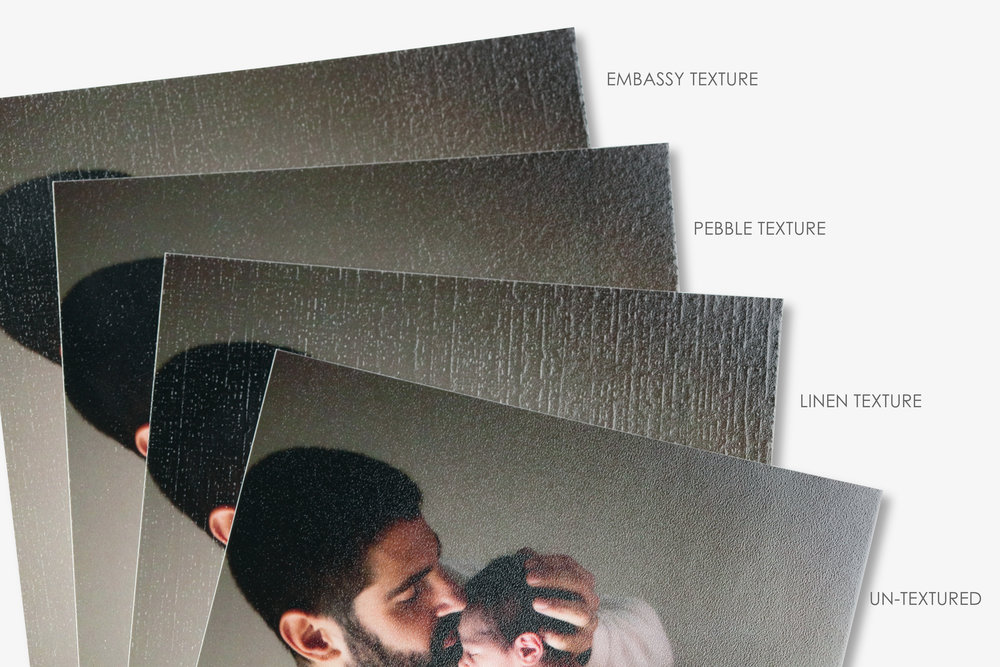
Photo Print Texturizing - linen texture Prints by colorincprolab.com
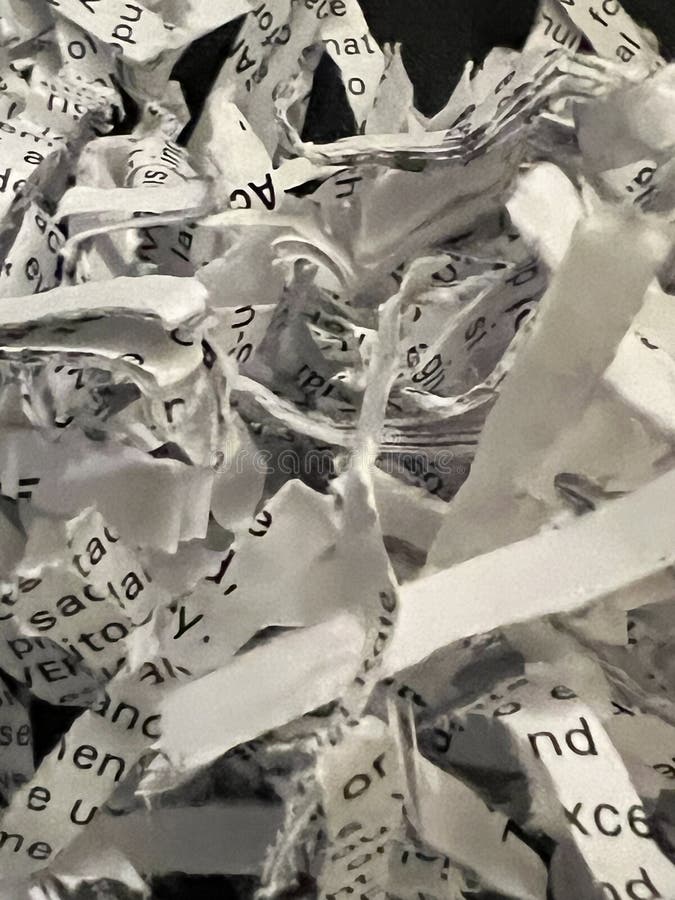
Sirio Color Nude Flat Cards – Cardstock Warehouse by cardstock-warehouse.com
Comparison to Other Paper Textures
When comparing textured paper to other paper textures, several key distinctions emerge regarding surface characteristics, applications, and print compatibility.
Textured paper, such as linen, offers a unique tactile quality, ideal for applications like luxury stationery and business cards. Textured paper adds depth to prints, enhancing visual interest and transforming simple images into dimensional masterpieces. Textured paper is also known for its durability and resistance to tearing, making it suitable for high-end packaging. Also be aware that textured paper’s premium feel enhances user interaction with the material, making it a preferred choice in upscale designs.
Textured paper, like linen, provides a distinct tactile experience, perfect for elegant stationery and premium business cards.
Conversely, smooth paper provides a flat surface, suitable for detailed photography and text-heavy documents. Each finish has its pros and cons; textured options provide a premium feel but may reduce print sharpness, while smooth finishes allow for high clarity but lack dimensional character. Understanding these differences aids in selecting the appropriate paper for specific use cases.
Printing and Finishing Considerations
Effective printing and finishing on textured paper necessitates an understanding of both the material properties and the appropriate techniques. Offset printing is generally preferred due to its ability to manage ink absorption variations effectively. Adjustments in ink density are often required to achieve ideal color representation. Embossing enhancements can deepen the tactile quality, but may require careful design considerations. Textured paper is ideal for art reproductions as it enhances the authenticity of reproduced art pieces. Paper weight plays a significant role in durability and compatibility with various finishing processes, including foil stamping and die cutting. Sustainability factors, such as using FSC-certified options, should also be considered to support environmentally responsible practices in printing.
Artistic Applications of Textured Paper
Artistic applications of textured paper extend beyond mere aesthetics, encompassing a range of mediums and techniques that enhance the creative process.
Artists benefit from watercolor compatibility, as rough textures retain washes effectively. Pastel adhesion is improved on chain and laid papers, providing a suitable grip for soft pastels. The unique chain and laid papers enhance texture visibility, which is particularly beneficial for pastel applications.
Mixed-media flexibility allows seamless layering of various media without abrasion. Tactile enhancement transforms flat images, adding depth and interest. Textured cardstock can also be utilized in scrapbooking, providing unique backdrops for photos and journaling. The use of recycled materials contributes to eco-friendly artistic practices.
Surface alterability facilitates further customization for unique effects. Sustainable practices are increasingly adopted, incorporating recycled fibers to support environmentally friendly art projects, ensuring both quality and responsibility in artistic expression.
Popular Wiki Terms:
Industrial and Packaging Uses of Textured Paper
Textured paper serves an essential role in industrial and packaging applications, offering both functional and aesthetic advantages. This material, often composed of cotton and recycled fibers, boasts high tear resistance, making it suitable for durable packaging solutions. Textured paper’s structural rigidity supports heavy products, ensuring they remain intact during transit. Its high opacity sheets prevent show-through, ensuring that printed designs maintain clarity and professionalism. It is compatible with diverse print processes, such as offset printing, allowing for sharp graphics on various textures. In addition, the tactile experience of textured finishes adds a unique and premium feel to printed materials, enhancing their overall appeal. FSC certified options contribute to sustainability efforts, providing eco-friendly choices for responsible sourcing.
References & Data Sources:
https://www.jampaper.com/blog/paper-textures-and-finishes-2/ – Retrieved April 28, 2025
https://www.paperpapers.com/news/the-beginners-guide-to-paper-textures-and-finishes/ – Retrieved April 30, 2024
https://www.qinprinting.com/blog/why-how-and-when-to-use-textured-paper-in-print-design/ – Retrieved January 30, 2025
https://colorincprolab.com/texturizing – Retrieved April 23, 2025
https://www.cardstock-warehouse.com/products/sirio-color-cardstock-paper-nude-flat-cards – Retrieved April 30, 2025
https://thestackhouse.com/blogs/printery-press-blog/smooth-vs-textured-paper-which-to-choose-for-art-prints – Retrieved April 30, 2025
https://www.epackprinting.com/support/what-is-textured-paper/ – Retrieved April 30, 2025
https://www.printing.com.sg/knowledge-base/guide-to-different-paper-types-gloss-matte-textured-etc/ – Retrieved April 30, 2025
https://www.jacksonsart.com/blog/2021/02/11/art-paper-textures/ – Retrieved April 30, 2025
https://www.churchpaper.com/the-many-versatile-uses-of-textured-cardstock/ – Retrieved April 29, 2025
https://www.printingpartners.net/creative-ink-blog/paper-types-explained/ – Retrieved April 29, 2025
https://www.lampro.com/exploring-paper-finishes-in-the-print-industry – Retrieved April 29, 2025