
Textile Definition
Textiles are flexible materials formed from fibers, yarns, or threads sourced from both natural and synthetic origins. They play a vital role in various industries, particularly in clothing and consumer products. Natural fibers include cotton, linen, hemp, wool, and silk, each with distinct properties. Synthetic fibers, such as polyester and nylon, enhance durability when blended with natural fibers. Weave structures like plain, twill, and satin influence fabric characteristics. Further exploration reveals their extensive applications across multiple sectors.
Definition and Scope of Textile
Textiles are defined as flexible materials composed of a network of fibers, yarns, or threads, which may be derived from natural or synthetic sources.
The scope of textiles encompasses the clothing industry, where they are integral to manufacturing garments such as sportswear and nightwear. Textiles play an essential role in consumer products, including household items like towels and shower curtains.
Textiles are vital in the clothing industry, shaping everything from sportswear to everyday household items like towels.
Their industrial applications extend to geotextiles and automotive textiles, highlighting their versatility.
The economic impact of the textile industry is substantial, contributing considerably to global employment and trade, thereby influencing various economies worldwide.
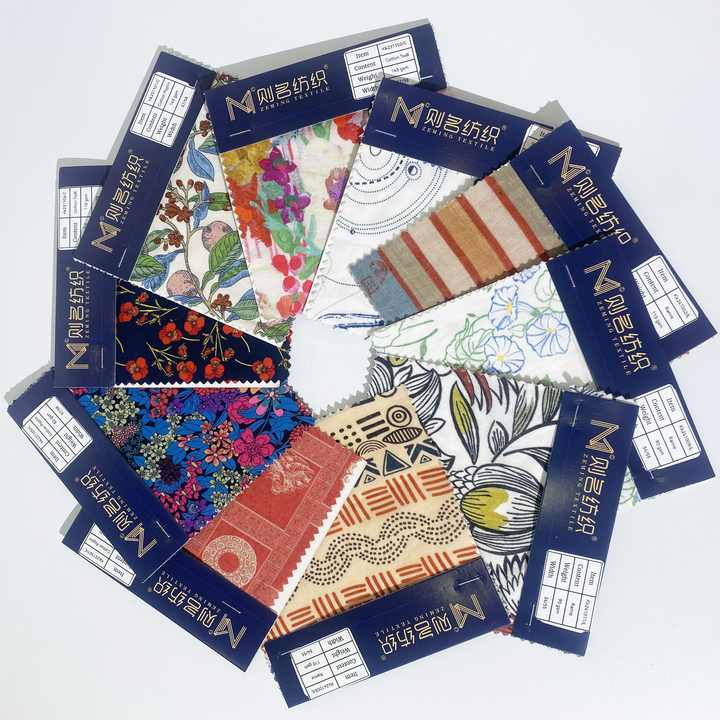
14*14 cm Fabric Samples Different Patterns Patchwork Digital ... by alibaba.com
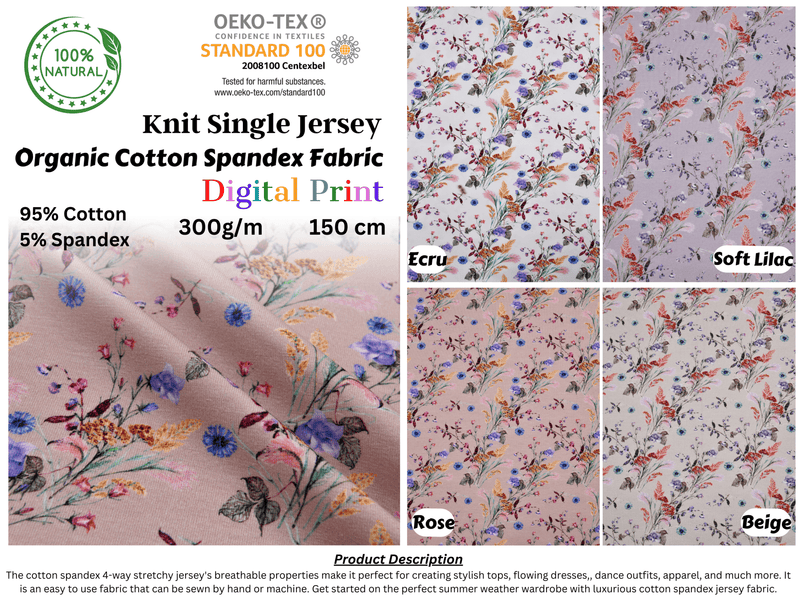
Organic Knit Cotton Spandex Jersey Wild Flowers Digital Print ... by gkfashionfabrics.com
Types of Natural Fibers
Natural fibers, derived from various plant and animal sources, serve as fundamental materials in textile production.
Cotton, the most widely cultivated natural fiber, offers softness and absorbency, making it ideal for a range of applications.
Linen, produced from flax stems, possesses high strength and moisture-wicking properties, though it wrinkles easily.
Hemp stands out for its exceptional tensile strength and environmental benefits, while wool provides natural insulation and moisture-wicking capabilities.
Finally, silk, a luxurious protein filament, is known for its smooth texture and breathability.
Each fiber has unique characteristics that contribute greatly to the textile industry.
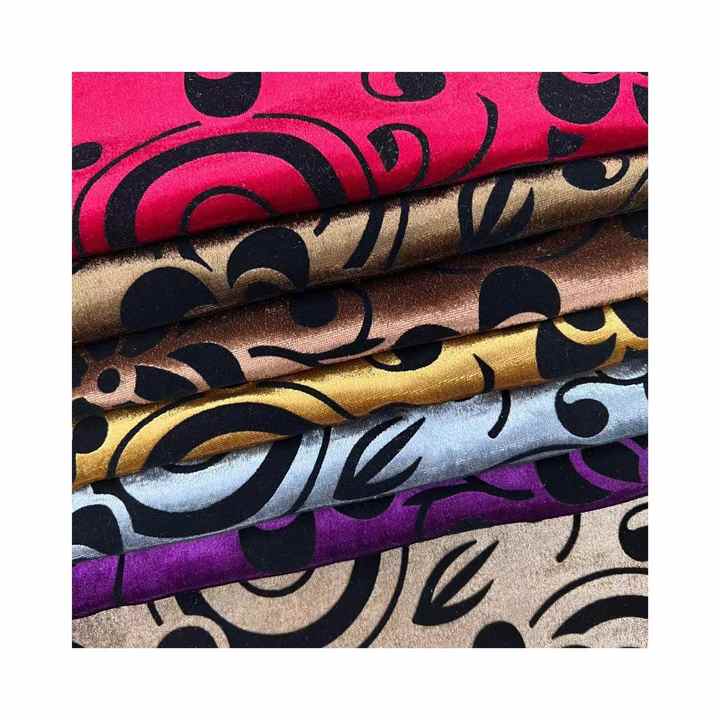
Free Sample Wholesale 100% Polyester Flower Print Velvet Flocked ... by alibaba.com
Synthetic and Blended Fibers
Synthetic and blended fibers represent a significant advancement in textile technology, offering unique properties derived from their chemical composition and production processes.
Synthetic fibers, such as polyester and nylon, provide durability enhancement through superior wear resistance.
Blended fibers combine natural and synthetic materials, optimizing comfort and performance tuning. Common blends like cotton-polyester and wool-nylon merge the strengths of each fiber, delivering softness and strength.
Techniques such as yarn-level blending guarantee consistent distribution, while varying fiber ratios tailor textiles for specific applications.
The integration of synthetic fibers in blends fosters aesthetic versatility and functional adaptability, meeting diverse consumer needs effectively.
Primary Weave Structures
Weave structures serve as the foundational framework for fabric development, influencing both aesthetic qualities and functional characteristics.
The primary weave structures include plain weave, twill weave, and satin weave.
Plain weave features a simple over-and-under pattern, resulting in balanced and durable fabrics.
Twill weave, characterized by a diagonal rib pattern, enhances durability in textiles like denim.
Satin weave creates a lustrous surface through longer floats but sacrifices some durability.
These structures dictate essential fabric characteristics such as drape, strength, and light reflection.
Weave structures play a crucial role in determining a fabric’s drape, strength, and light reflection.
Warp dominance in certain weaves contributes to the overall stability and performance of the textile.
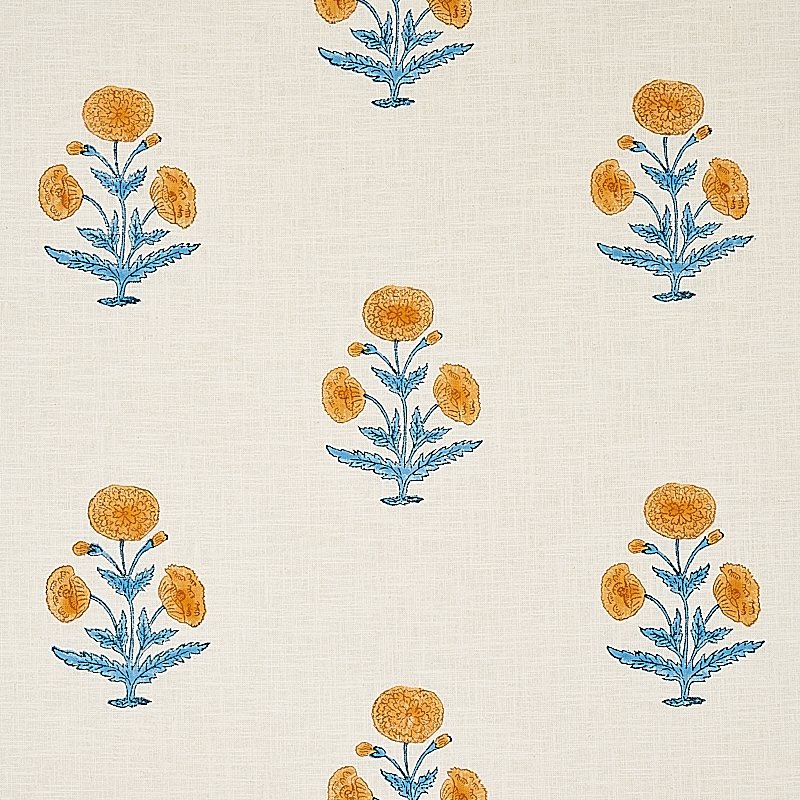
Sample - 179841 Poppy Hand Block Print
Mustard and Sky by Schumacher by mahoneswallpapershop.com
Popular Wiki Terms:
Common Applications of Textiles
Textiles find extensive applications across various sectors, serving both functional and aesthetic purposes.
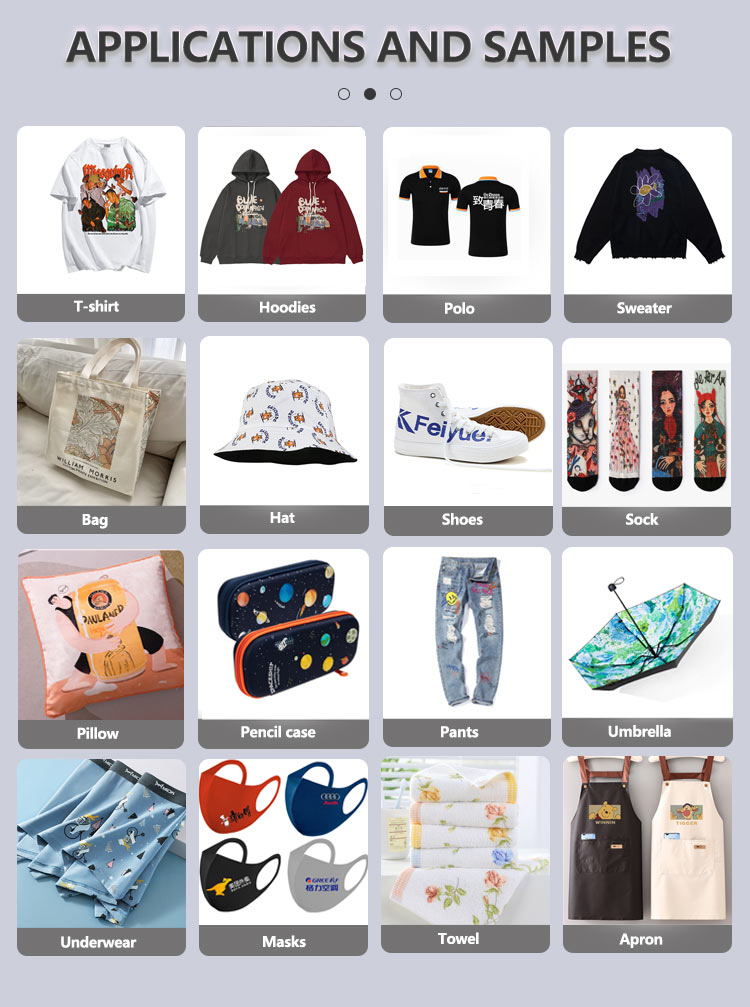
In the apparel industry, custom t-shirts and sportswear are essential for personal expression and performance. Corporate branding utilizes textiles in promotional bags and branded apparel to enhance visibility and market presence.
Event merchandise often features textiles, providing memorable keepsakes for attendees. Textiles play a significant role in home furnishings, medical applications, and industrial uses, highlighting their versatility.
From breathable fabrics used in activewear to protective gear in safety applications, textiles are integral in meeting diverse consumer needs across multiple domains.
References & Data Sources:
https://www.alibaba.com/product-detail/14-14-cm-Samples-Different-Patterns_1600991906861.html – Retrieved April 30, 2025
https://gkfashionfabrics.com/products/organic-knit-cotton-spandex-jersey-wild-flowers-digital-print-fabric-5037 – Retrieved May 2, 2024
https://www.alibaba.com/product-detail/Free-Sample-Wholesale-100-polyester-flower_1600810251018.html – Retrieved February 2, 2025
https://mahoneswallpapershop.com/products/samplemws-179841-poppy-hand-block-print-mustard-and-sky-by-schumacher-fabric – Retrieved April 25, 2025