
Tactile Varnish Definition
Tactile varnish is a specialized coating applied to packaging and labels, enhancing both visual and sensory appeal. It creates varying textures that can elevate product differentiation and perceived quality. Available in gloss and matte finishes, tactile varnish adds durability and protection against environmental factors. It is compatible with multiple substrates and can be selectively applied for unique design effects. Understanding its various applications and benefits offers deeper insights into effective product marketing and design strategies.
Definition and Overview of Tactile Varnish
Tactile varnish is a specialized coating applied to packaging and labels that enhances both aesthetic appeal and user interaction. Its primary purposes include differentiating products on shelves, conveying premium quality, and enhancing brand recall through engaging tactile experiences. Engaging customers on multiple sensory levels can significantly increase brand appeal, making tactile varnish a valuable addition to product design. This technique provides a protective layer that ensures durability and longevity against UV light and outdoor conditions. Tactile varnish also adds visual appeal to labels, which influences purchasing decisions.
Key characteristics of tactile varnish encompass variable texture options, transparent applications, and compatibility with multiple substrates.
Key features of tactile varnish include diverse texture options, clear applications, and adaptability to various materials.
The production process involves screen-printed applications for precise texture control, multiple curing stages for thickness, and specialized equipment for consistency.
This finishing technique serves as a cost-effective method to elevate packaging without altering visual elements, reinforcing brand identity through deliberate texture choices.
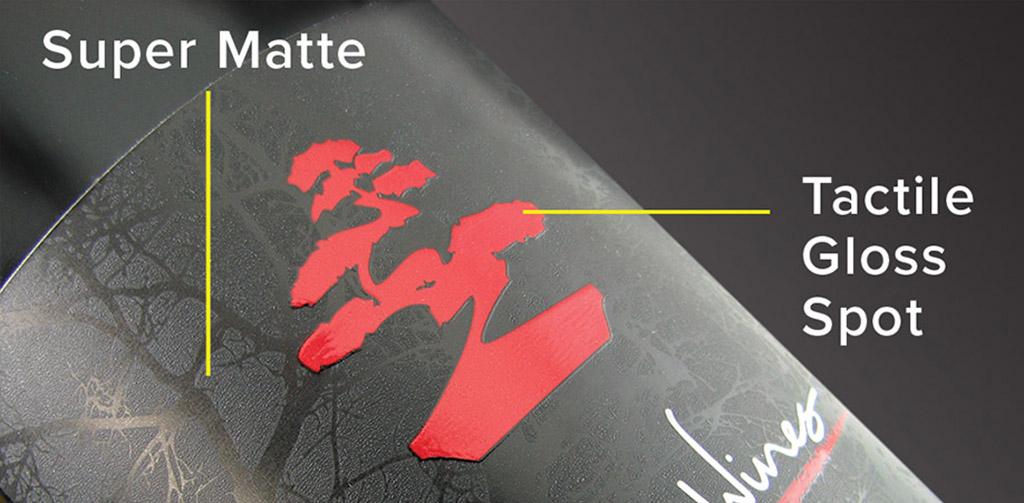
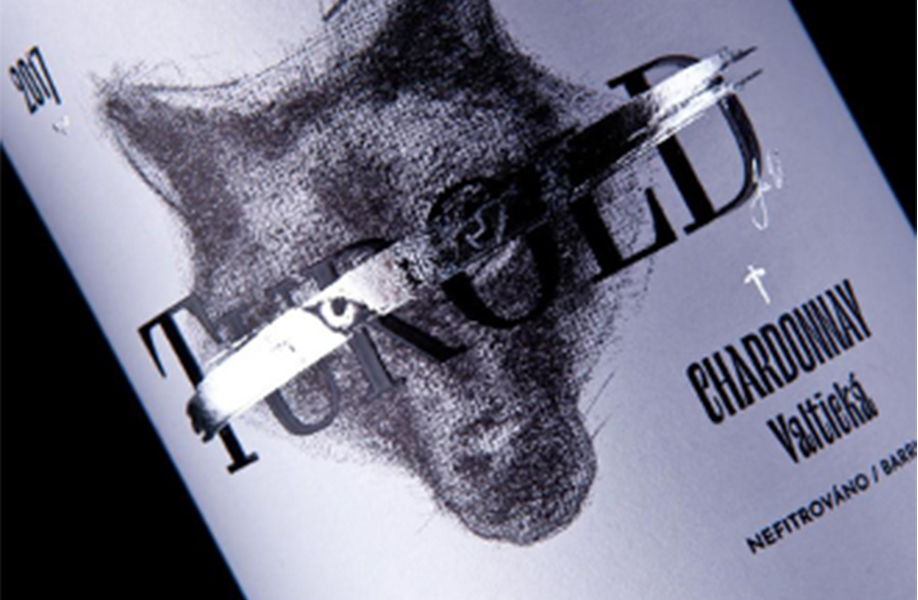
Spot Tactile Varnish Printing - Resource Label Group by resourcelabel.com
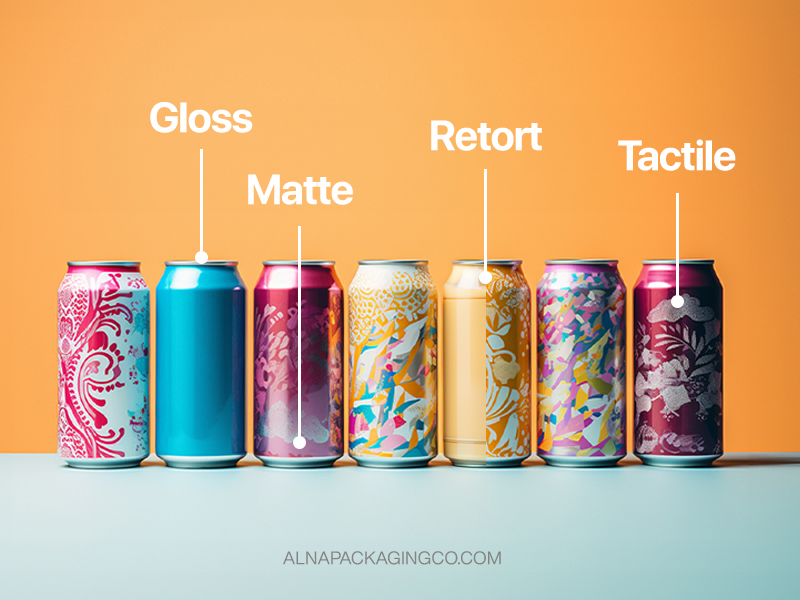
The Finish Line: Exploring Matte
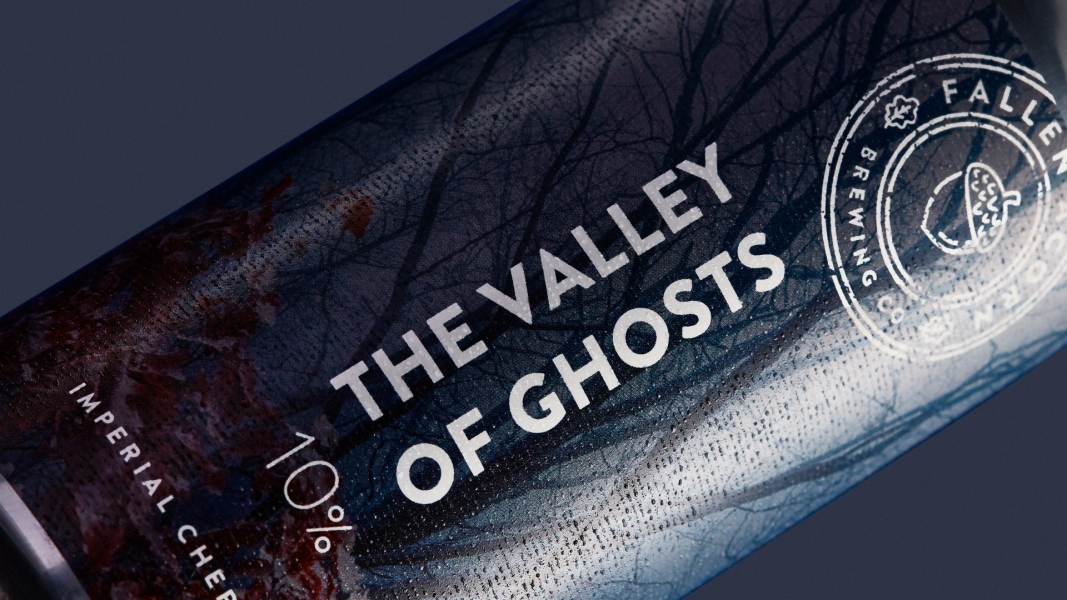
Gloss
Types of Tactile Varnish
Various types of tactile varnish are utilized in packaging and labeling to achieve distinct textures and visual effects. Gloss tactile varnish offers a smooth, tacky texture with a reflective surface, enhancing branding elements on premium packaging. Alternatively, matte tactile varnish provides a rough, subtle texture that minimizes glare, ideal for minimalist designs. Water-based tactile varnish presents a sustainable option, featuring zero VOC emissions and adjustable texture intensity, making it compatible with various substrates. Each type serves different functional and aesthetic purposes, catering to diverse industry needs while promoting sustainability and visual appeal. Additionally, premium label embellishments can justify higher prices for luxury products, making tactile varnish a valuable investment. This unique finish not only adds a tangible, raised texture but also strengthens brand recall through its memorable sensory experience. Also, anilox volume selection is crucial as it determines the build of the tactile varnish, allowing for customized textures according to specific product requirements.
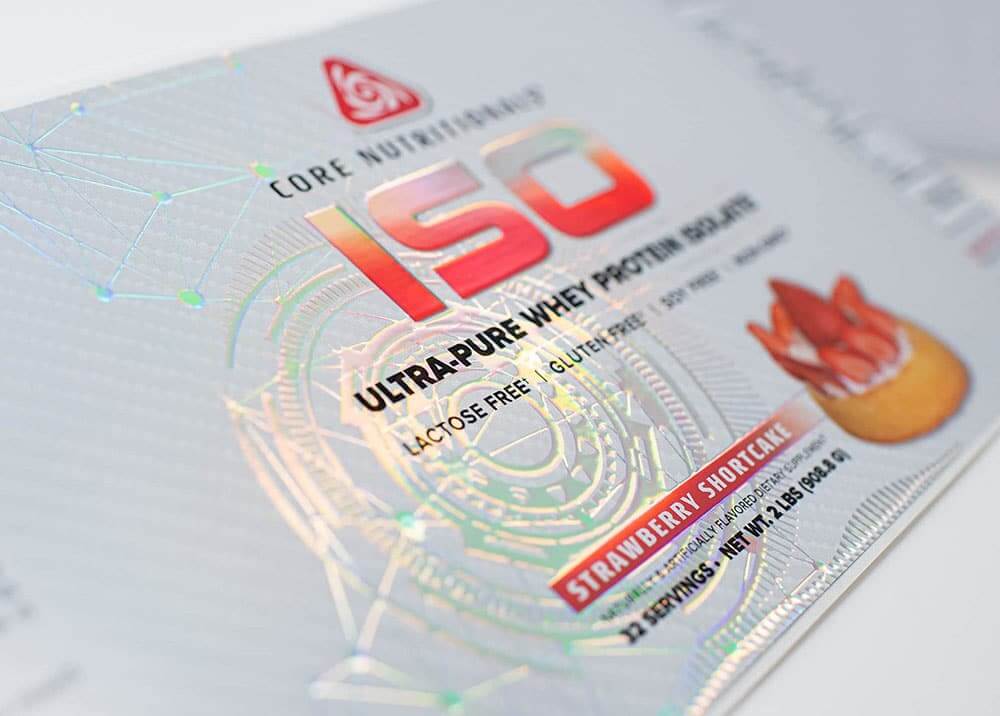
Tactile
Textural Effects of Tactile Varnish
Textural effects in varnishing greatly enhance the visual and tactile experience of packaging. These effects create unique tactile elements that engage consumers through their senses. Raised surface characteristics, such as high-build varnish applications, produce gloss embossed effects, while localized elevations increase interaction. Material compatibility is essential, as tactile varnish can be effectively applied to paper substrates and aluminum packaging. This technique adds a unique finish that accentuates design elements and improves the overall consumer experience. Also, incorporating tactile packaging into designs can differentiate products in competitive markets. The tactile effects not only enhance aesthetics but also elevate consumer interest and brand perception.
Marketing Benefits of Tactile Varnish
While consumer preferences increasingly favor packaging that engages multiple senses, tactile varnish has emerged as a strategic component in packaging design.
Tactile elements enhance brand differentiation by creating a unique shelf presence, making products more memorable. This approach is particularly effective in luxury goods packaging, where perceived quality is paramount. Additionally, tactile varnish conveys a sense of luxury, which can significantly influence consumer purchasing decisions.
Also, the integration of tactile varnish aligns with sustainability considerations, as it can reduce the need for additional packaging materials. By using recyclable substrates, brands can communicate eco-friendliness while appealing to conscious consumers.
Design and Application Techniques
Tactile varnish design and application techniques are critical for achieving desired sensory effects in packaging. Various textures, such as matte and gloss, offer distinct tactile experiences. Selective application through spot varnishing highlights specific elements, enhancing visual contrast and engagement. Screen printing is a common technique employed to apply tactile varnishes, allowing for precise control and raised effects. The high build silkscreen method enables thicker layers, producing pronounced tactile features. Integrating braille within the design promotes inclusivity. Tactile varnishes can also create sensory experiences that attract consumer interest, making products stand out on the shelves. Combining different varnish types can create unique textures, enriching the overall design while ensuring functionality and aesthetic appeal for consumers.
and Retort ... by alnapackagingco.com
Popular Wiki Terms:
Technical Aspects of Tactile Varnish
The technical aspects of tactile varnish encompass its physical properties, chemical composition, and application techniques, which collectively define its functionality and performance in various contexts. Key considerations include coating amounts, typically ranging from 6 to 10 g/m², and substrate compatibility, which extends to paper, cardboard, and select plastics. Eco-friendliness is enhanced through water-based formulations that minimize harmful volatile organic compounds (VOCs) emissions. Curing methods vary, with options like infrared hot curing and UV drying tailored to specific formulations. The tactile varnish offers good adhesion and a smooth feel that enhances the end-user experience. Ultimately, these aspects guarantee that tactile varnish meets industry standards while delivering the desired tactile and visual effects in diverse applications.
References & Data Sources:
https://inovarpackaging.com/elevate-your-label-with-tactile-varnish/ – Retrieved April 28, 2025
https://label-solutions.co.uk/three-reasons-to-add-varnish-tactile-effects-to-your-labels/ – Retrieved April 30, 2024
https://mercianlabels.com/tactile-varnishes-add-another-dimension-to-your-labels/ – Retrieved January 30, 2025
https://www.resourcelabel.com/blog/2020/08/04/spot-tactile-varnish-printing/ – Retrieved April 23, 2025
https://www.niagaralabel.com/tactile-varnishing – Retrieved April 30, 2025
https://ctsindustries.com/tactile-varnish/ – Retrieved April 30, 2025
https://www.crowncork.com/beverage-packaging/decorations/finishes/tactile – Retrieved April 30, 2025
https://www.graphicpkg.com/products/tactile-packaging-effects/ – Retrieved April 30, 2025
https://www.ball.com/emea/packaging/beverage-special-effects/tactile – Retrieved April 30, 2025
https://www.ksidrane.com/2022/08/20/product-packaging-specialty-finishing-tactile-varnish/ – Retrieved April 29, 2025
https://www.amberleylabels.com/embellishment/3d-raised-and-tactile-varnishes – Retrieved April 29, 2025
https://www.alnapackagingco.com/blog/the-finish-line-exploring-matte-gloss-tactile-and-retort – Retrieved April 29, 2025
https://www.xhengink.com/article/a-comprehensive-overview-of-water-based-tactile-varnish.html – Retrieved April 29, 2025
https://www.xhengink.com/product/tactile-varnish.html – Retrieved April 29, 2025