
Synthetic Paper Definition
Synthetic paper is a durable alternative to traditional paper, composed of synthetic polymers such as polypropylene and high-density polyethylene. It exhibits water-resistant and tear-resistant properties, making it suitable for diverse applications including outdoor signage and packaging. The manufacturing process involves mixing raw materials, extrusion for base layer formation, and stretching for dimensional stability. Synthetic paper has gained popularity due to its eco-friendly characteristics, such as lower energy consumption in production and recyclability in specific facilities. Further details about its applications and market trends reveal significant growth potential.
Definition and Composition of Synthetic Paper
Synthetic paper is defined as a printable substrate designed to replicate the characteristics of traditional paper while being composed of synthetic polymers instead of wood pulp.
Its chemical composition typically includes polypropylene, high-density polyethylene, and other thermoplastic materials derived from petroleum-based resins. Common examples include PPG TESLIN, known for its durability and print compatibility. Synthetic paper is increasingly used for a variety of applications due to its durability, versatility, and cost-efficiency. It is highly durable and offers significant advantages in terms of longevity and performance. This type of paper is often praised for its strength comparable to traditional paper, making it suitable for a wide range of uses.
While synthetic paper is often marketed as recyclable in specific facilities, challenges persist due to its complex material structure.
This “tree-free paper” offers an alternative with lower energy consumption in production, highlighting its potential benefits concerning environmental factors, despite its non-biodegradable nature.
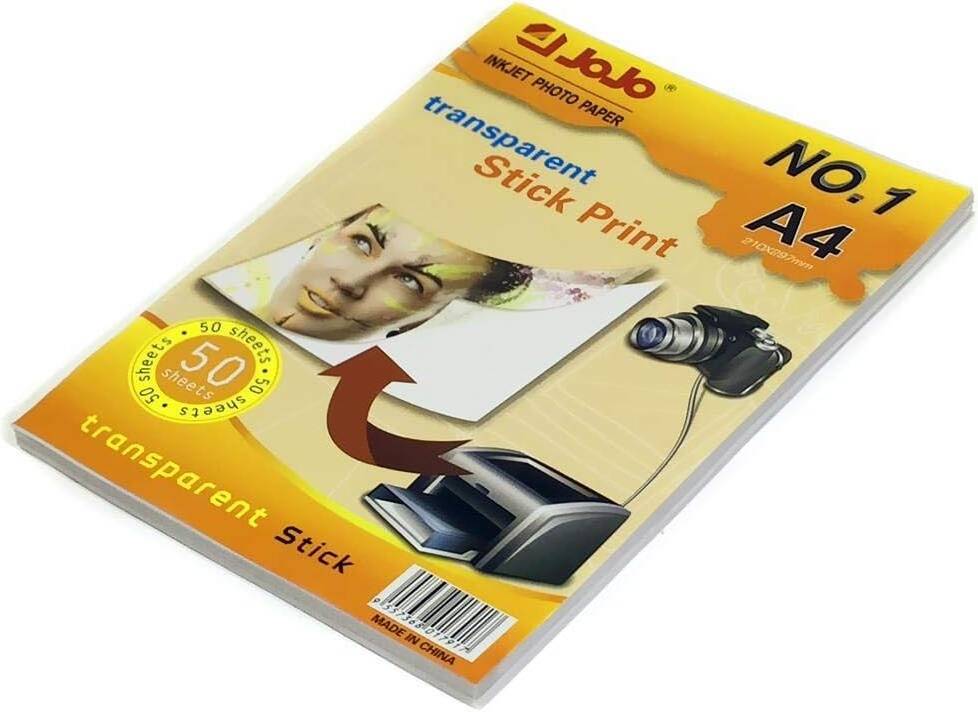
A3 Print Dimension 40*100cm Double-Sided Matte DTF PET Film Paper ... by alibaba.com
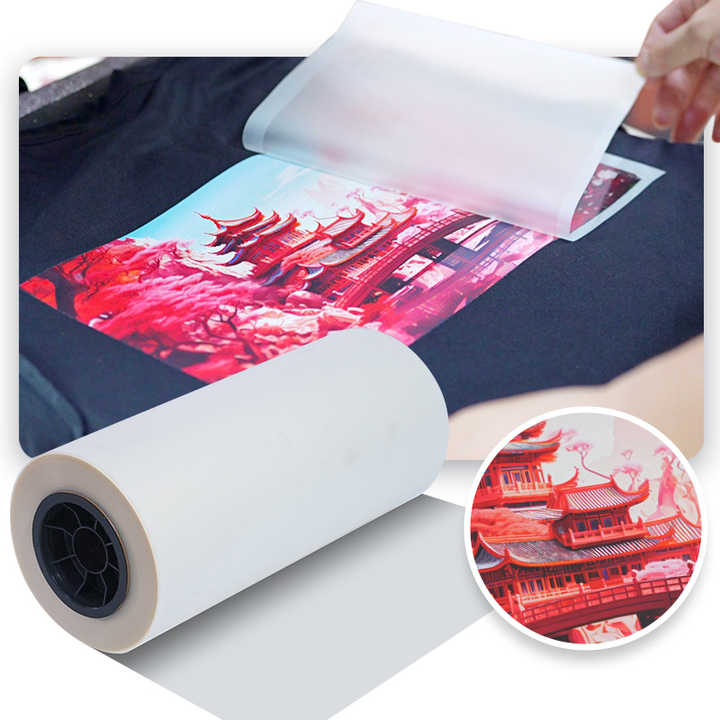
High Gloss Inkjet Synthetic Paper Self-Adhesive Mineral Water ... by xinzhu.en.made-in-china.com
Key Properties of Synthetic Paper
The key properties of synthetic paper contribute greatly to its functionality and suitability for a variety of applications.
Its durability characteristics include tear resistance and waterproof capabilities, making it ideal for outdoor use. Synthetic paper is chemical-resistant, ensuring longevity in demanding environments. Notably, key players in the synthetic paper market include PPG Industries and Yupo Corporation, which drive innovation and quality standards. Also, its high density polyethylene (HDPE) composition enhances its strength and durability. With exceptional UV stability, synthetic paper maintains its visual appeal and integrity even when exposed to sunlight over time.
Synthetic paper’s tear resistance and waterproof nature make it perfect for outdoor applications, ensuring durability in challenging conditions.
It supports compatible print processes such as offset lithography and UV inkjet, delivering high print quality and excellent color vibrancy.
Also be aware that its sustainability is notable, as it is produced without tree harvesting and is recyclable in many facilities.
This combination of features positions synthetic paper as a versatile choice across multiple industries, enhancing both performance and environmental responsibility.
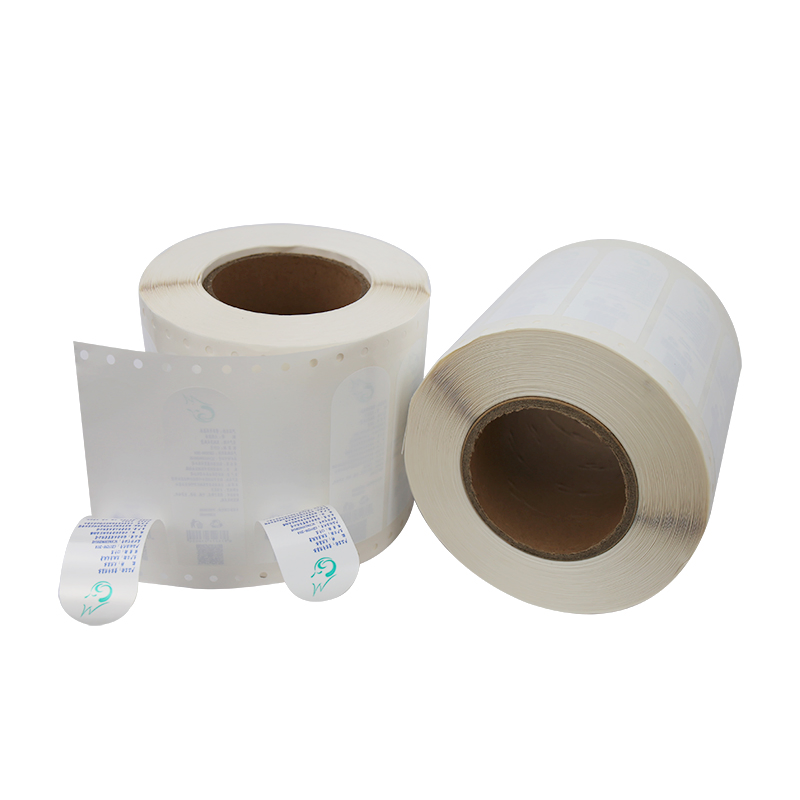
DTF Blanks Adorn Your Creations With 30cm 60cm Self-Adhesive DTF ... by alibaba.com
Manufacturing Process of Synthetic Paper
A thorough manufacturing process underpins the production of synthetic paper, involving several distinct stages and specialized machinery.
The process begins with raw materials, primarily high-density polyolefin and inorganic fillers, which are mixed with additives in master mixing units. This mixture is pelletized for streamlined production.
The extrusion technique is then employed to melt and form the base layers, followed by stretching to enhance dimensional stability. During this phase, the base and surface layers are formed, contributing to the overall strength of the synthetic paper. The production of synthetic paper can utilize fiber and film categories, with film synthetic papers being more commonly used due to their superior qualities. The absence of harmful additives enhances safety for users during the manufacturing process.
After cooling, a quality control stage guarantees compliance with industry standards.
The polymer composition and manufacturing processes impact the environmental impact of synthetic paper, emphasizing its durability while addressing sustainability considerations.
Common Applications of Synthetic Paper
Common applications of synthetic paper span various industries, showcasing its versatility and durability.
It is widely used for labels, including food and pharmaceutical packaging, due to its water-resistant and tear-resistant properties. Its proprietary microporous structure enables differentiated solutions that enhance product performance. Synthetic paper is particularly advantageous because it is engineered for long-term durability.
Outdoor signage benefits from its UV-stable surface texture, maintaining legibility in harsh conditions. Also, its high durability makes it an excellent choice for long-term outdoor applications.
Synthetic paper serves in identification documents like passports and driver’s licenses, which require durability and security features.
Synthetic paper is essential for identification documents, providing the necessary durability and security for passports and driver’s licenses.
Its ability to withstand moisture makes it ideal for water-resistant products, such as scuba manuals and garden plant tags.
With paper weight options ranging from 4 mil to 16 mil, synthetic paper meets diverse application requirements effectively.
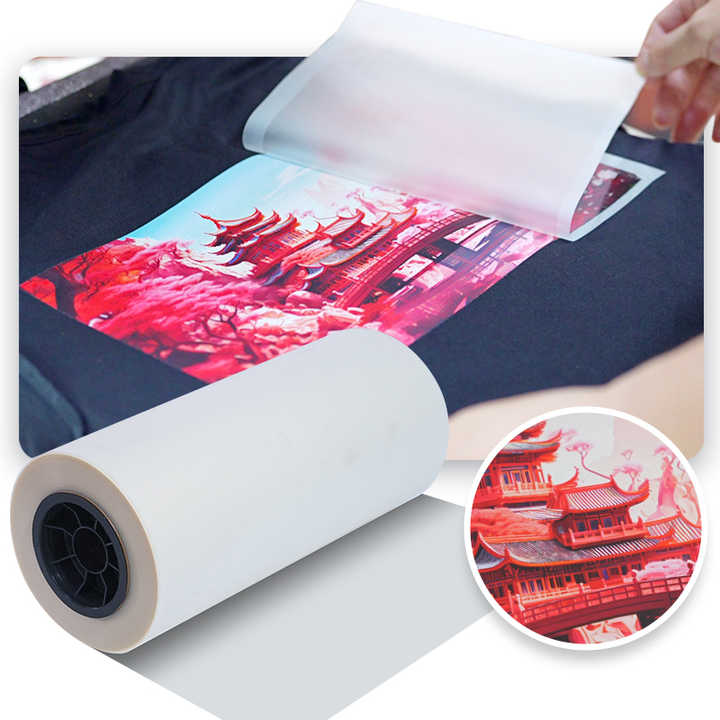
Industry Advantages of Synthetic Paper
Synthetic paper offers numerous advantages across various industries, enhancing its appeal for diverse applications.
Its durability includes tear and water resistance, making it suitable for challenging environments. The thickness ranges from 4 mil to 16 mil, providing options for various needs. Its waterproof and moisture-resistant properties make it ideal for labels in damp environments, ensuring longevity and performance. Also be aware that its tear-resistant nature ensures that products remain intact even under constant use. Also, its superior durability allows it to maintain appearance despite harsh conditions, further extending its usability.
Economically, it is cost-effective over time, as it eliminates lamination costs and reduces labor expenses. Synthetic paper supports versatile printing methods, ensuring high-quality print results.
Eco-friendly aspects, such as recyclability and lower energy consumption during production, further underscore its advantages.
Popular Wiki Terms:
Current Market Trends in Synthetic Paper
As the demand for durable and sustainable packaging solutions increases, the synthetic paper market is experiencing significant growth. Valued at approximately USD 819.9 million in 2025, it is projected to reach USD 1.7 billion by 2035, reflecting a compound annual growth rate (CAGR) of 5.2%. Key drivers include the expansion of the packaging industry, particularly in e-commerce, and the rising interest in sustainability and eco-friendly solutions. Advancements in digital printing technologies are enhancing the applications of synthetic paper. Importantly, its use in medical and healthcare packaging contributes to ongoing market growth and diversification. Also, the market is driven by increasing demand for durable, water-resistant, and tear-resistant packaging, as well as the projected growth of the synthetic paper market reaching $1.57 billion by 2029. The Asia Pacific region, holding a significant market share of 39.19%, is a key contributor to this growth.
References & Data Sources:
https://www.ppg.com/en-US/teslin/performance-benefits/synthetic-paper – Retrieved April 28, 2025
https://www.paperpapers.com/news/what-is-synthetic-paper/ – Retrieved April 30, 2024
https://japan.yupo.com/english/paper/thing.html – Retrieved January 30, 2025
https://www.alibaba.com/product-detail/A3-Print-Dimension-40-100cm-Double-1601165348495.html – Retrieved April 23, 2025
https://xinzhu.en.made-in-china.com/product/ImvpErqjRnYa/China-High-Gloss-Inkjet-Synthetic-Paper-Self-Adhesive-Mineral-Water-Label-Inkjet-Coating-Photo-Printing-Jumbo-Roll-Material.html – Retrieved April 30, 2025
https://en.wikipedia.org/wiki/Synthetic_paper – Retrieved April 30, 2025
https://www.polyart.com/synthetic-paper/ – Retrieved April 30, 2025
https://www.cosmosyntheticpaper.com/blog/what-is-synthetic-paper-and-its-applications – Retrieved April 30, 2025
https://www.alibaba.com/product-detail/DTF-blanks-Adorn-Your-Creations-with_1601165553077.html – Retrieved April 30, 2025
https://yupousa.com/what-is-yupo/manufacturing-process/ – Retrieved April 29, 2025
https://aboutsimplethings.gonevis.com/manufacturing-methods-and-the-types-of-synthetic-papers/ – Retrieved April 29, 2025
https://www.ppg.com/en-US/teslin/applications – Retrieved April 29, 2025
https://www.formaxprinting.com/blog/what-is-synthetic-paper-what-projects-are-best-for-synthetic-paper – Retrieved April 29, 2025
https://www.cosmofilms.com/blog/what-is-synthetic-paper-and-it-applications – Retrieved April 29, 2025
https://www.ppg.com/en-US/teslin/performance-benefits/synthetic-paper/5-reasons-to-use-for-synthetic-labels – Retrieved April 29, 2025
https://alexanders.com/blog/7-reasons-you-should-print-on-synthetic-paper/ – Retrieved April 29, 2025
https://www.cosmosyntheticpaper.com/blog/the-benefits-of-using-synthetic-paper-for-versatile-printing – Retrieved April 29, 2025
https://www.futuremarketinsights.com/reports/synthetic-paper-market – Retrieved April 29, 2025
https://blog.tbrc.info/2025/03/synthetic-paper-market-drivers/ – Retrieved April 29, 2025
https://www.fortunebusinessinsights.com/synthetic-paper-market-102386 – Retrieved April 29, 2025