
Substrate Compatibility Definition
Substrate compatibility refers to the effectiveness of materials, coatings, and inks when used together in electronic applications. Key factors include chemical stability, thermal expansion, and moisture resistance. The physical properties of substrates, such as dielectric constant and thermal conductivity, greatly influence performance. Proper adhesion and cohesion between inks and substrates rely on their compatibility. Understanding these principles is essential for peak operational efficiency and reliability in diverse environments. Further exploration reveals additional complexities and considerations in substrate selection.
Understanding Substrate Material Properties
Substrate material properties play a critical role in determining the performance and reliability of printed electronics and related applications. The dielectric constant is essential for maintaining signal integrity, particularly in high-frequency environments. Thermal conductivity varies widely among materials, influencing heat dissipation and overall performance in electronic circuits. The choice of substrate material can significantly affect the mechanical support and electrical insulation of the PCB. Moisture absorption also impacts reliability, with standard tests indicating a weight gain range of 0.01-0.20%. Understanding these properties guarantees the selection of substrates that meet specific operational requirements, thereby enhancing the functionality and durability of electronic devices in diverse applications, from consumer goods to aerospace technologies.
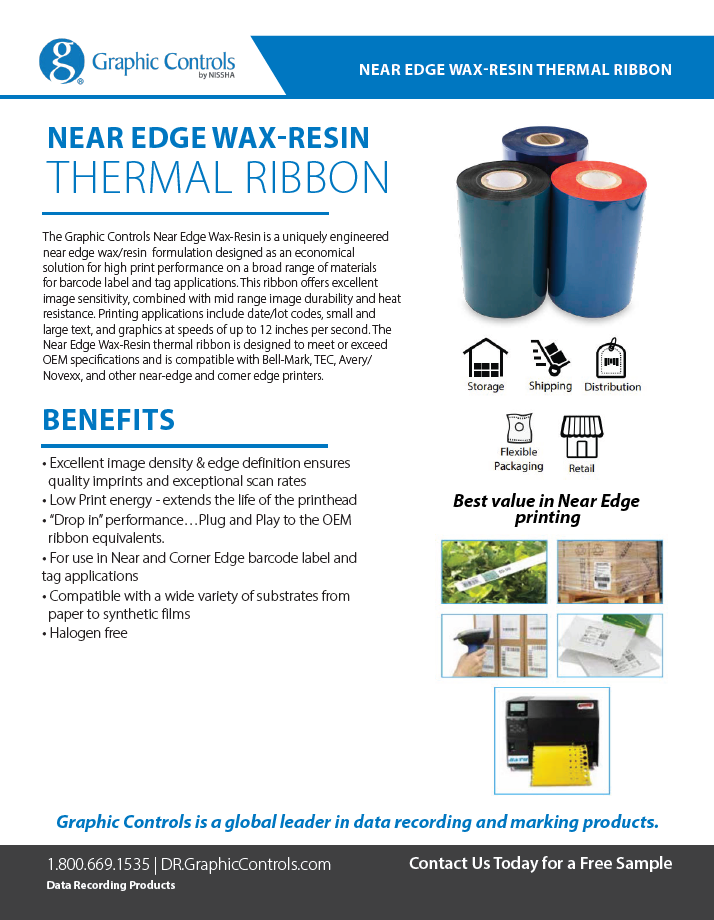
THERMAL RIBBON by dr.graphiccontrols.com
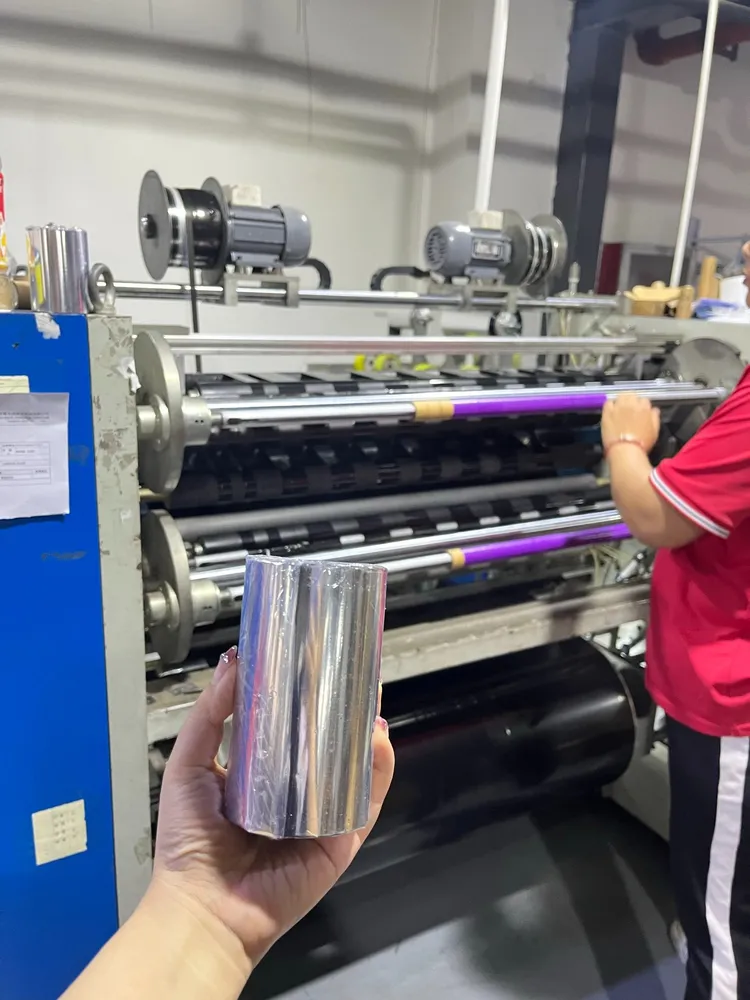
Free Sample Roll 4.33' X 984' 110*300 Zebra Wax Resin Black ... by unioncoding2023.en.made-in-china.com
Ink-Substrate Compatibility Factors
Ensuring compatibility between ink and substrate is critical for achieving ideal print quality and performance. Factors influencing substrate compatibility include chemical stability, polymer types, and solvent characteristics.
The size of ink particles affects viscosity and flow, while functional additives can enhance performance. Flexibility and elasticity of inks must match substrate requirements, especially under deformation.
Curing methods, such as UV and thermal curing, impact adhesion and cohesion properties. Surface energy and wetting characteristics are essential for peak ink adhesion.
Ink flow rates and adhesion promoters play a significant role in ensuring strong bonds between ink and various substrate types.

Biomedical Glass Solutions by lightinginglass.com
Coating Application Techniques and Their Importance
Coating application techniques play an essential role in guaranteeing the performance and longevity of printed materials. Effective surface preparation, including cleaning and sanding, is critical for adhesion enhancement. The selection of compatible primers and coatings based on material compatibility guarantees peak bonding between the substrate and coating. Various application methods, such as spraying and dip-coating, facilitate uniform coverage and durability. Coating characteristics are influenced by factors such as usage environment and expected lifespan, which must be considered during the application process. Attention to curing times and thorough inspection post-application further contribute to the integrity of the coating. In the end, these techniques are crucial for achieving high-quality finishes that meet industry standards and client expectations in various printing applications.
Environmental Resilience Considerations
Environmental resilience considerations are vital for evaluating the long-term performance and durability of materials under varying conditions. Factors such as temperature variability, humidity, and chemical exposure greatly impact substrate integrity.
Substrates must exhibit strong chemical resistance to prevent deterioration from environmental interactions. UV stability is essential for maintaining structural integrity over time, particularly in outdoor applications.
The ability to endure extreme temperatures further guarantees that materials remain functional and reliable. Understanding these resilience factors aids in selecting appropriate substrates, ultimately supporting their effective use in diverse applications while promoting sustainability and longevity in material performance.
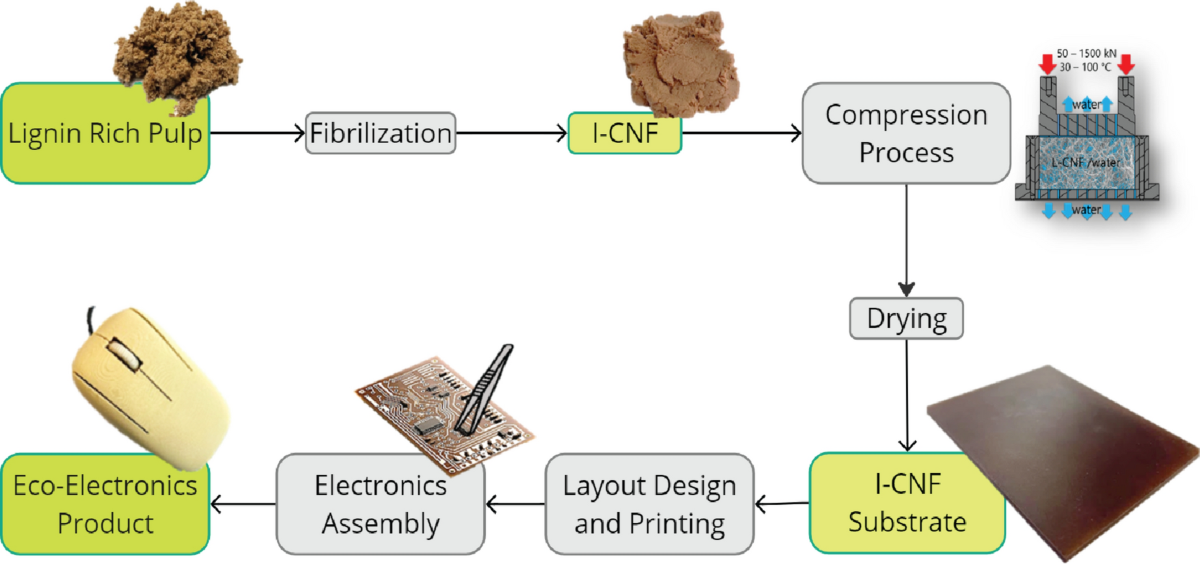
Printed circuit board substrates derived from lignocellulose ... by nature.com

Scrim
Key Manufacturing Considerations for Substrate Compatibility
Substrate compatibility is essential in manufacturing, as various factors influence the selection of materials and their performance in end applications. Key considerations include material selection and compatibility, which address thermal expansion and moisture resistance.
Manufacturing process compatibility guarantees substrates support soldering and wire bonding without defects. Integration and standardization play crucial roles in accommodating chiplet architectures and guaranteeing seamless interconnects.
The dimensional stability and mechanical strength of materials also enhance structural integrity. By focusing on these parameters, manufacturers can optimize substrate compatibility, ultimately enhancing product reliability and performance in diverse applications.
Popular Wiki Terms:
Evaluating End-Use Performance Metrics
Evaluating end-use performance metrics is a vital process in ensuring that substrates meet the demands of their applications. This involves surface energy measurements to gauge wettability and adhesion potential, which are essential for effective bonding.
Mechanical property evaluation focuses on elastic modulus and peel strength, ensuring compatibility between adhesives and substrates. Thermal performance metrics, including coefficient of thermal expansion and thermal conductivity, are important for evaluating stress under temperature variations.
Thorough assessments, including ASTM adhesion tests and accelerated aging protocols, validate substrate performance, ensuring reliability in real-world conditions and enhancing service quality in various applications.
References & Data Sources:
https://www.sciplasma.com/post/substrate-definition – Retrieved April 30, 2025
https://dr.graphiccontrols.com/globalassets/literature/data-recording/near-edge-wax-resin-thermal-ribbon-kh.pdf – Retrieved May 2, 2024
https://unioncoding2023.en.made-in-china.com/product/OmnYBCSjbGpr/China-Free-Sample-Roll-4-33-X-984-110-300-Zebra-Wax-Resin-Black-Thermal-Transfer-Ink-Ribbon-60-300-Compatible-Label-Printer-Near-Edge-Ribbon.html – Retrieved February 2, 2025
https://lightinginglass.com/tr/our-projects/biomedical-glass/ – Retrieved April 25, 2025
https://coatingsdirectory.com/blog/coatings-applications-and-considerations/ – Retrieved May 2, 2025
https://www.nature.com/articles/s41598-025-91653-1 – Retrieved May 2, 2025