
Shrink Sleeves Definition
Shrink sleeves are labels made from polymer plastic films, commonly used in packaging to enhance branding and guarantee product integrity. They are typically composed of materials such as PETG, PVC, OPS, and PLA. The application process involves precise film selection, printing, and adherence to container shapes, often utilizing high-speed applicators. Shrink sleeves provide tamper-evidence and design flexibility. They are increasingly adopted across various industries, indicating a growing trend towards sustainable packaging solutions and innovative materials. Additional insights await exploration.
Definition and Basic Composition
Shrink sleeves are specialized labels constructed from polymer plastic film, designed to cover containers for packaging and branding purposes.
Their composition includes various materials, particularly PETG, PVC, OPS, and PLA, each providing distinct properties. PETG is favored for its clarity and high shrink rate, while PVC offers cost-effectiveness and recyclability. Experienced experts are available to assist in the selection of suitable materials for specific applications. These sleeves are widely used in food and beverage packaging, which highlights their versatility and impact on product presentation. Shrink sleeves can provide a tamper-evident seal, ensuring product integrity and enhancing consumer confidence. OPS is used for its controlled shrink rate, although it has specific handling needs. PLA, a bio-based option, faces adoption challenges due to cost. These materials enhance the aesthetic appeal of products, provide tamper evidence, and guarantee durability, making shrink sleeves an effective solution for diverse packaging needs.
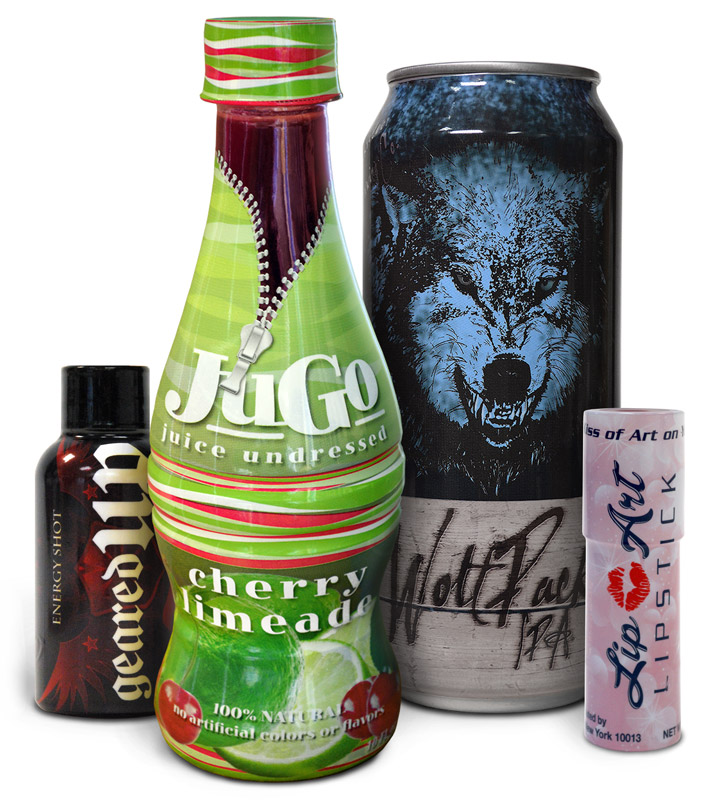
Shrink Sleeve Labels — Century Label by centurylabel.com
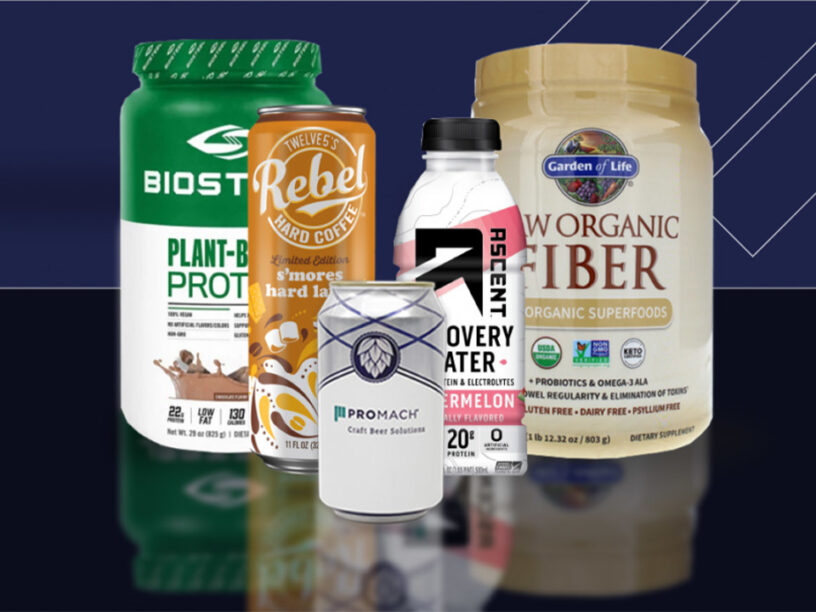
Shrink Sleeve Packaging Solutions - Flexographic Printing by cldgraphics.com
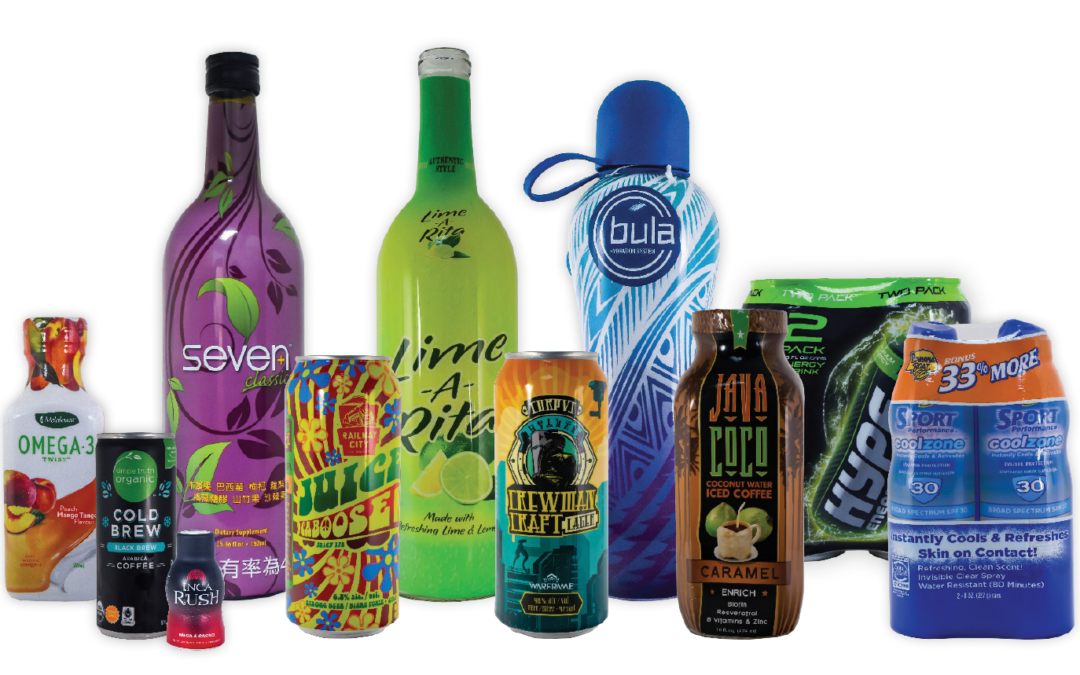
Agile Response with Digitally Printed Shrink Sleeves by tracopackaging.com
Application Process
The application process for shrink sleeves involves several meticulously coordinated steps to guarantee peak performance and aesthetic quality.
Initially, film selection is essential, considering shrink curves and container geometry. Container 3D scanning aids in accurate sleeve fitment.
The printing & seaming phase employs flexographic or digital printing, followed by gluing sleeve ends into cylinders. Shrink labels provide a tamper-evident feature, enhancing product security during this phase. The choice of shrink materials significantly impacts the effectiveness of the labeling process. Assessing application line needs ensures that the process aligns with production requirements.
Sleeve application utilizes high-speed applicators for precise placement, while orientation systems ascertain graphic alignment.
Heat shrinking occurs in calibrated tunnels to achieve ideal conformation.
Finally, quality checks confirm full body sleeve adhesion before pallets are prepared for transport, ensuring efficiency and reliability in production.
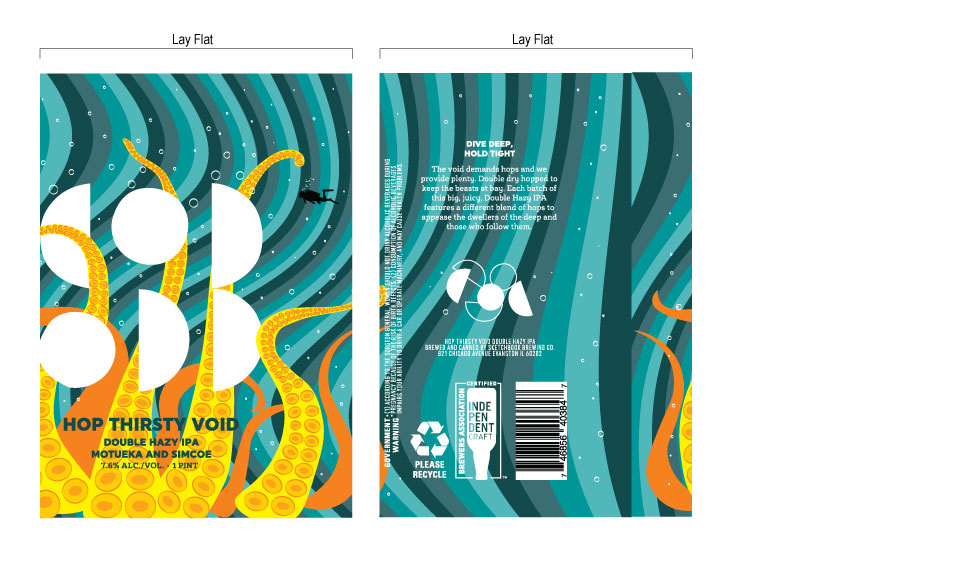
Shrink Sleeves Artwork Guide - Presto Labels by prestolabels.com
Key Advantages
Key advantages of shrink sleeves include enhanced protection, design flexibility, sustainability benefits, operational efficiency, and improved consumer experience. These sleeves provide a 360-degree barrier against environmental factors and counterfeiting, ensuring product integrity. The design flexibility allows for full-body or partial sleeves, accommodating various container shapes and sizes while facilitating vibrant branding opportunities. Their ability to adapt to virtually any container shape or size enhances packaging versatility, making them suitable for a wide range of products. Eco-friendly materials, such as recyclable and biodegradable films, support sustainable practices. Also, their cost efficiency simplifies inventory management and minimizes labeling costs. They improve the consumer experience through tamper-evidence, clear information display, and aesthetically pleasing finishes, fostering trust and encouraging repeat purchases.
Common Types
Various types of shrink sleeves are utilized in packaging to meet specific product requirements and enhance functionality.
The standard shrink sleeve typically covers most of a container, excluding the neck and cap. Conversely, the full-body shrink sleeve envelops the entire container, providing thorough coverage. Standard shrink sleeves can also reduce warehousing costs by allowing single container types. Shrink bands package multiple items together effectively, promoting products through messages or logos. Additionally, shrink sleeve packaging maximizes shelf appeal and impact with 360 degrees of space for graphics and information.
Shrink bands serve as tamper-evident seals around caps, guaranteeing product integrity. Perforated shrink caps facilitate easy cap removal while maintaining tamper evidence.
These diverse options allow brands to enhance visibility, verify safety, and accommodate various container shapes and sizes, thereby optimizing the packaging solutions across multiple industries, including food, beverages, and personal care products.
Technical Considerations
Shrink sleeves involve several technical considerations that are critical for achieving ideal performance in packaging applications.
Pre-distortion corrections are essential to accommodate container contours during printing. Shrink sleeve designs can significantly enhance product differentiation and shelf impact when executed effectively. The use of full-color images in shrink sleeve designs also plays a crucial role in maximizing branding opportunities.
Material selection factors, including shrink potential and environmental impact, guide the choice of films like PVC, OPS, or PLA. Proper trial of materials and containers is vital to avoid application problems.
Material selection is crucial, balancing shrink potential with environmental impact when choosing films such as PVC, OPS, or PLA.
Heat tunnel optimization guarantees uniform shrinkage by adjusting temperature gradients and dwell time.
Mechanical and dimensional tolerances, such as slit width and perforation density, affect sleeve application and functionality.
Attention to these technical details facilitates effective branding while assuring product integrity and consumer safety.
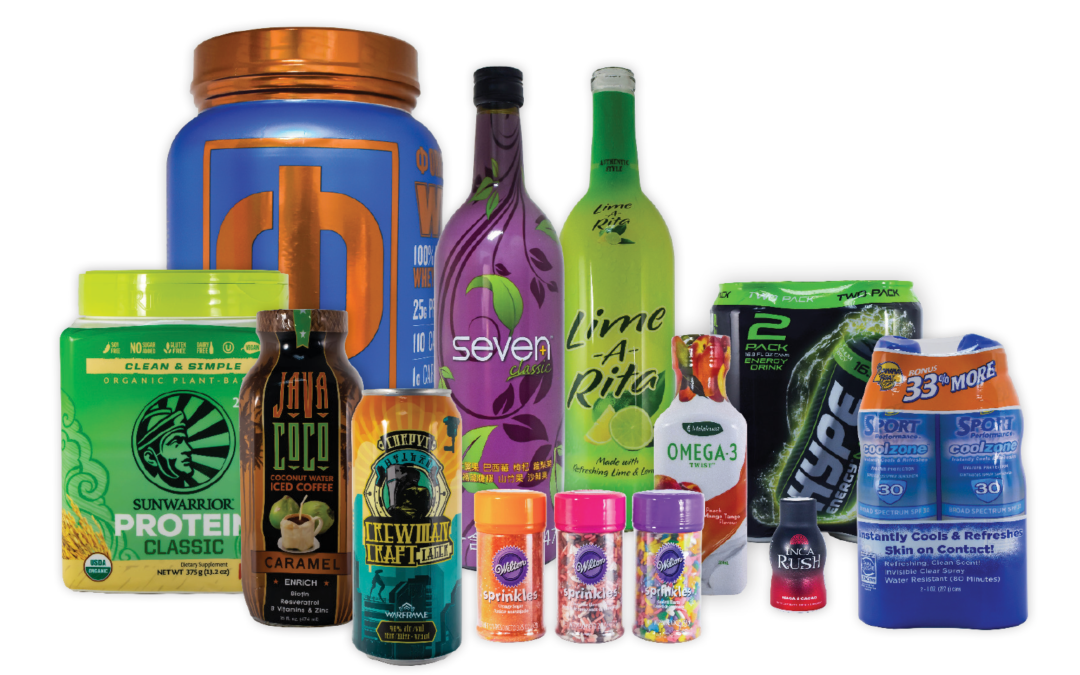
Advantages of Shrink Sleeve Labels by tracopackaging.com
Popular Wiki Terms:
Industry Adoption
The adoption of shrink sleeves in various industries is driven by their adaptability and functionality in packaging solutions. Shrink sleeve labels are increasingly utilized in the pharmaceutical sector for their tamper-evident solutions, ensuring product safety. The food and beverage industries leverage these labels for enhanced packaging aesthetics and security. E-commerce’s rise further propels demand for visually appealing packaging, particularly in emerging markets. Custom-printed labels enhance branding opportunities, while sustainable packaging solutions are increasingly prioritized. Innovations in material technology and smart packaging continue to attract diverse sectors, fostering growth in this dynamic market. As the market size is projected to grow from USD 14,529.8 Million in 2024 to USD 21,342.5 Million by 2032, this indicates a compound annual growth rate of 4.92% during the forecast period. The growing demand for 360-degree branding is also driving the adoption of shrink sleeves as businesses seek to differentiate their products in competitive markets. This growth is further supported by a steady CAGR of 3.1% observed from 2019 to 2023, highlighting the enduring popularity of shrink sleeve labels in various sectors.
References & Data Sources:
https://www.resourcelabel.com/products/shrink-sleeve-label-printing/shrink-sleeve-materials/ – Retrieved April 28, 2025
https://www.slideserve.com/vintechpoly/shrink-sleeves-for-general-packaging – Retrieved April 30, 2024
https://en.wikipedia.org/wiki/Shrink_wrap – Retrieved January 30, 2025
https://www.centurylabel.com/shrink-sleeves – Retrieved April 23, 2025
https://www.cldgraphics.com/products/shrink-sleeves-flexographic/ – Retrieved April 30, 2025
https://tracopackaging.com/digitally-printed-shrink-sleeves-allow-agile-response/ – Retrieved April 30, 2025
https://resources.pdc-corp.com/blog/shrink-sleeve-labeling-101 – Retrieved April 30, 2025
https://blog.verstlogistics.com/five-5-steps-to-a-having-successful-shrink-sleeve-application – Retrieved April 30, 2025
https://prestolabels.com/shrink-sleeves-artwork-guide/ – Retrieved April 30, 2025
https://tracopackaging.com/the-advantages-of-shrink-sleeve-labels/ – Retrieved April 29, 2025
https://www.taylor.com/blog/shrink-sleeve-packaging-offers-four-key-benefits-to-cpg-brands – Retrieved April 29, 2025
https://resources.pdc-corp.com/blog/advantages-of-full-body-shrink-sleeve-labeling – Retrieved April 29, 2025
https://www.centurylabel.com/news/types-of-shrink-sleeves-for-product-packaging – Retrieved April 29, 2025
https://www.centurylabel.com/news/five-types-of-shrink-sleeves-to-know-right-now – Retrieved April 29, 2025
https://www.propac.com/custom-materials/shrink-sleeve/shrink-sleeve-types/ – Retrieved April 29, 2025
https://www.resourcelabel.com/blog/2018/08/13/shrink-sleeve-label-design-considerations-for-reducing-shrink-distortion/ – Retrieved April 29, 2025
https://www.karlville.com/blog/everything-you-need-to-know-about-shrink-sleeve-application/ – Retrieved April 29, 2025
https://www.inlandpackaging.com/blog/ultimate-shrink-sleeve-troubleshooting-guide/ – Retrieved April 29, 2025
https://www.marketresearchfuture.com/reports/shrink-sleeve-labels-market-1785 – Retrieved April 29, 2025
https://www.futuremarketinsights.com/reports/full-container-shrink-sleeves-market – Retrieved April 29, 2025
https://www.healthcarepackaging.com/industry-news/market-trends/news/22927854/shrink-sleeve-labels-market-to-hit-21-billion-by-2034-driven-by-rising-demand-in-the-pharmaceutical-sector – Retrieved April 29, 2025