
Saddle Stitching Definition
Saddle stitching is a book binding method that involves nesting folded sheets together and securing them with staples along the fold. This technique is efficient for producing booklets, brochures, and magazines, typically with a page count of 8 to 72. It is cost-effective, requiring low material costs and labor. Despite its advantages, saddle stitching has limitations regarding durability and spine design. Understanding its process and applications reveals more about its role in printed materials.
Definition and Overview of Saddle Stitching
Saddle stitching is a widely recognized book binding method characterized by its use of folded sheets of paper that are nested together and secured with staples through the fold.
This binding technique is particularly suited for projects with fewer pages, making it a cost-effective choice for producing magazines and other short publications. Each folded sheet creates four pages, allowing for efficient use of materials.
Saddle stitching is favored in the publishing industry for its professional appearance and accessibility, especially for items requiring less than 48 pages. Its straightforward design supports frequent updates and rapid production timelines.
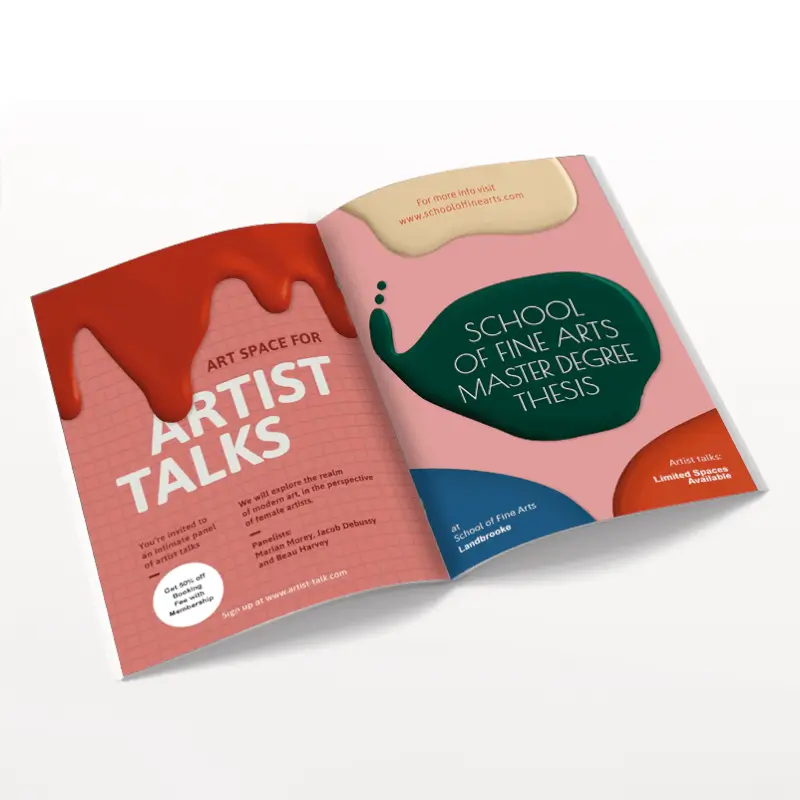
Saddle Stitch Booklet by mixam.com
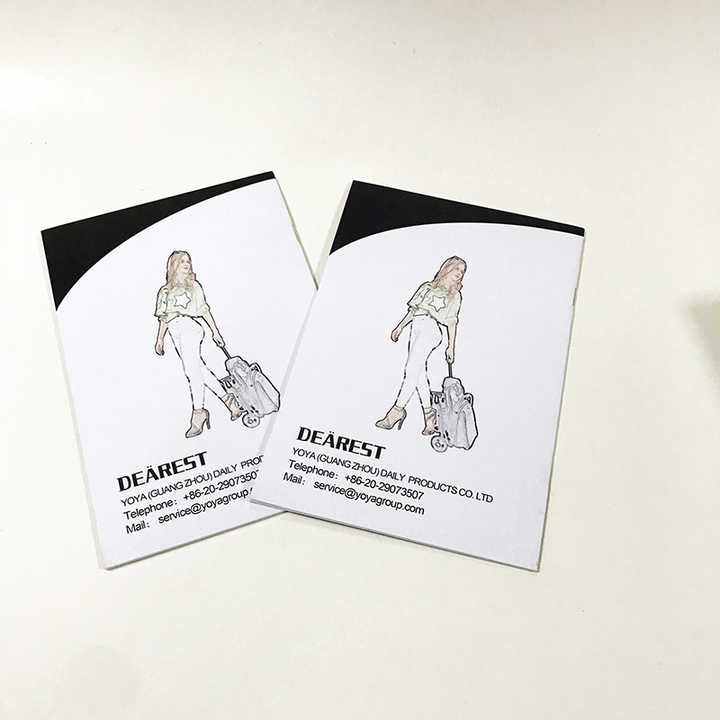
Custom Saddle Stitch A5 Booklet - Instruction Manual by alibaba.com
The Saddle Stitching Process
The saddle stitching process involves a systematic approach to binding multiple folded sheets of paper together using staples.
Initially, materials such as leather are prepared, with holes punched for uniformity. Waxed thread is doubled and threaded through leather needles, ensuring balanced thread tension.
The first stitch is initiated by passing the thread through the nearest hole and pulling tight. As stitching proceeds, alternating needles maintain a consistent pattern, with adjustments made for thread tension.
The process concludes with the final stitch lock, securing the stitch line. Excess thread is trimmed, followed by inspection for durability and uniformity in the result.

Free Sample Well Designed Colorful Saddle Stitch Binding Booklet ... by bookprintingchina.com
Equipment and Technologies Used
Equipment utilized in saddle stitching encompasses a variety of specialized machines designed to efficiently bind printed materials.
These saddle stitching machines, including models from Deluxe and ISP, offer high volume capacity and can stitch at speeds exceeding 200 stitches per minute. They accommodate various wire sizes and have throat depths suitable for both flat and saddle work.
Advanced technologies enable integration with digital printing, enhancing production capabilities. Adjustable settings cater to different material thicknesses, ensuring consistent quality.
Features such as accurate stapling mechanisms and automation streamline the binding process, making these machines essential in modern printing operations.
Economic Considerations of Saddle Stitching
Economic considerations play an essential role in the selection of saddle stitching as a binding method. This approach offers the lowest cost-per-unit among common booklet binding options, eliminating adhesive expenses and reducing labor costs.
Budget efficiency for print runs is notable, particularly for 8-72 page counts, making it ideal for marketing collateral. The method supports bulk discounts, allowing scalability from 100 to over 10,000 copies without significant cost fluctuations.
Its faster production time and minimal setup fees contribute to operational savings, while low minimum orders mitigate financial risk, making saddle stitching a practical choice for various print needs.
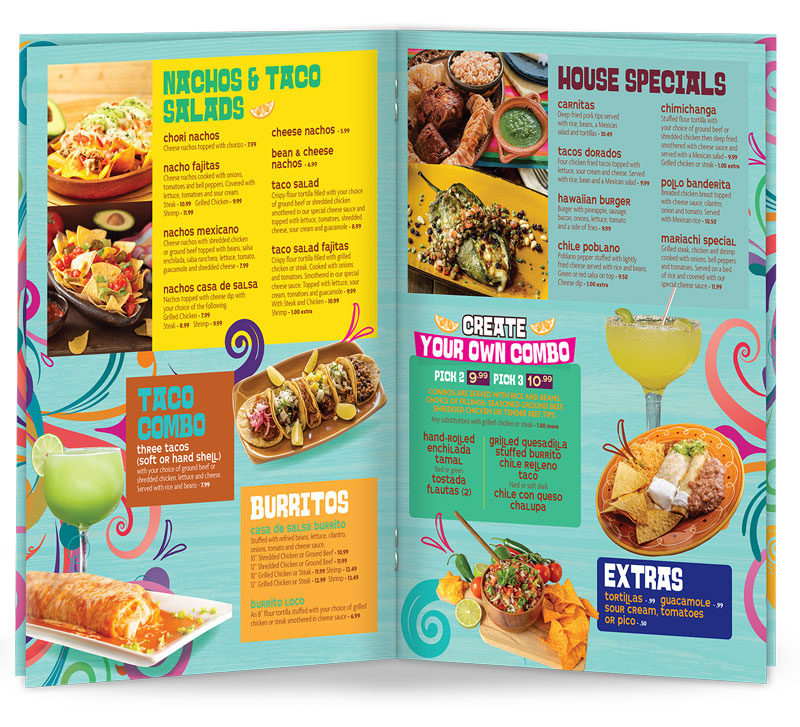
Saddle Stitch Menus - MenuWorks by menuworks.com
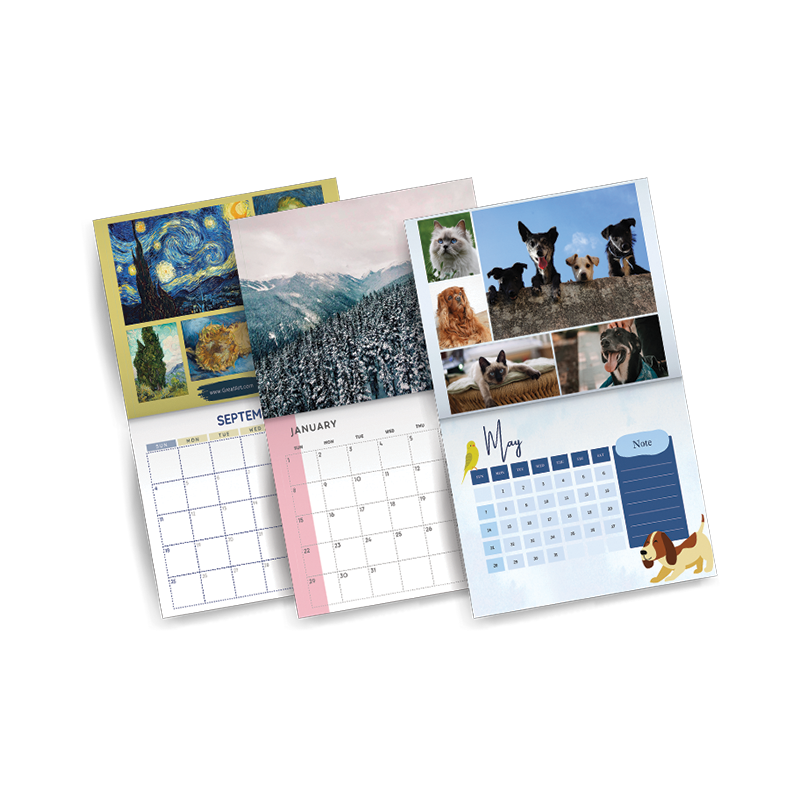
Calendar Printing by conquestgraphics.com
Popular Uses for Saddle Stitching
Saddle stitching serves a variety of practical applications across multiple industries, making it a versatile choice for binding needs.
This method is commonly employed in the production of brochures and booklets, facilitating the creation of marketing materials that are visually appealing and easy to handle. It is ideal for event programs and product guides, offering a professional appearance while being cost-effective for bulk distribution.
Saddle stitching is utilized in magazines, community newsletters, and educational materials, providing efficient finishing options suitable for various page counts and ensuring durability even with frequent handling.
Popular Wiki Terms:
Advantages and Limitations of Saddle Stitching
While saddle stitching offers several advantages, it also presents notable limitations that must be considered in the context of binding applications.
This method is cost-effective, providing quick turnaround times suitable for corporate communications and event programs.
Nonetheless, its durability is limited; staples can loosen with frequent handling, and the spine is prone to tearing.
There are constraints on page counts, typically recommended between 48-64 pages.
Design limitations include a lack of spine customization and challenges in maintaining color consistency.
These factors may affect the perceived quality of materials, making saddle stitching less suitable for high-end applications.
References & Data Sources:
https://mixam.com/stapledbooklets – Retrieved April 30, 2025
https://www.alibaba.com/product-detail/Custom-saddle-stitch-A5-booklet-brochure_62446090181.html – Retrieved May 2, 2024
https://www.bookprintingchina.com/saddle-stitched-book/free-sample-well-designed-colorful-saddle-stitch-binding-booklet-printing – Retrieved February 2, 2025
https://www.menuworks.com/restaurant-menu-products/saddle-stitch-menus – Retrieved April 25, 2025
https://www.conquestgraphics.com/cg-products/catalogs/calendars – Retrieved May 2, 2025