
Router Cutting Definition
Router cutting is a high-speed machining process designed for cutting, trimming, and shaping various materials, including wood, metal, and plastic. It employs a spindle that rotates cutting tools at speeds ranging from 2,000 to 30,000 RPM. Router cutting is essential in woodworking for precise edge shaping and creating decorative patterns. The process utilizes specialized router bits for peak performance across different materials. Understanding its techniques and applications provides insight into effective design and fabrication methods.
Definition and Purpose of Router Cutting
Router cutting is a high-speed machining process utilized for cutting, trimming, and shaping various materials, including wood, metal, plastic, and MDF.
This process is essential for achieving precise edge shaping, making it invaluable in woodworking projects. It employs versatile techniques to create decorative patterns and smooth finishes.
Material compatibility is a key consideration, as different materials may require specialized bits for peak results.
Material compatibility is crucial; specialized bits are essential for optimal results across various materials.
Router cutting is adaptable, allowing for both handheld and table-mounted operations. Its functionality extends to joint cutting and groove creation, enhancing the quality of craftsmanship in diverse applications, from furniture making to restoration work.
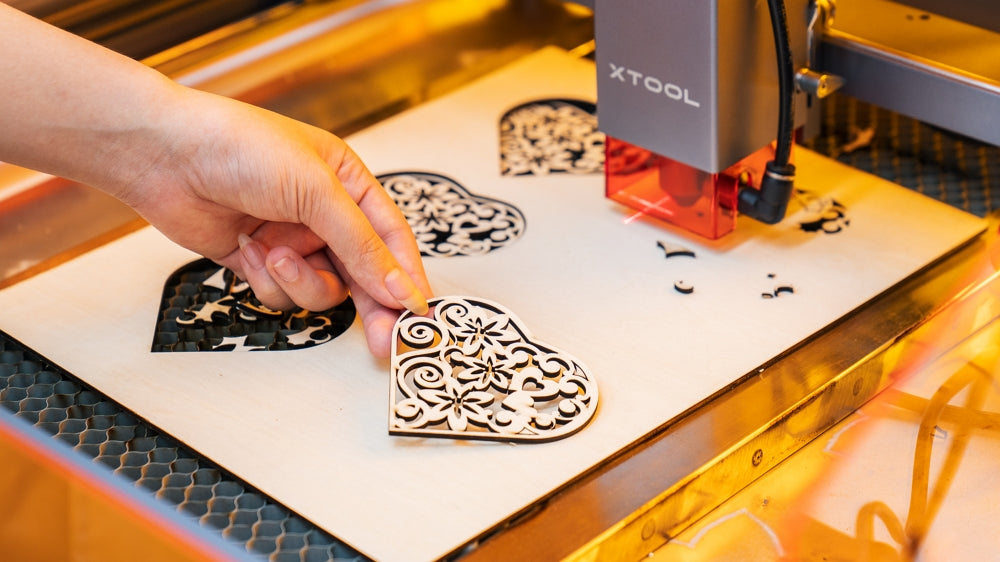
Laser Cutting: Things You Need to Know - xTool by xtool.com
Core Components of a Router
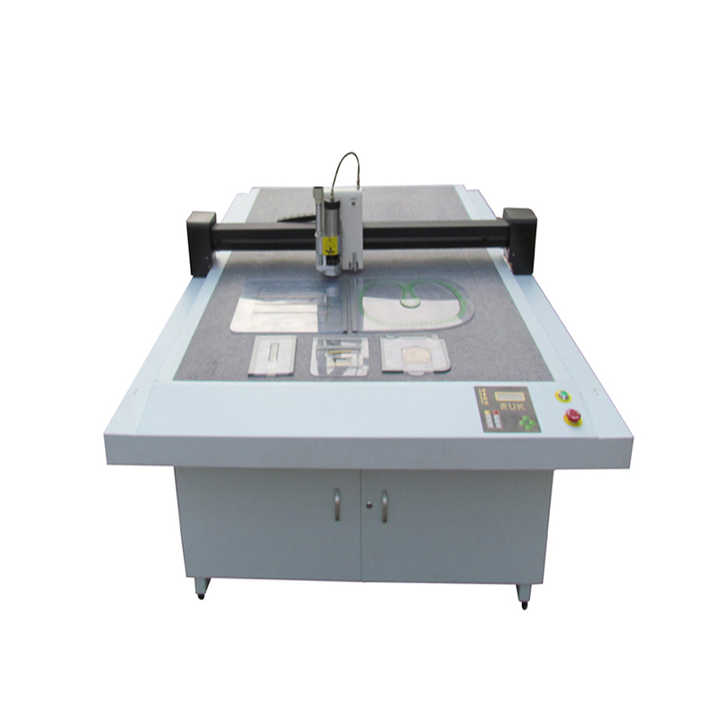
A router consists of several core components that function collaboratively to achieve precise cutting and shaping of various materials.
The frame, made of steel or aluminum, maintains structural integrity and minimizes vibrations.
The spindle rotates cutting tools at speeds between 2,000 and 30,000 RPM, essential for effective material removal.
The cutting table/bed, constructed from materials like MDF or aluminum, provides workpiece fixation and allows for depth adjustments.
The CNC controller translates G-code into axis movements, synchronizing spindle speed with feed rates.
Cutting tools, including end mills and drill bits, are optimized for various materials to guarantee high-quality results in CNC routing.

Safety Protocols for Router Use
Ensuring safety during router operations is essential to prevent injuries and maintain equipment integrity. Operators should always wear protective gear, including safety glasses and ear protection, to guard against debris and noise.
Workpieces must be securely clamped to avoid movement during die cutting or custom signage production. Proper bit use is significant; the correct router bit should be selected based on the task. Utilizing a router table enhances stability, particularly for edge polishing tasks.
Maintaining a clean workspace and performing regular equipment checks contribute to a safe environment. Following these protocols supports quick turnaround for short runs while ensuring operational efficiency.
Primary Cutting Methods With Routers
Various primary cutting methods with routers are employed to achieve specific designs and functionalities in woodworking and fabrication.
Edge profiling enhances aesthetics for point-of-purchase displays, while groove cutting creates channels essential in retail display fabrication.
Edge profiling adds visual appeal to displays, while groove cutting forms vital channels for effective retail setups.
Rabbet cutting produces recessed areas for joining materials in custom packaging solutions. Chamfering mitigates sharpness on edges, improving safety and appearance, particularly in architectural models.
Detailing and engraving enable intricate designs, enhancing the overall appeal of products.
Each method serves a distinct purpose, contributing to the quality and functionality required in various applications, from signage to complex architectural elements, ensuring precise and tailored results.
Popular Wiki Terms:
Common Router Bits and Their Applications
Router bits are essential tools in woodworking and fabrication, each designed to perform specific functions that enhance precision and efficiency.
Common types include straight bits for groove cutting and edge jointing, roundover bits for softening edges and creating decorative contours, and rabbeting bits for pattern duplication and joinery.
Slot-cutting and V-groove bits facilitate interlocking edges and engraving, while Roman ogee and chamfer bits enhance moldings and frame finishes.
Each router bit serves distinct applications, enabling craftsmen to achieve high-quality results in cabinetry, furniture, and decorative projects, ultimately enhancing the functionality and aesthetics of their work.
References & Data Sources:
https://www.xtool.com/blogs/xtool-academy/laser-cutting – Retrieved April 30, 2025