
Rotogravure Definition
Rotogravure is an intaglio printing process that employs engraved cylinders to achieve high-quality image reproduction at high volumes. It is particularly suited for applications such as magazines and packaging, utilizing web-fed techniques for efficient production runs. The process involves laser or electromechanical engraving of copper-plated cylinders, which transfer ink onto a substrate under pressure. While offering cost-efficiency and exceptional detail, rotogravure also presents challenges, including high initial costs and operational complexities. Further insights can expand on its applications and limitations.
Definition and Overview of Rotogravure
Rotogravure is an intaglio printing process characterized by the engraving of images onto a printing cylinder. This method excels in high-volume printing, enabling efficient production of materials such as magazines and packaging.
Utilizing rotogravure cylinder engraving, it achieves high-quality image reproduction, particularly suitable for continuous-tone images like photographs. The process employs web-fed printing techniques, allowing for rapid, uninterrupted printing runs. The use of laser-engraved printing cylinders ensures precise ink transfer, enhancing the overall quality of the print.
Ink is directly transferred from engraved cells on the cylinder to various substrates, ensuring versatility. This combination of speed and quality makes rotogravure an ideal choice for industries seeking reliable and effective printing solutions.
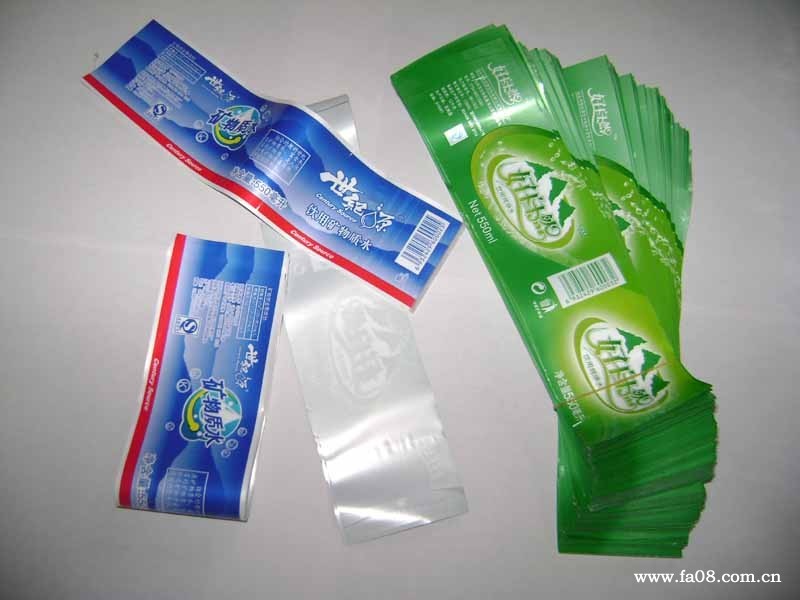
print design - How do I recognize rotogravure and on what kind of ... by graphicdesign.stackexchange.com
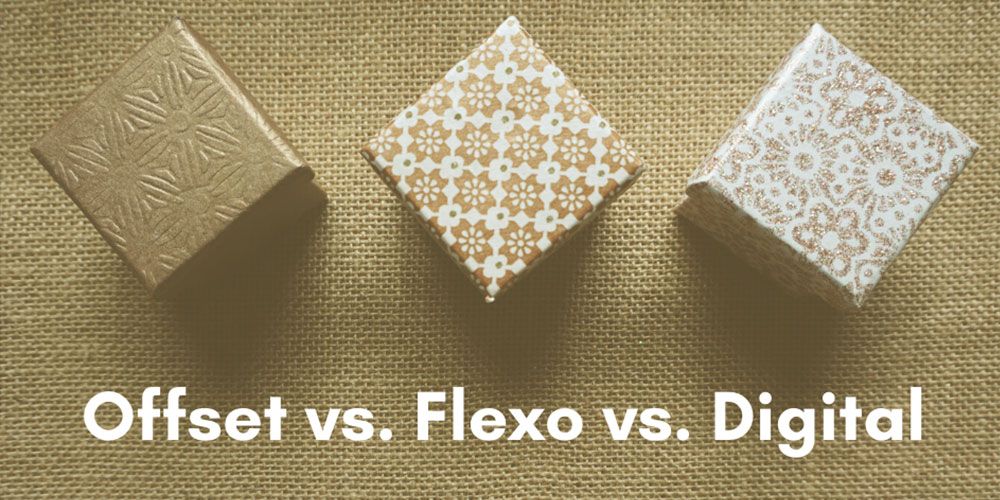
Offset vs Digital Printing vs Flexo Printing by packmojo.com
The Cylinder Production Process
The cylinder production process for rotogravure printing involves several meticulous stages to confirm the creation of high-quality printing cylinders.
It starts with base material preparation, selecting durable metals like steel or aluminum, followed by precision machining and quality checks to ascertain accurate dimensions.
The copper plating process enhances wear resistance, while advanced engraving techniques, including electromechanical and laser engraving, define the cell geometry for ink transfer.
Chroming & quality assurance steps involve hard chrome plating and rigorous adhesion testing.
Each stage is meticulously inspected to meet strict standards, guaranteeing the cylinders deliver peak performance in high-volume printing applications.
Printing Inks Market Report 2025 - Printing Inks Market Size
How the Printing Mechanism Works
In the rotogravure printing process, the mechanism operates through a series of coordinated components that guarantee accurate ink transfer from engraved cylinders to the substrate.
Central to this operational process is the printing cylinder, which holds the engraved images. The ink transfer process begins as the cylinder rotates in an ink pan, filling engraved cells. A doctor blade removes excess ink, ensuring only the required amount remains.
When the substrate contacts the cylinder under pressure from the impression roller, ink transfers effectively. This method is suitable for various applications and materials, including packaging, magazines, and labels, ensuring high-quality image reproduction.
Advantages of Rotogravure Printing
Advantages of rotogravure printing include cost efficiency, print quality, and technical capabilities that make it suitable for various industrial applications. This method excels in continuous roll-to-roll printing, allowing for high-speed production of up to 14 meters per second. It is particularly economical for large quantities, resulting in lower unit costs over long runs. The print quality and versatility are remarkable, as it produces high-resolution images and accommodates various materials, including films and foils. Its industrial suitability makes it ideal for packaging and publications, offering consistent results with minimal setup time and reduced labor costs. Also be aware that it is capable of capturing fine details and reproducing them faithfully, enhancing the overall quality of printed materials. Also, rotogravure is traditionally preferred for fine detail and tonal work due to its ability to produce exceptional print results.
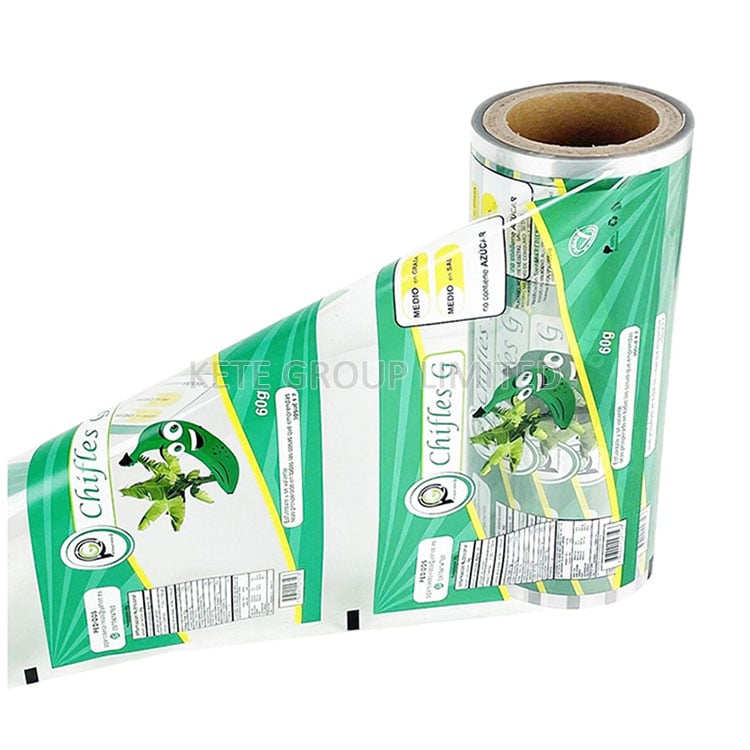
Exemplary scans of a printed sample from the industrial gravure ... by researchgate.net
Typical Applications in Various Industries
Rotogravure printing serves a broad range of applications across various industries, capitalizing on its strengths in producing high-quality images and efficient, large-scale output.
In the publishing industry, rotogravure is extensively utilized for magazines, catalogs, and illustrated publications, ensuring vibrant visuals. This method is particularly effective due to its ability to maintain consistent print quality across millions of copies.
The packaging sector benefits greatly from this method, especially in consumer packaged goods and flexible packaging, where durability and print longevity are critical.
Rotogravure excels in printing on diverse materials, including plastic films and paperboard, making it ideal for food, beverages, and cosmetics.
Its versatility supports a variety of applications, enhancing both function and aesthetics in numerous markets.
Popular Wiki Terms:
Challenges and Limitations of the Process
Challenges in the rotogravure printing process arise from various operational, technical, and economic factors that can hinder its efficiency and effectiveness.
High initial costs associated with cylinder etching preparation necessitate substantial print volumes to achieve profitability.
Operational complexities, such as offsite cylinder production and machinery calibration sensitivity, can lead to extended downtimes and increased maintenance demands.
Color consistency issues may arise, particularly across large surfaces and tile edges, affecting print quality.
These limitations can restrict the process’s flexibility and adaptability, particularly in comparison to digital alternatives, which are increasingly favored in contemporary printing applications.
References & Data Sources:
https://www.bobst.com/usen/products/gravure-printing/process/ – Retrieved April 30, 2025
https://graphicdesign.stackexchange.com/questions/57924/how-do-i-recognize-rotogravure-and-on-what-kind-of-products-would-i-be-more-like – Retrieved May 2, 2024
https://packmojo.com/blog/offset-printing-vs-digital-printing-vs-flexography-vs-digital-printing/ – Retrieved February 2, 2025
https://www.africaprint.com/the-advantages-and-limitations-of-gravure-printing/ – Retrieved April 25, 2025
https://blog.luminite.com/blog/flexo-printing-vs-gravure-printing – Retrieved May 2, 2025
https://www.researchgate.net/figure/Exemplary-scans-of-a-printed-sample-from-the-industrial-gravure-printing-machine-printed_fig10_377486193 – Retrieved May 2, 2025
https://www.gellnerindustrial.com/blog/what-is-gravure-printing/ – Retrieved May 2, 2025