
Roll Labels Definition
Roll labels are pressure-sensitive labels formed in a continuous roll, designed for various industrial applications. Their structure includes face stock, adhesive, and a release liner, with the face stock determining durability and print quality. Common materials involve BOPP, polyester, and vinyl. Various printing technologies, including digital and flexographic, cater to specific needs. Roll labels enhance inventory management in logistics, retail, and food industries, indicating their importance in compliance and operational efficiency. Further details can provide deeper insights.
Definition and Structure of Roll Labels
Roll labels are defined as pressure-sensitive labels produced in a continuous roll form, designed for diverse applications across various industries.
The structure consists of three main components: face stock, adhesive, and release liner. The face stock provides the visible surface for text and graphics, influencing durability and print quality. The adhesive guarantees proper adhesion to surfaces, varying in strength based on application needs. The release liner protects the adhesive prior to application, allowing for easy handling.
Together, these elements create efficient roll labels suitable for product labeling, asset tracking, and inventory management in sectors such as manufacturing and logistics.
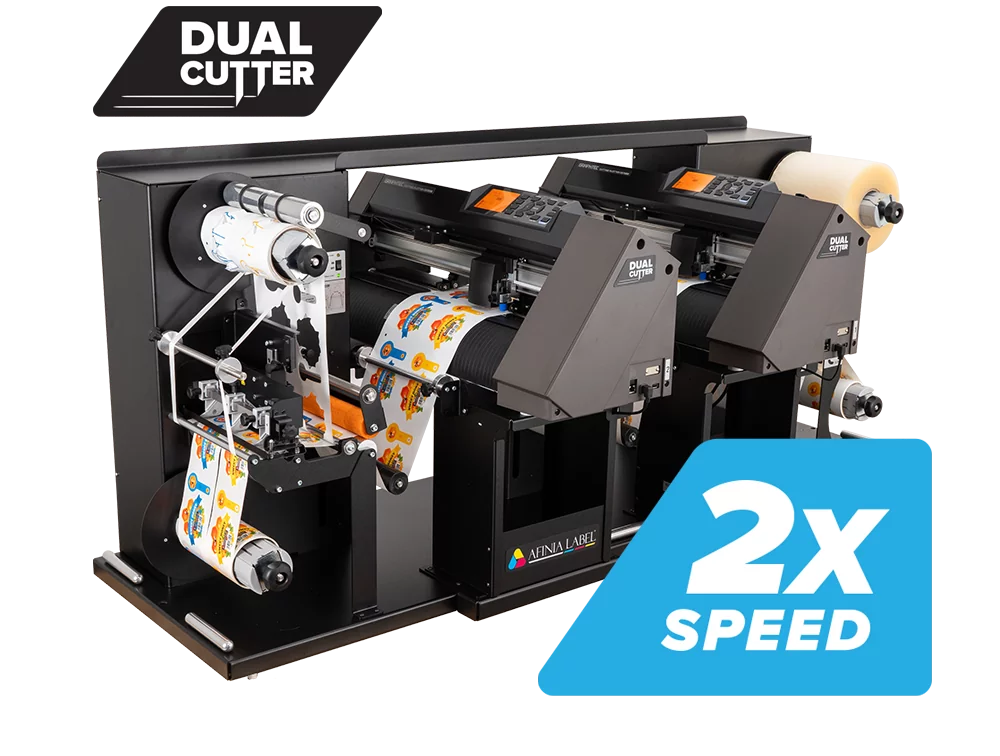
Afinia Label Printers & Equipment by afinialabel.com
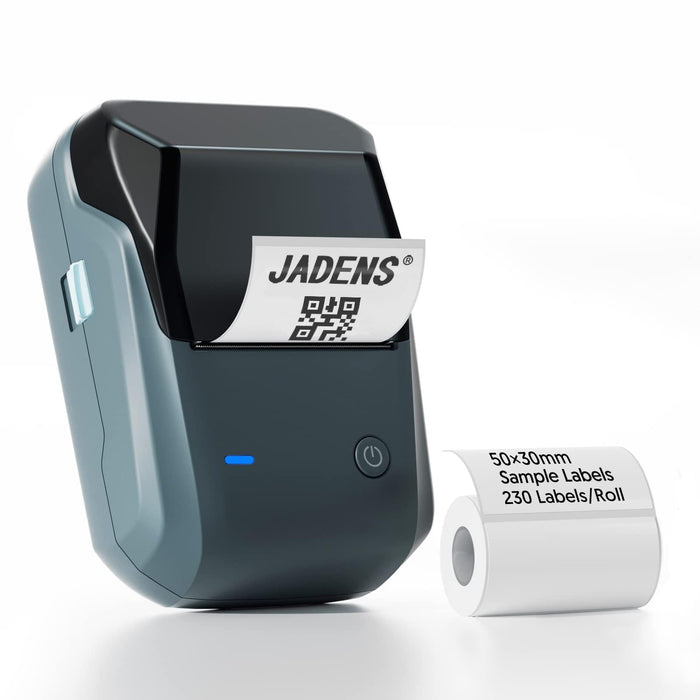
JADENS B1 Bluetooth 2-Inch Label Maker Printer by jadens.com
Types and Materials Used in Roll Labels
A variety of materials are utilized in the production of roll labels, each selected to meet specific application requirements and environmental conditions.
Common materials include white BOPP, known for its waterproof properties, and clear BOPP, ideal for seamless product visibility.
Polyester offers durability against harsh weather, while vinyl serves well for outdoor applications.
Semi-gloss paper provides a cost-effective option for indoor use.
Custom roll labels can be produced using die-cut techniques and flexographic printing, allowing for full-color labels that enhance branding.
Waterproof labels guarantee longevity in various settings, making them suitable for industries like food, health, and logistics. Labels made from polyester materials are known for their excellent printability and clarity, making them a popular choice for high-quality roll labels.

2x4 Labels - SL102 by sheetlabels.com
Printing Technologies for Roll Labels
Various printing technologies are employed in the production of roll labels, each offering distinct advantages and limitations suited to specific applications.
Digital printing is ideal for short-run roll labels, allowing for variable data printing and quick turnaround without the need for plates.
Alternatively, offset printing excels in producing high-quality, vibrant colors for larger batches but entails longer setup times.
Flexographic printing is efficient for bulk orders, though it may not accommodate intricate designs.
Each method plays a role in effective inventory management, providing solutions tailored to diverse labeling needs across various industries.
Applications and Uses of Roll Labels
In numerous industries, roll labels serve important functions that enhance operational efficiency and compliance. In logistics, they facilitate tracking and inventory management by providing essential information such as barcodes and batch numbers.
Roll labels enhance operational efficiency in logistics by streamlining tracking and inventory management with vital information like barcodes and batch numbers.
In retail, roll labels aid in product packaging, ensuring brand consistency and promoting special offers through promotional stickers.
The food industry relies on roll labels for regulatory compliance, displaying vital details like allergen warnings and nutritional facts.
The pharmaceutical sector utilizes them for patient safety and adherence to regulations.
These applications benefit from a quick turnaround for short runs, meeting diverse labeling needs effectively.
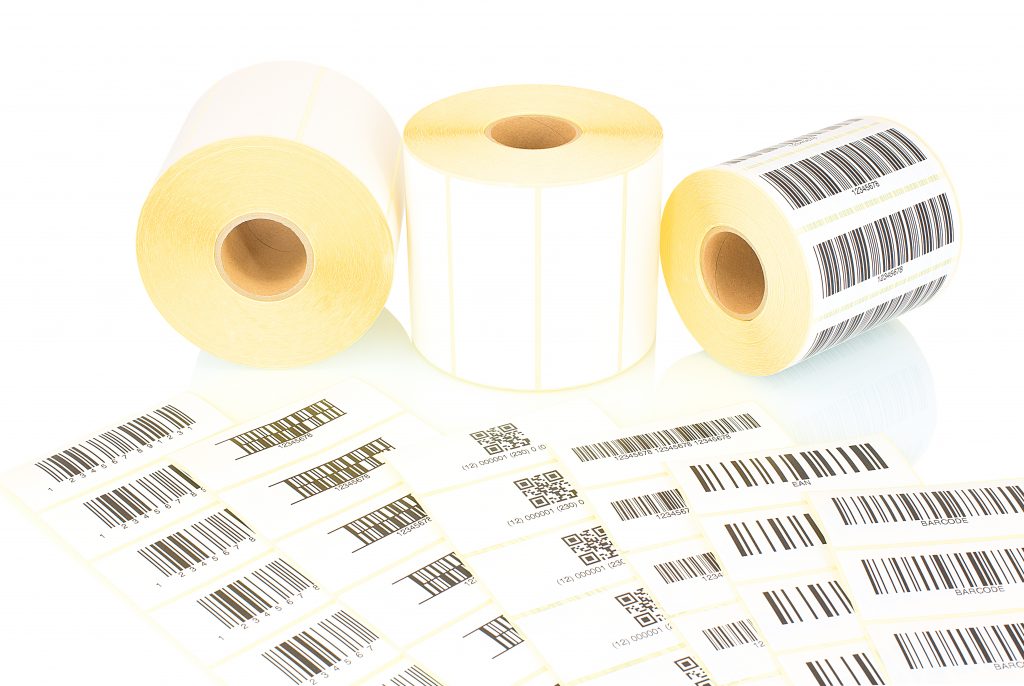
Direct Thermal vs. Thermal Transfer Labeling: Which Printing ... by ctmlabelingsystems.com
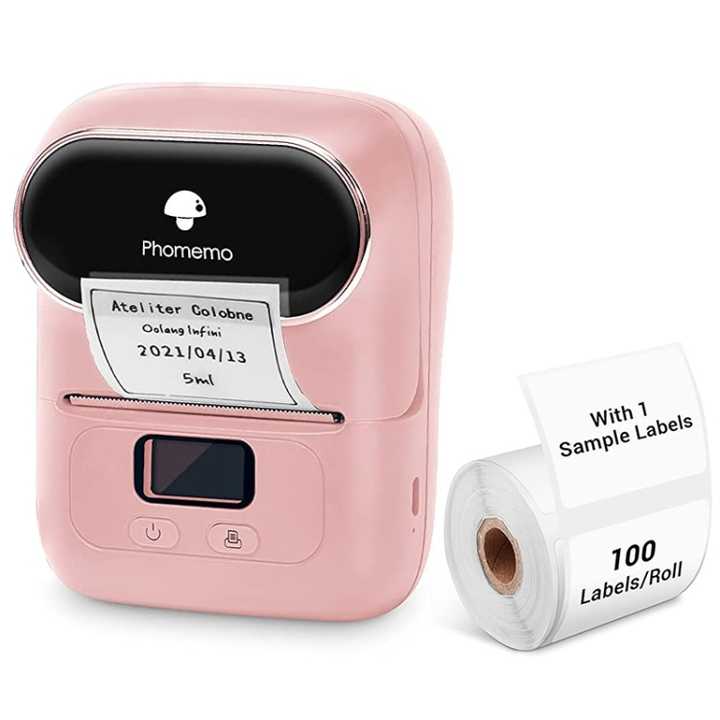
Top Phomemo M110 Wireless Label Maker Mini Thermal Label Printer ... by alibaba.com
Popular Wiki Terms:
Benefits and Advantages of Roll Labels
Roll labels offer numerous benefits that enhance operational efficiency across various industries. They provide cost efficiency through lower printing costs and reduced material waste, making them economical for bulk orders.
Automation and speed are achieved via compatibility with label applicators, ensuring faster production cycles. Durability and customization options allow for resistance to moisture and abrasion, while accommodating various machinery needs.
Waste reduction occurs through minimal liner waste and precision cutting, promoting sustainable practices. These features collectively support streamlined operations, making roll labels an essential component in product packaging, inventory management, and promotional applications.
References & Data Sources:
https://afinialabel.com/ – Retrieved April 30, 2025
https://jadens.com/products/jadens-label-makers-2-inch-bluetooth-label-printer – Retrieved May 2, 2024
https://www.bradyid.com/labels/label-material-guide – Retrieved February 2, 2025
https://www.sheetlabels.com/labels/SL102 – Retrieved April 25, 2025
https://ctmlabelingsystems.com/direct-thermal-vs-thermal-transfer-labeling-which-printing-method-is-right-for-your-application/ – Retrieved May 2, 2025
https://www.alibaba.com/product-detail/Top-Phomemo-M110-wireless-Label-Maker_1600916627340.html – Retrieved May 2, 2025