
RIP (Raster Image Processor) Definition
A Raster Image Processor (RIP) is a critical component in digital printing technology. It converts vector and text data into high-resolution raster images, ensuring precise color reproduction. RIPs handle various page description formats, such as PostScript and PDF, while facilitating file preflighting to meet production standards. RIPs optimize raster data for specific printers and enhance output quality. Understanding the intricacies of RIP operations reveals their profound impact on print quality and production efficiency.
Definition and Core Function of RIP
RIP, or Raster Image Processor, is a crucial component in digital printing that functions primarily to convert vector and text data into high-resolution raster images suitable for display or printing.
It generates device-specific bitmap instructions by processing various page description formats such as PostScript and PDF.
Fundamental to color management calibration, RIP guarantees accurate color reproduction by converting RGB to CMYK according to device-specific profiles.
It supports file preflighting, confirming files meet production standards before printing.
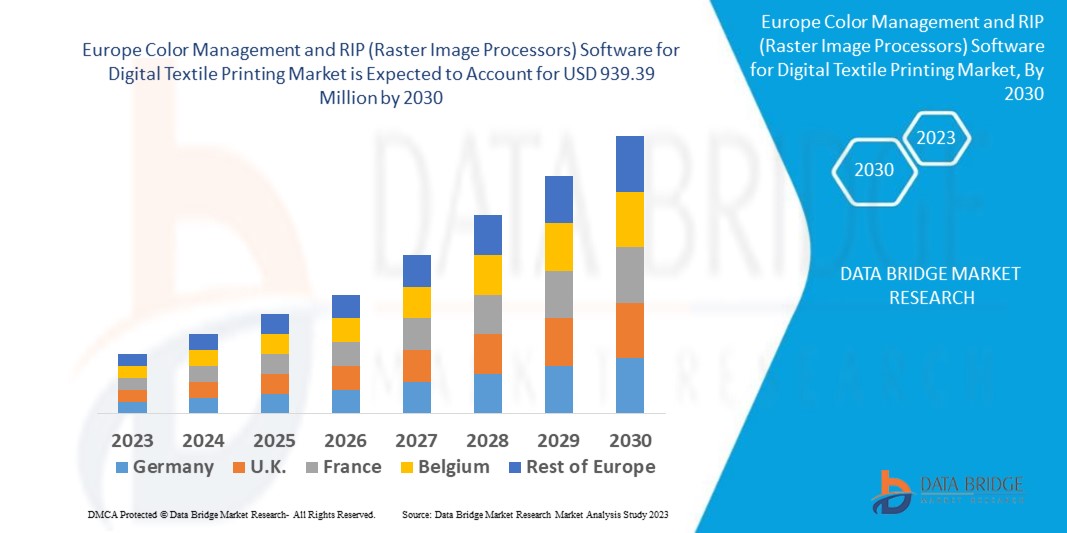
Europe Color Management and RIP (Raster Image Processors) Software ... by databridgemarketresearch.com
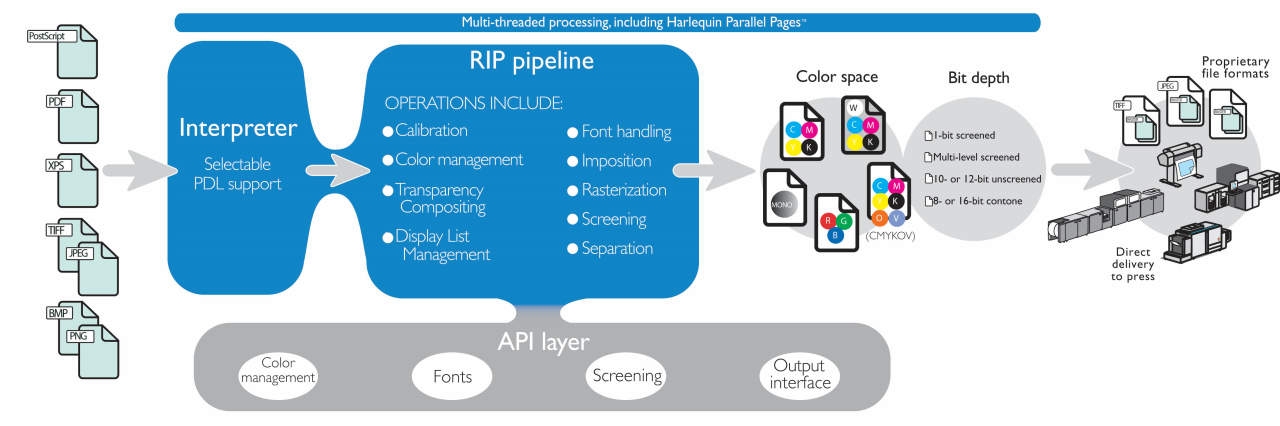
What is a Raster Image Processor (RIP)? by linkedin.com
Historical Development of Raster Image Processors
The historical development of raster image processors (RIPs) can be traced back to the early applications of raster technology in mechanical televisions during the 1920s. This foundational technology evolved through raster image processing principles, greatly impacting print media. By the 1980s, RIPs became essential in commercial printing, efficiently converting vector graphics to raster images, which enhanced image quality. Advances in RIP technology led to improved resolution and an output speed increase, facilitating quicker turnaround times in digital printing. Notably, the introduction of movable type in the 11th century paved the way for innovations in print technology that would later influence the development of RIPs. As digital technologies expanded, RIPs integrated into networked environments, streamlining workflows and ensuring precise color management in modern print operations, with a focus on raster graphics to optimize the printing process.
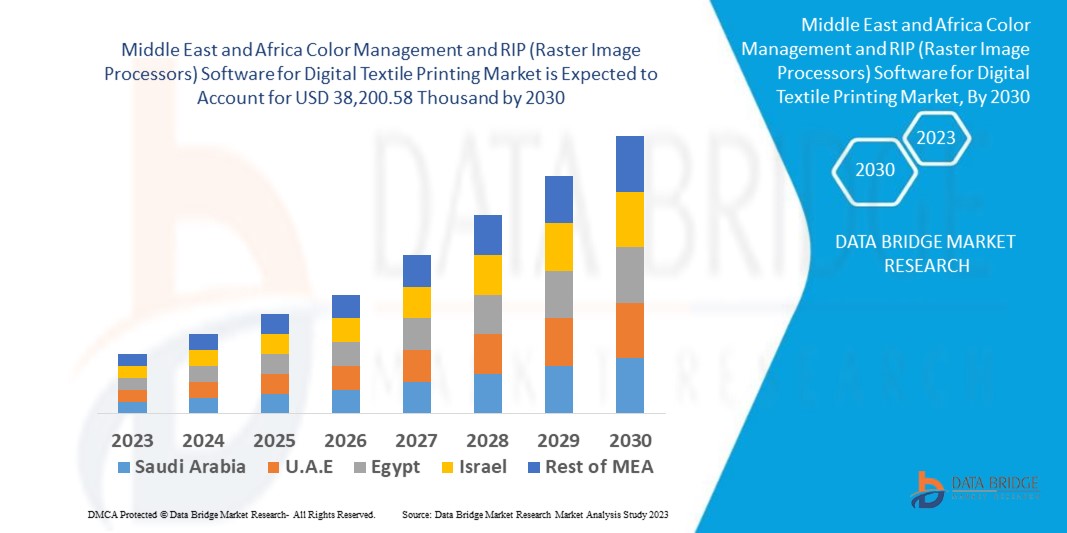
Middle East and Africa Color Management and RIP (Raster Image ... by databridgemarketresearch.com
Software Implementation and Examples
Software implementation of raster image processors (RIPs) plays an essential role in modern printing environments, as it allows for versatile integration across various platforms.
Software RIPs, such as Ghostscript and ColorBurst Overdrive, facilitate rasterization by converting vector graphics into raster images. These systems provide multi-format support, handling inputs like PostScript, PDF, and XPS, which enhances compatibility with diverse printing devices. Robust color management features guarantee accurate color reproduction, vital for high-quality prints. The cost-effective nature of software RIPs minimizes hardware requirements while delivering scalable solutions tailored to specific printing needs, benefiting industries focused on professional and digital printing. Efficient data management is crucial for optimal RIP performance, ensuring smooth operation during the rasterization process.
Workflow Process of Rasterization
In modern digital printing, the workflow process of rasterization is pivotal for converting vector graphics into high-quality raster images suitable for various output devices.
This process begins with file input and format conversion, where PDL files are accepted and RGB values converted to CMYK.
The rasterization of vector artwork follows, transforming vector paths into pixel-based grids.
During output-specific optimization, raster data is tailored to the mechanics of the imaging device, with trapping adjustments applied to prevent color misalignment.
In the end, the raster grid is transferred to the printer, synchronizing the ink deposition for large format printing and ensuring high fidelity in the final output.
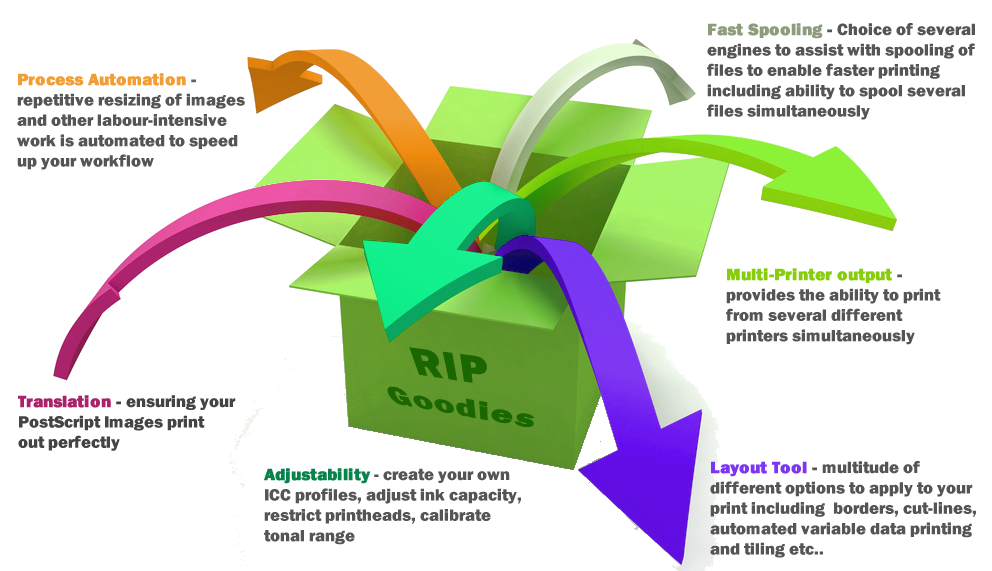
What is a RIP? (Raster Image Processor) by hpplotter.co.uk

Imaging Engine by esko.com
Quality Impact Factors in Printing
Quality in digital printing is influenced by several critical factors that determine the fidelity of the final output.
Color proofs guarantee accurate color representation, while print-ready files are essential for maintaining integrity during production.
Color proofs ensure precise color accuracy, while print-ready files uphold production integrity.
Resolution and detail retention are achieved through DPI conversion logic and edge enhancement techniques, which preserve sharpness in graphics.
In addition, output consistency controls regulate ink deposition and monitor nozzle health to guarantee uniformity across large runs.
These elements collectively contribute to the overall quality, enabling professionals to deliver precise and reliable results tailored to client specifications and expectations.
Popular Wiki Terms:
Industry Applications of RIP Technology
RIP technology plays a pivotal role in various printing industries by converting vector files into high-resolution raster images, which are essential for producing high-quality prints.
Its applications span proofing services, enabling accurate color verification before final prints, and large format printing, where it efficiently manages substantial file sizes.
RIP technology supports variable data printing, allowing for personalized content in each print run.
In digital displays, it guarantees that image quality meets stringent standards.
References & Data Sources:
https://www.databridgemarketresearch.com/reports/europe-color-management-and-rip-color-management-and-rip-software-for-digital-textile-printing-market – Retrieved April 30, 2025
https://printinghistory.org/timeline/ – Retrieved May 2, 2024
https://en.wikipedia.org/wiki/Raster_graphics – Retrieved February 2, 2025
https://www.databridgemarketresearch.com/reports/middle-east-and-africa-color-management-and-rip-color-management-and-rip-software-for-digital-textile-printing-market – Retrieved April 25, 2025
https://courses.lumenlearning.com/suny-graphicdesign/chapter/5-2-raster-image-processing/ – Retrieved May 2, 2025
https://www.hpplotter.co.uk/blog/what-is-a-rip – Retrieved May 2, 2025
https://www.esko.com/en/products/imaging-engine – Retrieved May 2, 2025