
Rigid Substrate Printing Definition
Rigid substrate printing is a specialized process that applies inks directly onto solid materials, producing durable and high-quality graphics. This method employs advanced UV flatbed printers, which cure the ink using UV light for immediate bonding. Common substrates include PVC, aluminum, and foam boards, catering to indoor and outdoor applications. The resulting prints exhibit excellent ink adhesion, mechanical strength, and vivid imagery. This technology supports a variety of uses, from signage to retail displays, highlighting its versatility. Further insights reveal emerging trends in this field.
Characteristics of Rigid Substrate Printing
Rigid substrate printing is characterized by several key attributes that enhance its applicability across various industries.
The durability of rigid substrates guarantees long-lasting prints suitable for both indoor and outdoor use. Direct-to-substrate printing techniques, particularly UV flatbed printing, enable high-quality prints directly on a variety of surfaces, including plastics and metals.
Durable rigid substrates ensure lasting prints for any environment, with UV flatbed printing delivering exceptional quality on diverse surfaces.
These printing capabilities offer excellent ink adhesion and sharp imagery, essential for professional applications. The mechanical strength of these substrates supports stability and resistance to environmental factors.
The versatility of rigid substrates allows for creative applications in signage, displays, and corporate branding, meeting diverse client needs effectively.

Large Format Substrate and Rigid Material Printing by 40visuals.com
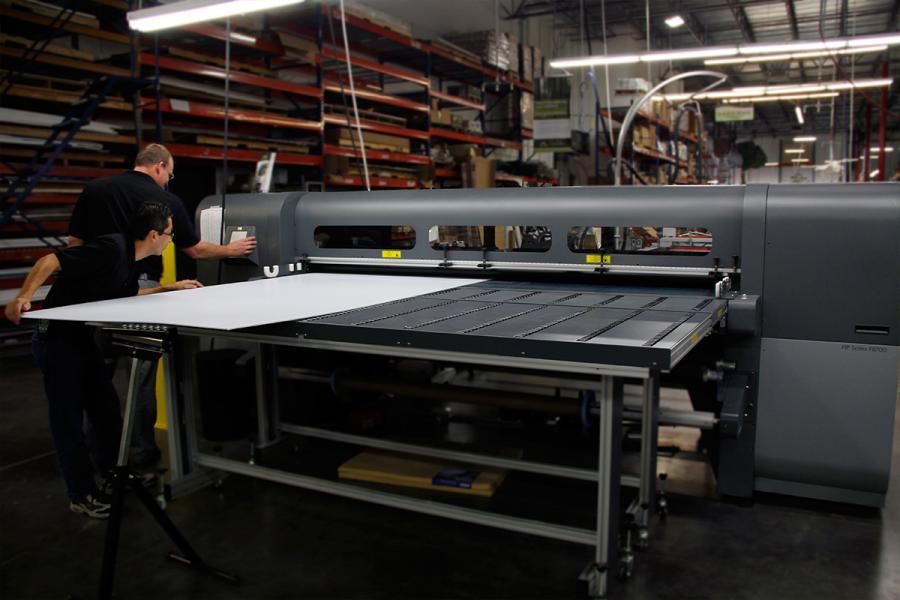
Rigid Printing - SunDance by sundanceusa.com
Applications of Rigid Substrate Printing
In various sectors, the applications of rigid substrate printing are extensive and diverse. Rigid substrates are pivotal in outdoor signage, providing durability against harsh weather conditions.
They are also essential for indoor displays, where they create high-quality promotional graphics and trade show materials. In the domain of exhibition graphics, these substrates offer design flexibility and long-lasting performance.
Retail displays benefit from rigid substrates, enhancing point-of-purchase visibility. Businesses utilize these materials for commercial displays in public areas, ensuring effective branding.
This versatility demonstrates the importance of rigid substrate printing across multiple industries and applications.

Knowledge Center or Printing Knowledge by customboxline.com
Substrate Materials Used
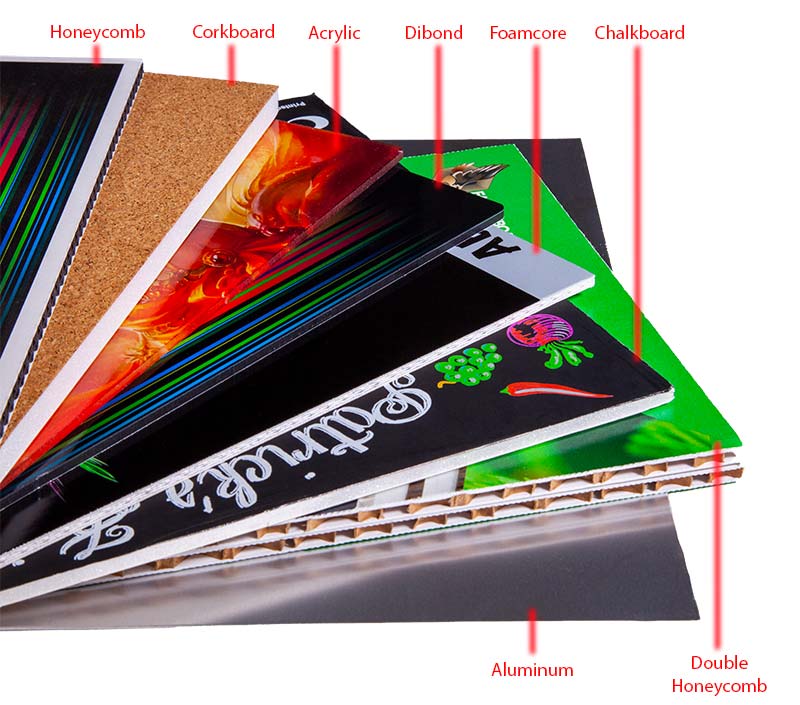
Substrate materials play an essential role in the effectiveness and durability of printed products. In large format digital printing, rigid substrates such as PVC, polystyrene, and aluminum are commonly employed for their strength and resistance to environmental factors.
Foam boards and ultra boards serve well for indoor applications, while materials like HDPE and corrugated plastic are favored for outdoor advertising due to their moisture resistance and lightweight nature.
High-resolution image processing is critical for achieving vibrant graphics on these substrates, ensuring that the final product meets quality standards for visibility and impact in various settings, including trade shows and retail displays.
Direct to Substrate Printing Technology
Direct-to-substrate printing technology employs advanced flatbed UV printers to apply ink directly onto various rigid materials. This process utilizes a UV curing process that polymerizes the ink upon exposure to light, ensuring immediate bonding. Flatbed printers can handle variable thickness, accommodating substrates up to several inches. The integration of CMYK plus white ink configurations enhances color gamut and opacity, making it suitable for corporate branding applications. The technology allows for high-resolution output and the creation of textured finishes, providing versatility for various projects. Direct to substrate printing eliminates the need for transfer media, streamlining production efficiency. The use of specialized UV-curable inks ensures durability and vibrant colors in the final printed products.
Global Printed Circuit Board Market Report And Strategies To 2032 by thebusinessresearchcompany.com
Substrate Printing by imagesquareprinting.com
Advantages of Rigid Substrate Printing
Rigid substrate printing offers numerous advantages that enhance its applicability across various sectors.
The durability of these substrates guarantees long-lasting prints, making them suitable for both indoor and outdoor environments. Their cost-effectiveness arises from minimal hardware requirements, particularly for temporary displays.
Customization options allow for unique designs that cater to specific branding needs. Eco-friendly options, such as paper and wood substrates, provide sustainable alternatives without compromising print quality.
The structural integrity of rigid substrates supports high-resolution graphics, assuring visual clarity in signage and displays. Overall, these features contribute to efficient production and effective communication in diverse applications.
Popular Wiki Terms:
Trends in Rigid Substrate Printing
The landscape of rigid substrate printing is evolving rapidly, driven by advancements in materials, technology, and market demands. Material diversification includes expanded selections of composites and eco-friendly hybrids. Sustainability integration emphasizes recyclable materials and energy-efficient processes. Automation and AI workflows enhance efficiency through automated handling systems and predictive maintenance, minimizing waste. AI-driven design has the potential to further optimize rigid substrate printing processes, leading to enhanced durability and cost-effectiveness. Market-driven customization caters to unique client needs, such as on-demand rigid packaging and architectural-grade printed panels. This convergence of trends reflects the industry’s commitment to innovation while prioritizing functionality and environmental responsibility, positioning rigid substrate printing as an essential component in various sectors, including retail, advertising, and manufacturing.
References & Data Sources:
https://40visuals.com/large-format-substrate-and-rigid-material-printing/ – Retrieved April 30, 2025
https://sundanceusa.com/services/large-format/rigid/ – Retrieved May 2, 2024
https://www.customboxline.com/knowledge-center – Retrieved February 2, 2025
https://coldesi.com/uv-printers/the-advantages-of-uv-direct-to-substrate-printing-technology/ – Retrieved April 25, 2025
https://www.thebusinessresearchcompany.com/report/printed-circuit-board-market – Retrieved May 2, 2025
https://imagesquareprinting.com/substrate-printing-2/ – Retrieved May 2, 2025
https://replique.io/2025/01/17/top-8-3d-printing-trends-in-2025-from-innovation-to-industry-standard/ – Retrieved May 2, 2025