
RGB (Red, Green, Blue) Definition
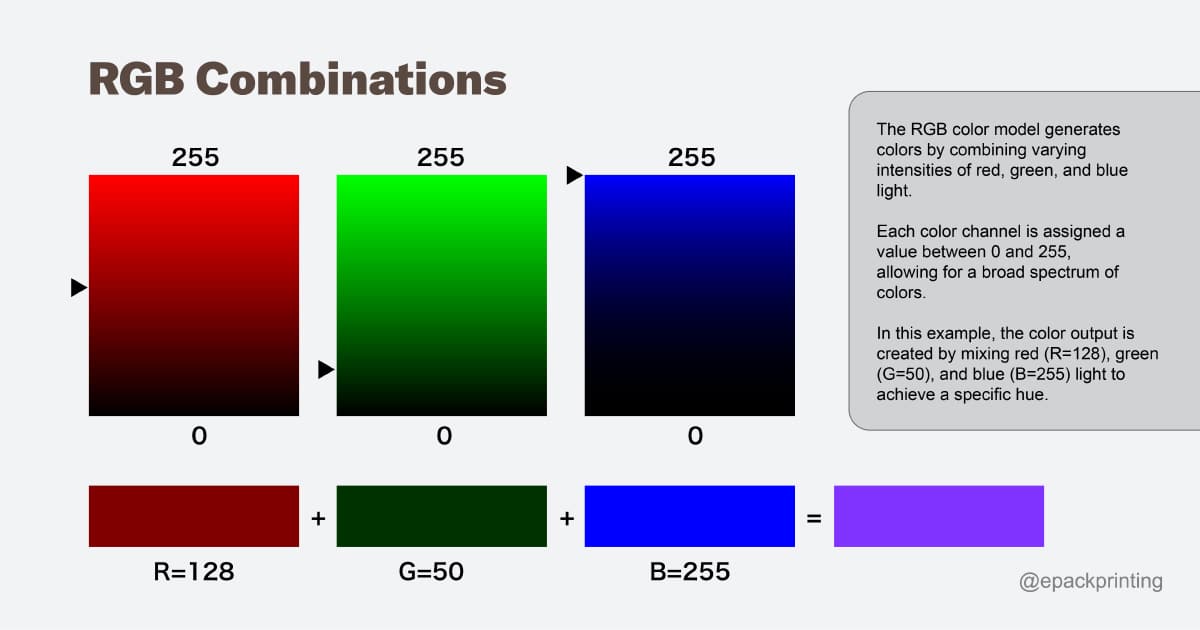
RGB, which stands for red, green, and blue, is an additive color model utilized extensively in digital technology. It combines varying intensities of these primary colors to produce over 16 million different colors. Each color channel spans a range of 0 to 255 in 8-bit encoding. RGB is fundamental for digital displays, photography, and web design. Color management systems enhance its application by ensuring accurate reproduction across devices. Further exploration reveals additional nuances in color fidelity and technical specifications.
Understanding the Additive Color Model
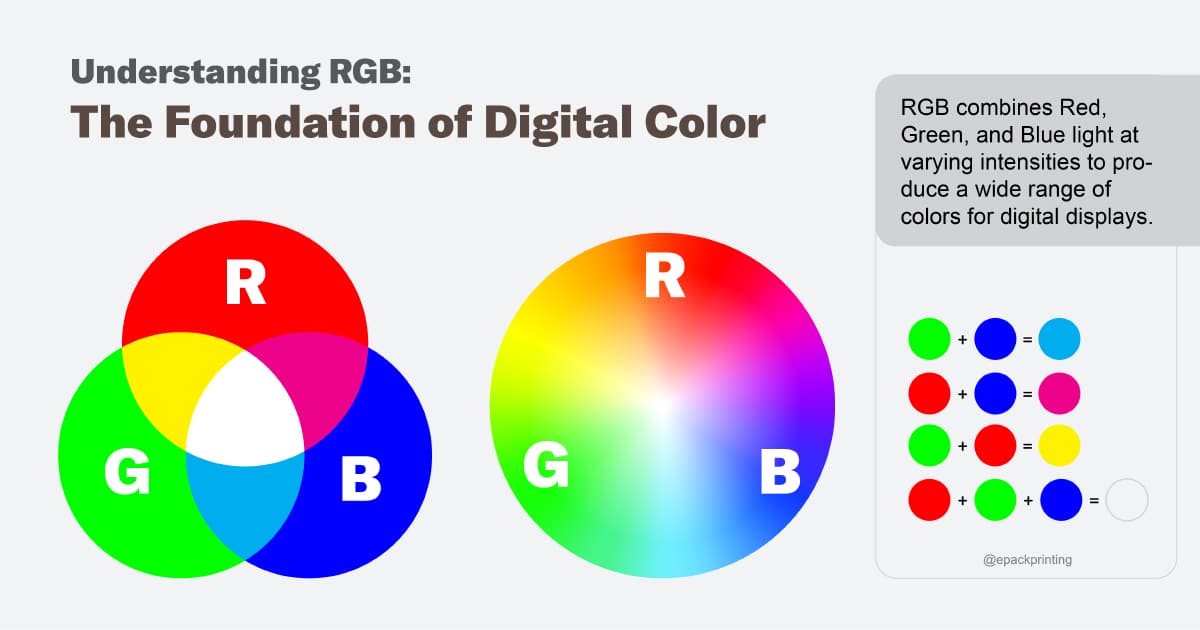
The RGB color model represents an additive system in which colors are created through the combination of red, green, and blue light. This model operates by superimposing varying intensities of these primary colors, resulting in a broad spectrum of visible hues.
Unlike subtractive color models, which absorb light, the RGB model relies on emitted light, making it vital for digital displays such as monitors and televisions. The combination of all three colors at maximum intensity creates white, while the absence of light results in black.
Understanding this model is important for effective digital design and accurate color representation in various applications.
Understanding RGB Color Model: Applications
Differences
Components and Their Ranges
Components of the RGB color model consist of three primary colors: red, green, and blue. Each color channel operates within specific numeric ranges, typically represented in 8-bit encoding, which allows values from 0 to 255.
This system yields over 16 million possible colors, vital for applications like digital printing and inkjet printing. Higher bit depths, such as 10-bit or 16-bit, expand these ranges, enhancing color fidelity in professional imaging.
Accurate color profiling is essential, ensuring consistent reproduction across devices and formats. Understanding these components and their ranges is fundamental for effective visual communication in design and production.
and ... by epackprinting.com
Applications in Modern Technology
RGB technology plays an essential role in various modern applications, enabling precise color representation across multiple digital platforms.
In digital displays, RGB subpixels in CRT, LCD, and LED screens facilitate accurate image rendering.
Photography and imaging benefit from RGB color filters in camera sensors, optimizing images through advanced processing software.
RGB color filters in camera sensors play a crucial role in enhancing images through sophisticated processing techniques.
Web and digital design utilize RGB values in CSS and HTML for consistent color across devices, ensuring user accessibility.
The dynamic range in HDR photography is achieved by combining RGB exposures.
Collectively, these applications underscore the significance of RGB in enhancing visual experiences and maintaining color fidelity in diverse contexts.
Comparison With Other Color Models
While various color models serve distinct purposes in digital and print media, their fundamental principles and applications differ considerably.
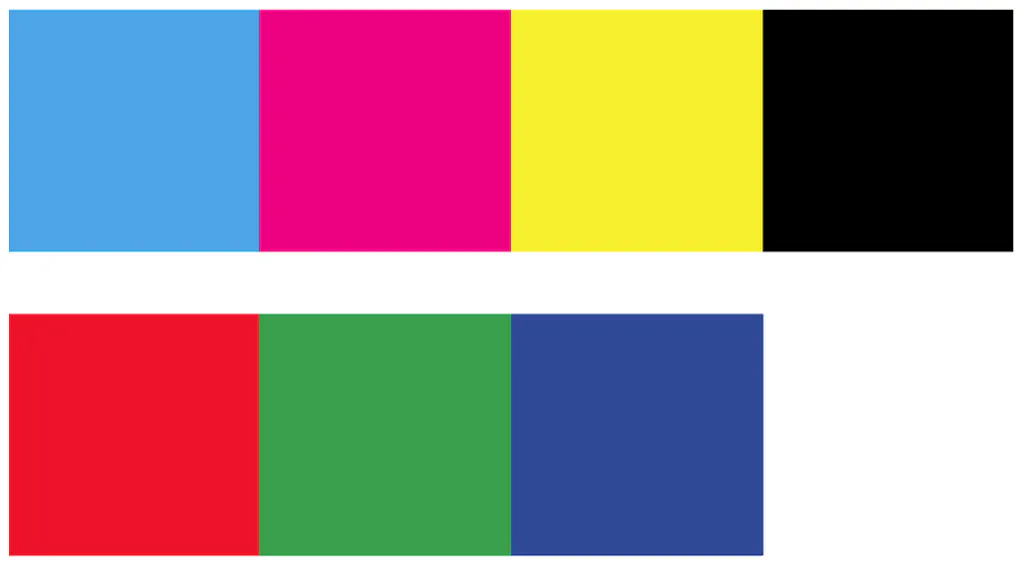
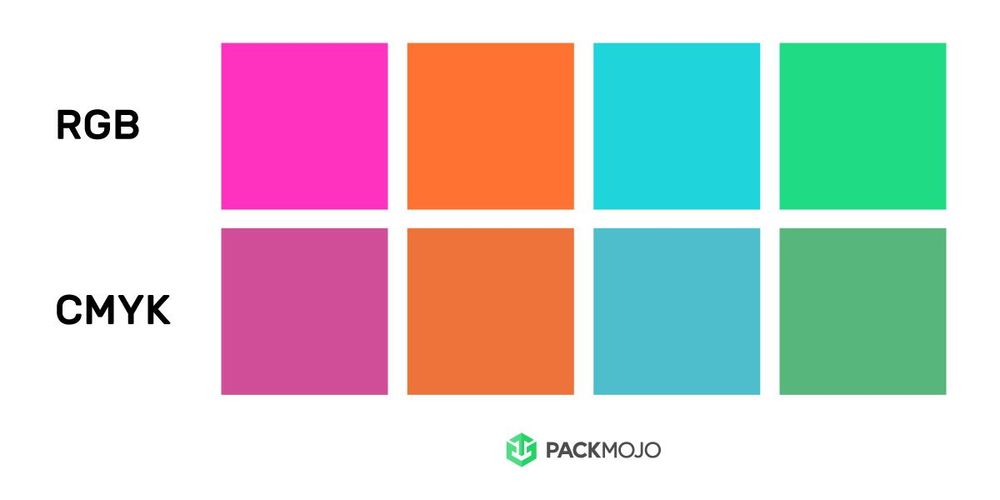
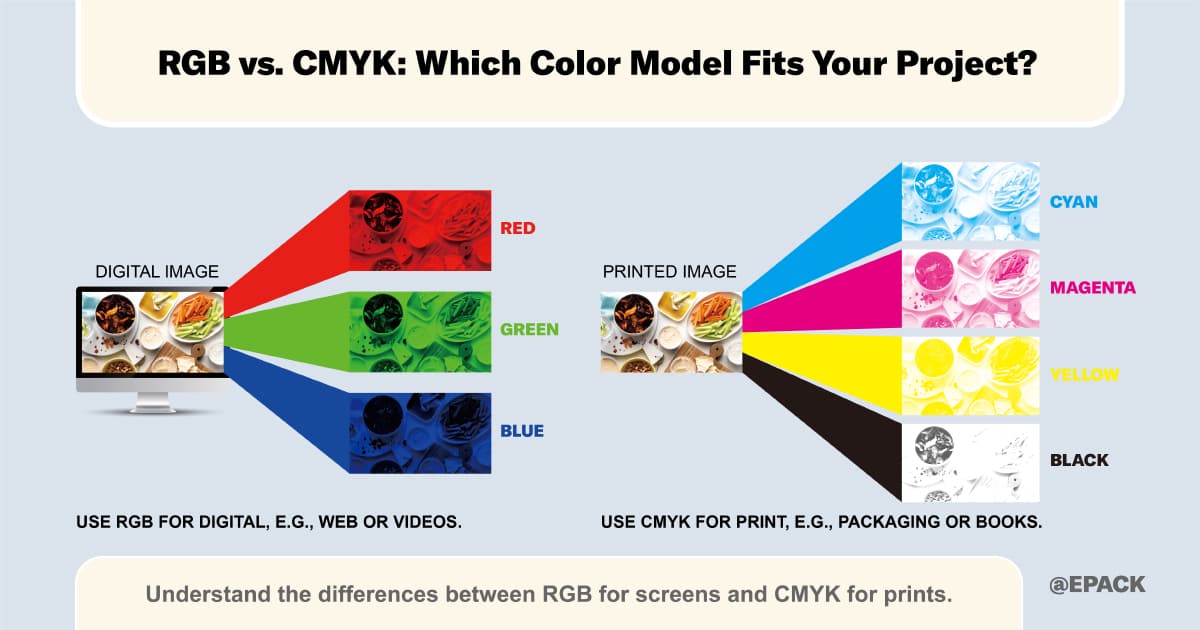
RGB, an additive color model, utilizes red, green, and blue light intensities to create colors primarily for digital displays. Conversely, CMYK operates as a subtractive model, absorbing light to produce colors in print.
This distinction leads to different color reproduction outcomes, with RGB offering a wider gamut suitable for screens, while CMYK is tailored for print media.
Color spaces like sRGB and Adobe RGB influence how colors are represented and perceived across devices, emphasizing the importance of selecting the appropriate model for specific applications.
Understanding RGB Color Model: Applications
Differences
Popular Wiki Terms:
Technical Specifications and Color Management
Understanding the technical specifications and color management of digital color models is crucial for achieving accurate color reproduction across various media.
Color management systems utilize specific color profiles to standardize RGB behavior, addressing gamut limitations and ensuring consistency.
Color management systems employ color profiles to standardize RGB behavior, tackling gamut limitations and maintaining consistency across media.
Bit depth variations, such as 8-bit, 10-bit, and 16-bit, considerably influence the total colors an image can represent, with 8-bit RGB yielding 16.7 million combinations.
Calibration tools are essential for aligning devices to reference colors, while formats like sRGB and Adobe RGB define color spaces for different applications.
Effective color management is imperative for ideal visual outcomes in digital printing and design.
References & Data Sources:
https://www.epackprinting.com/support/what-is-rgb-color/ – Retrieved April 30, 2025