
Proofing Definition
Proofing is a vital step in the bread-making process. It involves fermenting dough to enhance yeast activity, resulting in carbon dioxide production and ideal texture. The process includes bulk fermentation, where yeast consumes sugars, and final proofing, allowing the dough to rise in its intended shape. Controlled temperatures and humidity levels are fundamental for effective proofing. This stage guarantees gluten strength and consistency, contributing to a well-structured loaf. More detailed insights into proofing techniques can further enhance understanding.

Quick Summary
- Proofing is a crucial step in bread production that allows dough to rise and develop texture through fermentation.
- It involves stages like bulk fermentation, where yeast consumes sugars and produces CO2 for leavening.
- Optimal proofing temperatures range from 70–115°F to ensure effective fermentation and dough rising.
- Proper humidity management during proofing prevents the dough from drying out and improves results.
- Well-executed proofing leads to a light, airy texture and a well-structured loaf ready for baking.
Understanding the Proofing Process
Understanding the proofing process is essential for achieving ideal results in bread production. This involves stages such as bulk fermentation and final proofing, where dough rises in proofing baskets made of wicker. Maintaining optimal proofing temperatures between 70–115°F is vital for effective fermentation, while humidity management prevents dough from drying out. Dough proofer can help maintain these ideal conditions, ensuring consistent results. Gluten development during proofing is crucial as it affects the dough’s ability to trap carbon dioxide and contributes to the overall texture. Overproofing indicators include a collapsed structure or inability to retain shape, which results from gluten breakdown. Conversely, adequate proofing produces a soft, pliable texture and visible bubble formation. Therefore, careful monitoring and adjustments are necessary to achieve the desired bread characteristics while avoiding common pitfalls in the process. Ensuring that JavaScript is enabled in your browser settings can help improve the online resources available for bakers seeking to refine their proofing techniques.
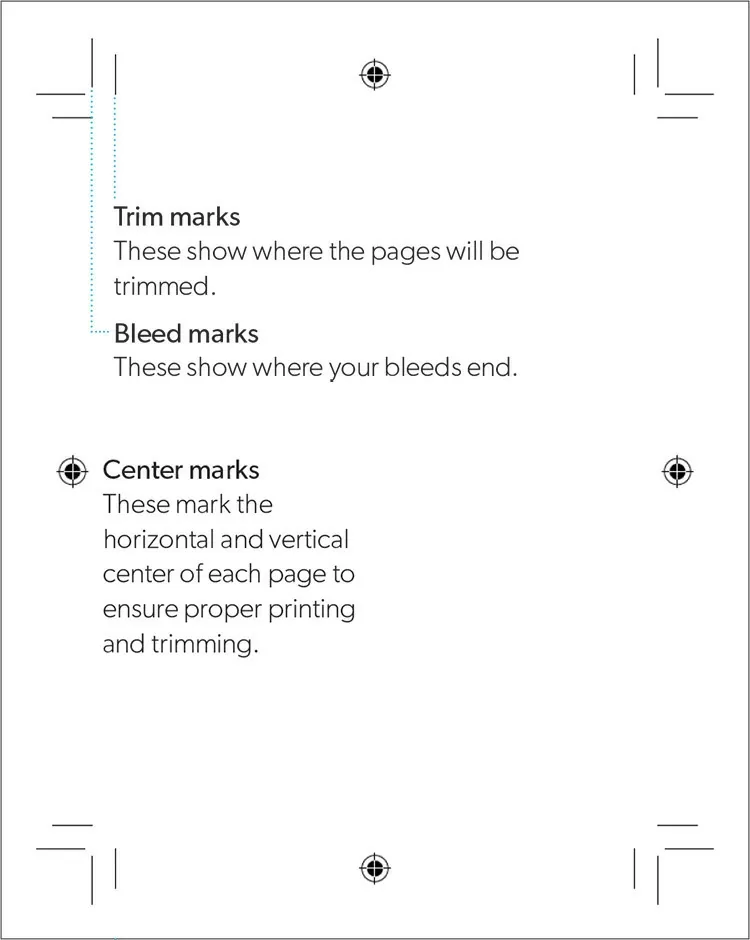
PrintNinja Proofing Options - Digital or Hardcopy? - PrintNinja by printninja.com
The Purpose of Proofing in Baking
Proofing plays an important role in the baking process, serving multiple purposes that considerably impact the final product.
It facilitates CO2 traps that favor air pockets, contributing to a light, airy texture. Proper proofing guarantees ideal gluten strength, essential for shape retention during baking. It enhances consistency and replicability, enabling bakers to achieve uniform results across batches. Utilizing proofing machines allows for controlled temperature and humidity, minimizing environmental variability. This precision aids in developing flavors and textures, ensuring that each loaf or pastry meets desired standards. Overall, proofing is fundamental for achieving high-quality baked goods, as it activates yeast in the dough to produce gas that causes the dough to rise. Also, proper proofing improves digestibility by breaking down complex sugars and proteins, making the final product easier to digest. Proper proofing balances gas production with gluten structure for optimal oven spring.
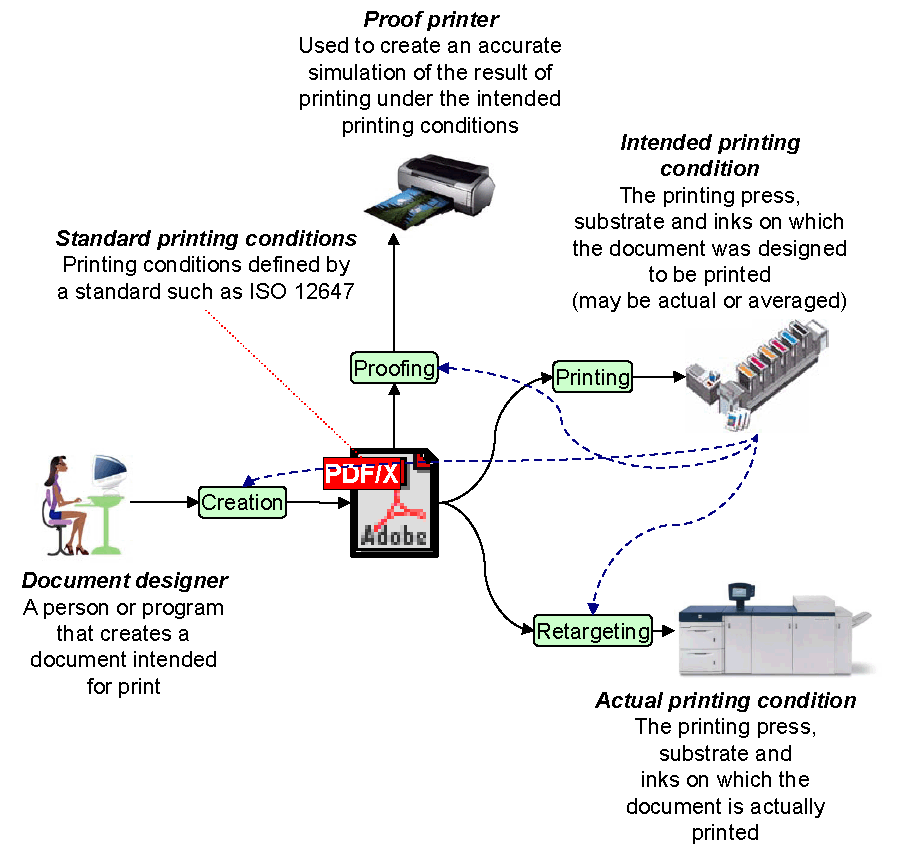
Exchange space for 'pure digital' printing by color.org
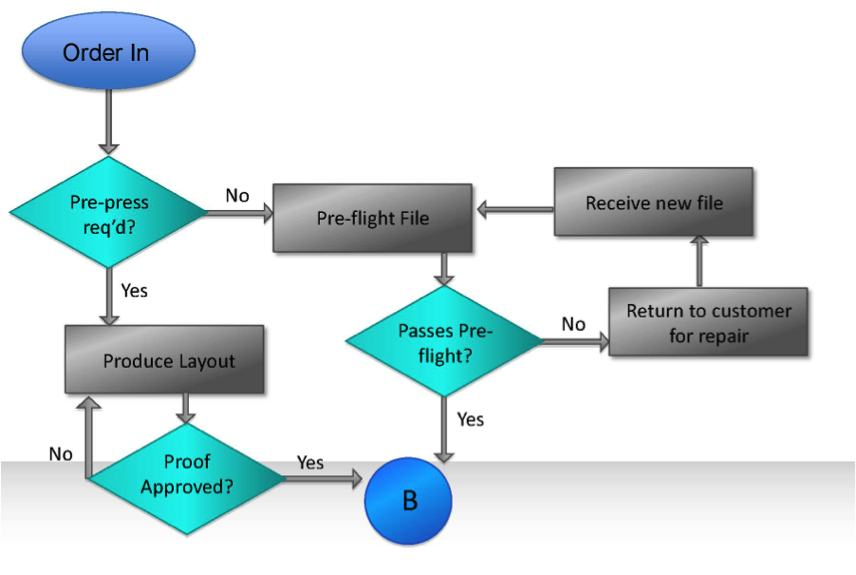
Solved Read the scenario below then complete the exercise by chegg.com
Different Phases of Proofing
The process of proofing in baking encompasses several distinct phases that contribute to the development of the dough.
Initially, bulk fermentation occurs, allowing yeast to consume sugars and produce carbon dioxide, essential for gluten development. This phase typically lasts 1.5 to 2.5 hours, during which folding techniques are employed to redistribute yeast and enhance flavor. Proper proofing balances gas production with gluten structure for optimal oven spring.
Following this, shaping takes place, where the dough is pre-shaped, rested, and finally shaped to create tension for ideal oven spring.
The final proofing phase allows the dough to rise in its desired form, ensuring a well-structured loaf ready for baking.
Methods for Effective Proofing
Effective proofing requires a systematic approach that encompasses environmental control, error detection techniques, and structured processes. Utilizing methods such as soft proofing and contract proofing, individuals can reduce color shifts and guarantee accurate representation of the final product. Implementing ICC profiles integration enhances color consistency across various devices. Also be aware that maintaining appropriate resolution settings is essential for high-quality outputs and is part of the print-ready file requirements. During the design phase, using FPO graphics can also help in visualizing the final product before it is completed.
Employing error detection techniques, like backward reading and single-error focus, can greatly improve accuracy. A structured proofreading process, including phase separation and formatted element checks, guarantees thorough reviews and minimizes oversights, ultimately serving the audience with polished and precise materials. Consistent proofreading procedures are crucial for achieving the desired level of accuracy in any document. Additionally, focusing on one type of error at a time can streamline the proofreading process and enhance overall effectiveness. Also, ensuring that the proofing environment is warm can significantly impact dough rising success.
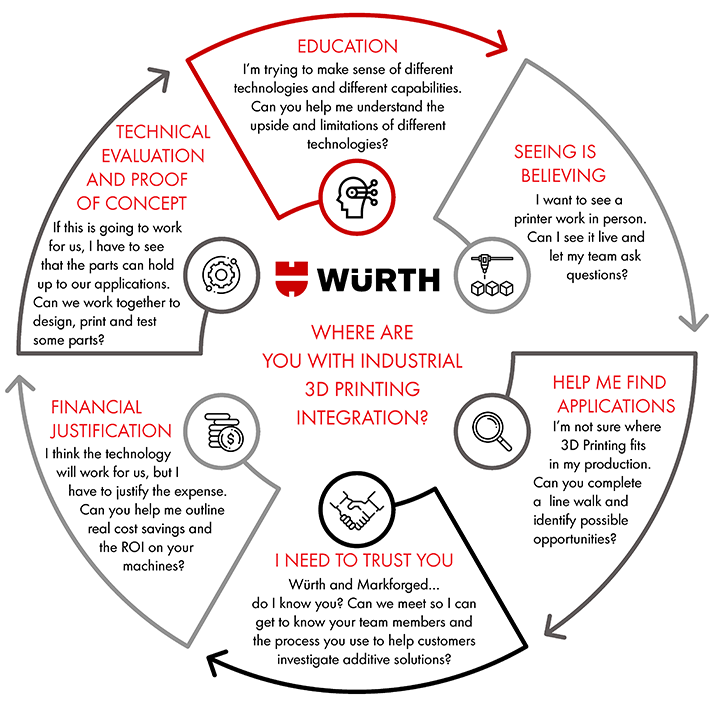
3D Choose Your Path by wurthindustry.com
Popular Wiki Terms:
Common Challenges and Solutions in Proofing
In the domain of proofing, various challenges can greatly impede the workflow and quality of the final product. Issues such as vague feedback and inconsistent terminology can hinder effective communication. Implementing standardized feedback guidelines and utilizing centralized feedback platforms can mitigate these challenges. Feedback delays often result from prolonged approval cycles; adopting automated approval workflows can streamline this process. Subject/verb agreement is also critical, as outdated files and untracked modifications create confusion. Employing robust version control systems guarantees clarity. Also, ensuring that pronouns agree with their antecedents prevents miscommunication and maintains clarity in feedback. Finally, hard proofing and press checks are essential to verify final outputs against expectations, guaranteeing quality standards are met. Adhering to ISO Print Standards helps to ensure consistent print quality throughout the proofing process. Centralized platform helps to consolidate feedback, further enhancing the communication process. Also be aware that leveraging a comprehensive Management Information System can significantly improve the overall efficiency of the proofing workflow by providing real-time data and analytics for better decision-making.
References & Data Sources:
https://en.wikipedia.org/wiki/Proofing_%28baking_technique%29 – Retrieved April 6, 2025
https://cooking.stackexchange.com/questions/84842/what-is-the-purpose-of-proofing-dough-in-several-stages – Retrieved April 8, 2024
https://www.coursehero.com/file/p2br32qs/Note-Following-the-APA-format-you-need-to-submit-a-references-page-or-reference/ – Retrieved January 8, 2025
https://printninja.com/printing-resource-center/printing-options/book-services/proofing-options/ – Retrieved April 1, 2025
https://www.masterclass.com/articles/baking-101-what-is-proofing-learn-how-to-proof-breads-and-other-baked-goods – Retrieved April 8, 2025
https://empirebake.com/blog/2023/10/13/the-importance-of-proper-dough-proofing/ – Retrieved April 8, 2025
https://www.color.org/exchange_space.xalter – Retrieved April 8, 2025
https://www.chegg.com/homework-help/questions-and-answers/read-scenario-complete-exercise-follows-submit-assignment-using-power-point-scenario-reven-q36416037 – Retrieved April 8, 2025
https://224664-286886.apps-06.cloudsonic.dev/term/print-ready-file-requirements/ – Retrieved April 8, 2025
https://224664-286886.apps-06.cloudsonic.dev/term/fpo-for-position-only/ – Retrieved April 7, 2025
https://www.unr.edu/writing-speaking-center/writing-speaking-resources/editing-and-proofreading-techniques – Retrieved April 7, 2025
https://ualr.edu/writingcenter/tips-for-effective-proofreading/ – Retrieved April 7, 2025
https://theyellowoven.com/how-to-proof-dough/ – Retrieved April 7, 2025
https://www.wurthindustry.com/en/wina/solutions/3d_printing/3d_printing_integration/3d_choose_your_path.php – Retrieved April 7, 2025
https://owl.purdue.edu/owl/general_writing/the_writing_process/proofreading/proofreading_for_errors.html – Retrieved April 7, 2025
https://www.fordham.edu/academics/academic-resources/writing-center/writing-resources/grammar/proofreading-for-common-errors/ – Retrieved April 7, 2025
https://224664-286886.apps-06.cloudsonic.dev/term/iso-print-standards/ – Retrieved April 7, 2025
https://www.lytho.com/blog/client-proofing-software-solutions/ – Retrieved April 7, 2025
https://224664-286886.apps-06.cloudsonic.dev/term/mis-management-information-system/ – Retrieved April 7, 2025