
Pressure-Sensitive Labels Definition
Pressure-sensitive labels are adhesive labels that adhere to surfaces through the application of pressure, eliminating the need for heat or solvents. They are composed of three main components: face stock, adhesive layer, and release liner. These labels are widely used across various industries, including food packaging and pharmaceuticals, for effective product labeling. They offer advantages like easy application and customization but may encounter adhesion issues on curved surfaces. Further details on manufacturing and application processes follow.
Definition and Components of Pressure-Sensitive Labels
Pressure-sensitive labels are defined as adhesive labels that bond to surfaces through the application of pressure, eliminating the need for heat, water, or solvents.
These labels consist of three main components: face stock, adhesive layer, and release liner. The face stock provides the printable surface and can be made from various materials such as paper or film. The adhesive layer enables adhesion upon pressure application, with its tackiness varying based on specific needs. The diverse adhesives used in pressure-sensitive labels are scientifically formulated for specific roles and conditions.
The release liner protects the adhesive until application, ensuring ease of use. Together, these components create versatile labeling solutions suitable for a broad range of applications. The structure of pressure-sensitive labels is often referred to as the “label sandwich,” highlighting the importance of each layer’s role in functionality. Also be aware that pressure-sensitive labels are a common label solution in the consumer marketplace, accounting for 77% of U.S. demand.
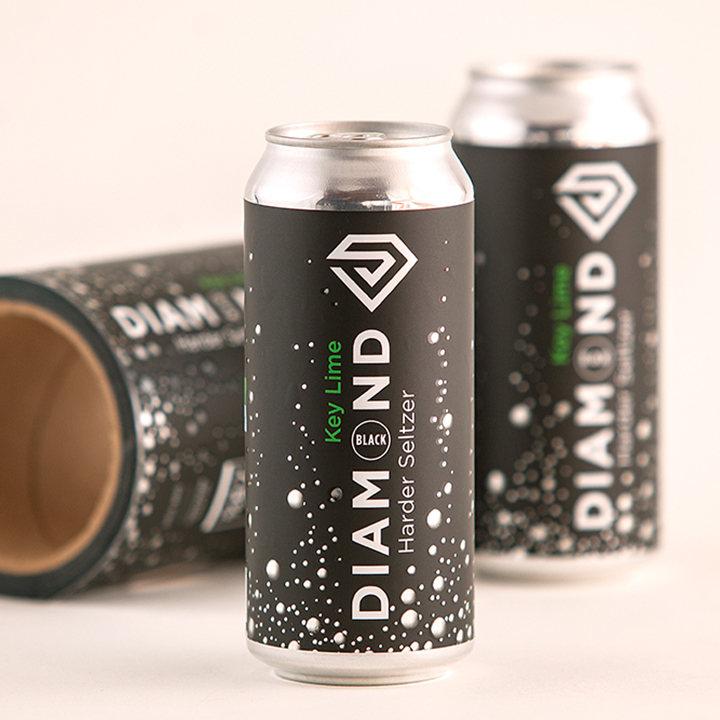
Pressure Sensitive Labels by craftbrewlabels.com
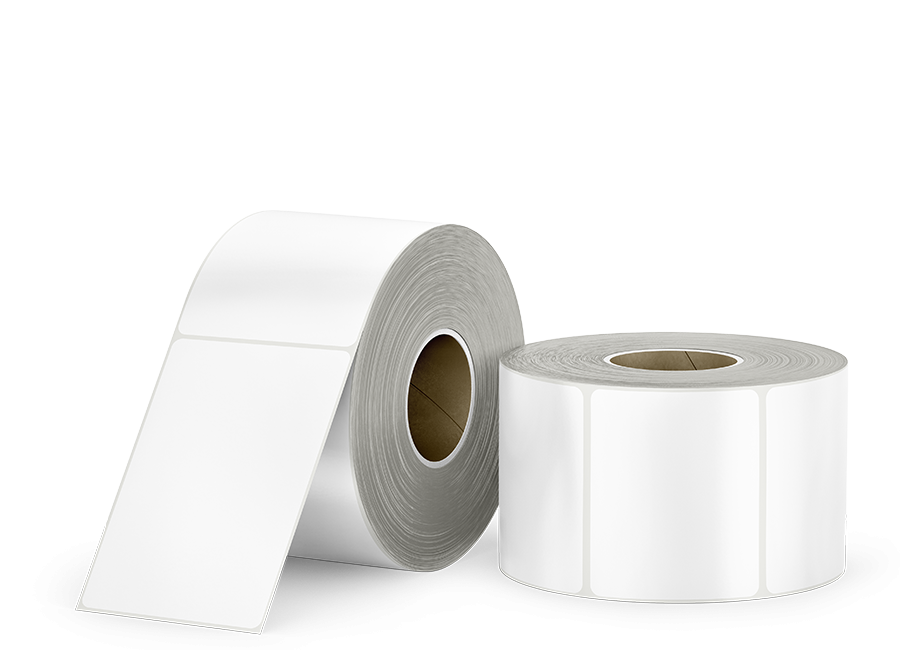
Sustainable pressure sensitive label printing - Brook + Whittle by brookandwhittle.com
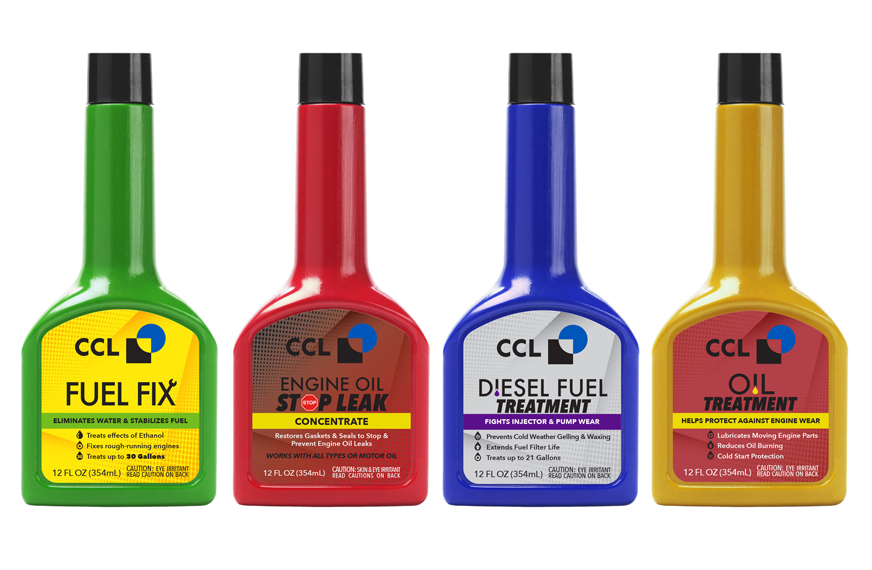
Pressure Sensitive Labels (PSL) by ccllabel.com
Applications Across Various Industries
Various industries utilize pressure-sensitive labels due to their versatility and reliability in providing essential information.
In food and beverage packaging, self-adhesive labels communicate key details like ingredients and nutritional facts, enhancing product visibility. These labels drive revenue through enhanced marketing, making them a vital component of product presentation. The use of pressure sensitive labels maximizes shelf presence with advanced decorating techniques that attract consumer attention.
Pharmaceutical labeling relies on precise information regarding drug dosage and safety, adhering to strict regulatory standards and benefiting from the multiple printing methods available for high-quality finishes.
Pharmaceutical labels must deliver accurate dosage and safety information while complying with stringent regulatory requirements.
In the beauty and personal care sector, labels offer aesthetic appeal while maintaining functionality, such as water resistance.
These applications highlight the importance of pressure-sensitive labels across various fields, ensuring compliance, enhancing branding, and facilitating consumer trust through clear and durable labeling solutions.

Custom Pressure Sensitive Labels - Custom Label Printing by inovarpackaging.com
Advantages of Using Pressure-Sensitive Labels
The advantages of using pressure-sensitive labels are multifaceted, contributing considerably to their popularity across diverse industries.
Their adhesive qualities allow for easy application without the need for additional tools or solvents. These labels offer customization for market demands, enabling brands to create unique designs that resonate with consumers. Additionally, pressure sensitive labels can be made from diverse materials and adhesives, making them suitable for a wide range of applications. The structure of these labels consists of three primary layers: facestock, adhesive, and liner, each playing a crucial role in their functionality.
Durability is another significant benefit; pressure-sensitive adhesives maintain their adhesion under various conditions, including moisture and physical stress.
Their compatibility with automated systems enhances efficiency and productivity, while their cost-effectiveness reduces waste and labor costs, reinforcing their value in modern packaging solutions.
Disadvantages and Limitations
While pressure-sensitive labels are widely utilized, they come with a range of disadvantages and limitations that can affect their performance and efficiency. Adhesion issues on curved surfaces can lead to misalignment and poor application. Cost considerations, including higher unit prices and liner waste expenses, can impact overall project budgets. Environmental impact arises from non-recyclable liners and adhesive residue that contaminates recycling streams. This higher cost may deter some businesses from choosing pressure-sensitive labels over other options. Also, the need for consistent label placement can complicate the labeling process in high-volume production environments. Production limitations, such as slower throughput and specific liner type dependencies, may hinder efficiency. These factors necessitate careful evaluation to guarantee ideal use of pressure-sensitive labels in various applications. Also be aware that pressure-sensitive labels tend to be more complex and costly compared to alternatives like roll-fed labels, which can limit their appeal for high-volume projects.
Manufacturing and Application Process
Manufacturing pressure-sensitive labels involves a systematic process that integrates several critical components and techniques. The process begins with unwinding label stock, followed by adhesive application to the face material. Printing techniques such as flexography or digital printing guarantee vibrant designs. A curing process may be employed for certain adhesives to enhance durability. Pressure sensitive labels are designed to self-adhere to product surfaces without the need for heat, water, or solvents, ensuring a strong bond with just pressure. The liner layer serves as the backbone of the label, maintaining integrity during production. Quality control is paramount; finished labels undergo rigorous inspection to verify conformity to specifications. High-quality labels are essential for product identification and branding. Finally, labels are die-cut into individual pieces and prepared for packaging. Automated machinery often facilitates high-volume applications, guaranteeing efficiency and accuracy in the application of these versatile pressure-sensitive labels.
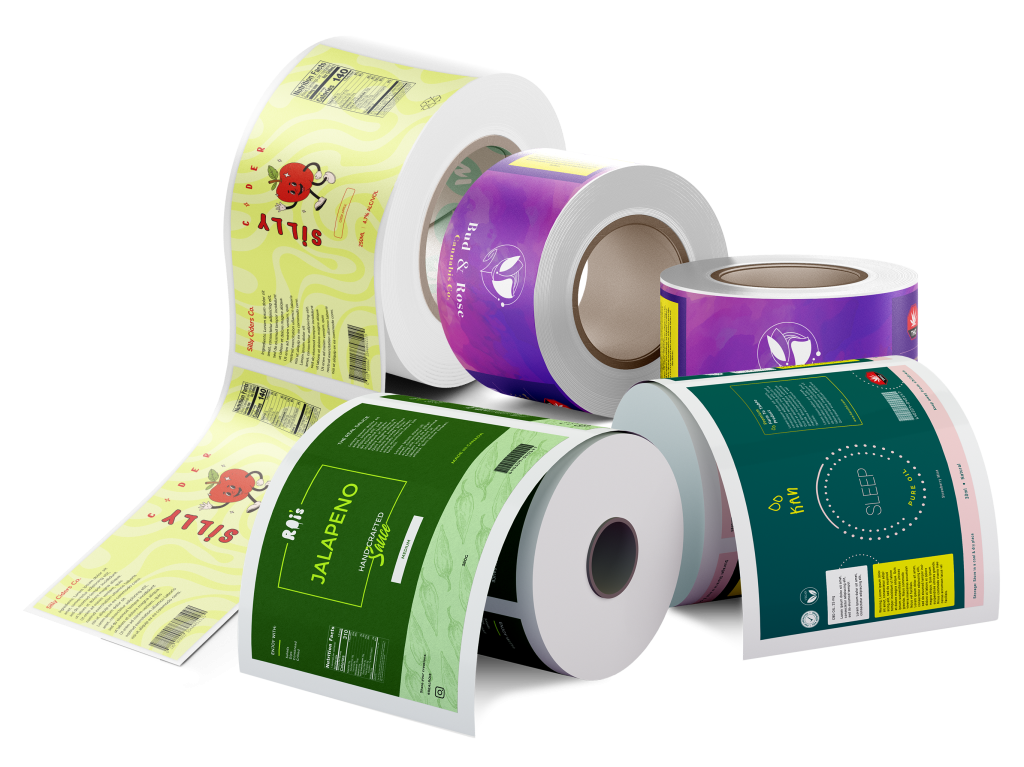
Roll Labels & Pressure-Sensitive Labels by willowpack.com
Popular Wiki Terms:
Customization and Material Options
Customization and material options for pressure-sensitive labels are essential to meeting diverse industry needs and enhancing product appeal.
Labels can be produced using high-quality paper or durable film materials, catering to various applications. Custom images and vibrant inks, including metallic and Pantone colors, enhance visual impact and brand consistency. Labels can feature embellishments like embossing and foil stamping for added texture. A range of adhesive options is available, including permanent, removable, and heavy-duty adhesives, ensuring ideal performance for different surfaces and environmental conditions. These customizable elements contribute to the effectiveness and attractiveness of pressure-sensitive labels in various markets. A vast selection of pressure-sensitive labels ensures that businesses can find the perfect match for their unique requirements. Also, labels can be produced in standard sizes to accommodate a wide variety of products and uses. Also be aware that the use of sustainable materials in label components is becoming increasingly popular, allowing brands to meet eco-friendly standards while maintaining quality.
References & Data Sources:
https://blog.thelabelprinters.com/guide-to-pressure-sensitive-labels – Retrieved April 28, 2025
https://info.weberpackaging.com/blog/what-is-a-pressure-sensitive-label – Retrieved April 30, 2024
https://www.resourcelabel.com/blog/2022/10/31/advantages-disadvantages-pressure-sensitive-labels/ – Retrieved January 30, 2025
https://www.craftbrewlabels.com/news/category/products/pressure-sensitive-labels/ – Retrieved April 23, 2025
https://brookandwhittle.com/labels-packaging/pressure-sensitive-labels/ – Retrieved April 30, 2025
https://ccllabel.com/product/specialty-products-pressure-sensitive-labels/ – Retrieved April 30, 2025
https://www.atlco.com/products-applications/pressure-sensitive-labels – Retrieved April 30, 2025
https://cclhealthcare.com/packaging-products/pharmaceutical-labels/pressure-sensitive-labels/ – Retrieved April 30, 2025
https://www.nadco-inc.com/nadco-pressure-sensitive-labels/ – Retrieved April 30, 2025
https://inovarpackaging.com/custom-pressure-sensitive-labels/ – Retrieved April 29, 2025
https://coastlabel.com/pressure-sensitive-labels/ – Retrieved April 29, 2025
https://meyers.com/meyers-blog/what-are-pressure-sensitive-labels-basics-applications/ – Retrieved April 29, 2025
https://ctmlabelingsystems.com/pressure-sensitive-labels-vs-self-adhesive-labels-is-there-a-difference/ – Retrieved April 29, 2025
https://tritonstore.com.au/pressure-sensitive-labels-vs-self-adhesive-labels/ – Retrieved April 29, 2025
https://www.bhagwatilabeling.com/sticker-labeling-machine-analysis-pressure-sensitive-vs-glue-based-systems/ – Retrieved April 29, 2025
https://www.taylor.com/blog/roll-fed-labels-and-pressure-sensitive-labels-compared – Retrieved April 29, 2025
https://mammothpackaging.com/the-basics-of-pressure-sensitive-labels/ – Retrieved April 29, 2025
https://betterlabel.com/unveiling-secrets-the-anatomy-of-pressure-sensitive-labels/ – Retrieved April 29, 2025
https://willowpack.com/roll-labels/ – Retrieved April 29, 2025
https://www.onlinelabels.com/uses/pressure-sensitive-labels – Retrieved April 29, 2025
https://www.sheetlabels.com/pressure-sensitive-labels – Retrieved April 29, 2025
https://www.qal.com/pressure-sensitive-labels/ – Retrieved April 29, 2025