
Postcards Definition
Postcards are rectangular pieces of thick paper or thin cardboard designed for brief communication. They feature imagery on one side and can be sent without envelopes, often benefiting from lower postage rates. Initially developed in the late 19th century, they became popular due to affordable printing techniques. Postcards serve not only as personal correspondence but also as marketing tools. Their evolution reflects advancements in printing technology and design. Further exploration reveals their cultural significance and regulatory frameworks.
Definition and Purpose of Postcards
Postcards are defined as rectangular pieces of thick paper or thin cardboard, typically featuring imagery on one side. Their primary purpose includes facilitating brief communication between sender and recipient.
Standard postcards are designed to be sent without envelopes, often at lower postage rates than letters. They serve as effective marketing tools, allowing businesses to share promotional offers directly with potential customers.
Postcards can commemorate travel destinations or events. Over time, they have evolved into collectible items, appealing to those interested in historical and artistic value.
Compliance with USPS specifications guarantees their continued relevance in modern communication.
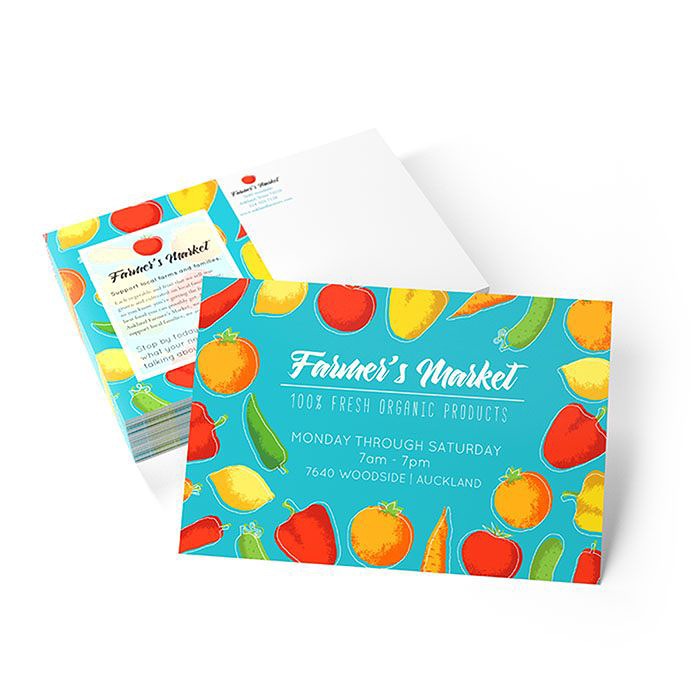
Print High Quality Postcards - Fast and Quick Turnaround by 48hourprint.com
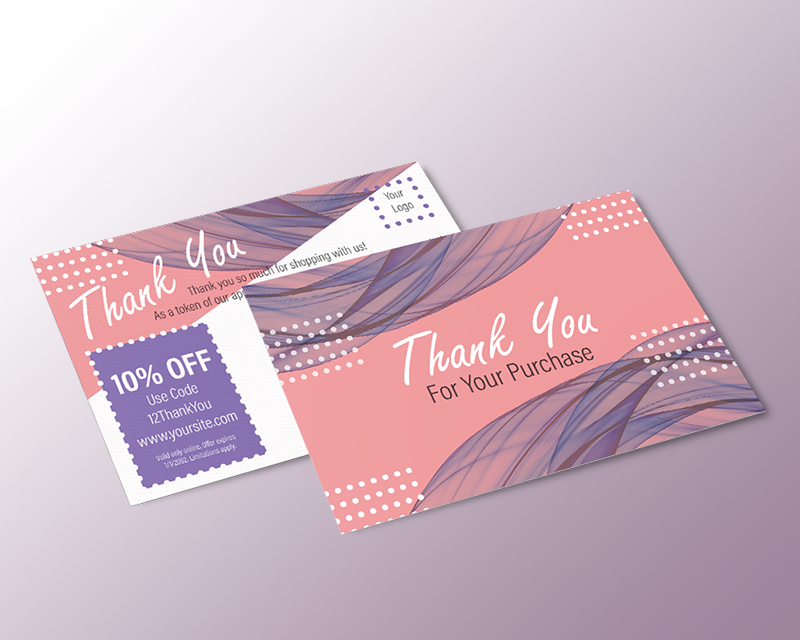
4 x 6 Postcard Template by conquestgraphics.com
Historical Development of Postcards
The historical development of postcards reveals a significant evolution in communication and marketing tools from the mid-19th century to the present.
Initially, mailed cards and picture envelopes served as precursors to postcards. Legislative changes in 1898 allowed private production, boosting their popularity.
The Golden Age from 1901 to 1907 saw millions sold due to affordable offset printing. The introduction of divided backs in 1907 enhanced usability.
Postcards adapted over time, with linen and chrome varieties emerging in the 20th century.
Today, digital printing facilitates direct mail campaigns, while niche markets sustain interest in this enduring form of communication.

Every Door Direct Mail - Print USPS Approved EDDM Postcards ... by 48hourprint.com
Regulatory Frameworks Governing Postcards
Regulatory frameworks governing postcards are defined by multiple guidelines that ascertain compliance with postal standards and legal requirements. These frameworks include USPS specifications for dimensions, thickness, and material, confirming that postcards meet postal rate compliance.
Addressing and design requirements mandate specific layouts to facilitate automation. Legal and ethical considerations in professional use highlight the importance of informed consent, particularly regarding confidentiality risks.
Non-compliance can result in penalties such as returned mail and increased postage rates. Organizations utilizing variable data printing for targeted campaigns must adhere strictly to these regulations to avoid legal liabilities and affirm effective communication.
Technical Evolution of Postcards
Historically, the technical evolution of postcards reflects significant advancements in printing technology and design regulations.
The introduction of the divided back in 1907 marked a pivotal moment, allowing messages and addresses to occupy distinct areas. This change enabled a focus on visual appeal, leading to the rise of high-quality lithographic prints.
The adoption of CMYK process printing further enhanced color fidelity and design complexity. Modern printing processes now accommodate oversized postcards, utilizing high-resolution PDF/X files for peak output quality.
These advancements have allowed for diverse marketing applications, including direct mail campaigns and promotional offers in various industries.

Postcard Printing by conquestgraphics.com

Print Custom Postcards - Custom Online Post Card Printing Services ... by mixam.com
Cultural Impact of Postcards
Postcards have played a significant role in cultural documentation, capturing a diverse array of societal aspects throughout their history. They reflect visual culture by popularizing mass-produced art and photography, making imagery accessible to all.
Postcards served as tools for political mobilization, disseminating messages during movements such as women’s suffrage. They illustrated public events and societal changes, thereby shaping public perception and encouraging grassroots organizing.
Popular Wiki Terms:
Current Use and Legacy of Postcards
The current landscape of postcard usage reflects a blend of traditional marketing strategies with modern advancements in technology. Real estate agencies particularly benefit from folded postcards, utilizing them for direct mail campaigns. The format offers a quick turnaround for digital printing, enhancing engagement and personalization.
Statistics indicate that postcards generate significant marketing ROI, with response rates surpassing those of email. Additionally, 73% of consumers prefer postcards for brand communication, highlighting their perceived value.
Postcards remain a trusted medium, fostering personal connections and driving website visits, thereby solidifying their legacy in effective marketing practices.
References & Data Sources:
https://www.48hourprint.com/postcard-printing.html – Retrieved April 30, 2025
https://www.conquestgraphics.com/help/templates/4-x-6-postcard-template – Retrieved May 2, 2024
https://www.48hourprint.com/every-door-direct-mail – Retrieved February 2, 2025
https://www.conquestgraphics.com/cg-products/postcards – Retrieved April 25, 2025
https://mixam.com/postcards – Retrieved May 2, 2025