
Post-Consumer Waste (PCW) Definition
Post-consumer waste (PCW) encompasses materials discarded after consumer use, such as packaging, containers, and household items. This waste primarily originates from households, businesses, and institutions. It is distinct from pre-consumer waste, which consists of manufacturing scraps. The recycling process involves collecting, sorting, and processing PCW into reusable materials. Significant environmental benefits include reducing greenhouse gas emissions and conserving energy. Economic implications highlight job creation and resource efficiency. Further insights are available on this topic.
Definition and Origin of Post-Consumer Waste
Post-consumer waste (PCW) encompasses materials that consumers discard after the completion of their intended use. This category includes items such as packaging, containers, and products disposed of after consumption.
Distinct from pre-consumer waste, which consists of manufacturing scraps, PCW originates primarily from households, businesses, and institutions. The disposal process involves sorting and processing at materials recovery facilities, ensuring these materials are diverted from landfills.
PCW is often labeled as “PCR” (post-consumer recycled) in sustainable product labeling. Understanding PCW is essential for promoting recycling initiatives and supporting circular economy principles, contributing to environmental sustainability and resource conservation efforts.
productlaunch #sustainability #printingindustry #phoenixpaper ... by linkedin.com
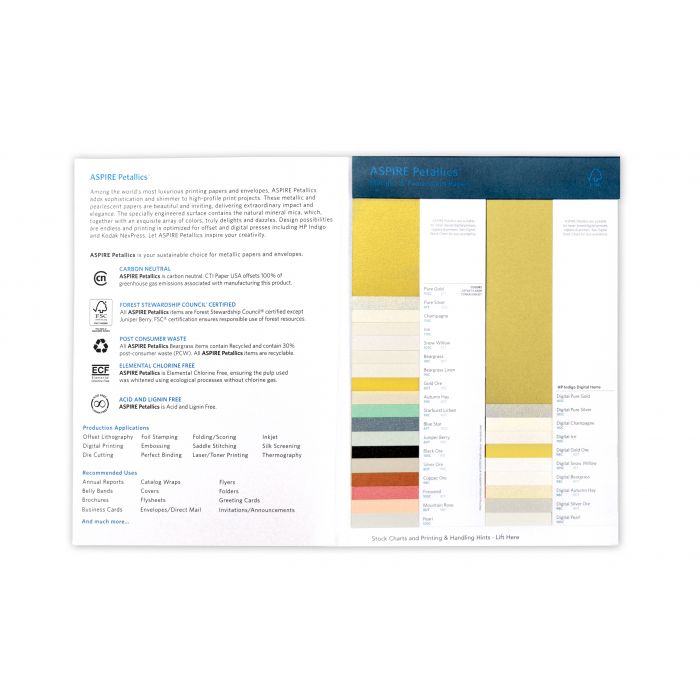
ASPIRE Petallics Swatchbook by thepapermillstore.com
Types of Post-Consumer Waste
Various categories of post-consumer waste include packaging materials, food remnants, personal and domestic discards, fashion items, and miscellaneous objects.
Common examples of packaging materials are plastic water bottles, cardboard boxes, and aluminum cans.
Food waste encompasses fruit skins, bones, and spoiled food.
Personal and domestic waste includes human and pet waste, used tissues, and finished batteries.
Fashion and media wastes consist of outdated clothing, newspapers, and unsolicited advertising materials.
Miscellaneous items range from broken appliances to old furniture and non-functional electronics.
Recognizing these types of post-consumer waste is essential for effective waste management and environmental stewardship.
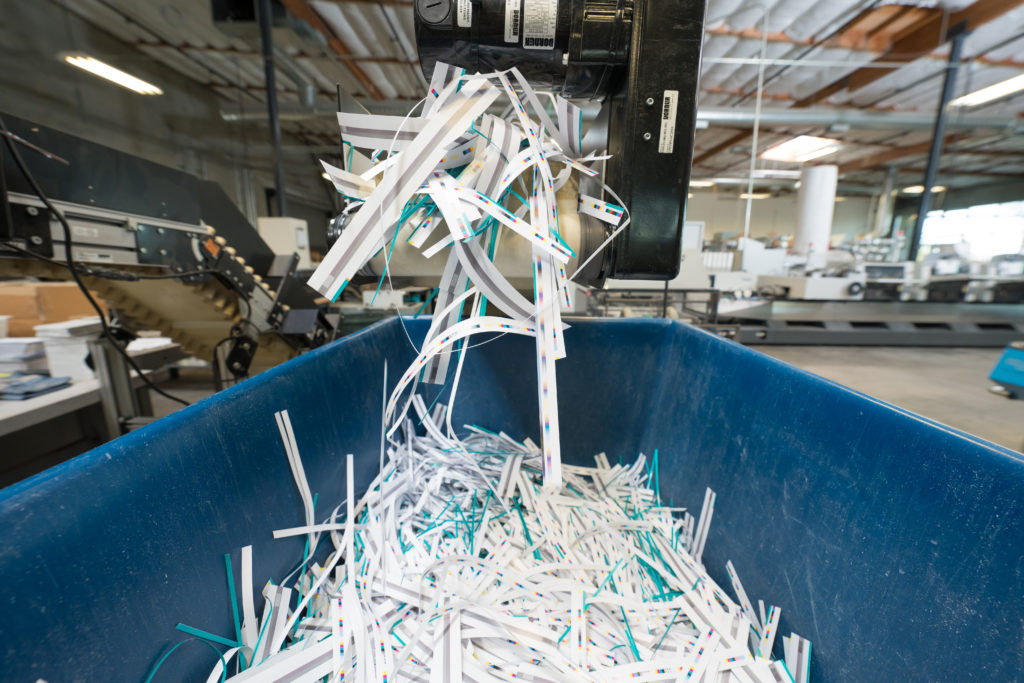
Understanding Post-Consumer Recycled Content by greenerprinter.com
The Recycling Process for Post-Consumer Waste
Recycling post-consumer waste involves a systematic process that begins with the collection and distribution of materials from households, businesses, and institutions.
Initially, these materials are sorted to remove non-recyclable items, reducing contamination. They are then transported to Material Recovery Facilities (MRFs) for further sorting using automated and manual methods.
After cleaning, plastics are shredded into flakes and melted for uniform processing. The melted plastic undergoes extrusion, forming strands that are cooled and cut into pellets.
These pellets are then used in manufacturing new products, effectively transforming pcw into valuable resources while minimizing environmental impact.
Environmental Benefits of Recycling Post-Consumer Waste
The environmental benefits of recycling post-consumer waste are significant and multifaceted. Recycling reduces greenhouse gas emissions, equivalent to removing millions of cars from the road annually.
It conserves energy, requiring less power than producing materials from raw resources, and preserves natural resources by reducing the need for new raw material extraction. Recycling minimizes water usage and decreases landfill waste, which mitigates pollution risks.
Sustainable marketing campaigns can leverage these environmental advantages, demonstrating a commitment to ecological responsibility. Ultimately, recycling post-consumer waste plays an essential role in fostering a healthier planet and promoting sustainable practices within communities.
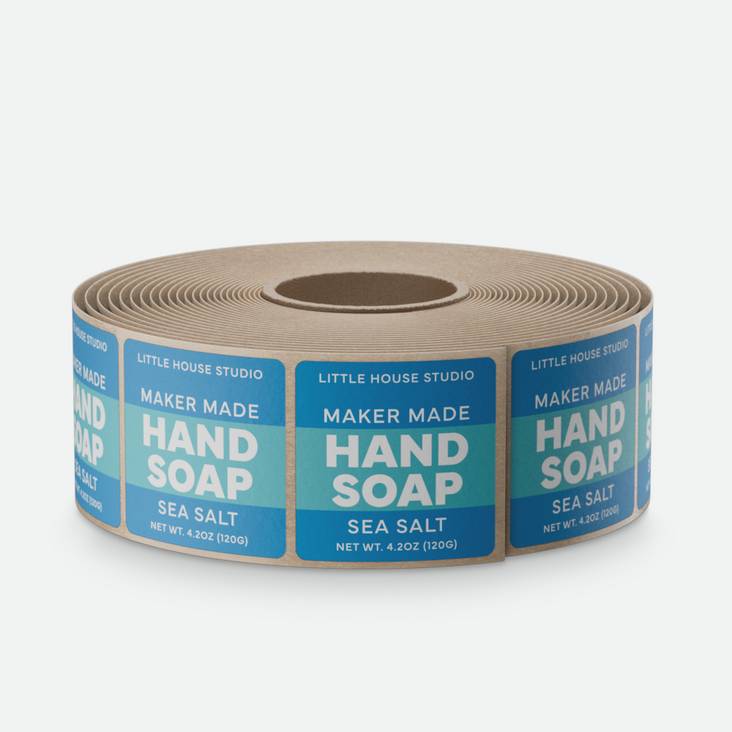
Matte Recycled Paper Labels by stickergiant.com
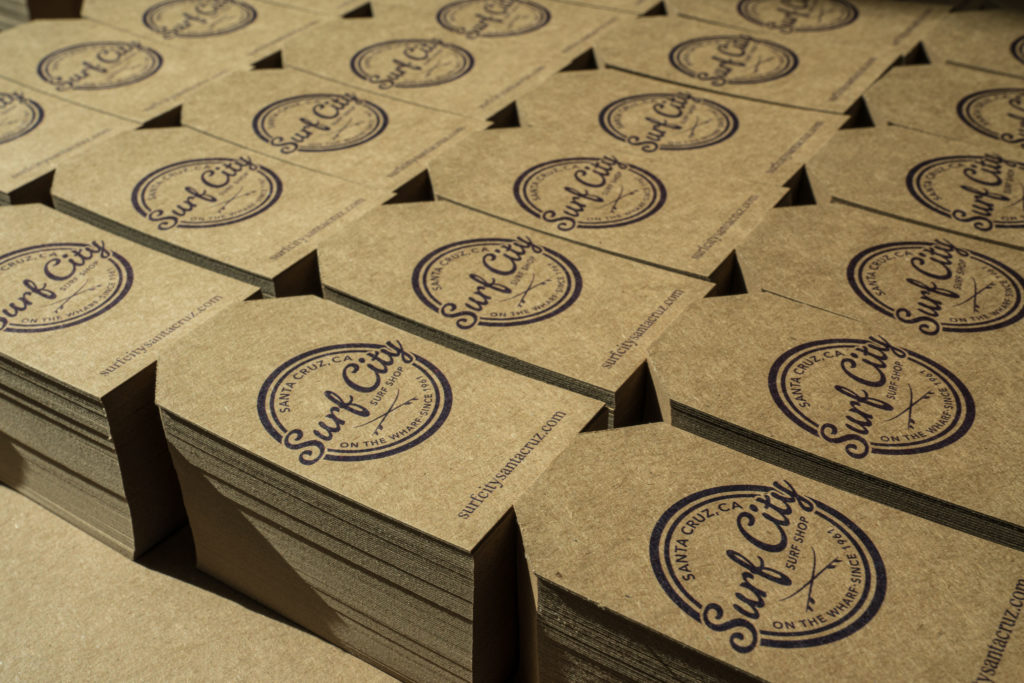
Understanding Post-Consumer Recycled Content by greenerprinter.com
Economic Implications of Post-Consumer Recycling
Post-consumer recycling presents significant economic implications that extend beyond environmental benefits.
The recycling industry supports 681,000 jobs in the United States, generating approximately $37.8 billion in annual wages. Advanced recycling technologies could create tens of thousands of new jobs and billions in economic output.
The recycling industry employs 681,000 Americans, contributing $37.8 billion in wages and promising future job growth.
Recycling contributes about 0.47% to U.S. employment and 0.78% to tax revenues. Each ton recycled generates $65,230 in wages and $9,420 in tax revenues.
The use of recycled stock in manufacturing enhances resource efficiency, transforming waste into valuable materials, thereby optimizing the economic potential of post-consumer recycling within a circular economy framework.
Popular Wiki Terms:
The Role of Consumer Participation in Post-Consumer Waste Management
Consumer participation greatly influences the management of post-consumer waste (PCW) and its recycling processes. Effective PCW management relies on consumers’ proper disposal practices and their engagement in recycling initiatives.
By making informed purchasing choices, consumers can impact demand for sustainable products and reduce waste generation. Education on recycling benefits enhances consumer participation and improves sorting accuracy, which is essential for recycling efficiency.
Advocacy for supportive policies also plays an important role in promoting effective PCW management. Ultimately, a collaborative approach involving consumers can greatly enhance the efficacy of recycling programs and the overall sustainability of waste management practices.
References & Data Sources:
https://www.thepapermillstore.com/aspire-petallics-cti-paper-usa-text-paper-and-cover-paper-sample-swatchbook-and-professional-graphics-tool.html – Retrieved April 30, 2025
https://www.greenerprinter.com/blog/understanding-post-consumer-recycled-content/ – Retrieved May 2, 2024
https://www.stickergiant.com/matte-paper-labels – Retrieved February 2, 2025