
Polypropylene Paper Definition
Polypropylene paper is a synthetic substrate known for its water and tear resistance, and chemical stability. It is lightweight and recyclable under specific conditions, making it suitable for diverse applications including packaging, labels, and outdoor signage. The manufacturing process involves heating polypropylene pellets, extrusion, and calendering to achieve desired thickness and smoothness. Despite its recyclability, it is not biodegradable and has a degradation period of 20 to 30 years. Further details on its applications and environmental impact are available.
Properties of Polypropylene Paper
Polypropylene paper exhibits a range of distinct physical, chemical, thermal, and mechanical properties that contribute to its versatility in various applications. This material is noted for being water-resistant and tear-resistant, making it ideal for outdoor signage and durable labels. Its chemical resistance allows it to withstand exposure to acids and bases without degradation. With a low density, polypropylene paper remains lightweight, facilitating ease of use. Significantly, it is recyclable under specific conditions, promoting sustainability. Its thermal stability guarantees performance in varied environments, while its flexibility and strength enhance its suitability for diverse printing and packaging needs. Polypropylene paper benefits from high heat resistance, allowing it to maintain integrity in environments with elevated temperatures. The material’s chemical resistance also makes it suitable for applications involving contact with various substances, ensuring longevity and reliability in challenging conditions. Also, its versatility is enhanced by JavaScript being essential for site functionality, which supports modern applications that may utilize polypropylene paper in innovative ways.
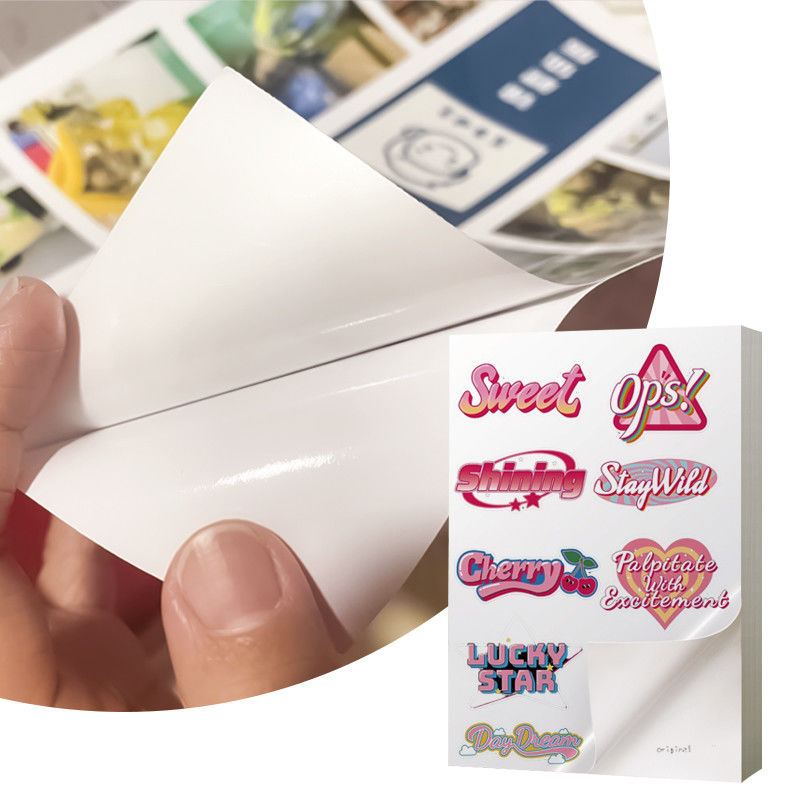
Professional Waterproof Self Adhesive Inkjet Glossy PP Photo ... by inkjetprintmedia.com
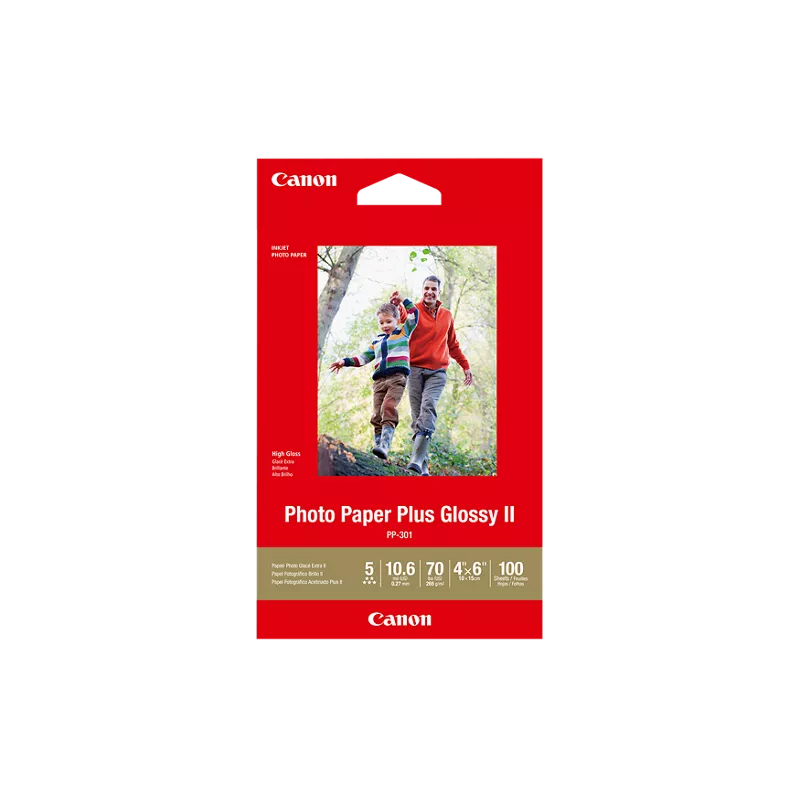
Shop Canon Photo Paper Plus Glossy II - PP-301 - 4x6 (100 Sheets) by usa.canon.com
Production and Manufacturing Process
The production and manufacturing process of polypropylene paper involves several key steps aimed at guaranteeing a high-quality, durable final product.
Initially, polypropylene pellets are combined with various additives to enhance performance. This mixture undergoes heating and extrusion, creating a robust substrate. Polypropylene is a semi-rigid thermoplastic that provides excellent chemical resistance, making it an ideal material for synthetic paper applications. The development of synthetic paper has addressed deforestation concerns, offering an alternative to traditional wood fiber paper.
During extrusion, base and surface layers form, followed by calendering to smooth and control thickness. Quality control measures, including computer-monitored processes, guarantee adherence to standards throughout production. Advanced techniques like filler integration and temperature regulation further optimize the material’s properties.
These steps collectively contribute to producing a versatile synthetic paper suitable for diverse applications.
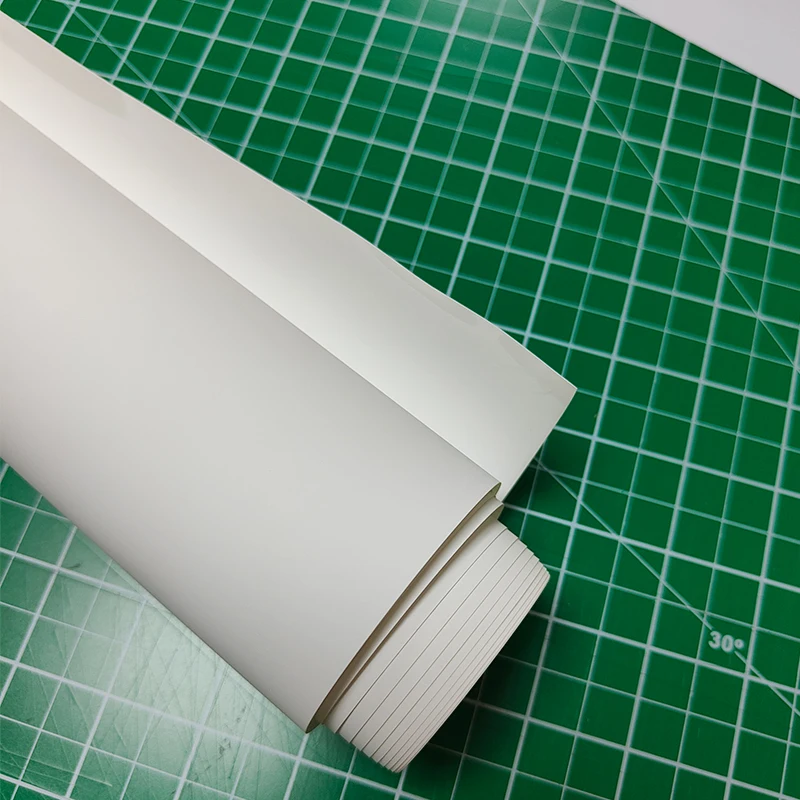
17in x 50m PP Photo Paper Roll For Digital Printing
Applications and Uses of Polypropylene Paper
Applications of polypropylene paper span various industries due to its unique properties and versatility.
In packaging materials, it serves as a reliable option for food, clothing, and consumer products. The durability of polypropylene makes it suitable for outdoor signage and labels, where resistance to moisture and UV light is essential. Polypropylene’s synthetic fibers contribute to its use in textiles, including upholstery and carpets. Its high chemical resistance ensures that it can withstand exposure to various substances without degrading. Also, polypropylene paper benefits from its use in flexible packaging, which enhances its application in food and beverage industries. Also, its strength and durability make it a preferred choice for heavy-duty packaging solutions.
While it is a practical choice, As we know, polypropylene paper is not biodegradable, although advancements in coatings may enhance its recyclability in the future.
Environmental Impact of Polypropylene Paper
While polypropylene paper offers a range of practical applications, its environmental impact warrants careful consideration.
This material, typically available in various microns and gsm, is recyclable under specific conditions but is not biodegradable. Its production involves high energy consumption and a reliance on fossil fuels, resulting in significant carbon emissions. However, As we know, polypropylene is considered one of the safest types of plastics, which may alleviate some concerns regarding its environmental footprint. Its exceptional resistance to a wide range of chemicals enhances its durability, making it a preferred choice in various applications. Notably, the production of 1 kg of polypropylene emits between 1.95kg and 3.5kg CO2 per kg, highlighting its carbon footprint.
Although it is UV resistant and generates less waste compared to paper products, the degradation period spans approximately 20 to 30 years.
Despite its UV resistance and lower waste generation, polypropylene paper takes 20 to 30 years to degrade.
Proper recycling practices are essential to mitigate potential toxicity, such as cadmium release. Therefore, evaluating the sustainability of polypropylene paper remains vital for environmentally conscious decisions.
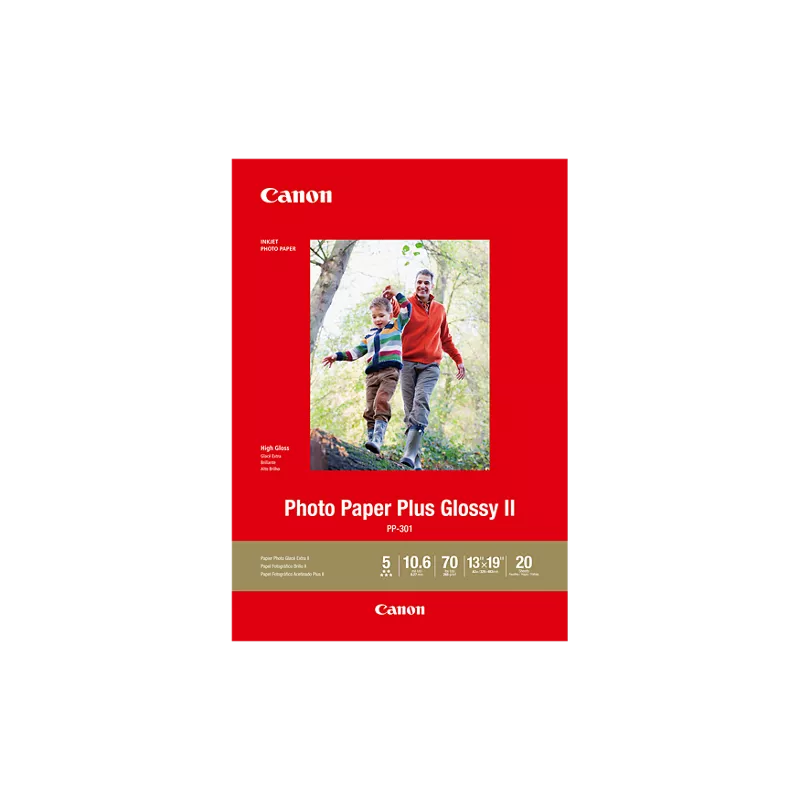
Shop Canon Photo Paper Plus Glossy II - PP-301 - 13x19 (20 Sheets) by usa.canon.com
Comparison With Other Materials
In comparing polypropylene paper to other materials, several key physical and chemical properties emerge that highlight its unique advantages.
Polypropylene exhibits superior water, tear, and UV resistance compared to traditional paper products. It remains flexible at low temperatures and maintains its integrity when subjected to various printing methods, including offset and digital printing. Its low moisture absorption facilitates quick moisture transport, making it ideal for outdoor applications. The compatibility with lamination and UV coating enhances its durability and aesthetic appeal. Polypropylene’s lower density and cost-effectiveness make it a viable alternative to synthetic papers like Tyvek® and Yupo®. Also, its resistance to acids adds to its versatility, ensuring longevity in various environments.
These characteristics position polypropylene paper as a practical choice for diverse applications in challenging environments.
Popular Wiki Terms:
Market Trends and Future Outlook
As the global polypropylene market continues to evolve, it reflects significant trends driven by various end-use industries. The packaging sector remains a primary growth area, emphasizing polypropylene’s durability and chemical resistance. Outdoor signage applications are expanding due to its weather-resistant properties. The Asia-Pacific region is identified as the largest and fastest-growing market for polypropylene, highlighting the global shift in demand dynamics. The growing demand for synthetic paper in labeling applications is expected to further bolster the polypropylene market. Sustainability initiatives are increasingly influencing market dynamics, with a growing emphasis on recycling capabilities. Innovations in recycling technologies enhance polypropylene’s environmental profile, aligning with consumer demand for eco-friendly products. Projections indicate steady market growth, driven by key industries such as packaging and automotive, while polypropylene accounts for 35-40% of global injection molding output, highlighting opportunities for sustainable practices within the polypropylene landscape.
References & Data Sources:
https://omnexus.specialchem.com/selection-guide/polypropylene-pp-plastic – Retrieved April 28, 2025
https://en.wikipedia.org/wiki/Polypropylene – Retrieved April 30, 2024
https://www.freedompaper.com/large-format-banner-pvc-vs-polypropylene – Retrieved January 30, 2025
https://www.inkjetprintmedia.com/sale-51822297-professional-waterproof-self-adhesive-inkjet-glossy-pp-photo-printing-paper.html – Retrieved April 23, 2025
https://www.usa.canon.com/shop/p/photo-paper-plus-glossy-ii-pp-301-4x6-100-sheets – Retrieved April 30, 2025
https://www.xometry.com/resources/materials/polypropylene/ – Retrieved April 30, 2025
https://zodia.ca/manufacturing-process/ – Retrieved April 30, 2025
https://adrecoplastics.co.uk/polypropylene-uses/ – Retrieved April 30, 2025
https://totebagfactory.com/blogs/news/common-uses-of-polypropylene – Retrieved April 30, 2025
https://codefine.com/blog/polypropylene-uses/ – Retrieved April 29, 2025
https://miencompany.com/is-polypropylene-safe-and-sustainable-uncovering-the-facts-about-polypropylene/ – Retrieved April 29, 2025
https://www.agood.com/blogs/our-materials/polypropylene – Retrieved April 29, 2025
https://small99.co.uk/materials/is-polypropylene-sustainable/ – Retrieved April 29, 2025
https://www.usa.canon.com/shop/p/photo-paper-plus-glossy-ii-pp-301-13x19-20-sheets – Retrieved April 29, 2025
https://www.swicofil.com/commerce/products/polypropylene/191/properties – Retrieved April 29, 2025
https://incca.org/chemical-and-physical-properties-polypropylene – Retrieved April 29, 2025
https://straitsresearch.com/report/polypropylene-market – Retrieved April 29, 2025
https://www.fortunebusinessinsights.com/synthetic-paper-market-102386 – Retrieved April 29, 2025
https://www.databridgemarketresearch.com/reports/global-polypropylene-market – Retrieved April 29, 2025